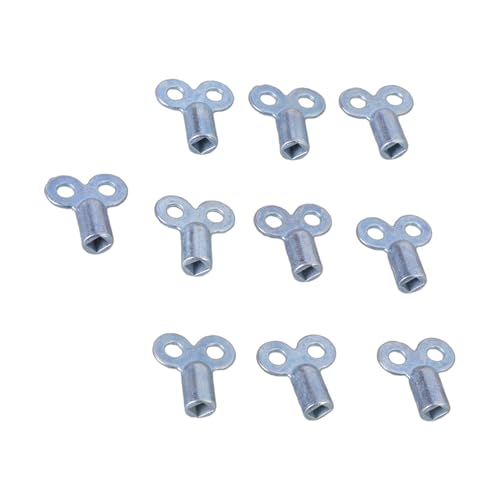
Is your engine suddenly running hot after a simple coolant change or hose replacement? Many car owners struggle with unexpected engine overheating due to trapped air pockets in the cooling system. Proper air removal is critical maintenance for stable engine temperature and long-term vehicle health.
Bleeding a car radiator is essential maintenance after draining or replacing coolant components to remove trapped air bubbles that impede proper heat transfer and cause engine overheating. The process involves safely running the engine with the radiator cap off (or using specialized tools) to allow air to vent. Based on our practical, hands-on bleeding experience and certified mechanic tips, this guide provides the exact steps needed to perform a complete air purge systematically and effectively.
Key Facts
- Purpose of Bleeding: Bleeding a car radiator removes air pockets that prevent proper coolant circulation, thus preventing engine damage and ensuring reliable radiator performance.
- Primary Symptom of Airlock: Air pockets frequently cause a significant reduction in cabin heating because air blocks the flow of hot coolant to the heater core.
- Tool Efficiency: The vacuum fill kit is the most reliable method for achieving a complete air purge quickly, eliminating virtually all air pockets before filling.
- Safety Protocol: Industry best practices recommend starting the bleeding process on a completely cold engine to prevent severe burns from superheated, pressurized coolant and steam.
- Process Duration: A thorough and complete manual bleed procedure typically takes between 30 minutes to an hour, primarily spent waiting for the engine thermostat to open fully.
How to Bleed a Radiator in a Car Safely and Effectively?
Bleeding a car radiator is the process of removing trapped air pockets, or air locks, from the vehicle’s cooling system to ensure proper coolant circulation and prevent engine overheating. These air pockets can severely disrupt the ability of the engine coolant to circulate and efficiently transfer heat, leading to localized hot spots within the engine block. Proper maintenance and system de-aerate is crucial after any maintenance involving the draining or refilling of engine coolant.
Based on years of hands-on bleeding experience, a systematic approach is essential for achieving a complete air purge. We emphasize safety first automotive care when working with the cooling system, as superheated coolant is extremely dangerous. The process involves introducing fresh coolant while running the engine until the thermostat housing opens, allowing any air trapped in the engine block and heater core to vent out through the highest point of the system—usually the radiator neck or a dedicated bleeder valve.

While the manual method of burping the radiator is common, achieving an effective air removal often requires the right tools. We will explore both the simple DIY techniques and the more advanced, reliable methods involving specialized equipment. Our goal is to provide a complete guide to vehicle cooling system purge, covering the foundational steps and expert-level tips for optimal engine cooling and long-term cooling system health.
Safety Checklist Before Starting
Before you begin the automotive radiator bleeding guide, adherence to strict safety protocols is non-negotiable. Never attempt to remove the radiator cap or access the coolant system when the engine is warm or hot.
- Engine Off and Cold: Ensure the vehicle has been off for several hours and the engine is completely cold to prevent severe scalding injuries from pressurized hot coolant.
- Safety Gear: Wear safety glasses and chemical-resistant gloves.
- Parking Location: Park the vehicle on level ground, or ideally, slightly uphill. Parking the vehicle on an incline helps the air naturally rise toward the radiator cap or reservoir, aiding the air removal process.
- Correct Fluid: Use the manufacturer-recommended antifreeze and distilled water mixture to ensure proper coolant protects engine components from corrosion and freezing.
What Essential Tools Do You Need to Bleed a Car Radiator Effectively?
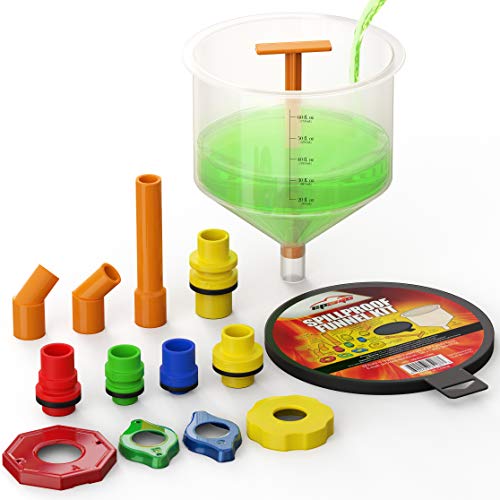
The two primary tool sets for bleeding a car radiator are the low-cost spill-proof funnel kit for traditional burping, and the more advanced vacuum fill kit, which is the most reliable method for preventing air locks. Selecting the correct tools is crucial, as the equipment chosen significantly impacts the speed and air removal efficiency of the entire vehicle coolant bleed steps. Experienced DIY mechanic guides often stress the effectiveness of a specialized spill-proof funnel kit. This funnel attaches directly to the radiator cap opening, creating a temporary overflow tank that elevates the fill point above the highest point of the cooling system components.
A high-quality spill-proof funnel kit is the simplest path to a complete air purge for most amateur mechanics. It facilitates refilling and minimizes the mess that often comes with bleeding. However, the most advanced, research-backed solution is the vacuum refill tool. This specialized pump uses compressed air to draw a deep vacuum in the car cooling system, which physically expands any trapped air, allowing it to be extracted entirely before any new coolant is added. The vacuum tool is the fastest way to remove air from coolant and guarantees reliable radiator performance immediately.
This table provides a comparison of the different bleeding methods available:
| Feature/Aspect | Method 1: Traditional (Cap Off) | Method 2: Spill-Proof Funnel | Method 3: Vacuum Fill Kit |
|---|---|---|---|
| Cost | Low (Minimal tools) | Medium (Kit required) | High (Specialized pump) |
| Skill Required | Basic/Intermediate | Intermediate | Intermediate/Advanced |
| Air Removal Efficiency | Moderate (Requires incline) | High (Aids air rise) | Highest (Guaranteed removal) |
| Air Lock Prevention | Low Risk Reduction | Medium Risk Reduction | High Risk Reduction |
| Time Investment | Long (45+ minutes running) | Medium (30-45 minutes) | Fast (15-20 minutes total) |
When considering coolant refiller alternatives, remember that a pressure testing kit is an essential complementary tool. While not used for bleeding, it is critical for diagnostic steps for air lock recurrence. If air continually enters the system, a pressure test can identify where coolant circulates through hoses or gaskets, confirming the system needs to be sealed before a proper bleed can occur.
What are the Essential Step-by-Step Procedures to Properly Bleed a Car Radiator?
To properly bleed a car radiator, ensure the engine is cold, attach a spill-proof funnel, start the engine and set the heater to maximum, allow the engine to reach operating temperature, and continue refilling coolant until air bubbles stop rising. This systematic approach ensures that the thermostat regulates coolant flow effectively and that the water pump moves coolant throughout all circulation passages, guaranteeing a complete coolant system bleed. These vehicle coolant bleed steps focus on the widely successful spill-proof funnel method.
Step 1: How Do You Prepare the Vehicle and Ensure Safety?
The crucial first step is ensuring the engine is completely cold to prevent severe burns, and parking the vehicle on an incline or using ramps can help move air pockets toward the radiator cap. Before proceeding with the manual car radiator bleed, locate your vehicle’s bleeder valve location, if one exists, and ensure all required tools are within reach. It is critical to perform these initial preparations for safety first automotive care.
- Position Vehicle: Park the front of the vehicle on ramps or a steep driveway. This slight tilt vehicle uphill makes the radiator neck the highest point in the entire cooling system, improving air rise toward the vent point.
- Heater Setting: Set the cabin temperature controls inside the car to maximum heat and the fan speed to low. This action opens the heater core inlet valve, ensuring that coolant circulates through the heater core, where air pockets frequently become trapped.
- Check Bleeder Valves: If your engine has specific bleeder screws (often small brass or plastic screws near the thermostat housing or upper radiator hoses), identify them. Leave them closed for now.
Never open a pressurized, hot system. Even if you use the spill-proof funnel kit, residual pressure can release scalding steam.
Step 2: How Do You Connect the Bleeding Equipment?
After removing the radiator cap, secure the correct adapter and attach the spill-proof funnel, ensuring a tight seal to allow coolant to be added safely. This step opens the cooling system, making it ready for the fluid addition and air venting. Always confirm the coolant reservoir level first, ensuring there is enough reserve fluid before opening the main system.
- Remove Cap and Attach Funnel: Carefully remove the radiator cap once the engine is cold. Select the correct rubber adapter from your spill-proof funnel kit and securely attach the funnel to the radiator neck.
- Add Coolant: Pour the prepared antifreeze mix into the funnel until the fluid level is about one-third full. The coolant needs to remain above the radiator neck to maintain hydrostatic pressure and push air out.
Step 3: How Do You Run the Engine and Burp the System?
Start the engine and allow it to run until the thermostat opens and the cooling fan cycles on twice, which confirms the coolant is circulating fully and the air has a chance to vent. The running engine generates heat, which causes the thermostat regulates coolant flow to the engine block. This is the period where the car radiator bleeding process actively forces the vent air pockets out of the system.
- Start and Idle: Start the engine and let it idle. Keep monitoring the temperature gauge. Never leave the running vehicle unattended during this process.
- Monitor Circulation: Once the engine reaches operating temperature (typically 15 to 20 minutes), the thermostat will open. You will observe the coolant level drop rapidly in the funnel, often accompanied by large air bubbles rising (the characteristic “burp radiator” action).
- Refill and Cycle: Continuously add coolant to the funnel to keep the level stable as the air releases. Wait for the radiator fan operation to cycle on and off at least two times, ensuring full thermal cycling. If you have bleeder screws, open them briefly until only coolant flows out, then immediately close them.
- Confirm Complete Purge: The process is complete when the coolant level stabilizes and no further gurgling noise from radiator repair or bubbles rise in the funnel over a 5-minute period. You should also confirm the heater core is functioning, with the cabin heat blowing consistently hot air.
Step 4: How Do You Close the System and Finalize the Coolant Level?
Once the air bubbles stop and the engine is safely cooled, remove the bleeding apparatus, restore the system pressure by replacing the radiator cap securely, and top up the coolant reservoir to the marked cold fill line. This finalizes the proper coolant circulation and prepares the vehicle for use. Replacing the radiator cap maintains pressure, which aids cooling efficiency and prevents boiling.
- Shut Down and Wait: Turn off the engine. Allow the engine to cool down completely, typically 30 to 60 minutes, before removing the funnel.
- Seal System: Once cool, remove the funnel and attach the radiator cap tightly.
- Final Check: Inspect the coolant reservoir (expansion tank). Top up the coolant reservoir to the marked “COLD FULL” line.
- Overnight Check: According to the factory service manual procedure, always check the coolant level the following morning when the engine is completely cold. Top up any low coolant level problem detected, as residual air may have continued to escape overnight, lowering the overall fluid volume.
How Do You Effectively Bleed a Car Radiator Without a Bleeder Valve?
Cars without a dedicated bleeder valve rely on gravity and circulation to “burp” the air out, a process best achieved by parking the vehicle on an incline and running the engine while using a spill-proof funnel attached to the radiator neck to guide rising air bubbles out safely. The absence of a bleeder valve means the car cooling system is designed to use the radiator cap opening as the primary venting point, which requires elevating the front of the vehicle to make this point the highest in the system.
Many modern and older vehicles do not feature a bleeder valve location, depending instead on robust flow and design to manage the vehicle cooling system purge. The key to effective air removal in these systems is minimizing turbulence and allowing air to rise slowly.
Here are the steps for the non-valve ‘burping’ method:
- Elevate the Fill Point: Follow Step 1 by parking the vehicle on the steepest incline possible. This forces the air—which naturally seeks the highest point—to consolidate at the radiator neck.
- Install the Funnel: Securely install the spill-proof funnel kit. This essential tool provides containment and adds a necessary fluid head, which helps push the air out as the coolant moves through the circulation system.
- Set Heater and Start: Turn the cabin heater to maximum heat, start the engine, and allow it to idle until it reaches operating temperature.
- Observe and Maintain: Keep the funnel at least one-third full and observe the coolant. As the thermostat regulates coolant flow and the water pump moves coolant, air bubbles will rise through the funnel. Gently revving the engine occasionally (e.g., to 2,500 RPM for 30 seconds) can sometimes help dislodge stubborn air pockets from the engine block.
- Seal: Once air stops escaping and the cooling fan cycles twice, turn off the engine and let it cool completely before removing the funnel and restoring the radiator cap.
Using the spill-proof funnel is the most recommended way to burp a car radiator at home without a specialized vacuum pump, as it simplifies coolant refilling and prevents overflow, making the process cleaner and safer.
What Are the Definitive Signs of an Airlock, and How Do You Remove Trapped Air Pockets?
The three primary signs of an air lock in the cooling system are the engine overheating, a significant reduction in cabin heating, and gurgling or sloshing noises from the dashboard or engine bay. An airlock is essentially a large air pocket trapped within the engine or heater core that prevents the movement of engine coolant. Since air reduces cooling efficiency, the lack of proper coolant circulation leads to extreme temperature fluctuations.
Symptoms of an Airlock (Air in Cooling System Fix):
- Poor or Intermittent Heat Output: The air blocks hot coolant from reaching the heater core, resulting in cold air blowing into the cabin, even when the temperature control is set to maximum heat. This is a tell-tale sign of an air lock, especially after coolant maintenance.
- Engine Overheating: Because air impedes heat transfer, the coolant temperature sensor may read normal in the radiator, but the engine block itself is running dangerously hot, potentially leading to critical air pocket removal issues.
- Gurgling Noise from Radiator Repair: You may hear a distinct sloshing or gurgling noise coming from the area of the heater core, often located behind the dashboard or firewall, as the water pump attempts to move fluid through air.
- Coolant Level Fluctuations: The fluid level in the reservoir may rapidly drop or surge when the engine is running or shut off, indicating compression and decompression of trapped air.
The most reliable fix for an air lock is to perform a full system bleed, often utilizing a vacuum filler or a spill-proof funnel to guarantee air extraction from the highest points of the engine and heater core. To remove air lock from car cooling system, you must achieve complete, continuous coolant flow.
Rapid Removal Techniques:
- Repeat the Uphill Funnel Method: If symptoms persist, repeat the full bleeding procedure, ensuring the front of the vehicle is highly elevated. This is often necessary for stubborn air locks trapped in high-mounted components.
- Squeeze Hoses: With the engine running (and the funnel attached), gently squeeze the upper and lower radiator hoses repeatedly. This mechanical pressure can help force small air bubbles to move toward the radiator cap opening to vent air pockets.
- Check Bleeder Screws: If your vehicle has bleeder screws, open them briefly one at a time while the engine is running and the funnel is attached, until coolant flows out steadily without foam or air.
Why is the Car Still Overheating After Bleeding the Radiator, and What Should You Troubleshoot?
If the car continues to overheat immediately after a thorough bleeding process, the most likely culprits are a stuck thermostat, a faulty radiator fan, or an undetected external or internal coolant leak. Engine overheating is a serious issue. If you have followed all proper cooling system bleed car steps and air lock removal guide instructions, the root of the problem shifts from air to component failure or system integrity issues. This requires advanced troubleshooting and diagnostic steps for air lock recurrence.
Here is a structured troubleshooting checklist for post-bleed failure:
- Verify Thermostat Function: A faulty thermostat regulates coolant flow poorly, often remaining stuck closed. This prevents the large volume of coolant in the radiator from circulating into the engine block, causing rapid overheating. Check if the upper radiator hose gets hot, while the lower hose remains cold, indicating a thermostat problem.
- Inspect the Radiator Fan Operation: The radiator fan operation is critical when the car is idling or moving slowly. Run the engine with the A/C on high; the fan should turn on immediately. If the fan does not cycle or runs weakly, the car will overheat at low speeds.
- Check for Low Coolant Level Problem: If coolant continues to disappear, you have an undetected leak. Look for signs of coolant loss mystery, such as colored residue near hose clamps, the water pump, or the radiator itself. Use a pressure testing kit, a recommended bleeding solution from expert guides, to confirm system integrity by pressurizing the cold system and watching for pressure decay.
- Diagnose Internal Leaks: The most serious cause of persistent overheating is often a failing head gasket, which allows combustion gases to escape into the cooling system. This continuous gas introduction prevents the coolant from settling and causes the system to over-pressurize and rapidly overheat, even after an effective bleed. The presence of oil in the coolant or white smoke from the exhaust can be warning signs.
- Check Water Pump: A failing water pump may still turn, but a corroded or damaged impeller will fail to adequately move coolant, preventing the smooth coolant flow necessary for heat dissipation. Signs of a failing water pump include whining noises or fluid leaks from the pump shaft.
If you suspect any of these mechanical failures, consulting a professional car maintenance service is essential. Continuing to drive an overheating car can lead to catastrophic engine damage.
FAQs About How to Bleed a Radiator in a Car
What are the signs of air still in a car radiator after bleeding?
The most common indication that air remains trapped in your car’s cooling system is experiencing poor or intermittent heat from the cabin vents, especially while driving. Other major signs include the engine temperature gauge fluctuating erratically, recurring overheating shortly after the bleed process, and persistent gurgling or sloshing noises heard from the dashboard or engine bay. These symptoms confirm that air is still impeding coolant flow, often preventing full circulation through the heater core.
What is the best way to bleed a car’s cooling system?
While the traditional manual method works, the most efficient and guaranteed method for bleeding a modern car is using a specialized coolant vacuum fill kit. This advanced tool draws a deep vacuum on the cooling system before the coolant is introduced, eliminating virtually all air pockets prior to filling. For DIY mechanics seeking a balance of cost and efficiency, the spill-proof funnel kit is highly recommended as it facilitates the manual “burping” process safely and cleanly.
How long does it take to bleed a radiator in a car?
A complete, proper radiator bleed can typically take between 30 minutes to an hour, depending on the complexity of the vehicle’s cooling system and the method used. The majority of this time is spent waiting for the engine to reach and maintain operating temperature—allowing the thermostat to open and the cooling fan to cycle—which is essential for forcing trapped air out. Using a vacuum fill kit significantly reduces the active time required.
Can I bleed my car radiator by myself?
Yes, bleeding a car radiator is a highly common DIY maintenance task that can be performed by most car owners and amateur mechanics. The process requires only basic tools and careful attention to safety instructions, particularly ensuring the engine is cold before removing the cap. Using a spill-proof funnel kit is strongly advised for solo DIY bleeding to manage coolant levels and prevent spills effectively.
What causes air to get trapped in the car cooling system?
Air most commonly enters the cooling system whenever a component is opened, such as during a radiator replacement, hose change, or thermostat replacement. Additionally, persistent air or combustion gases can enter the system if there are underlying issues like a failing head gasket, which allows compression gases to leak into the coolant passages. It is crucial to refill the coolant slowly and bleed thoroughly after any maintenance.
What should happen when you bleed a radiator?
During the bleeding process, the coolant level inside the funnel or radiator neck will initially drop as air is expelled, and visible air bubbles will rise and dissipate. The engine temperature gauge should rise smoothly to the normal operating range, and the cabin heater should begin blowing consistent, hot air once the thermostat opens and full circulation is established. The process is complete when no more bubbles rise.
How to bleed a car radiator after replacing a thermostat?
After replacing the thermostat, follow the standard bleeding procedure precisely, paying extra attention to the thermostat opening step, as this is where air often gets trapped. Run the engine until the temperature gauge settles and the upper radiator hose is hot, confirming the new thermostat has opened. This allows coolant to circulate through the new components and force any air trapped around the thermostat housing out.
What if my car has no radiator cap, only a coolant reservoir cap?
If your vehicle uses a sealed system with only a pressurized coolant reservoir (or expansion tank) cap, you will bleed the system through that reservoir neck. Ensure you use the correct spill-proof funnel adapter for the reservoir opening. Since the reservoir is typically the highest point in the system, it is designed to manage air removal, but the vacuum fill kit remains the most effective way to guarantee a complete air purge in these closed systems.
Can I use water instead of coolant to bleed the system?
While you can temporarily use distilled water to test the bleed process, it is critical to use the correct 50/50 coolant (antifreeze and water) mixture for the final fill. Antifreeze contains necessary corrosion inhibitors, lubricants for the water pump, and raises the boiling point of the fluid, preventing engine damage and ensuring long-term cooling system health. Using plain water long-term can lead to rust and decreased performance.
What happens if you don’t bleed your car’s radiator properly?
Failure to properly bleed the system can result in persistent air pockets that lead to severely inefficient cooling, potential overheating, and damage to the engine and its components. Air bubbles disrupt the flow and heat transfer properties of the coolant, potentially causing localized hot spots, especially near the cylinder heads. This can reduce the lifespan of the engine and compromise the effectiveness of the heater core.
Key Takeaways: How to Bleed a Radiator in a Car
- Safety is Non-Negotiable – Always start the bleeding procedure on a completely cold engine and never attempt to remove a hot radiator cap, as sudden release of pressure can cause severe scalding from superheated coolant.
Airlocks Cause Overheating – Air pockets, or air locks, significantly impede the cooling system’s ability to transfer heat and are a frequent cause of engine overheating and poor cabin heating, requiring immediate removal through venting.
Tools Determine Efficiency – The vacuum fill kit provides the fastest and most efficient way to ensure a complete air purge, while a spill-proof funnel kit is the best option for the manual burping technique.
The Process Requires Patience – Running the engine until the cooling fan cycles twice is essential to ensure the thermostat opens fully, allowing coolant to circulate through the entire system and expel trapped air from the heater core.
Check the Heater Core – A primary diagnostic sign of a successful bleed is the cabin heater blowing consistently hot air, indicating that coolant is successfully circulating through the entire system without blockage from air.
Troubleshoot Persistent Issues – If overheating persists after a thorough bleed, the root cause is likely mechanical, such as a failing thermostat, a non-functional radiator fan, or a coolant leak, requiring further diagnosis and specialized pressure testing.
Maintain Fluid Levels – Always top up the coolant reservoir to the cold fill line and check the level again the morning after the bleed process, as residual air may continue to vent overnight.
Final Thoughts
Mastering the process of how to bleed a radiator in a car is a critical skill for preventative automotive maintenance. The presence of air in the vehicle cooling system purge reduces heat transfer efficiency and puts your engine at risk of overheating. Our experienced DIY mechanic guide confirms that understanding the relationship between air and engine damage is key to successful maintenance.
Whether you opt for the efficiency of the vacuum tool or the simplicity of the spill-proof funnel, the meticulous, step-by-step procedure is your defense against harmful air locks. By systematically working through the process, ensuring the thermostat opens, and monitoring the coolant flow, you guarantee optimal engine cooling and reliable radiator performance. Remember to always prioritize safety and, if overheating persists, shift your focus immediately to the mechanical components, such as the water pump or radiator cap function. By integrating these technical specifications and best practices into your routine, you are ensuring the longevity and optimal thermal management of your vehicle for years to come.
Last update on 2026-03-14 / Affiliate links / Images from Amazon Product Advertising API