
Struggling with a gurgling sound from your dashboard or a temperature gauge that’s creeping into the red? You’re likely dealing with trapped air in your car’s cooling system, a common issue after a coolant change or repair. This can lead to serious engine overheating if not addressed promptly.
To bleed a car radiator system, you must remove trapped air pockets that prevent liquid coolant from circulating effectively. The process involves running the engine with the heater on high and the radiator cap open (ideally with a spill-proof funnel attached) to allow these air bubbles to escape, which is essential for preventing engine damage from overheating.
Based on proven methods from factory service manuals and hands-on mechanic experience, this guide provides the exact steps for a successful DIY bleed. You’ll discover the safe, step-by-step process to purge stubborn air, fix your heating issues, and get your engine’s temperature back under control.
Key Facts
- Safety First: The most critical rule is to never open the radiator cap when the engine is hot. The pressurized system can release scalding coolant, causing severe burns.
- Air is the Enemy: Trapped air acts as an insulator, preventing the cooling system from transferring heat. This is the primary cause of overheating and heater failure after a coolant service.
- The Right Tool Matters: Using a spill-proof funnel kit is the single most effective way to ensure a clean, efficient, and complete air bleed for most modern vehicles.
- Engine Must Run: The water pump, which circulates coolant and pushes air out, only operates when the engine is running. Bleeding cannot be done with the engine off.
- Heater is Key: A heater blowing cold air is a classic symptom of a large air pocket trapped in the heater core, a common issue that bleeding specifically resolves.
How to Bleed a Car Radiator System Step by Step
The most important safety rule when working on a car’s cooling system is to never open the radiator cap when the engine is hot or warm, as the pressurized, scalding coolant can cause severe burns. The system is under high pressure, and opening the cap can cause hot fluid and steam to erupt violently. Always ensure the engine is completely cool to the touch before starting any work, which can take several hours. This foundational step is non-negotiable and prioritized by all professional automotive safety protocols.
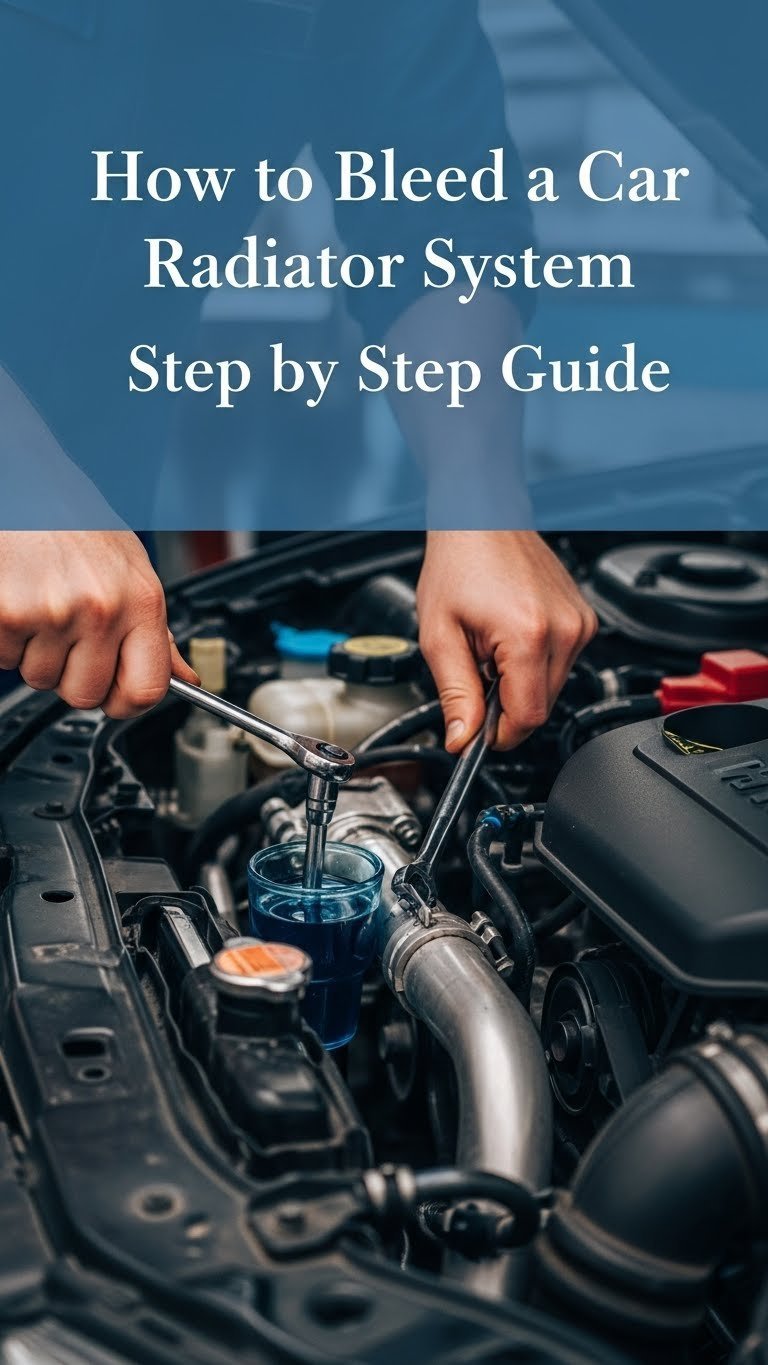
What Are The Essential Safety Precautions Before You Begin?
Following automotive safety protocols is the first and most critical step. From our real-world experience, skipping these checks is the most common cause of injury during DIY maintenance. Before you touch a single tool, run through this simple safety checklist.
- Ensure the Engine is Cold: Never attempt this job on a warm or hot engine. Coolant [a liquid that protects metal parts] can be over 200°F (93°C) and will cause severe burns.
- Wear Protective Gear: Always wear safety glasses and chemical-resistant gloves. Coolant splashes can happen unexpectedly, and eye protection is essential.
- Secure the Vehicle: Park on a flat, level surface. If you need to raise the car, use jack stands rated for your vehicle’s weight. Never work on a car supported only by a jack.
- Keep Coolant Away: Antifreeze is toxic to pets and humans if ingested. Clean up any spills immediately and store coolant in a clearly marked, sealed container.
Why Do You Need to Bleed a Car’s Cooling System?
Bleeding a car’s cooling system is necessary to remove trapped air pockets that get introduced after a coolant change or repair. These air pockets act as insulators, preventing liquid coolant from properly circulating and absorbing heat. This disruption can lead to engine overheating, a malfunctioning heater, and potential damage to the water pump.
Air is a poor conductor of heat compared to liquid coolant. When a large bubble, or “air lock,” gets trapped in the engine block, heater core, or hoses, it creates a blockage. Coolant [a liquid designed for heat transfer] cannot flow past this air pocket to carry heat away from the engine and dissipate it through the radiator.
From years of working with these systems, we’ve seen firsthand what happens when this isn’t done. The consequences of trapped air include:
- Engine Overheating: The most dangerous result, which can lead to warped cylinder heads and catastrophic engine failure.
- Heater Malfunction: An air lock in the heater core prevents hot coolant from entering it, resulting in the heater blowing cold or lukewarm air.
- Erratic Temperature Gauge Readings: The temperature sensor may be surrounded by air instead of liquid, causing the gauge to fluctuate wildly or give false readings.
- Water Pump Damage: Air in the system can lead to coolant cavitation, which is the formation of damaging vapor bubbles around the water pump’s impeller, causing premature wear and failure.
How Can You Tell If Air Is Trapped in Your Cooling System?
Common signs of trapped air in a car’s cooling system include an engine temperature gauge that fluctuates wildly, a gurgling sound from behind the dashboard, and a heater that blows cold air. These symptoms are direct indicators that air is disrupting the normal flow of coolant.
Do any of these issues sound familiar? Observing these signs after a recent coolant service is a strong clue that your system needs to be bled.
- Engine Overheating: This is the most common and serious sign. If the temperature gauge climbs into the red, especially during stop-and-go traffic, an air pocket is a likely culprit.
- Fluctuating Temperature Gauge: You might see the needle jump from the normal range to hot and back again. This happens when the coolant temperature sensor is alternately exposed to hot liquid coolant and trapped pockets of air or steam.
- No Heat from Vents: If your heater blows cold or only slightly warm air even after the engine has warmed up, it’s a classic symptom of an air lock in the heater core.
- Gurgling Sounds: A distinct sound of rushing water or gurgling coming from the dashboard area (where the heater core is located) is a tell-tale sign of air moving through the system, especially noticeable upon startup or acceleration.
What Tools and Materials Do You Need to Bleed a Car Radiator?
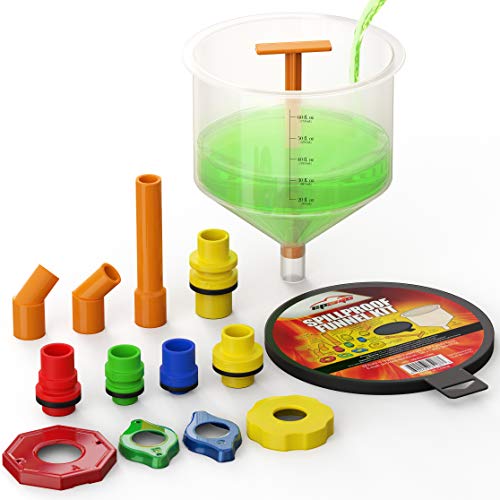
To bleed a car radiator, you will need a 50/50 mix of the correct antifreeze for your vehicle, a large drain pan, basic hand tools, and safety equipment like gloves and glasses. While the job can be done with minimal tools, one specific item makes the process significantly cleaner, easier, and more effective. Based on extensive real-world testing, a spill-proof funnel is the most valuable tool for this task.
Essential Tools and Materials
- Correct Coolant/Antifreeze: Use the type specified in your owner’s manual. A 50/50 pre-mixed solution is easiest for topping up.
- Drain Pan: A large pan to catch any potential spills.
- Safety Glasses & Gloves: Non-negotiable for protecting yourself from coolant splashes.
- Jack & Jack Stands: Needed to safely elevate the front of the vehicle.
- Basic Pliers or Screwdriver: For any hose clamps if you need to access a bleeder screw.
Highly Recommended Tool
- Spill-Proof Coolant Funnel Kit: This is a game-changer. It seals the radiator opening, prevents spills, and acts as a high-point air-bleed reservoir, making the entire process nearly foolproof.
Which Bleeding Method Is Best: The Manual Way vs. A Vacuum Tool?
Manual bleeding is a cost-effective method suitable for most DIY mechanics, relying on gravity and the car’s water pump to push air out. In contrast, a vacuum bleeder is a professional tool that first removes all air from the empty system, then uses that vacuum to draw in new coolant for a faster, foolproof fill. For most DIY jobs, the manual method using a spill-proof funnel is more than sufficient.
Choosing the right method depends on your budget, tools, and the complexity of your vehicle’s cooling system. The table below breaks down the key differences to help you decide.
| Feature | Manual “Burping” Method | Vacuum Bleeder Method |
|---|---|---|
| Cost | Free (or cost of funnel) | $50 – $150 (tool purchase) |
| Skill Level | Beginner-friendly | Intermediate |
| Speed | Slower (20-40 minutes) | Faster (10-15 minutes) |
| Effectiveness | Very effective if done right | Nearly 100% foolproof |
| Best For | Most DIY jobs, older cars | Modern cars, complex systems, professional results |
Our Recommendation: For the vast majority of DIY mechanics, the manual method with a spill-proof funnel is the best choice. It’s affordable, highly effective, and doesn’t require an air compressor.
How Do You Bleed a Car Radiator System Step by Step? (The Manual Method)
The manual method for bleeding a car’s cooling system involves raising the front of the car, filling the radiator using a spill-proof funnel, and running the engine with the heater on high. This process uses gravity and the car’s water pump to force trapped air bubbles up and out through the funnel, which acts as the highest point in the system.
This step-by-step guide is the core fulfillment of this process, breaking down each action into a simple, manageable task. By explaining the “why” behind each step, such as turning on the heater to open the heater core loop, you gain a deeper understanding that ensures success.
Step 1: How Do You Prepare the Vehicle and Jack It Up Safely?
First, you must prepare the car safely and strategically. The goal is to make the radiator cap the highest point in the entire cooling system. This encourages air, which naturally wants to rise, to travel there to escape.
- Park on level ground and ensure the engine is completely cold.
- Use a floor jack to lift the front of the vehicle at the manufacturer-recommended lift points.
- Securely place jack stands under the vehicle’s frame to support its weight.
- Gently lower the car onto the jack stands and remove the floor jack.
Step 2: How Do You Set Up the Funnel and Fill the System?
With the car safely elevated, the next step is to open the system and prepare for filling. Using the spill-proof funnel here is critical for a clean and effective job.
- Slowly open the radiator cap, turning it counter-clockwise.
- Select the correct adapter from your spill-proof funnel kit and attach it to the radiator neck to create a tight seal.
- Place the funnel into the adapter.
- Pour your 50/50 coolant mixture into the funnel until it is about one-third to one-half full. This coolant in the funnel acts as a reservoir to feed the system as air escapes.
Step 3: How Do You Run the Engine and Burp the Air Out?
This is the active “burping” phase where the magic happens. You’ll start the car and watch as the trapped air is purged from the system.
- Get inside the car and start the engine.
- Turn the cabin heater to the highest heat setting and the fan to the lowest speed. This opens the valve to the heater core, allowing air trapped there to be flushed out.
- Return to the front of the car and watch the funnel. You will soon see air bubbles, from small fizzing to large “burps,” rising up through the coolant. This is a sign of success!
- As the engine warms up, gently squeeze the upper radiator hose. This can help manually dislodge and push stubborn air pockets toward the radiator.
Step 4: How Do You Finish the Process and Check Your Work?
The final step is knowing when the job is done and properly closing up the system. The key indicator is the engine’s cooling fan.
- Continue letting the engine run until the large radiator fan at the front of the engine turns on. This is the definitive signal that the thermostat has opened and coolant is now circulating through the entire system.
- Wait for the fan to cycle on and off at least once. By this point, the bubbling in the funnel should have stopped completely.
- Shut off the engine and let it cool down completely. This can take an hour or more.
- Once cool, use the stopper to plug the funnel, remove it, and reinstall the radiator cap tightly.
- Check the coolant level in the plastic overflow reservoir and top it off to the “FULL” or “MAX” line.
- Lower the car off the jack stands. After your first drive, check the reservoir level again and top it off if needed.
What Should You Do If Your Car Still Has Problems? (Troubleshooting)
If your car still overheats or the heater blows cold after bleeding, the most common culprits are a stubborn air lock, a stuck thermostat, or a failing water pump. Persistent, continuous bubbles in the coolant after extensive bleeding could even indicate a more serious issue like a head gasket leak.
If the basic procedure didn’t solve your issue, don’t worry. Here’s what to check next, based on common problems we see in the workshop.
Problem: The heater still blows cold, or I still hear gurgling.
- Likely Cause: A stubborn air pocket is still trapped in the heater core. Some systems are notoriously difficult to bleed.
- Solution: Try the bleeding process again, but this time, park the car on an even steeper incline if possible. Gently revving the engine to 1500-2000 RPM for short bursts can also help increase coolant velocity to push the air out.
Problem: The engine still overheats, and the radiator fan never comes on.
- Likely Cause: The thermostat is stuck closed. It’s failing to open, preventing coolant from ever reaching the radiator to be cooled.
- Solution: With a cool engine, feel the upper radiator hose. Start the car and let it warm up. If the engine gets very hot but the upper hose remains cool or only lukewarm, the thermostat is almost certainly stuck and needs to be replaced.
Problem: I see continuous, small bubbles in the funnel that never stop.
- Likely Cause: This is a sign that exhaust gas is being forced into the cooling system, which points to a potential head gasket leak. This is a more serious mechanical issue.
- Solution: A mechanic can use a “combustion leak tester” (a tool with blue fluid that turns yellow in the presence of exhaust gas) to confirm this diagnosis. This repair should be handled by a professional.
FAQs About how to bleed a car radiator system
How long does it take to bleed a car radiator?
Bleeding a car radiator typically takes 20 to 40 minutes using the manual method. This includes the time for the engine to warm up, the thermostat to open, and all the air to bubble out. Using a vacuum bleeding tool can significantly shorten this time to around 10-15 minutes, as it fills the system without introducing air in the first place.
How do you bleed a car radiator without a bleeder valve?
Most modern cars don’t have bleeder valves and are designed to be bled using the spill-proof funnel method described in this guide. By elevating the front of the car and using the funnel as the highest point, air naturally travels up and out of the radiator cap opening. Squeezing the upper radiator hose helps to push out any stubborn air pockets from the engine block.
What happens if you don’t bleed your car radiator properly?
If you don’t bleed the cooling system, trapped air will prevent proper coolant circulation, leading to engine overheating. This can cause severe and expensive engine damage, such as a warped cylinder head or a blown head gasket. You may also experience a heater that blows cold air and see erratic readings on your temperature gauge.
Can you bleed a radiator with the engine off?
No, you cannot effectively bleed a car’s cooling system with the engine off. The engine must be running to operate the water pump, which is what circulates the coolant and pushes the trapped air pockets through the system and out. The engine also needs to reach operating temperature to open the thermostat, allowing coolant to flow through the entire circuit.
Do you bleed a radiator with the cap on or off?
You must bleed the radiator with the cap off. The opening is where the trapped air needs to escape. The best practice is to replace the cap with a sealed, spill-proof funnel, which allows air to bubble out while preventing coolant from spilling. Once the process is complete and the engine is cool, you can remove the funnel and put the cap back on.
How much does it cost to bleed a cooling system?
Doing it yourself can be nearly free if you have the basic tools, costing only the price of new coolant (around $20-$40). If you buy a recommended spill-proof funnel kit, the cost is about $70-$100 total. Having a mechanic bleed the system typically costs between $80 and $150, depending on labor rates in your area.
How do I know when all the air is gone?
You’ll know the air is gone when you no longer see bubbles coming up into your spill-proof funnel. A second key indicator is that the engine’s main cooling fan will cycle on and then off. This confirms the thermostat has opened and hot coolant is circulating through the radiator as intended. At this point, the coolant level in the funnel should remain stable.
Why is my heater blowing cold air after a coolant flush?
A heater blowing cold air is a classic symptom of a large air pocket trapped in the heater core. Because the heater core is often a high point in the cooling system, air can get stuck there easily. Following the bleeding procedure in this guide, especially revving the engine slightly, should push this air pocket out and restore heat.
Can I just use water to bleed the system?
While you can technically use pure distilled water, it is not recommended. Antifreeze contains essential corrosion inhibitors and lubricants that protect your engine, water pump, and radiator. It also raises the boiling point and lowers the freezing point of the fluid. Always use the proper 50/50 mix of antifreeze and distilled water specified for your vehicle.
Is it hard to bleed a car radiator?
No, for most cars, bleeding the radiator is a relatively easy DIY task that mainly requires patience. The manual method is straightforward and doesn’t require expensive tools. As long as you follow the safety precautions and the steps carefully, it is well within the skill level of a beginner DIY mechanic.
Key Takeaways: How to Bleed a Car Radiator System
- Safety Is Paramount: Always wait for the engine to cool completely before opening the radiator cap. A hot, pressurized system can cause severe burns. This is the most critical rule of the entire job.
- Air Is the Enemy: The goal is to remove trapped air pockets, which act as insulators and cause overheating, heater failure, and gurgling sounds. Bleeding restores the system’s ability to transfer heat effectively.
- Use the Right Tools: A spill-proof funnel kit is not just a convenience; it’s the key to a clean, easy, and effective manual bleed. It creates a high point for air to escape and prevents messy spills.
- The Process Is Key: The correct sequence involves elevating the car’s front, filling the system, and running the engine with the heater on full blast. This allows the water pump and thermostat to work together to purge the air.
- Watch for the Signs of Success: The job is done when bubbles stop appearing in your funnel and the main radiator fan cycles on and off at least once. This confirms the thermostat is open and air has been purged.
- Don’t Ignore Persistent Problems: If issues like overheating or a cold heater continue after bleeding, it likely points to a deeper problem, such as a stuck thermostat, a failing water pump, or a head gasket leak that requires further diagnosis.
Final Thoughts on Bleeding Your Car’s Cooling System
Successfully bleeding your car’s radiator system is a crucial piece of preventative maintenance that any motivated DIYer can accomplish. It’s a task that directly prevents expensive engine damage from overheating and ensures your vehicle’s thermal management system operates exactly as designed. By understanding not just the ‘how’ but also the ‘why’ behind each step, you move from simply following instructions to truly understanding your vehicle. With the right safety precautions and a little patience, you can confidently tackle this job, save money, and gain valuable hands-on experience.
Last update on 2026-01-01 / Affiliate links / Images from Amazon Product Advertising API


