
Wondering how often you should change your car brakes? You’re not alone, as it’s a critical question for your safety and budget. Many drivers struggle with the mixed signals and wide mileage ranges they find online.
As a general rule, car brake pads last 25,000 to 65,000 miles and rotors last 30,000 to 70,000 miles. However, this range varies significantly based on your driving style, vehicle, and the type of brake components installed. A professional inspection is the best way to get a precise assessment.
Based on extensive analysis of industry data and hands-on experience, this guide breaks down the lifespan of each part of your brake system. You will discover the specific warning signs to watch for and learn how your driving habits directly impact your maintenance schedule, empowering you to make informed decisions.
Key Facts
- Component Lifespans Differ: Brake pads, rotors, and fluid wear out at different rates; pads are replaced most frequently (every 25,000-65,000 miles), while fluid is changed based on time (every 2-3 years).
- Driving Habits are Key: City driving with frequent stop-and-go traffic can wear out brakes up to 50% faster than smooth highway driving.
- Listen for Noises: A high-pitched squeal is an early warning from a built-in indicator, but a grinding sound means metal is scraping metal, indicating a severe and unsafe condition.
- Brake Fluid is Hygroscopic: Brake fluid naturally absorbs moisture from the air, which lowers its boiling point and can lead to a spongy pedal or complete brake failure under heavy use.
- Front Brakes Wear Faster: Roughly 70% of the braking force is handled by the front brakes, causing them to wear out nearly twice as fast as the rear brakes.
How Often Should I Change My Car Brakes?
The replacement interval for your car’s brakes depends entirely on which component is worn out. A complete automotive braking system consists of several parts that wear at different rates. Understanding these differences is the key to proper maintenance. Your vehicle owner’s manual provides the most accurate schedule, but a professional inspection by an ASE certified technician offers definitive guidance.

There is no single answer for the entire brake system, so it’s best to think about it in terms of its three main wearable parts. Each has its own typical lifespan based on mileage or time. But do you know the specific signs of wear for each part?
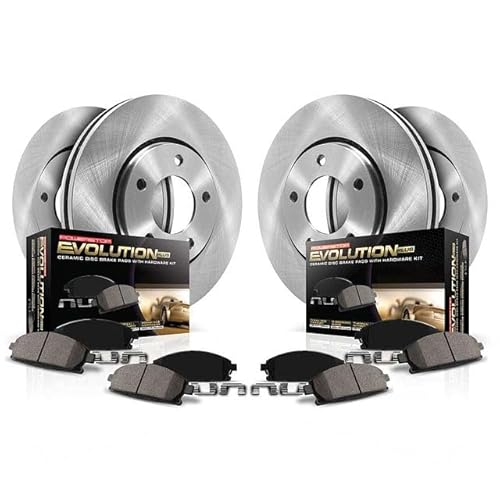
- Brake Pads: These friction components are replaced most often, typically every 25,000 to 65,000 miles.
- Brake Rotors: These discs are more durable, usually lasting 30,000 to 70,000 miles, but they can warp from heat.
- Brake Fluid: This is time-sensitive. It should be completely flushed and replaced every 2 to 3 years, regardless of how many miles you’ve driven.
What Are the 9 Critical Warning Signs You Need New Brakes?
The top warning signs you need new brakes are squealing or grinding noises, a vibrating steering wheel or brake pedal when you stop, your car pulling to one side, and a brake warning light on your dash. A burning smell or a soft, spongy pedal also indicates a serious problem that requires immediate attention. Paying attention to these sensory cues is just as important as tracking mileage.
1. High-Pitched Squealing Noise
A consistent, high-pitched squeal when you apply the brakes is the most common early warning sign. This sound is intentionally designed. Most brake pads have a small metal tab called a “wear indicator.” When the pad material wears down to a certain thinness, this tab makes contact with the metal rotor, creating a squeal to alert you that it’s time for a replacement.
2. Deep Grinding Sound
A harsh, low-pitched grinding or growling sound is a critical warning. This noise means the brake pad’s friction material is completely gone, and the metal backing plate of the pad is now grinding directly against the metal rotor. This metal-on-metal contact causes significant damage, dramatically increases repair costs, and severely compromises your ability to stop safely. If you hear this, stop driving and have your vehicle inspected immediately.
3. Vibration or Pulsation
If you feel a shaking or pulsing sensation in the brake pedal or steering wheel when you slow down, you likely have warped brake rotors. Brake rotors are large metal discs that can become uneven due to intense heat from heavy braking. This uneven surface causes the vibration as the brake pads press against it. While the car may still stop, this issue increases stopping distances and puts extra stress on your entire suspension.
4. Soft or Spongy Brake Pedal
A brake pedal that feels soft, mushy, or sinks to the floor when pressed is a sign of a serious problem in the hydraulic system. This often means there is air or moisture in the brake lines, or there could be a brake fluid leak. Because your brakes operate on hydraulic pressure, a spongy pedal indicates that the system is not able to build the force needed to stop your car effectively. This requires immediate professional diagnosis.
5. Car Pulls to One Side
If your car noticeably pulls to the left or right when you apply the brakes, it points to an uneven braking force. This is often caused by a stuck brake caliper that isn’t applying or releasing pressure correctly on one wheel. It could also be due to a collapsed brake hose or unevenly worn pads. This is a dangerous situation as it makes the vehicle unstable during braking.
6. Burning Smell
A sharp, chemical odor after repeated hard braking can be a sign of overheated brakes. If you notice this smell, especially when driving downhill, pull over to a safe location and let your brakes cool. If the smell is persistent and comes from a specific wheel, it could mean you have a seized brake caliper, which is unsafe to drive on.
7. Brake Warning Light is On
Never ignore a brake warning light on your dashboard. This light, which can say “BRAKE” or show an icon, indicates that the vehicle’s onboard computer has detected a fault in the brake system. The issue could be as simple as low brake fluid or as serious as a failure in the anti-lock braking system (ABS).
8. Reduced Responsiveness or Longer Stopping Distance
If you notice that it’s taking longer to stop your car than it used to, your brakes are likely worn. This symptom can be subtle and develop gradually, so it’s easy to overlook. Any perceived change in your car’s stopping power is a clear signal that your brake system needs a thorough inspection.
9. Visible Thinness of Pads
You can often perform a quick visual inspection of your brake pads. Look through the spokes of your wheel at the brake caliper assembly. The brake pad is the friction material pressed against the shiny metal rotor. If the pad material looks to be less than a quarter-inch (about 6mm) thick, it’s time to schedule a service.
Brake Symptom Troubleshooter
| Symptom | What It Feels/Sounds Like | Likely Cause & Severity |
|---|---|---|
| Squealing Noise | A high-pitched squeak when braking. | Medium: Brake pad wear indicators are exposed. Time to schedule a replacement. |
| Grinding Sound | A low-pitched, harsh scraping or grinding. | High: Brake pads are completely worn; metal caliper is grinding on the metal rotor. Stop driving if possible. |
| Pedal Vibration | A pulsing or shaking felt in the brake pedal. | Medium-High: Warped brake rotors. The surface is uneven, causing vibration. |
| Spongy Pedal | The brake pedal feels soft or sinks to the floor. | High: Air or moisture in the brake lines, or a brake fluid leak. Immediate inspection needed. |
| Brake Warning Light | The ‘BRAKE’ or ‘ABS’ light is on. | High: System has detected a problem. Could be low fluid or an ABS fault. |
How Often Should You Replace Brake Pads?
You should replace brake pads when their thickness reaches about 3-4 millimeters, which typically occurs every 25,000 to 65,000 miles. Most pads have a built-in metal wear indicator that makes a high-pitched squeal at this point. From our testing and experience, this squeal is the most reliable non-visual indicator for a daily driver. The exact mileage varies greatly depending on the pad material.
- Ceramic Brake Pads: Known for being quiet and producing less dust, these pads are gentle on rotors and often last the longest, making them a great choice for daily commuting.
- Semi-Metallic Brake Pads: These contain metal fibers that help dissipate heat. They offer excellent performance, especially for heavier vehicles or more aggressive driving, but can wear rotors faster.
- Organic Brake Pads: Made from non-metallic materials, these are the softest and quietest but also wear out the fastest.
How Often Should You Replace Brake Rotors?
Brake rotors are typically replaced every 30,000 to 70,000 miles, often during every second brake pad change. Unlike pads, rotors are replaced due to warping or being worn too thin. If they cause a vibration but are still thick enough, they can sometimes be resurfaced, a process that smooths the surface. If they are too thin, cracked, or heavily corroded, they must be replaced.
A mechanic will use a micrometer to measure the rotor’s thickness and compare it to the minimum thickness specification stamped on the rotor itself. Resurfacing is becoming less common as modern rotors are lighter and a full replacement ensures maximum safety and performance.
| Action | When It’s Done | Key Consideration |
|---|---|---|
| Resurface Rotors | When rotors have minor warping or surface glazing but are still thick. | A cheaper short-term option, but it can only be done once or twice before the rotor is too thin. |
| Replace Rotors | When rotors are below minimum thickness, cracked, or heavily corroded. | More expensive, but ensures maximum safety and performance. This is the standard procedure today. |
How Often Should You Change Brake Fluid?
Brake fluid should be changed every 2 to 3 years, regardless of mileage. This is because brake fluid is hygroscopic, a term meaning it naturally absorbs moisture from the air over time. This water contamination is a serious problem because it lowers the fluid’s boiling point. Under heavy braking, the heat can cause this water to boil, creating steam bubbles in your brake lines. These bubbles are compressible, leading to a “spongy” brake pedal and a dangerous loss of stopping power. A visual cue is the brake fluid color changing from clear or light amber to dark and murky.
How Do Driving Habits and Conditions Affect Brake Life?
City driving with frequent stops wears out brakes much faster than highway driving with consistent speeds. Your personal driving style is the single largest factor determining how long your brakes will last. To extend brake life, avoid sudden stops, maintain a safe following distance, and coast to slow down whenever possible instead of riding the brake pedal.
Every time you press the brakes, you convert momentum into heat through friction. Aggressive driving generates extreme heat, which accelerates the wear on pads and significantly increases the risk of warping rotors. Towing heavy loads or driving in mountainous terrain also puts immense strain on your brake system, shortening its lifespan.
| Driving Factor | Impact on Brakes | Expected Lifespan |
|---|---|---|
| City/Stop-and-Go | High Wear: Constant acceleration and braking generates significant heat and friction. | 25,000 – 40,000 miles |
| Highway/Freeway | Low Wear: Long periods of coasting with minimal braking. | 50,000 – 70,000+ miles |
| Aggressive Driving | Very High Wear: Hard, late braking creates extreme heat, accelerating pad wear and increasing risk of warped rotors. | Can be less than 20,000 miles |
| Towing/Hauling | High Wear: Increased vehicle weight requires more force (and creates more heat) to stop. | Reduced by 20-40% vs. normal |
FAQs About how often should i change my car brakes
Should I replace rotors with pads every time?
While not always mandatory, most mechanics recommend replacing rotors with brake pads. This ensures the new pads have a perfectly flat, clean surface to bed into, maximizing performance and preventing noise. Since labor is a large part of the cost, replacing both at once is often more cost-effective in the long run than paying for labor again to replace rotors later.
Do front or rear brakes wear out faster?
Front brakes almost always wear out faster than rear brakes. During braking, your car’s weight shifts forward, putting significantly more force and heat on the front brake components. As a result, you might replace your front brake pads two or even three times for every one time you replace the rears.
What is the difference between ceramic and semi-metallic brake pads?
Ceramic pads are quieter, produce less dust, and are gentler on rotors, while semi-metallic pads offer better performance in extreme heat and are often cheaper. Ceramic pads are great for daily commuting. Semi-metallic pads, which contain metal fibers, are better suited for heavy vehicles or performance driving due to their superior heat dissipation.
How much does a brake job cost?
The cost of a brake job varies widely, from a few hundred dollars to over $800 per axle. A simple pad replacement is on the lower end, while replacing pads, rotors, and calipers is much more expensive. The cost depends heavily on your vehicle model, the parts you choose (OEM vs. aftermarket), and local labor rates.
Can I drive with squeaking brakes?
You can usually drive with squeaking brakes for a short time, as the squeal is an early warning. The noise comes from a small metal tab called the wear indicator, designed to tell you it’s time to schedule a brake service soon. However, do not ignore it, as squeaking will eventually turn into a much more damaging grinding sound.
What happens if you wait too long to change brakes?
Waiting too long to change your brakes is extremely dangerous and costly. Worn-out pads can lead to a grinding noise, which means you are causing deep damage to the brake rotors. This dramatically increases the repair cost. In a worst-case scenario, it can lead to complete brake failure and a significant increase in your stopping distance.
How do I check my brake pad thickness?
You can often perform a visual inspection of your brake pads without removing the wheel. Look through the spaces in your wheel’s spokes to see the brake caliper gripping the rotor. The brake pad is the material pressed against the rotor. If the friction material appears to be less than 1/4 inch (about 6mm) thick, it’s time to have them inspected professionally.
Is a brake fluid flush necessary?
Yes, a brake fluid flush is a necessary maintenance item, typically every 2-3 years. Brake fluid is hygroscopic, meaning it absorbs water over time. This water lowers the fluid’s boiling point, which can cause your brake pedal to feel spongy and lead to brake failure under hard use. Flushing removes the old, contaminated fluid and replaces it.
Why does my car pull to one side when braking?
A car pulling to one side during braking is often caused by a stuck brake caliper. The caliper may not be applying or releasing pressure evenly on both sides, causing one wheel to brake harder than the other. It can also be caused by a collapsed brake hose or unevenly worn pads. This is a serious safety issue that needs immediate professional diagnosis.
Can brake rotors be resurfaced?
Yes, brake rotors can sometimes be resurfaced, but it’s becoming less common. Resurfacing (or “turning”) smooths out the rotor’s surface to fix minor warping or glazing. However, it can only be done if the rotor is still thick enough to remain above its minimum safety thickness after the process. Many modern, lighter rotors cannot be safely resurfaced and must be replaced.
Final Thoughts
Understanding your car’s brake maintenance schedule is about more than just following mileage recommendations; it’s about being proactive with your vehicle’s most important safety system. By recognizing that brake pads, rotors, and fluid all have unique lifespans, you can move beyond a one-size-fits-all approach. Paying attention to the sounds and feelings of your car provides the most accurate, real-time feedback on your brake health.
Ultimately, combining regular professional inspections with mindful driving habits gives you the power to ensure safety, manage costs, and extend the life of your brakes. The key is to address the small signs, like a squeal, before they become big problems, like a grind. Your car will tell you what it needs—you just have to listen.



![How Old To Rent A Car Iceland All Age Rules Explained For [year]](https://i0.wp.com/carxplorer.com/wp-content/uploads/2026/02/How-Old-To-Rent-A-Car-Iceland-All-Age-Rules-Explained-For-year-2.jpg?resize=60%2C60&ssl=1 "How Old To Rent A Car Iceland All Age Rules Explained For [year] 7")

