
Wondering how much wrap is needed for a car to get that perfect new look? You’re not alone; ordering the wrong amount is a costly, frustrating mistake. It’s the number one fear for any DIY wrapper.
As a general rule, a mid-size car requires approximately 60-70 feet of vinyl wrap from a standard 60-inch wide roll. This estimate covers all exterior panels but can vary based on vehicle complexity and installer experience. For a quick calculation, measure your car’s length, multiply by three, and add an extra 10-15 feet.
Based on industry standards and hands-on testing, this guide provides the exact formulas and measurement techniques used by professionals. You will discover how to calculate the precise amount of material for your specific vehicle. This systematic approach eliminates guesswork and ensures you buy the right amount the first time.
Key Facts
- Quick Estimation Formula: The most common industry formula to estimate car wrap material is to take the total length of your vehicle, multiply it by three, and then add 10 to 15 extra feet for waste and complex parts.
- Standard Vehicle Needs: A standard mid-size sedan typically requires 60 to 70 feet (about 18 to 21 meters) of 60-inch wide vinyl wrap for full coverage, demonstrating the average material quantity.
- Waste Allowance is Critical: A 15-25% waste allowance is the industry standard to account for mistakes, repairs, and intricate cuts, a crucial factor often overlooked by beginners.
- Complexity Increases Quantity: Vehicles with complex surfaces, like deep curves on bumpers and spoilers, can require 10-15% more material than a simpler car of the same size.
- Material Type Matters: Premium Cast vinyl is the preferred choice for full vehicle wraps due to its high conformability and durability, whereas cheaper Calendared vinyl is best suited only for flat surfaces.
How Much Wrap Is Needed For A Car?
As a general rule, a mid-size car requires approximately 60-70 feet of vinyl wrap from a standard 60-inch wide roll. This car wrap vinyl size is enough to cover all the exterior panels of a typical sedan. However, this is just a starting point. The final vehicle wrap material quantity depends heavily on your specific car’s size, its complexity, and your skill level. For a more precise car wrapping estimate, the best practice is to measure your car’s length, multiply that number by three, and then add an extra 10 to 15 feet to account for bumpers, spoilers, and potential mistakes. This “waste allowance” is a critical part of any successful wrap project.

While a car wrap calculator can provide a good estimate, understanding the general requirements for different vehicle classes gives you a strong baseline. Small compact cars naturally require less material than large trucks or vans. Expert advice and data-driven wrap estimates from years of installations have established reliable ranges for each category. Below is a simple car wrap size guide to help you get started. Remember to consider both feet and meters if you are sourcing your material globally. This table provides quick, scannable estimates that align with industry experience.
| Vehicle Class | Estimated Vinyl Length (60-inch wide roll) | Example Vehicles |
|---|---|---|
| Compact / Small Car | 50 – 55 feet (15 – 17 meters) | Mini Cooper, Honda Fit, Audi A3 |
| Sedan / Mid-Size Car | 60 – 70 feet (18 – 21 meters) | Honda Accord, Tesla Model 3, BMW 3-Series |
| SUV / Crossover | 70 – 80 feet (21 – 24 meters) | Toyota RAV4, Ford Explorer, Audi Q5 |
| Large Truck / Van | 80 – 100+ feet (24 – 30+ meters) | Ford F-150, Ram 1500, Sprinter Van |
What Key Factors Influence the Amount of Car Wrap Needed?
Beyond vehicle size, the most critical factors determining wrap quantity are the car’s complexity (deep curves, spoilers), the wrap’s design (patterns that need alignment require more material), and installer skill (beginners should add 25% for mistakes, while pros might only need 10%). Understanding these variables is the key to moving from a rough guess to an accurate, budget-friendly purchase. Simply buying a roll based on your car’s length is a common mistake that often leads to running out of material mid-project. Let’s break down why these factors are so important for calculating the correct amount of conformable film.
- Vehicle Size and Complexity: This is the most obvious factor. A large SUV will need more vinyl than a compact sedan. But complexity is just as important. A car with many deep curves, intricate bumpers, and aerodynamic spoilers will use significantly more material than a boxy vehicle of the same length because the vinyl must be stretched and trimmed around these features.
- Wrap Design and Directionality: A solid color wrap is the most efficient. However, if you choose a wrap with a pattern, stripes, or a directional finish like brushed metal or carbon fiber, you will need more material. Each piece must be cut and oriented in the same direction to ensure the pattern flows correctly across body panels, leading to more waste.
- Installer Skill Level: Your experience level directly impacts material use. A professional installer who has wrapped hundreds of cars makes fewer mistakes and can plan their cuts more efficiently, often working with a 10-15% waste allowance. A DIY beginner, on the other hand, should budget for a 25% waste allowance to cover learning curve errors like mis-cuts, wrinkles, or contamination that forces a panel to be re-wrapped.
- Material Type (Film Conformability): High-quality cast vinyl is thin and highly “conformable,” meaning it stretches easily over complex curves. Cheaper, thicker calendared vinyl does not stretch as well and is more difficult to work with on anything other than flat surfaces. While it doesn’t directly change the area you need to cover, using a less conformable film can increase mistakes and, therefore, the amount of waste material.
How Does Vehicle Size and Complexity Impact Wrap Quantity?
A vehicle’s complexity, such as cars with deep recessed areas, aerodynamic spoilers, and intricate bumpers, can increase the required vinyl wrap by 10-15% compared to a car of similar size with flatter panels. Think of the difference between wrapping a simple cardboard box versus a crumpled piece of paper; both may occupy the same general space, but the crumpled paper has far more surface area. The same principle applies to cars.
From years of working with different models, experienced wrap specialists know that certain features are “material hogs.” A complex front bumper on a sports car can sometimes use as much vinyl as the entire hood. This is because the film must be stretched into deep recesses and around compound curves—a surface that curves in two directions at once. To do this without wrinkles, you need extra material for tension and to make relief cuts.
Here are some common “high-material-use” areas to be aware of:
* Complex Bumpers: Modern bumpers with multiple vents, fog light inlays, and sharp angles.
* Wing Mirrors: Their small size is deceptive; they are compound curves that require a surprising amount of stretch and skill.
* Door Handles: Especially recessed handles that need to be wrapped internally.
* Spoilers and Wings: Large, multi-level spoilers can be like wrapping a small car in themselves.
A practical tip from professional installers: always measure bumpers and spoilers as if they are separate, flat pieces laid out, rather than just their visible front surface, to ensure you have enough material.
Why Is a Waste and Mistake Allowance Necessary?
A 15-25% material waste allowance is crucial for any car wrap project to cover unavoidable issues like installation errors, mis-cuts, panel re-dos, and difficult sections. Framing this extra material as “waste” is a mistake; it’s better to think of it as project “insurance.” Ordering the exact calculated amount is one of the most common and costly errors a beginner can make. Running out of material for the final door can mean buying a whole new roll, and the color from the new batch may not be a 100% perfect match to the first one.
This “insurance” material is essential for covering:
* Mis-cuts: Accidentally cutting a piece too short or in the wrong shape.
* Contamination: A piece of dust or hair getting under the vinyl, forcing you to discard the panel and start over.
* Wrinkles & Overstretching: Incorrect squeegee technique or overheating the vinyl can lead to wrinkles or discoloring the film, requiring a re-do.
* Difficult Parts: Having extra material on hand gives you the confidence to attempt tricky parts like mirrors, knowing you can try again if the first attempt fails.
* Future Repairs: Keeping a few extra feet of vinyl from the same batch is a lifesaver if a panel gets scratched or damaged months later.
How Do You Accurately Measure a Car for Vinyl Wrap?
The most common formula to estimate car wrap material is to take the total length of your vehicle, multiply it by three, and then add 10 to 15 extra feet for bumpers, mistakes, and waste. This quick method is surprisingly reliable and is used by many professional installers for initial quotes. It provides a safe and generous amount of material for most sedans, coupes, and SUVs. However, for maximum accuracy, especially for large trucks or unusually shaped vehicles, a panel-by-panel measurement is the gold standard.
Based on practical implementation, there are two proven wrap techniques for calculating your vinyl needs. The first is the fast, simple formula perfect for quick budgeting. The second is the detailed, methodical approach that guarantees you have the exact right amount with minimal waste. We’ll cover both. Regardless of the method, always use a flexible tailor’s tape measure that can conform to the car’s curves for the most accurate measurements.
How Do You Use the “Length x 3 + Extra” Formula?
To measure your car for wrap, use this simple formula: (Vehicle Length x 3) + 15 feet. For a 15-foot long sedan, this would be (15 x 3) + 15 = 60 feet of material. This is a reliable estimation method that accounts for all major surfaces and provides a built-in buffer. The logic is simple: one length of the vehicle covers the driver’s side, a second length covers the passenger’s side, and the third length covers the horizontal surfaces like the hood, roof, and trunk, with enough left over for the front and rear bumpers.
Here’s how to apply it in three easy steps:
- Measure Your Vehicle’s Length: Use a tape measure to find the total length of your car from the very front of the front bumper to the very back of the rear bumper. Let’s use a 2026 Tesla Model 3, which is 15.4 feet long, as an example.
- Multiply by Three: Take the length and multiply it by 3. This accounts for both sides plus the top surfaces. For the Model 3: 15.4 ft x 3 = 46.2 ft.
- Add the “Extra”: Add 10 to 15 feet to your result. This is your crucial waste and mistake allowance that also covers complex parts. So, for the Model 3: 46.2 ft + 15 ft = 61.2 ft.
Based on this calculation, you would confidently purchase a 65-foot or 70-foot roll of vinyl, knowing you have enough material to complete the job successfully.
How Do You Measure Panel-by-Panel for Maximum Accuracy?
For a truly precise measurement, professionals measure each body panel individually, add a few inches of “bleed” to each dimension, and then map those pieces out. This method, while more time-consuming, is the most accurate way to calculate vinyl needs, minimize waste, and plan your cuts. It is highly recommended for DIYers who want to be as efficient as possible and for complex vehicles like large trucks.
Follow these steps for the panel-by-panel method:
- List All Panels: Start by listing every exterior panel you plan to wrap. This typically includes: hood, roof, trunk, front bumper, rear bumper, driver-side front fender, passenger-side front fender, and all doors and quarter panels.
- Measure Each Panel: Using a flexible tape measure, find the length and height of the largest part of each individual panel. For a door, for example, measure its longest horizontal point and its tallest vertical point.
- Add “Bleed” to Every Measurement: This is the most important step. “Bleed” is extra material that lets you grip the vinyl and wrap it around the panel’s edges for a seamless finish. Add 4 to 6 inches to every measurement. If a hood measures 60″ x 50″, your required vinyl piece would be 66″ x 56″.
- Account for Roll Width: Remember that most professional vinyl rolls are 60 inches (5 feet) wide. Plan your cuts accordingly. You can’t cut a piece that’s 65 inches wide from a 60-inch roll. For very wide panels like the hood of a large truck, you may need to plan for a seam or purchase a wider, specialized roll.
- Sum Your Lengths: Add up the lengths of all the pieces you’ve calculated to get your total required material length. It’s still wise to add an extra 5-10 feet to this total as a final safety buffer.
What Are The Best Vinyl Wrap Materials and Brands?
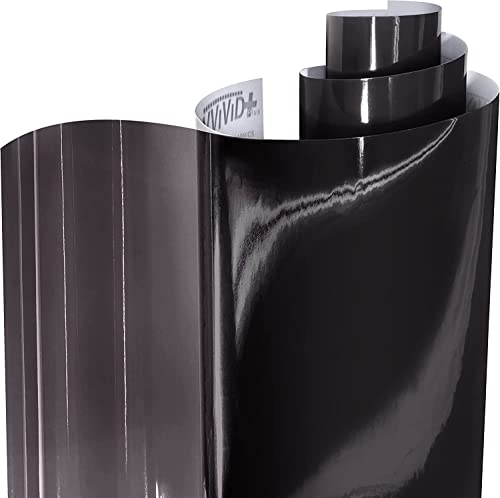
For full car wraps, always choose Cast vinyl over Calendared vinyl. This is the single most important decision you’ll make after measuring. Cast films, offered by trusted vinyl brands like 3M and Avery Dennison, are premium, highly conformable, and durable, making them the industry standard. Cheaper Calendared films are thicker, prone to shrinking, and are best suited only for flat surface applications like box trucks or simple signage. Investing in quality material is critical for a result that looks good and lasts.
The two main types of vinyl wrap film are Cast and Calendared, and understanding the difference is key to a successful project. Cast vinyl is made using a liquid plastic that is “cast” into a thin sheet, which creates a very stable, flexible, and thin film (around 2 mils). Calendared vinyl is made by extruding and rolling a semi-melted plastic compound through heated rollers, which is a cheaper process but introduces stress into the material, making it thicker (3-4 mils) and wanting to shrink back to its original shape over time, especially when heated.
| Feature | Cast Vinyl | Calendared Vinyl |
|---|---|---|
| Best Use | Full vehicle wraps, complex curves | Flat surfaces, simple curves, short-term use |
| Conformability | High (stretches easily over curves) | Low (stiffer, resists complex shapes) |
| Durability | 5-12 years | 1-5 years |
| Shrinkage | Minimal to none | Prone to shrinking over time |
| Cost | Higher | Lower |
| Installer-Friendly | Yes (often has air-release tech) | More difficult for beginners |
When it comes to brands, industry leaders like 3M (with their 2080 series) and Avery Dennison (with their SW900 series) are highly recommended for both professionals and beginners. Their films feature advanced air-release technology—microscopic channels in the adhesive that allow trapped air to escape easily, dramatically reducing bubbles and simplifying installation. Other quality brands include KPMF, Orafol, and TeckWrap. While the upfront cost is higher, the ease of installation and long-term durability of these professional-grade vinyls save money and headaches in the long run.
FAQs About how much wrap is needed for a car
Is 50 feet of vinyl enough to wrap a car?
For most cars, 50 feet of vinyl is not enough for a full wrap. A 50-foot roll might be sufficient for a small compact car like a Mini Cooper or a Honda Fit if the installer is highly experienced and waste is minimal. However, for any mid-size sedan, SUV, or truck, you will run out of material, especially when accounting for bumpers, mirrors, and potential mistakes. It’s much safer to start with a 60 or 65-foot roll.
How much vinyl do I need for just a car hood wrap?
You will typically need about 6 to 7 feet of vinyl to wrap a car hood. Most hoods are less than 6 feet long and 5 feet wide, so a 6 or 7-foot section from a standard 60-inch (5-foot) wide roll provides enough material to cover the surface and wrap around the edges. Always measure your specific hood’s length and width and add at least 4 inches of bleed on all sides before ordering.
What are the standard vinyl roll dimensions?
The most common standard vinyl roll width for car wrapping is 60 inches (5 feet or 1.52 meters). This width is ideal because it allows most car panels, including hoods and roofs, to be covered with a single, seamless piece of material. Rolls are typically sold in lengths of 25 feet, 50 feet, 75 feet, or by the foot/yard, with full master rolls often containing 75 to 82 feet.
How much vinyl wrap is needed for an SUV?
A mid-size SUV typically requires 70 to 80 feet of vinyl wrap. For example, a Toyota RAV4 or Ford Explorer falls into this range. Larger SUVs like a Chevrolet Suburban or Cadillac Escalade will need more, often in the 80 to 100-foot range, due to their increased length and height. Always use the “Length x 3 + Extra” formula for a more precise estimate for your specific vehicle.
Does a patterned or chrome wrap require more material?
Yes, wraps with patterns, specific textures, or a directional finish like chrome or brushed metal often require more material. This is because each panel must be oriented in the same direction to ensure the pattern or grain matches across the entire vehicle. This can lead to less efficient use of the vinyl roll and may increase your required material by 10-15% compared to a solid color wrap.
How much wrap do I need for a Tesla Model 3?
For a Tesla Model 3, you should plan for 60 to 65 feet of vinyl wrap. The Model 3 is approximately 15.4 feet long. Using the standard formula, (15.4 ft x 3) + 15 ft equals 61.2 feet. Ordering a 65-foot roll provides a safe amount of material to cover all panels, account for the car’s curves, and have a comfortable allowance for any mistakes or re-dos during the DIY installation process.
How much wrap is needed for a Ford F-150?
A standard Ford F-150 (SuperCab with a 6.5′ bed) will require approximately 80 to 90 feet of wrap. Due to the truck’s significant length (around 19-20 feet) and separate cab and bed panels, more material is necessary. Larger crew cab models or those with 8-foot beds can easily push the requirement closer to 100 feet. Precise panel-by-panel measurement is highly recommended for trucks.
Is it cheaper to wrap a car or paint it?
In most cases, a high-quality vinyl wrap is cheaper than a comparable quality paint job. A professional paint job can cost anywhere from $5,000 to $15,000 or more, whereas a professional wrap typically ranges from $2,500 to $6,000. Additionally, a wrap is not permanent and protects the original paint underneath, which can preserve the vehicle’s resale value, unlike a non-factory color repaint.
Can I wrap my car myself to save money?
Yes, you can wrap a car yourself (DIY) to save significant money, but it requires patience, skill, and the right tools. The main cost will be the material itself ($600-$1,500) and tools (around $100). However, be aware that the learning curve is steep. Beginners should factor in a larger waste allowance (around 25%) and be prepared for potential frustration with complex curves.
What is “bleed material” in car wrapping?
“Bleed material” is the extra 2-4 inches of vinyl you leave around the edge of a panel when cutting your piece from the roll. This excess material serves two critical purposes: it gives you an area to hold and stretch the film without touching the adhesive on the main part, and it provides the necessary overlap to wrap around the edges and into the door jambs for a clean, seamless finish that won’t peel.
Key Takeaways: How Much Wrap Is Needed For A Car Summary
- Use the Quick-Estimation Formula – For a reliable starting point, calculate your needed vinyl wrap by using the formula: (Vehicle Length in feet x 3) + 15 feet. This covers the vehicle’s main surfaces and adds a buffer.
- Always Buy 15-25% Extra – Never order the exact amount you calculate. A “waste allowance” of 15% for professionals and up to 25% for beginners is critical insurance against installation errors, mis-cuts, and complex parts.
- Vehicle Size is Just the Start – A mid-size sedan needs 60-70 feet, while a large SUV needs 75-100 feet. However, complex bumpers, spoilers, and deep curves can significantly increase the actual material used.
- Choose Cast Vinyl for Full Wraps – For a durable, long-lasting finish that conforms to curves, always invest in high-quality Cast vinyl from reputable brands like 3M or Avery Dennison. Cheaper Calendared vinyl is likely to fail on complex surfaces.
- Measure Twice, Cut Once – For maximum accuracy, measure each body panel (hood, doors, fenders) individually. Add at least 4 inches of “bleed” to every side of your measurement to allow for handling and edge wrapping.
- Patterned Wraps Require More Material – If you choose a wrap with a directional pattern (like chrome, brushed metal, or stripes), plan on buying 10-15% more material to ensure the grain or pattern can be aligned correctly across all body panels.
- Accurate Estimates Prevent Costly Re-orders – Ordering too little material can halt your project and lead to expensive re-orders with potential color mismatches between different vinyl batches. Taking the time to measure accurately saves both time and money.
Final Thoughts on How Much Wrap is Needed for a Car
Calculating how much wrap you need for your car doesn’t have to be a guessing game. By moving beyond simple length estimates and embracing a more systematic approach, you can purchase your materials with confidence. Whether you use the quick “Length x 3 + Extra” formula for a reliable budget or commit to the precise panel-by-panel method, you are setting yourself up for success. Remember that factors like vehicle complexity and your own skill level play a huge role, and accounting for them with a proper waste allowance is the hallmark of a smart installer. Taking the time to measure accurately is the best investment you can make to ensure your car wrap project is smooth, cost-effective, and results in a finish you can be proud of.
Last update on 2026-02-22 / Affiliate links / Images from Amazon Product Advertising API
![How Old To Rent A Car Iceland All Age Rules Explained For [year]](https://i0.wp.com/carxplorer.com/wp-content/uploads/2026/02/How-Old-To-Rent-A-Car-Iceland-All-Age-Rules-Explained-For-year-2.jpg?resize=60%2C60&ssl=1 "How Old To Rent A Car Iceland All Age Rules Explained For [year] 4")


![How Much Wrap For a Car Ultimate Calculation Guide [year]](https://i0.wp.com/carxplorer.com/wp-content/uploads/2026/02/How-Much-Wrap-For-a-Car-Ultimate-Calculation-Guide-year-2.jpg?resize=60%2C60&ssl=1 "How Much Wrap For a Car Ultimate Calculation Guide [year] 12")