
Struggling to figure out how much windshield wiper fluid your car holds? You’re not alone; many drivers are unsure if one jug is enough or too much. Getting it right prevents waste and ensures you have enough fluid when you need it most.
The average car’s windshield washer fluid reservoir holds between 0.8 to 1.3 gallons (3 to 5 liters), though the full range can be from 0.4 gallons (1.5L) for small cars to over 2 gallons (7.5L) for large SUVs with headlight washers. For most passenger vehicles, a standard one-gallon jug of washer fluid is the perfect amount to refill a tank that has triggered the low-fluid warning light.
Based on an analysis of manufacturer specifications and auto care guides, understanding your car’s capacity is straightforward. This guide breaks down not just how much fluid your vehicle holds, but also how to check it, refill it safely, and choose the right type for any season. You’ll discover exactly how to handle this simple but crucial maintenance task with confidence.
Key Facts
- Standard Capacity is One Gallon: The vast majority of cars, sedans, and small SUVs have a windshield washer fluid reservoir designed to hold approximately 1 gallon (3.78 liters), making a standard jug a perfect fit for a refill.
- Vehicle Size Dictates Capacity: The full range of washer reservoir capacity varies widely, from as little as 0.4 gallons (1.5 liters) in compact cars to over 2 gallons (7.5+ liters) in large trucks and SUVs equipped with headlight and rear window washing systems.
- Water Is a Risky Substitute: Using plain water is not recommended, especially in colder climates. Research indicates that when water freezes and expands, it can crack the plastic reservoir and destroy the washer pump, leading to costly repairs.
- The Low-Fluid Light is a Signal: When the low washer fluid warning light illuminates on your dashboard, it typically means there is about 0.25 gallons (1 liter) of fluid remaining, indicating that a full 1-gallon jug can be added without overfilling.
- Mixing Fluids is Generally Safe: Industry analysis shows that mixing different brands of standard, all-season washer fluid is usually harmless. However, mixing a basic summer fluid with a specialized de-icer fluid will dilute the antifreeze properties, reducing its effectiveness in winter.
How Much Windshield Wiper Fluid Does a Car Hold?
The definitive answer is that most car windshield washer fluid reservoirs hold between 0.8 and 1.3 gallons (approximately 3 to 5 liters). A standard one-gallon jug of washer fluid is almost always enough to fill an empty or nearly empty tank on a typical passenger car. However, the exact car washer fluid tank capacity can vary significantly based on the vehicle’s size, make, and model. Think of a standard jug of milk; that one-gallon volume is what you should expect to pour into your reservoir.

Understanding your specific washer reservoir capacity helps with seasonal car care, especially when preparing for winter or a long road trip. While the one-gallon rule of thumb is reliable, knowing the factors that influence this volume can help you manage expectations. Checking fluid levels becomes a simple part of your routine maintenance.
Here is a general breakdown of what to expect for different vehicle types:
- Compact Cars and Sedans: These vehicles typically have the smallest reservoirs, usually holding between 0.8 to 1 gallon (3-4 liters).
- Crossovers and Small SUVs: The capacity is often slightly larger, right around the 1-gallon mark (3.78 liters), making a single bottle a perfect refill.
- Large SUVs, Minivans, and Trucks: These larger vehicles often have a much bigger washer reservoir capacity, sometimes holding 1.5 to 2.5 gallons (5.7 to 9.5 liters), especially if they have additional features.
Why Does Washer Fluid Reservoir Capacity Vary So Much Between Cars?
The size of a vehicle’s washer fluid reservoir isn’t random; it’s a result of several design and engineering decisions. A car’s washer fluid capacity is larger if it is equipped with a headlight washing system or a rear window washer, as these features consume additional fluid. Vehicle size and engine bay layout also dictate the maximum possible size of the reservoir. For example, a luxury SUV like a BMW X5 with headlight washers may have a reservoir over 1.5 gallons, while a compact sedan like a Toyota Corolla may have one under a gallon.
Here are the primary factors that determine the size:
- Vehicle Size: Simply put, larger vehicles have more space within the engine bay to accommodate bigger engine bay components, including a larger reservoir.
- Headlight Washer Systems: This is one of the biggest factors. Headlight washers spray fluid at high pressure to clean the headlights and can use a significant amount of fluid in a short time. Cars with this feature always have a much larger tank, sometimes adding up to 2-3 liters to the total capacity.
- Rear Window Washers: Common on SUVs, wagons, and hatchbacks, a rear washer system requires extra fluid and plumbing, necessitating a larger vehicle washer fluid capacity to service both the front and back windshields.
- Regional Design Considerations: Some manufacturers design vehicles intended for colder, slushier climates with larger reservoirs. They anticipate that drivers in these regions will use their washers far more frequently during winter months.
How Do You Check Your Washer Fluid Level and Refill It?
To refill windshield washer fluid, first open the hood and locate the reservoir cap, which typically has a blue or black lid with a windshield and water spray symbol. After removing the cap, you can insert a funnel to prevent spills and slowly pour the fluid until it reaches the ‘Full’ line or is visible near the top of the fill neck. Once filled, you just need to replace the cap securely. This task is a core part of driving visibility safety.
Following these steps makes the process simple and ensures you don’t make common mistakes.
Pro Tip: If your reservoir is an opaque washer tank and you can’t see the fluid level, pour slowly and listen. The sound will change as the tank gets full. It’s often safe to pour about three-quarters of a gallon jug in, as this prevents overfilling while still adding a substantial amount.
Safety Warning: From a professional auto care perspective, it is always best to refill fluids when the engine is cool. While the washer reservoir isn’t under pressure, working around a hot engine increases the risk of burns from other engine bay components.
Step 1: How Do You Locate the Washer Fluid Reservoir?
To locate the washer fluid reservoir, open your car’s hood and look for a large plastic tank with a cap that is typically blue, black, or yellow. The most important identifier is the universal symbol on the cap, which looks like a windshield with a spray of water. This symbol is used across nearly all makes and models to identify the correct reservoir.
The tank is a large, often semi-transparent plastic container. You can usually find it toward the front or side of the engine bay. The first step is to open the hood by pulling the hood release latch, which is almost always located in the driver’s side footwell.
Look for these key identifiers:
- Cap Color: The cap is almost always a bright, distinct color, most commonly blue. Black and yellow are also used.
- Universal Symbol: This is the foolproof method. Look for the picture of a tiny window getting washed on the cap. It’s designed to be universally understood.
- Location: It’s typically easy to access and not hidden deep within the engine components.
Warning: Never add fluid to the radiator coolant (often a larger tank with a high-pressure warning) or brake fluid reservoirs (a small, typically yellowish tank). Look for the correct symbol every time to avoid costly damage.
What Are The Different Types of Windshield Washer Fluid?
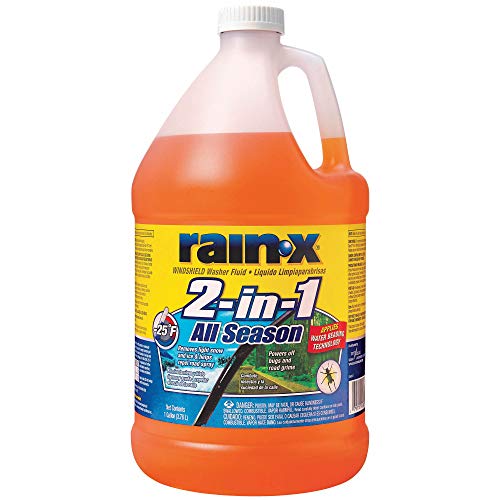
The main types of windshield washer fluid are standard (blue) fluid for general use, bug wash fluid with extra solvents for summer, de-icer fluid with a higher concentration of methanol for winter, and concentrated formulas that you mix with water. Choosing the right type depends on your local climate and seasonal needs. For most drivers in areas with changing seasons, an ‘All-Season’ fluid offers the best balance of convenience and performance.
Understanding the difference is key to maintaining clear visibility and protecting your washer system. Here is a comparison of the most common types.
| Fluid Type | Best For | Freeze Protection | Key Feature |
|---|---|---|---|
| Standard (Blue) | Year-round (mild climates) | Basic (to ~20°F / -6°C) | All-purpose cleaning |
| Bug Remover | Summer / Warm Climates | Low / None | Enzymes to dissolve insect residue |
| De-Icer / Winter | Winter / Freezing Climates | High (to -20°F / -29°C or lower) | Methanol to melt ice and prevent freezing |
| All-Season | All Climates | Moderate to High | A blend of cleaning and de-icing agents |
| Concentrate | DIY / Bulk Use | Variable (depends on dilution) | Cost-effective; requires mixing |
What Happens If You Overfill, Underfill, or Use the Wrong Fluid?
Overfilling windshield washer fluid is generally not harmful as excess will drain out, but running the reservoir empty can cause the washer pump to burn out. The most significant damage comes from using plain water in winter, as it can freeze, expand, and crack the plastic reservoir and break the fragile washer pump. These mistakes can turn a simple maintenance task into an expensive repair.
Here’s a breakdown of what can go wrong.
What Happens if You Overfill?
An overfilled washer fluid reservoir is messy but rarely damaging. Most reservoirs have an overflow tube or are designed so that excess fluid simply spills out onto the ground. While it’s wasteful, it won’t harm your vehicle’s components.
Why You Shouldn’t Run the Tank Empty
Continuously trying to activate the washers when the tank is empty is a bad idea. The windshield washer pump is a small electric motor that uses the fluid for lubrication and cooling. Running it dry can cause it to overheat and burn out, a problem known as pump cavitation. This is why it’s best to top up the fluid as soon as the low washer fluid light appears.
Why You Shouldn’t Use Just Water
Using the wrong fluid is the most common and costly mistake. While water seems like a free alternative, it causes several problems:
* Freezing: Water’s freeze point is 32°F (0°C). When it freezes, it expands with enough force to crack the plastic reservoir and destroy the internal components of the washer pump.
* Lack of Cleaning Power: Water alone cannot effectively remove road grime, bug splatter, or tree sap.
* Bacteria Growth: In warm weather, plain water can allow bacteria like Legionella to grow inside the tank. This can be aerosolized into your car’s cabin when you use the washers, posing a health risk.
Common Mistakes to Avoid
* ❌ Don’t use water in winter. The risk of a cracked reservoir is high.
* ❌ Don’t use household glass cleaner like Windex. The ammonia can damage paint and rubber seals.
* ❌ Don’t run the pump when the tank is empty. You risk burning out the motor.
FAQs About how much windshield wiper fluid does a car hold
How do I know if my washer fluid is full?
You’ll know your washer fluid is full when the liquid level is visible at the top of the fill neck or reaches the “MAX” or “FULL” line marked on the reservoir. If your tank is opaque and has no line, simply fill it slowly until you can see the fluid about an inch or two below the very top of the opening. This prevents spillage when you replace the cap.
Why is my washer fluid light on after I just filled it?
If your washer fluid light stays on after a refill, it’s likely due to a faulty or stuck fluid level sensor. These sensors, which are simple floats in most cases, can get clogged or fail over time. You may need to have the sensor cleaned or replaced by a mechanic to resolve the issue. In rare cases, it could indicate an electrical problem.
How much washer fluid does a truck or SUV hold?
Trucks and SUVs typically hold more washer fluid than sedans, with capacities often ranging from 1 to 2.5 gallons (3.8 to 9.5 liters). This larger capacity is due to their overall size and the common inclusion of features like rear window washers and headlight washers, which increase fluid consumption and demand a larger reservoir.
How long does a gallon of washer fluid last?
A gallon of washer fluid can last anywhere from a few weeks to several months, depending heavily on your usage, the season, and driving conditions. During winter or in dusty/muddy environments, you will use it much faster. For an average commuter in a moderate climate, a gallon might last 2-3 months.
Can I mix different brands or colors of windshield washer fluid?
Yes, in most cases, it is safe to mix different brands and colors of standard windshield washer fluid. Most are alcohol-and-detergent-based and are compatible. However, it’s best not to mix specialty fluids (like a de-icer) with a basic summer formula, as this will dilute the effectiveness of the specialty fluid and lower its freeze protection.
Can I use Windex or another household glass cleaner in my car?
No, you should never use Windex or other household glass cleaners in your car’s washer fluid reservoir. These products contain ammonia and other chemicals that can damage your vehicle’s paint, rubber seals, wiper blades, and the plastic components of the washer system itself. Always use a fluid specifically formulated for automotive use.
How often should I refill my windshield wiper fluid?
It’s a good practice to check your windshield washer fluid level every time you fill up for gas or at least once a month. A proactive approach is to top it off before the low-level warning light comes on, especially before long road trips or at the beginning of winter, to ensure you never run out when you need it most.
What happens if I can’t see the tank to know how much to add?
If your washer fluid tank is opaque and hidden, pour the new fluid in slowly and listen. You can often hear the sound change as the reservoir fills. Add about three-quarters of a standard 1-gallon jug, then pause. This is usually a safe amount to avoid overfilling. If the low fluid light was on, an entire gallon will almost always fit.
How much washer fluid should I add when the low-fluid light comes on?
When the low-fluid light activates, the reservoir typically has about 0.25 gallons (or 1 liter) remaining. This means you can safely add a full 1-gallon jug of new fluid without worrying about overfilling. This design is intentional to correspond with the standard size of washer fluid bottles.
Is it bad to just use water in the summer?
While using plain water in an emergency is okay, it’s a poor long-term solution even in summer. Water lacks the cleaning agents to remove bugs and road grime effectively, and it can grow bacteria (like Legionella) inside the warm reservoir. These bacteria can then be aerosolized into your car’s cabin, posing a health risk.
Key Takeaways: Windshield Washer Fluid Capacity Summary
- Average Capacity is One Gallon: Most standard cars have a windshield washer fluid reservoir that holds approximately 1 gallon (3.78 liters), making a single jug the perfect amount for a refill from empty.
- Capacity Varies by Vehicle: The exact washer fluid tank size can range from 0.4 gallons in small cars to over 2 gallons in SUVs with features like headlight washer systems, which dramatically increase consumption.
- Locate the Correct Cap: Always identify the reservoir by its universal symbol (a windshield with a water spray) on the cap, which is typically blue or black. Never add fluid to the engine coolant or brake fluid reservoirs.
- Choose Fluid Based on Climate: Use a winter washer fluid with de-icer (methanol) in freezing temperatures to prevent the fluid from freezing and cracking the tank or pump. Summer washer fluid is fine for warm climates.
- Water Is Not a Safe Substitute: Avoid using plain water, as it lacks cleaning power and can freeze in winter, causing hundreds of dollars in damage to the washer pump and reservoir. It can also grow harmful bacteria.
- The Warning Light Means You Need a Gallon: When the low fluid level light comes on, it typically means you have about a quart left, and a full 1-gallon washer fluid bottle will fit perfectly.
- Don’t Run the System Dry: Continuously trying to use the washers when the tank is empty can overheat and burn out the electric windshield washer pump, leading to a more expensive repair.
Final Thoughts on Your Windshield Washer Fluid
Keeping your windshield washer fluid topped off is one of the simplest yet most important parts of basic car maintenance. It directly impacts your visibility and safety on the road. As we’ve covered, you don’t need to be a mechanic to get it right. For the vast majority of drivers, the answer is simple: one gallon is the perfect amount for a refill.
By understanding the key factors—from identifying the correct reservoir cap by its universal symbol to choosing a climate-appropriate fluid—you can handle this task with complete confidence. Proactively checking your fluid level monthly and especially before winter will ensure you never run out when you need it most, preventing potential system damage and keeping your view of the road ahead perfectly clear.
Last update on 2026-02-22 / Affiliate links / Images from Amazon Product Advertising API



![How Much Wrap For a Car Ultimate Calculation Guide [year]](https://i0.wp.com/carxplorer.com/wp-content/uploads/2026/02/How-Much-Wrap-For-a-Car-Ultimate-Calculation-Guide-year-2.jpg?resize=60%2C60&ssl=1 "How Much Wrap For a Car Ultimate Calculation Guide [year] 6")


