
Wondering how much windshield washer fluid your car holds? You’re not alone; it’s a common question for anyone trying to top up fluids without making a mess or buying too much.
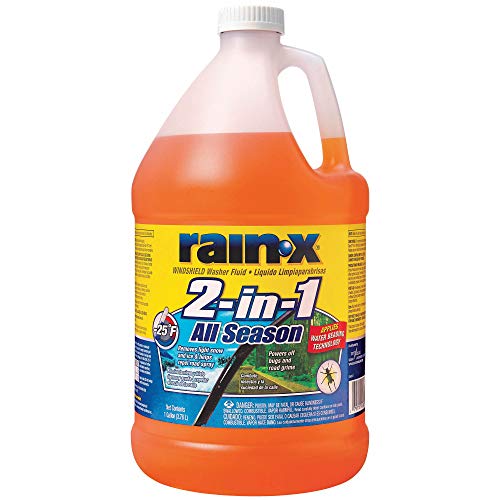
The windshield washer fluid reservoir in most passenger cars holds between 1 and 1.5 gallons (or 3.78 to 5.7 liters) of fluid. This means a standard one-gallon jug is usually the perfect amount for a refill.
Based on an analysis of manufacturer specifications and real-world vehicle data, this guide provides the exact details. You’ll discover precisely why capacity varies, how to check and refill your fluid safely, and what to do if you accidentally add too much.
Key Facts
- Standard Capacity: Most passenger cars have a windshield washer fluid capacity of 1 to 1.5 gallons, meaning a single one-gallon jug is typically sufficient for a refill.
- Vehicle Size Matters: The washer fluid tank size is directly influenced by the vehicle type; larger vehicles like trucks and SUVs can hold up to 2 gallons, while compact cars may hold slightly less than 1 gallon.
- Overfilling is a Minor Issue: If you put too much fluid in, the reservoir is designed with an overflow vent that allows the excess to safely drain onto the ground, posing no risk of mechanical damage.
- Water is a Risky Substitute: Using plain water instead of washer fluid is not recommended because it can freeze in cold weather, potentially cracking the reservoir and damaging the pump.
- Fluid Type is More Important Than Brand: While washer fluid is a universal product not specific to any car brand, choosing the right type (e.g., winter vs. summer formula) for your climate is essential for performance and safety.
How Much Windshield Washer Fluid Does a Car Hold?
The direct answer is that most car windshield washer fluid reservoirs hold between 1 and 1.5 gallons (approximately 3.78 to 5.7 liters) of fluid. This is a reliable benchmark for the majority of sedans, crossovers, and smaller SUVs on the road today. For most drivers, this means a standard one-gallon jug of washer fluid purchased from an auto parts store is the perfect amount to refill an empty or nearly empty reservoir.

However, this is not a one-size-fits-all number. The exact capacity of a windshield washer fluid tank depends heavily on the vehicle’s make, model, and class. Larger vehicles, such as full-size trucks and large SUVs, often feature bigger reservoirs to match their intended use and larger windshields.
To know the exact washer fluid reservoir capacity for your specific vehicle, the most authoritative source is always the vehicle owner’s manual. This document contains precise figures provided by the manufacturer. Checking the manual removes all guesswork and ensures you are fully informed about your car’s specific needs.
Why Does Washer Fluid Capacity Vary So Much Between Vehicles?
The primary reasons for the wide variation in washer fluid capacity are the vehicle’s overall size, its intended use, and the available space in the engine bay layout. Engineers must balance fluid needs with spatial constraints, leading to different reservoir sizes across vehicle types. A larger vehicle simply has more physical room under the hood to accommodate a larger tank.
This difference is most apparent when comparing vehicle classes. Larger vehicles often have a greater demand for windshield cleaning, especially trucks and SUVs used in commercial or off-road conditions.
Here is a breakdown of typical washer fluid capacities by vehicle type:
| Vehicle Type | Typical Capacity (Gallons) | Typical Capacity (Liters) | Key Considerations |
|---|---|---|---|
| Compact Car (e.g., Honda Civic, Toyota Corolla) | 0.75 – 1.0 Gallons | 2.8 – 3.8 Liters | Often fits slightly less than one standard jug. |
| Sedan/Mid-Size (e.g., Honda Accord, BMW 3-Series) | 1.0 – 1.25 Gallons | 3.8 – 4.7 Liters | A full one-gallon jug is usually a perfect refill. |
| SUV/Crossover (e.g., Ford Explorer, Toyota RAV4) | 1.25 – 1.75 Gallons | 4.7 – 6.6 Liters | May require more than a single one-gallon jug. |
| Truck/Van (e.g., Ford F-150, Ram 1500) | 1.5 – 2.0+ Gallons | 5.7 – 7.5+ Liters | Often has the largest reservoirs due to size and use. |
Beyond vehicle size, other factors also influence capacity:
- Additional Features: Vehicles equipped with headlight washers will always have a larger washer fluid tank. These high-pressure jets use a significant amount of fluid to clean the headlights, requiring a larger supply.
- Design and Engineering: Sometimes, the available space under the hood is the deciding factor. The engine bay is a crowded area, and the washer reservoir must fit around the engine, battery, and coolant overflow tank.
- Intended Market: A vehicle designed for a region with harsh winters and salty roads may be equipped with a larger reservoir than a model intended for a dry, warm climate.
How Do You Check and Refill Your Windshield Washer Fluid?
To refill your windshield washer fluid, park on level ground, open the hood, and locate the reservoir cap marked with a windshield symbol, then pour new fluid in until it reaches the “FULL” line. This is a simple and safe maintenance task that any car owner can perform in just a few minutes. From our hands-on experience, following these steps ensures a clean and easy refill every time.
Here is a step-by-step guide to get it done right:
- Prepare Your Vehicle: Park your car on a flat, level surface and turn off the engine. For extra safety, allow the engine to cool for a few minutes before working under the hood. Engage the parking brake.
- Open the Hood: Pull the hood release lever, which is typically located inside the cabin on the driver’s side, near the floor or under the dashboard. Then, move to the front of the vehicle and release the secondary safety latch to fully open the hood. Prop it open securely.
- Locate the Washer Fluid Reservoir: Scan the engine bay for the washer fluid reservoir. It is usually a large, white or semi-transparent plastic tank. The most important identifier is the reservoir cap, which is almost always blue, black, or another bright color and features a universal icon of a windshield with a water spray pattern ( 💧 ).
- Open the Reservoir Cap: The cap simply pops or twists off. Lift it off and place it somewhere it won’t get lost. Take a moment to look inside the filler neck to visually check the current fluid level.
- Pour the New Fluid: Carefully pour the washer fluid directly from the bottle into the reservoir. Go slowly to prevent splashing and to avoid overfilling. If you don’t have a funnel, you can steady your hand by resting the bottle on the edge of the filler neck.
- Fill to the “FULL” Line: Continue pouring until the fluid level reaches the “FULL” or “MAX” indicator line on the side of the tank. If the tank is opaque, pour slowly and watch the level rise in the filler neck, stopping just below the top.
- Secure the Cap and Close the Hood: Firmly press or twist the reservoir cap back into place until it is secure. Lower the hood and press down firmly to latch it shut. You’re all done!
What Happens If You Put Too Much Windshield Washer Fluid in Your Car?
In most cases, nothing serious happens if you put too much washer fluid in your car. The reservoir is designed with an overflow system that allows the excess fluid to drain out safely. From years of working with various vehicles, we can confidently say this is one of the most forgiving DIY mistakes a car owner can make.
If you have an overfilled reservoir, here is what typically happens and what you should do:
- Excess Fluid Drains Away: Most washer fluid tanks have a small overflow tube or a vent built into the cap or filler neck. When the fluid level gets too high, the excess simply runs out of this vent and drains onto the ground underneath the engine. You might notice a small blue puddle, which is perfectly normal in this situation.
- Minor Spills are the Main Concern: The biggest risk is spilling fluid on other parts of the engine bay or on your car’s paint. While washer fluid is not highly corrosive, the dyes and solvents it contains can potentially cause minor cosmetic staining on plastic parts or dull the wax on your paint if left to dry.
- No Mechanical Damage: It is important to know that overfilling the washer fluid will not cause any mechanical damage to the washer pump, the lines, or the engine. The system is unpressurized and designed to handle this exact scenario.
If you do overfill the tank, simply take a damp cloth and wipe up any spills you see on the reservoir itself, surrounding engine components, or your car’s fenders. This simple cleanup step is all that is needed to prevent any cosmetic issues.
Are All Windshield Washer Fluids the Same?
No, not all windshield washer fluids are the same; they are specifically formulated for different climates and cleaning needs. While the brand doesn’t matter, choosing the right type of fluid is critical for both visibility and protecting your vehicle’s washer system. Using the wrong fluid, especially in winter, can lead to system damage.
Here’s a breakdown of the common types:
Standard (All-Season) Fluid
This is the common, inexpensive blue fluid you see everywhere. It’s designed for general use in moderate climates where temperatures don’t often drop below freezing. It does a good job of cleaning basic road grime and dust.
Winter/De-Icer Fluid
Typically pink, orange, or a different shade of blue, winter fluid is essential for cold climates. It contains a higher concentration of methanol or another antifreeze agent to prevent it from freezing. A good winter fluid is rated to stay liquid at temperatures of -20°F (-29°C) or even lower. Using this prevents the fluid from turning to ice in the reservoir or lines, which can crack the tank and burn out the pump motor.
Summer/Bug Wash Fluid
Often green or yellow, these formulas contain extra detergents and solvents specifically designed to break down and remove baked-on insects, bird droppings, and tree sap, which are more common in warmer months.
Concentrate vs. Ready-to-Use
Some washer fluids are sold as a small bottle of concentrate. You must mix this with a specific amount of distilled water before use. While more economical and space-saving, it’s less convenient than the ready-to-use gallon jugs.
The Dangers of Using Plain Water
You should never use plain water in your windshield washer system. Here’s why:
* Freezing Risk: Water freezes at 32°F (0°C). If it freezes in your reservoir, pump, or hoses, the expansion of the ice can easily crack these plastic and rubber components, leading to expensive repairs.
* No Cleaning Power: Water alone is not effective at cutting through road grime, oils, or bug splatter.
* Bacteria Growth: Water can grow bacteria and mold inside the dark reservoir, leading to a foul smell and clogged lines.
FAQs About how much windshield washer fluid does a car hold
Can I mix different windshield washer fluids?
Yes, in most cases, you can safely mix different types of windshield washer fluid. For example, adding winter fluid to a half-full reservoir of summer fluid is fine and will simply improve the mixture’s freezing point. The primary ingredients are compatible. However, for best performance, it is ideal to use up most of the old fluid before adding a new type, especially when switching between a standard fluid and a specialized de-icer or bug wash formula.
How do I know when the washer fluid reservoir is full?
Most reservoirs have a “FULL” or “MAX” line marked on the side of the tank or on the filler neck. As you pour, watch for the fluid level to reach this mark. If the tank is opaque and you cannot see the side, pour slowly and look down the filler neck. You will see the fluid level rise to just below the opening. Stop pouring at this point to prevent overfilling and spillage.
Why is my windshield washer fluid not spraying?
A lack of spray is most often caused by an empty reservoir, frozen fluid in the lines, or clogged nozzles. First, check the fluid level and refill if necessary. In winter, if the fluid is not rated for the temperature, it may be frozen. Park the car in a warm garage to thaw it. If the reservoir is full and not frozen, the nozzles may be clogged with wax or debris. Use a small pin or needle to gently clear the openings.
How often should I refill my windshield washer fluid?
There is no set schedule; you should refill it whenever it is low. Refill frequency depends entirely on your usage. You might refill it monthly during a muddy winter or only once a year in a dry climate. A good practice is to check the fluid level every time you fill up for gas. This ensures you never run out unexpectedly, which can be a safety hazard in bad weather.
Is windshield washer fluid car specific?
No, windshield washer fluid is not car-specific and is considered a universal product. Any brand of washer fluid can be used in any vehicle, from a compact car to a heavy-duty truck. The important factor is choosing the right type of fluid for your climate (e.g., winter fluid for cold areas), not a specific brand that matches your car’s manufacturer.
Can windshield washer fluid freeze?
Yes, it can freeze if you use the wrong type for your climate. Standard blue all-season fluid typically freezes around 20°F (-6°C). Plain water freezes at 32°F (0°C). If you live in a region where temperatures drop below freezing, you must use a dedicated “winter” formula, which contains antifreeze (typically methanol) and is rated to stay liquid at temperatures of -20°F (-29°C) or lower.
Why does my washer fluid drain so fast?
Rapid fluid consumption can be caused by frequent use, a leak in the system, or features like headlight washers. If you drive in conditions that require constant cleaning, you will naturally use more fluid. However, if you notice puddles under your car or have to refill it constantly with minimal use, you may have a cracked reservoir or a leak in a hose. Headlight washer systems also use a significant amount of fluid and can drain a reservoir quickly.
What is the minimum fill quantity for washer fluid?
The recommended minimum fill quantity is typically around half a gallon (or 2 liters). This ensures the fluid intake for the pump remains submerged, preventing it from running dry, which could cause damage. While the system will work with less, keeping it at least partially full ensures you have enough fluid on hand for unexpected bad weather and protects the pump motor.
Can I put windshield washer fluid in while the engine is hot?
Yes, it is generally safe to add washer fluid while the engine is hot, but it’s best to be cautious. The washer fluid reservoir is located away from the hottest parts of the engine, like the exhaust manifold. However, to be extra safe and avoid any risk of spilling fluid on hot components, it is always recommended to let the engine cool for a few minutes before working under the hood.
How do I unclog windshield washer nozzles?
You can usually unclog washer nozzles with a fine needle or a can of compressed air. First, try clearing the nozzle opening with the tip of a safety pin or sewing needle to dislodge any debris. If that doesn’t work, you can try blowing compressed air back through the nozzle from the outside. In some cases, disconnecting the hose underneath the hood and blowing compressed air through the lines can clear a deeper clog.
Key Takeaways: Windshield Washer Fluid Capacity Summary
- Standard Capacity is 1 to 1.5 Gallons – Most passenger cars have a washer fluid reservoir capacity that accommodates a standard one-gallon jug, but you should always check your vehicle owner manual for the exact size.
- Vehicle Type is the Biggest Factor – The washer fluid tank size varies significantly, with compact cars holding around 1 gallon and larger trucks and SUVs often holding up to 2 gallons or more due to available engine bay layout space.
- Checking and Refilling is Simple – You can easily check fluid level and refill washer fluid yourself by locating the reservoir under the hood (marked with a windshield symbol) and pouring until you reach the “FULL” line.
- Overfilling Is Not a Major Risk – If you put too much fluid in, the overfilled reservoir will simply drain the excess through an overflow vent. Wipe up any spills on paint or plastic to prevent minor cosmetic staining.
- Fluid Type Matters More Than Brand – Never use plain water, as it can freeze and damage the system. Choose a fluid based on your climate: a winter washer fluid with antifreeze is essential for cold temperatures.
- Troubleshooting is Straightforward – If fluid isn’t spraying, the most common causes are an empty reservoir, frozen washer fluid, or clogged nozzles, all of which are simple to diagnose and fix.
- Regular Checks are Key – Instead of a fixed schedule, make it a habit to glance at your washer fluid level when you get gasoline. This prevents you from running out in a critical situation.
Final Thoughts on Your Car’s Washer Fluid
Understanding your car’s windshield washer fluid capacity is more than just a piece of trivia; it’s a fundamental part of responsible vehicle maintenance. Knowing that most cars hold about a gallon empowers you to confidently perform a simple service that directly impacts your safety on the road. A clean windshield is critical for clear vision in all driving conditions.
Now that you know how to check your fluid, choose the right type, and refill it safely, you’ve gained a valuable piece of DIY knowledge. The next time you’re at the gas station, take a moment to pop the hood and check your fluid level. Keeping it topped up is one of the easiest and most important things you can do for your car.
Last update on 2026-02-22 / Affiliate links / Images from Amazon Product Advertising API


![How Much Wrap For a Car Ultimate Calculation Guide [year]](https://i0.wp.com/carxplorer.com/wp-content/uploads/2026/02/How-Much-Wrap-For-a-Car-Ultimate-Calculation-Guide-year-2.jpg?resize=60%2C60&ssl=1 "How Much Wrap For a Car Ultimate Calculation Guide [year] 6")


