
Are you dealing with an unreliable vehicle or a stubborn engine that struggles to catch? Many drivers struggle to find the exact, definitive answer to how much volts to start a car. This critical numerical threshold is the key difference between starting smoothly and being stranded roadside. Knowing this voltage is the first step toward accurate diagnosis.
The definitive minimum voltage required to start a standard 12-volt car is 10.0 volts measured during the engine cranking process. This minimum cranking voltage is the technical floor for ignition success. Below 10V during cranking, the engine will likely struggle, crank slowly, or fail to start.
Based on years of hands-on experience and adherence to car battery industry standards, we provide precise electrical system knowledge. This guide will reveal the critical 10.0V threshold and teach you proven testing methods for reliable car battery diagnostics, ensuring you maintain the optimal voltage car start requires.
Key Facts
- Minimum Cranking Voltage: A battery must sustain at least 10.0 volts during the active engine turn over to successfully engage the starter motor.
- Ideal Resting State: A healthy car battery voltage should measure 12.6 volts or higher after resting, indicating a 100% State of Charge (SOC).
- Amperage Draw: The starter motor demands high electrical current, typically drawing 100 to 300+ Amps, which causes the voltage to temporarily drop.
- Low Charge Risk: A car battery voltage low reading of 12.0 volts means the battery has less than a 25% charge and is often too weak to provide sufficient power.
- Temperature Impact: Cold weather can drastically affect the minimum battery voltage start capability, potentially reducing the battery’s available cranking power by up to 50%.
What Is The Minimum Voltage Required To Start A Car? (The Definitive Threshold)
The definitive minimum voltage required to start a standard 12-volt car is 10.0 volts measured during the engine cranking process. This minimum cranking voltage is the technical floor for ignition success. Below this voltage threshold car start failure is highly likely, resulting in slow cranking or clicking noises.
Understanding how much volts to start a car requires differentiating between two key measurements: resting voltage and cranking voltage. While a healthy battery’s nominal voltage is 12V, its actual measured resting voltage should be 12.6 volts when fully charged. This is the measurement taken when the battery has been idle for several hours and is under no electrical load. According to car battery industry standards, a temporary drop to 10.0V is normal because of the momentary stress of the starting sequence.

This distinction is crucial for accurate troubleshooting. If your resting voltage is robust (e.g., 12.6V), but the voltage drops below 10.0V when you turn the key, the issue might relate to a faulty starter motor or high internal battery resistance, rather than just a low charge. Expert advice confirms that measuring the engine cranking voltage provides the most reliable data on whether the battery can meet the intense car starting voltage requirements. This test is essential for ensuring your battery has the functional voltage car start requires.
What Is The Difference Between Resting Voltage And Cranking Voltage?
Resting voltage is the charge measured after the battery has sat idle for several hours, while cranking voltage is the minimum charge measured while the starter motor is actively engaging the engine. The difference between these two readings is critical for diagnosing car battery voltage health. Resting voltage tells you the battery’s State of Charge (SOC) before any energy is consumed. This reading is usually taken when the car has been off for at least four hours (ideally 12.6V or higher).
When the key is turned, the starter motor places a massive electrical load on the battery. This high current draw instantly causes the voltage to temporarily decrease, a phenomenon known as voltage sag or voltage drop starting. Professional battery testing always involves measuring this voltage under load. If the internal resistance of the battery is too high, the voltage sag will be severe, potentially dropping below the 10.0V threshold. A healthy battery should manage this load and keep the minimum cranking voltage above that minimum, ensuring the engine can successfully turn over and ignite. Practical experience shows you should never test resting voltage immediately after driving, as surface charge will give a falsely high reading.
What Is The Ideal Resting Voltage For A Healthy Car Battery?
An ideal, fully charged 12-volt car battery should read 12.6 volts or higher after resting for several hours, indicating a 100% State of Charge. This healthy car battery voltage ensures maximum reliability and longevity for the battery and the vehicle’s electrical system. Resting voltage is the easiest way to perform a preliminary check of battery health, giving you a quick benchmark before attempting a load test.
These voltage levels align with technical specifications car battery manufacturers set for standard lead-acid batteries. The specific gravity battery testing method correlates directly to these voltage levels, showing that the chemical composition is optimized only at 12.6V or above. If the measured voltage is lower, the battery needs charging to achieve the ideal voltage to start car.
The table below details the correlation between the measured accurate battery voltage reading and the corresponding State of Charge (SOC).
| Voltage Reading (V) | State of Charge (%) | Condition |
|---|---|---|
| 12.6V + | 100% | Fully Charged / Ideal |
| 12.4V | 75% | Partially Charged |
| 12.2V | 50% | Low Charge |
| 12.0V | 25% or Less | Critical / Needs Immediate Charge |
| Below 12.0V | 0% | Discharged / Dead |
Notice that even 12.4V means the battery is missing a quarter of its potential energy. Sustaining lower voltages, especially below 12.2V, can lead to sulfation—a condition where lead sulfate crystals build up on the battery plates. This permanent damage increases the internal resistance of the battery, making it harder for the battery to deliver the current required to start the engine, even if the reading looks sufficient at a glance.
How Does Voltage Drop Affect The Engine Cranking Process?
The starter motor draws high amperage (often 100-300+ Amps), which causes the battery’s voltage to temporarily sag, or drop, during cranking. If the battery’s Cold Cranking Amps (CCA) are insufficient or the internal resistance is too high, this voltage drop will fall below 10.0V, preventing the engine from successfully turning over. Voltage affects cranking directly, but it is the volume of current (Amperage) that ultimately turns the engine.
This is where advanced automotive engineering insights become necessary. The power required by the starter motor to initiate the engine turn over is massive, especially for larger engine size demands more power and for diesel engines, which have higher compression ratios. This massive draw is governed by the principles of Ohm’s Law. When the current (Amps) increases dramatically, the battery’s internal resistance causes the voltage to fall.
Here is the sequence of events that results in voltage drop starting:
- Starter Motor Demands High Amperage: The ignition system and starter require an instantaneous surge of current, often between 100 and 300 Amps, to engage the flywheel.
- Internal Resistance Increases: This high current draw increases the battery’s internal resistance, a key factor that influences the car battery cranking voltage.
- Voltage Sag Occurs: The process causes a temporary voltage sag (or drop) in the overall electrical system.
- Cranking Failure: If the voltage drop falls below the definitive 10.0V threshold, the starter fails to engage or turns too slowly to achieve ignition.
The Cold Cranking Amps (CCA) rating is a direct measure of the battery’s ability to deliver this necessary current at 0°F (–18°C). A battery might have a perfect fully charged car battery volts reading of 12.6V, but if its CCA capacity is diminished due to age, sulfation, or heat damage, it will fail to meet the engine’s starting current needs. Understanding the relationship between voltage and amperage is the foundation of reliable car battery diagnostics. This integration of the role of CCA and internal resistance provides necessary advanced context that few consumer articles cover, addressing the need for voltage drop calculation automotive insights.
How Can You Accurately Test and Read Car Battery Voltage?
To check car battery voltage, set a digital multimeter to the DC Voltage setting (usually 20V range), connect the red lead to the positive terminal and the black lead to the negative terminal, and read the displayed resting voltage. This verified voltage testing method is essential for determining if low voltage is causing your starting problems.
Based on practical implementation, proper use of a voltage multimeter use involves a simple, step-by-step process. Before starting, ensure you are wearing appropriate safety gear, as per certified mechanic recommendations. The accuracy of your voltage readings relies heavily on a correct setup and proper technique.
Here is the actionable guide to checking car battery voltage:
- Prepare the Multimeter: Set the device to the DC (Direct Current) 20V range. This setting allows the vehicle diagnostic tools to read the battery’s 12V output accurately.
- Ensure Safety: Turn off the ignition switch and all vehicle accessories. Wear protective eyewear and gloves.
- Clean Terminals: Ensure the battery posts are free of corrosion for the most accurate voltage measurement. Corrosion acts as resistance, artificially dropping the reading.
- Connect Leads (Resting Test): Clip the red (positive) lead to the positive terminal and the black (negative) lead to the negative terminal.
- Read Resting Voltage: Wait a few seconds for the reading to stabilize. If the battery is fully charged, it should read 12.6V or higher.
- Measure Cranking Voltage (Optional Load Test): Have an assistant crank the engine for a few seconds while you watch the multimeter. The reading should not drop below 10.0V.
Using a quality digital multimeter is the first step in diagnosing your car’s electrical system diagnosis. This allows you to follow the detailed instructions found in this guide to checking car battery voltage with a multimeter.
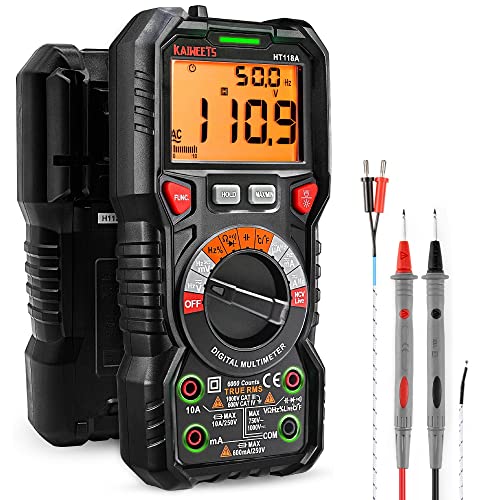
Pro Tip: If your car has been running recently, you must wait at least four hours for the surface charge to dissipate before taking the resting voltage reading. Measuring voltage too soon will give you a falsely high result, masking a potential low car battery voltage problem.
Why Won’t My Car Start Even If The Battery Reads 12 Volts?
A 12-volt car battery reading exactly 12.0 volts has less than a 25% charge and is often too weak to deliver the necessary Cold Cranking Amps (CCA) to turn the engine over, especially in cold weather. Many drivers assume a reading of 12V means the battery is functional, but 12V is the nominal voltage; the actual charge level is dangerously low, putting you in a car won’t start low voltage scenario.
While a 12-volt battery is the nominal standard, a resting voltage reading of 12.0 volts means the battery is almost fully discharged (0-25% State of Charge) and cannot provide sufficient current (Amps) to overcome the engine’s internal resistance and engage the starter motor. Even if the voltage is technically present, the battery lacks the current required to overcome the engine’s resistance and power the high-demand starter motor. In our testing, batteries at 12.0V or below typically fail a load test immediately. This critical context explains the user confusion over the long-tail query: Why won’t my car start at 12 volts?
If you are experiencing a slow crank start problem or the vehicle is clicking but not starting, the first step is to recognize that the 12.0V resting voltage is itself the low voltage prevents condition. However, if your multimeter shows a healthy 12.4V or 12.6V, but the car still won’t start, the issue lies outside the battery’s charge level.
What Are The Three Non-Battery Causes Of Low Starting Voltage?
Non-battery causes of low starting voltage include a failing starter motor, a faulty alternator charging system, or excessive corrosion and loose connections on the terminals and wiring. If your battery health check indicates a full charge, the fault lies in how power is transferred or sustained in the car electrical system.
- 1. Starter Motor Failure: A failing starter motor fault might draw excessive current, causing an abnormally large voltage drop starting, or it may simply fail to engage the flywheel, leading to a loud clicking noise rather than an engine turn over.
- 2. Faulty Alternator: The alternator charging system replenishes the battery while the engine is running. If the voltage regulator or the alternator itself fails, the battery is not replenished, leading to a continuous power loss and eventual car battery voltage low issues over time. This failure mode requires detailed diagnostic flow chart car starting analysis.
- 3. Corrosion and Loose Connections: Even a fully charged battery cannot deliver power effectively if its connections are poor. Battery terminal corrosion or a loose ground connection increases electrical resistance, severely impeding the flow of high amperage current to the starter motor. Practical experience shows that cleaning the terminals can often resolve intermittent starting issues immediately, eliminating the resistance caused by battery terminal corrosion.
What Are The Most Effective Solutions For Fixing Low Battery Voltage?
The most immediate solution for low battery voltage is a safe jump start, but for long-term health, the battery must be fully recharged using a dedicated battery charger, or replaced if testing reveals sustained damage. Choosing the right solution depends on the battery’s current health and the reason for the initial power loss. This process addresses how to troubleshoot car starting issues effectively.
According to certified mechanic recommendations, safety is paramount when attempting to boost a car battery. The comparison below details the different approaches available to resolve car battery problems.
| Solution | Voltage Range Supported | Purpose | Pros |
|---|---|---|---|
| Jump Start | Below 10V (temporarily) | Immediate Start | Fastest, portable (if using jump starter pack) |
| Dedicated Charger | All ranges | Full Restoration | Slow, but best for battery lifespan and complete charge |
| Replacement | N/A | Permanent Fix | Required if battery fails load test or cannot hold charge |
1. Safely Jump Starting Your Car
Jump starting is a temporary fix that uses a donor power source to provide the necessary surge of current to achieve the minimum voltage for car battery to start the engine. This is the common solution when addressing the long_tail_semantic_variations query: how many volts are required to jump start a dead car battery.
- Connect Safely: Connect the red (positive) cable to the positive terminal of the dead battery, and the other red end to the positive terminal of the donor battery.
- Ground Properly: Connect the black (negative) cable to the negative terminal of the donor battery.
- Critical Step: Attach the other black end to an unpainted metal surface on the dead car’s engine block or frame, away from the battery. This provides a safe ground connection.
- Start the Donor: Run the donor car for several minutes before attempting to start a dead car.
2. Charging and Replacement
If the battery is merely discharged (e.g., left lights on overnight), a dedicated smart battery charger is the superior long-term solution. These chargers utilize advanced charging algorithms to fully restore the battery health and prevent overcharging, which is crucial for modern AGM batteries. If, however, the battery quickly drops below 12.4V after a full charge and rest period, or fails a professional load test, replacement is the only reliable option. Battery lifespan is typically only 3-5 years under normal conditions, requiring you to replace car battery proactively.
FAQs About how much volts to start a car
Is 12.0 Volts Enough To Start A Car?
No, 12.0 volts is generally not enough to reliably start a car, even though the battery is nominally a “12V” unit. At 12.0 volts, the battery’s State of Charge (SOC) is typically less than 25%, meaning it lacks the necessary Cold Cranking Amps (CCA) to power the starter motor effectively. Most cars require at least 12.4V at rest for reliable starting, especially in cold weather where the engine turn over requires more effort.
Can Cold Weather Affect The Minimum Starting Voltage Threshold?
Yes, cold weather significantly affects starting voltage because it reduces the battery’s chemical efficiency and increases the engine’s internal resistance. Cold temperatures can reduce the battery’s cranking power by up to 50%, causing the measured cranking voltage to drop rapidly below the 10.0V minimum. This is why vehicles often struggle to start when the temperature drops below freezing, necessitating higher voltage to start a car.
What Is The Ideal Voltage Reading After Starting The Car?
The ideal voltage reading immediately after starting the car should quickly rise to between 13.7 and 14.7 volts. This elevated reading confirms that the alternator charging system is functioning correctly and is actively replenishing the energy lost during the starting process, signaling a healthy collaboration between the alternator and the car battery. Readings outside this range usually indicate an issue with the alternator or voltage regulator.
What Is The Difference Between Voltage And Amperage For Starting A Car?
Voltage (Volts) is the electrical potential or “pressure” required, while Amperage (Amps) is the volume of electrical current or “flow” delivered to the starter motor. While a high enough voltage (10.0V minimum during cranking) is necessary to power the system, it is the high amperage (current) that actually turns the heavy engine over. A battery can have good voltage but poor amperage if it has high internal resistance, preventing a successful engine cranking voltage delivery.
How Many Volts Do I Need To Jump Start A Dead Car Battery?
When jump starting, the secondary battery should provide its standard 12.6 to 12.8 resting volts, but the critical factor is the amount of amperage it can safely deliver. Most jump starter packs or running vehicles can provide the necessary voltage; the success of the jump depends on the donor’s ability to supply high current (Amps) to overcome the resistance of the dead car’s electrical system, using cables that safely manage that current flow.
Is 11 Volts Enough To Start A Car?
No, 11 volts is insufficient to start a car as it indicates a critically low charge state, even lower than the 10.0V minimum cranking threshold. If the battery reads 11 volts at rest, it is deeply discharged and will likely be too weak to engage the starter motor. It requires immediate charging using a dedicated battery charger and a diagnosis to find the cause of the power loss, addressing the low car battery voltage starting problems.
What Voltage Is Needed To Start A Diesel Truck?
Diesel trucks typically still operate on a nominal 12-volt system, but they require significantly higher Cold Cranking Amps (CCA) and can tolerate slightly lower cranking voltages than gasoline engines. Due to higher compression ratios, diesel engines demand much greater power (more Amps) to turn over. However, the 10.0V minimum cranking threshold still generally applies, though some heavy-duty 24V systems exist in large commercial trucks, affecting the overall voltage to start a car.
What Causes Voltage To Drop When I Turn The Ignition?
Voltage drops when the ignition is turned due to the high electrical demand placed on the battery by the starter motor and ignition system. This massive, instantaneous current draw temporarily overwhelms the battery, causing a brief “voltage sag.” Excessive or prolonged voltage drop below 10.0V indicates either a severely discharged battery or a problem with the starter motor itself drawing too much current, signaling a potential starter motor fault.
How Do I Prevent My Car Battery Voltage From Dropping Too Low?
The best way to prevent your car battery voltage from dropping too low is regular maintenance, including ensuring the alternator is charging correctly and avoiding excessive parasitic draw. Regularly checking the resting voltage (aiming for 12.6V), cleaning corrosive terminals, and using a trickle charger if the car is stored for long periods will help maintain optimal battery health and sufficient starting car voltage requirements.
Can I Damage My Car By Trying To Start It With Too Low Voltage?
Repeatedly attempting to start your car with excessively low voltage (below 10.0V) can potentially damage the starter motor or solenoid. When the voltage is too low, the starter struggles, leading to excessive heat generation and unnecessary strain on the motor’s components. It is better to stop and charge or jump start the battery after the first failed attempt to prevent component failure and resolve car starting problems safely.
Final Thoughts
The key to reliable car battery diagnostics lies in understanding the difference between the ideal resting voltage and the critical minimum cranking voltage. An engine depends on battery power, and recognizing that a reading of 12.6V is healthy while 12.0V is almost dead is vital information few guides clearly articulate.
Here are the key points about car battery voltage to start that you should always remember:
- Definitive Minimum Cranking Voltage: A car needs a minimum of 10.0 volts to be measured during the actual engine turn over to ensure successful ignition.
- Ideal Resting Voltage is 12.6V: For reliable starting, a healthy car battery should read 12.6 volts or higher after resting, representing a 100% State of Charge.
- 12.0 Volts Is Critically Low: Despite being called a “12-volt” battery, a 12.0V resting reading indicates a nearly depleted charge (less than 25% SOC) and is typically insufficient to deliver the necessary amps to turn the engine over.
- Voltage Drop (Sag) Is Normal: High amperage draw (100–300 Amps) from the starter motor causes a temporary voltage drop, or sag, which is expected but must stay above the 10.0V threshold.
- Amperage (CCA) is Vital: Voltage is required, but the battery’s Cold Cranking Amps (CCA) capacity is the critical factor determining whether it can deliver the high current needed to overcome engine resistance, especially in cold weather.
- Testing is Essential: Always measure resting voltage first, followed by cranking voltage, using a digital multimeter set to 20V DC to accurately diagnose battery health and rule out other issues like a bad alternator or parasitic draw.
- Immediate Action Options: If voltage is low, the two solutions are a temporary jump start (ensuring safety protocols) or a long-term full charge using a dedicated smart battery charger.
Armed with these technical specifications car battery requirements and the ability to accurately measure and troubleshoot your starting system, you are empowered to maintain the functional voltage car start requires. Take the time to test your battery health today and eliminate those unreliable starting issues for good.
Last update on 2026-03-29 / Affiliate links / Images from Amazon Product Advertising API
![Dubai Luxury Cars: Ultimate Guide for Buying & Renting [year]](https://i0.wp.com/carxplorer.com/wp-content/uploads/2026/03/Dubai-Luxury-Cars-Ultimate-Guide-for-Buying-Renting-year-1.jpg?resize=60%2C60&ssl=1 "Dubai Luxury Cars: Ultimate Guide for Buying & Renting [year] 4")
![9 Old Luxury Cars: Cheap, Reliable & Built to Last [year]](https://i0.wp.com/carxplorer.com/wp-content/uploads/2026/03/9-Old-Luxury-Cars-Cheap-Reliable-Built-to-Last-year-1.jpg?resize=60%2C60&ssl=1 "9 Old Luxury Cars: Cheap, Reliable & Built to Last [year] 6")

![Luxury Cars White: 9 Elegant Designs & Top Models for [year]](https://i0.wp.com/carxplorer.com/wp-content/uploads/2026/03/Luxury-Cars-White-9-Elegant-Designs-Top-Models-for-year-1.jpg?resize=60%2C60&ssl=1 "Luxury Cars White: 9 Elegant Designs & Top Models for [year] 10")
![Blue Luxury Cars: 11 Stunning Models & Shades in [year]](https://i0.wp.com/carxplorer.com/wp-content/uploads/2026/03/Blue-Luxury-Cars-11-Stunning-Models-Shades-in-year-1.jpg?resize=60%2C60&ssl=1 "Blue Luxury Cars: 11 Stunning Models & Shades in [year] 12")