
Wondering how much to repair a keyed car? You’re not alone, and the frustration of seeing that ugly scratch is a feeling many car owners unfortunately share. The uncertainty about the repair cost can be just as stressful as the damage itself.
On average, repairing a keyed car can cost anywhere from $150 to over $2,500. The final price is determined by the scratch depth, its length, and the number of panels affected. Minor surface scratches may cost $150-$300 to buff out, while deeper scratches on a single panel typically range from $300 to $1,000.
Based on an analysis of real-world cost data and industry-standard pricing, this guide breaks down every factor. You will learn how to assess the damage yourself using a simple test. This article reveals the true costs of DIY vs. professional repairs so you can make the best choice for your vehicle and budget.
Key Facts
- Vandalism is an Insurance Matter: A keyed car is considered vandalism, which is typically covered under the comprehensive portion of your auto insurance policy, not collision.
- Depth Drives the Cost: The most significant cost factor is the scratch depth. A shallow scratch in the clear coat is far cheaper to fix than one that reaches the bare metal.
- DIY is a Trade-Off: Do-it-yourself repair kits can save money, but a poor application can actually lower your vehicle’s resale value and may not prevent future rust.
- Professional Quality Uses Tech: Reputable body shops use tools like spectrophotometers to get a perfect paint color match, ensuring the repair is invisible.
- A Police Report is Crucial: Filing a police report is a critical first step. It provides official documentation of the vandalism, which is almost always required by insurance companies to process a claim.
How Much Does It Cost To Fix a Keyed Car?
On average, repairing a keyed car can cost anywhere from $150 to over $2,500. This wide range exists because the final bill depends entirely on the severity of the damage. A short, shallow scratch that only affects the top clear coat might be buffed out by a professional detailer for $150 to $300. However, most deliberate keying incidents are deeper and more malicious.

For a deep scratch on a single body panel, such as a door or fender, you can expect the keyed car repair cost to be between $400 and $1,000. This type of professional repair involves sanding, filling, priming, and respraying the area with perfectly matched paint. If the damage spans across multiple panels, the cost to fix the keyed car can easily exceed $2,500, as each panel requires the same meticulous process. The key is to first understand the factors that determine your specific cost.
What Key Factors Determine Your Repair Cost?
The cost of a keyed car repair is primarily determined by four factors: the depth of the scratch, the length and location of the damage, the number of panels affected, and the vehicle’s paint color and type. Understanding these variables will help you estimate where your repair will fall on the price spectrum and have a more informed conversation with a body shop. A scratch that has penetrated to the metal will always be significantly more expensive to repair than one only in the clear coat.
Here are the four key factors explained in detail:
- Scratch Depth: This is the single most important factor. Automotive paint has four layers: clear coat, base coat (color), primer, and the metal panel. The deeper the scratch, the more labor and materials are needed to fix it.
- Scratch Length and Location: A long scratch is more expensive to fix than a short one. Furthermore, a scratch that crosses a complex body line or extends to the edge of a panel is more difficult and time-consuming to blend, increasing labor costs.
- Number of Panels Damaged: The cost is calculated on a per-panel basis. If a vandal drags a key across your car’s entire side, hitting the fender, both doors, and the rear quarter panel, you are essentially paying for four separate repairs. This is how costs can quickly escalate into the thousands.
- Vehicle Type and Paint Color: Luxury vehicles often have higher labor rates at certified shops. More importantly, certain paint colors are harder to match. Tri-coat paints (like many pearl whites and vibrant reds) and metallic finishes require more skill and time to blend, which increases the final price.
How Can You Check The Scratch Depth? (The Fingernail Test)
To check the depth of a car scratch, first clean the area, then gently run your fingernail across it. This simple, no-tools-required test is surprisingly effective and is the same method professionals use for a quick initial assessment. If your nail glides over it without catching, the scratch is in the clear coat. If your nail catches in the scratch, it has reached the deeper paint or primer layers.
Here is a simple 3-step guide:
- Clean the Area: Wash the scratch with soap and water and dry it thoroughly. This removes any dirt or debris that could give you a false reading.
- Run Your Fingernail Across the Scratch: Gently drag the tip of your fingernail perpendicular to the direction of the scratch. Don’t press hard; you are just feeling for a groove.
- Analyze the Result:
- Nail Does Not Catch: If your nail glides smoothly over the scratch, it is a shallow surface scratch confined to the clear coat. This is the best-case scenario and can often be buffed out.
- Nail Catches: If your nail catches in the groove, the scratch has penetrated through the clear coat and into the color coat or even the primer below. This is a deep scratch that will require paint to fix. If you can see bare, shiny metal, you have a metal-depth scratch, the most severe type.
What Is the Cost Breakdown for Different Repair Methods?
Deciding how to fix your keyed car involves choosing between a DIY approach and professional services, each with different costs and outcomes. The right choice for you depends on the damage level, your budget, and your quality expectations. A DIY touch-up paint kit can be a budget-friendly option for minor scratches, but a professional respray is necessary for deep damage and a flawless finish.
This table breaks down your options based on the “Fingernail Test” results:
| Damage Level (Fingernail Test) | Repair Method | Estimated Cost (2026) | Required Skill | Expected Outcome |
|---|---|---|---|---|
| Level 1: Clear Coat Scratch (Nail doesn’t catch) | DIY Polishing/Waxing Kit | $25 – $75 | Beginner | Scratch becomes nearly invisible. |
| Level 1: Clear Coat Scratch (Nail doesn’t catch) | Professional Buff & Polish | $150 – $400 per panel | Professional | Flawless, like-new finish. |
| Level 2: Paint Scratch (Nail catches slightly) | DIY Touch-Up Paint Kit | $50 – $150 | Intermediate | Prevents rust, but repair may be visible up close. |
| Level 3: Primer/Metal Scratch (Nail catches deep) | Professional Paint Repair | $400 – $1,000 per panel | Professional | Seamless factory-finish repair. |
| Extensive Damage (Multiple panels) | Professional Multi-Panel Respray | $1,000 – $2,500+ | Professional | Full restoration of all damaged areas. |
How Do You Fix a Keyed Car Yourself (DIY)?
Fixing a keyed car yourself with a DIY repair kit is the most budget-friendly option, but it comes with significant risks. This method is only recommended for minor, Level 2 scratches where your primary goal is to cover the damage and prevent rust, not to achieve a perfect finish. The process involves cleaning the scratch, applying thin layers of paint, adding a clear coat, and then polishing the area.
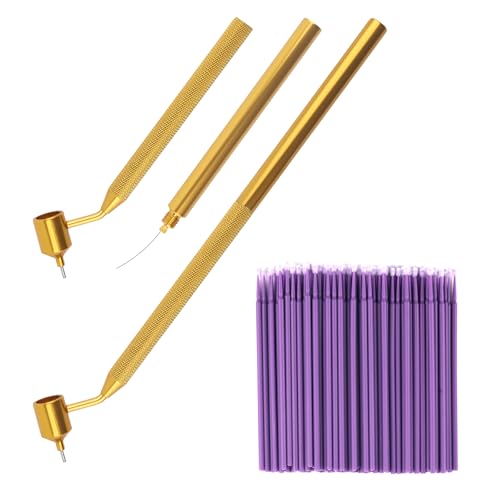
Steps for Using a Paint Pen
A touch-up paint pen is the most common DIY tool. For the best possible result, follow these steps:
- Find Your Paint Code: Locate your car’s exact paint code, usually found on a sticker in the driver’s side door jamb. Order a kit that matches this code.
- Clean and Prep: Thoroughly wash and degrease the scratch. You want the new paint to adhere to a perfectly clean surface.
- Apply Thin Coats: Shake the paint pen for at least 60 seconds. Apply very thin layers of paint inside the scratch, allowing each layer to dry for 30-60 minutes. The key is to build up the paint slowly to avoid a “paint blob.”
- Add Clear Coat: Once the color is level with the surrounding paint, apply a thin layer of clear coat from your kit.
- Polish (Optional): After the clear coat has cured for at least 24 hours, you can use a fine polishing compound to try and blend the repair and improve the shine.
Pros and Cons of DIY Repair
✅ Pros:
* Low Cost: The biggest advantage is the price, typically under $150.
* Prevents Rust: Properly covering a scratch that has reached the metal will prevent corrosion.
❌ Cons:
* High Risk of Poor Results: It is very difficult to achieve a smooth, even finish.
* Visible Repair: The repair is often visible up close due to color variations or an uneven texture.
* Can Lower Resale Value: A sloppy, noticeable DIY repair can detract from your car’s value more than the original scratch.
Why Should You Choose a Professional Repair?
Choosing a professional repair for a keyed car guarantees a seamless, factory-quality finish that is often backed by a lifetime warranty. While more expensive, this is the only way to ensure the damage truly disappears and your vehicle’s resale value is protected. Professionals use advanced tools and techniques that are impossible to replicate in a home garage.
This method is essential for deep scratches (Level 3), extensive damage across multiple panels, and for any owner concerned with maintaining the pristine condition and value of their car.
Benefits of Professional Repair
- 🎨 Perfect Color Match: Reputable shops use a spectrophotometer, a device that scans your car’s paint to get a precise digital color formula. This eliminates the guesswork of paint color mismatch that plagues DIY repairs.
- 🖌 Invisible Repair (Blending): Technicians don’t just paint the scratch. They expertly blend the new paint into the adjacent areas of the panel, creating a gradual transition that makes the repair undetectable to the human eye.
- 💰 Restores Resale Value: A seamless, professional repair fully restores the vehicle’s aesthetic and protects its market value. A bad DIY job does the opposite.
- 🛡 Prevents Future Rust: Professionals properly seal the metal with high-quality primer before painting, offering the best possible protection against future corrosion.
- 📄 Includes a Warranty: Most I-CAR Gold Class and other certified body shops offer a lifetime warranty on their paintwork, giving you peace of mind that the repair will last.
Should You Claim a Keyed Car on Insurance?
Yes, a keyed car is typically covered under the comprehensive portion of your auto insurance policy, but you should only file a claim if the repair cost is significantly higher than your deductible. A keyed car is an act of vandalism, which is a “not-at-fault” incident. Filing a claim for minor damage, however, may lead to a future premium increase that costs more than the repair itself.
Before calling your insurance agent, use this simple framework to decide if a claim makes financial sense.
Rule of Thumb: Only file an insurance claim if the professional repair estimate is at least $500 more than your comprehensive deductible.
For example, if your deductible is $500 and the repair estimate is $800, it does not make sense to file a claim. You would pay $500 out of pocket, and your insurance would only cover $300, all while risking a potential rate hike. If the estimate is $2,000, filing a claim is a logical choice.
File a claim if:
* The repair estimate is much higher than your deductible.
* The damage is extensive and covers multiple body panels.
* You have a low deductible (e.g., $250 or less).
* You have already filed a police report for the vandalism.
Avoid filing a claim if:
* The repair cost is close to or less than your deductible.
* The damage is a minor scratch you can live with or repair cheaply yourself.
* You are concerned about any potential increase in your insurance premiums.
FAQs About how much to repair keyed car
What should I do immediately after my car is keyed?
First, take detailed photos and videos of the damage from multiple angles before moving the car. Then, file a police report, as this is considered an act of vandalism and the report is required if you decide to file an insurance claim. Finally, get at least two estimates from reputable body shops.
Do I need a police report for a keyed car?
Yes, it is highly recommended you file a police report. While not legally required to get the car repaired, a police report is almost always necessary for your insurance company to process a vandalism claim. It officially documents the incident, which is crucial for coverage.
Will a vandalism claim make my insurance rates go up?
It might, but it is less likely to than an at-fault accident claim. Vandalism is a “not-at-fault” incident. While some insurers may slightly increase rates after any claim, many will not for a single comprehensive claim. Check with your specific insurance provider for their policy.
How do I find my car’s exact paint code for a DIY repair?
You can find the paint code on the vehicle’s compliance plate or sticker. This is usually located inside the driver’s side door jamb, in the glove box, or under the hood. The code is essential for ordering a touch up paint match to ensure the color is correct.
Can a detailer fix a keyed car?
A detailer can only fix very minor scratches confined to the clear coat. If your fingernail does not catch on the scratch, a professional detailer can often buff out the scratch completely using compounds and polishes. They cannot fix scratches that have gone through to the paint or primer.
Is it worth fixing a keyed car?
Yes, it is almost always worth fixing to prevent rust and maintain resale value. An unrepaired deep scratch will expose the metal to the elements, leading to rust and much costlier repairs later. Even a minor cosmetic repair is better than leaving exposed metal.
How long does it take to repair a keyed car?
A simple buff-out can take 1-2 hours, while a full panel respray can take 2-4 days. The time depends entirely on the repair’s complexity. Painting involves multiple steps including prep, application, and curing the paint, which requires significant time.
Why is keyed car repair so expensive?
The cost comes from the labor-intensive process of creating a seamless finish. It’s not just about applying paint. Professionals must perfectly match the color, blend the new paint into the old, and replicate the factory’s orange peel texture matching, all of which requires immense skill and specialized equipment.
Can you fix a keyed car with WD-40 or toothpaste?
No, these are myths and do not work. WD-40 may temporarily fill in a microscopic scratch, making it seem less visible, but it will wash away. Toothpaste is an abrasive that can dull and damage your clear coat, making the problem worse. Use only products designed for automotive paint.
How can I prevent my car from being keyed again?
Park in well-lit, high-traffic areas or a secure garage whenever possible. Consider installing a dashcam with a parking mode that records incidents when the car is off. Applying Paint Protection Film (PPF) or a ceramic coating can also add a durable, sacrificial layer over your paint.
Key Takeaways: Keyed Car Repair Cost Summary
- Cost is Determined by Depth: The single biggest factor is scratch depth. Use the “Fingernail Test” to diagnose your damage: if your nail catches, it’s a deep scratch requiring professional help.
- Clear Price Tiers Exist: A professional buff-out for surface scratches is $150-$400, while a deep scratch repair requiring paint is $400-$1,000 per panel. A DIY kit costs under $150 but is only for minor scratches.
- DIY is Risky: While cheap, DIY repairs often result in a visible paint color mismatch or uneven finish. Only attempt it on minor clear coat scratches if you are willing to accept an imperfect result.
- Professionals Guarantee Quality: Paying a professional paint job from an ASE certified technician is expensive but ensures a seamless repair, a guaranteed color match, and protects your car’s resale value.
- Use Insurance Wisely: Only file an insurance claim under your comprehensive coverage if the repair estimate is significantly higher than your deductible. Otherwise, you risk a premium increase for a small payout.
- Always File a Police Report: Immediately after discovering the damage, take photos and file a police report. This is essential for any potential insurance claim for vandalism.
Final Thoughts on How Much to Repair a Keyed Car
Deciding how to handle a keyed car ultimately comes down to a clear-eyed assessment of three things: the damage, your budget, and your standards for quality. By using the simple Fingernail Test, you can quickly diagnose the severity and move past the initial frustration into a state of informed action.
Whether you opt for a quick DIY touch-up to prevent rust or invest in a guaranteed professional repair to restore your vehicle’s value, you now have the framework to make a confident choice. Get a professional estimate, weigh it against your insurance deductible, and choose the path that gives you the most peace of mind. Your car is a significant investment, and protecting its condition is always a smart move.
Last update on 2026-02-28 / Affiliate links / Images from Amazon Product Advertising API


