
Wondering how much it costs to polish a car and restore that showroom shine? You’re not alone. Many drivers struggle to understand the price differences between a basic polish and a full paint correction service. Getting a clear quote can feel confusing with so many variables at play.
The cost to professionally polish a car typically ranges from $150 for a basic polish and wax to $500 or more for comprehensive paint correction and a show car finish. These prices depend on factors such as the vehicle’s size, current paint condition, and the level of defect removal required. This process is a key part of automotive reconditioning that restores paint clarity.
Based on analysis of current market rates and professional detailer pricing, this guide breaks down every cost factor. You will discover exactly what determines the final price, from vehicle size to the specific type of service you need. This gives you the knowledge to choose the right service for your budget and avoid overpaying.
Key Facts
- Wide Price Spectrum: A basic professional polish can start around $150, while multi-stage paint correction services can easily exceed $1,000, demonstrating the importance of service level on cost.
- Vehicle Size Matters: Polishing an SUV or truck can cost 30-50% more than a compact car due to the increased surface area, directly impacting labor time and product usage.
- Paint Condition is a Primary Driver: The cost to remove heavy swirl marks or oxidation is significantly higher than a simple gloss enhancement, as it requires more intensive paint correction steps.
- DIY Initial Costs: A starter DIY car polishing kit, including a dual-action polisher and essential products, typically costs between $100 and $300, offering a budget-friendly alternative for those willing to invest the time.
- Hourly Rates for Professionals: Industry analysis reveals that professional detailers often charge an hourly rate between $20 and $25 for polishing, with elite specialists commanding rates of $50-$100+ for advanced paint correction.
How Much Does It Cost to Professionally Polish a Car in 2026?
The average professional car polishing cost in 2026 ranges from $150 to $500, but can climb to $1,200 or more for comprehensive paint correction services. A basic, single-stage polish for a sedan might be on the lower end, around $150-$300, designed to enhance gloss and remove very light imperfections. For more significant defect removal, such as deep swirl marks or oxidation, a multi-stage paint correction service is necessary and can cost upwards of $500. These prices reflect the detailer’s expertise, the time required, and the quality of products used.

This price variation is why getting a simple answer to “how much to polish a car” can be challenging. A professional detailer must assess the vehicle’s specific condition before providing an accurate quote. The cost ultimately comes down to the amount of labor and skill needed to achieve the desired result. A quick gloss enhancement takes far less time than a full restorative polish that makes the paint look brand new. Understanding these differences helps you set realistic budget expectations for your car polishing service.
What Factors Influence the Cost of Car Polishing Services?
The primary factors that influence car polishing costs are vehicle size, paint condition, the chosen service level, and the detailer’s expertise and location. These variables collectively determine the total labor time, the amount and type of products used, and the skill required to deliver a quality finish. A professional detailer with years of experience and specialized equipment will naturally charge more than a novice, but their proven results often justify the price. Why is car polishing so expensive in some cases? It’s a labor-intensive process that demands skill and precision.
Understanding these factors gives you transparency into why quotes can vary so dramatically. A large SUV with heavily oxidized paint requires significantly more work than a small sedan with only minor swirl marks. Let’s break down each of these key influencers.
How Does Vehicle Size and Type Affect Car Polishing Price?
Vehicle size directly impacts car polishing costs because a larger vehicle has more surface area, demanding more time, labor, and product to complete the job. This is a straightforward calculation for detailers: more paint to polish means more hours on the clock. Polishing a large SUV or truck can take several hours longer than a compact car, and the price will reflect that extra effort.
Based on real-world implementation, detailers often categorize vehicles to standardize pricing. Here’s a typical breakdown you can expect:
- Compact Cars: (e.g., Honda Civic, Ford Fiesta) These are the least expensive to polish due to their small size. Expect prices at the low end of any quoted range.
- Sedans: (e.g., Toyota Camry, BMW 3-Series) This is the standard baseline for most pricing.
- SUVs & Crossovers: (e.g., Ford Explorer, Toyota RAV4) These vehicles typically cost 25-40% more than a sedan.
- Large Trucks & Vans: (e.g., Ford F-150, Sprinter Van) These are the most expensive, often costing 50% or more than a sedan due to their massive surface area and complex body lines.
How Does Paint Condition and Type Influence Polishing Costs?
Paint condition is one of the most significant cost drivers because the severity of defects dictates the intensity of the polishing process required. A car with light swirl marks from automatic car washes needs a much different approach than one with deep scratches or heavy oxidation. More severe defects require more aggressive techniques, multiple polishing stages, and ultimately, more labor time.
Here are common paint problems and how they affect the price:
- Light Swirl Marks & Water Spots: These are minor defects that can often be removed with a simple one-step polish, keeping costs relatively low.
- Moderate Scratches & Holograms: These require a more intensive single-stage or a light two-step correction, increasing the price.
- Heavy Oxidation & Faded Paint: Restoring oxidized paint [a form of paint contamination where the surface becomes dull and chalky] requires compounding, a more aggressive form of polishing, which significantly raises the cost.
- Deep Scratches: Scratches you can feel with your fingernail may require wet sanding in addition to polishing, a specialized skill that comes at a premium.
- Black or Dark-Colored Cars: Polishing a black car often costs more. Because the dark paint shows every tiny imperfection, it requires more time and finesse to achieve a flawless, mirror shine without leaving behind buffer trails.
How Does the Chosen Service Level Impact Polishing Prices?
The polishing service level you choose directly corresponds to the cost, as each tier involves a different amount of labor and achieves a different level of defect removal. Detailers offer packages ranging from a quick gloss enhancement to multi-stage paint correction designed for a show car finish. Choosing the right level depends on your car’s condition and your desired outcome.
Here’s a breakdown of common service tiers:
- Maintenance Polish (or Polish & Wax): This is the most basic service. It involves a single, light machine polish to enhance gloss and remove very fine swirls, followed by a layer of wax for protection. It’s ideal for newer cars or those in excellent condition.
- One-Step Paint Correction: This is the most popular service. It uses a more capable compound and polish combination in a single stage to remove light-to-moderate defects like swirl marks, holograms, and light oxidation. It balances significant visual improvement with a moderate cost.
- Two-Step Paint Correction: This is a true restorative process. The first step uses a heavy cut polish (compound) to remove severe defects. The second step uses a finishing polish to refine the paint, removing any hazing from the compounding stage and creating extreme depth and gloss. This is necessary for achieving a mirror shine on cars with significant paint damage.
- Multi-Stage/Show Car Finish: Reserved for the most discerning clients, this can involve three or more stages of correction, including wet sanding, to achieve a near-perfect, flawless finish. This is the most expensive and time-consuming option.
What Are the Typical Costs for Different Car Polishing Service Tiers?
To provide clarity, car polishing costs are best understood when broken down into distinct service tiers, each with a specific goal and price range. A basic polish and wax service focuses on enhancing gloss, while advanced paint correction is a restorative process that removes significant defects. Premium packages often bundle correction with long-term protection like a ceramic coating. The table below outlines typical price ranges for a standard sedan in 2026, with costs for SUVs and trucks generally being 25-50% higher.
This tiered structure allows you to select a service that matches both your budget and your vehicle’s needs.
| Service Tier | Description | Typical Cost Range (Sedan) | Key Outcomes |
|---|---|---|---|
| Basic Polish & Wax | Single-stage machine polish for gloss enhancement and light swirl mark reduction, followed by wax application. | $150 – $300 | Enhanced gloss, minor swirl removal, temporary protection |
| 1-Step Paint Correction | More aggressive single-stage polish to remove light-to-moderate swirls, oxidation, and scratches. | $300 – $600 | Significant defect removal, high gloss, improved clarity |
| 2-Step Paint Correction | Heavy compounding followed by a finishing polish to remove severe defects, holograms, and achieve a mirror finish. | $600 – $1200 | Near-perfect paint, deep gloss, show car finish |
| Premium Paint Correction & Protection | 2-Step Correction combined with a durable ceramic coating application for long-term protection and enhanced shine. | $1200 – $2500+ | Permanent defect removal, superior protection, extreme gloss |
How Do DIY Car Polishing Costs Compare to Professional Services?
Choosing between DIY and professional car polishing involves a trade-off between cost, time, and quality of results. While DIY car polishing offers significant upfront savings on labor, it requires an investment in tools and products, a steep learning curve, and a considerable amount of your time. Professional services, though more expensive, provide expert skill, specialized equipment, and guaranteed results, saving you time and the risk of damaging your paint.
Practical experience shows that while a DIY approach can be rewarding, it’s not without risks. Using a machine polisher incorrectly can lead to buffer trails, holograms, or even clear coat burn. A professional detailer’s expertise minimizes these risks. The following table provides a direct comparison to help you decide which path is right for you.
| Factor | DIY Car Polishing | Professional Car Polishing Service |
|---|---|---|
| Initial Cost | $100 – $300 (for basic tools & products) | $150 – $2500+ (depending on service tier) |
| Ongoing Costs | Consumables (polishes, pads, towels) as needed | N/A (single service fee) |
| Time Investment | 4-12+ hours per vehicle (learning curve included) | 2-8 hours (customer’s time is minimal) |
| Required Tools | Orbital polisher, pads, compounds, polishes, microfiber towels, detailing clay | Rotary/DA polishers, paint depth gauge, specialized compounds, lighting |
| Skill Level | Beginner to Intermediate (risk of damage) | Expert (trained, certified detailer) |
| Results Quality | Good for light defects, often inconsistent finish | Excellent, consistent, defect-free finish |
| Risk of Damage | High (buffer trails, clear coat burn) | Low (experienced professionals) |
| Convenience | Flexible schedule, done at home | Drop-off/pick-up, mobile service options |
What Equipment Do You Need for DIY Car Polishing and Its Cost?
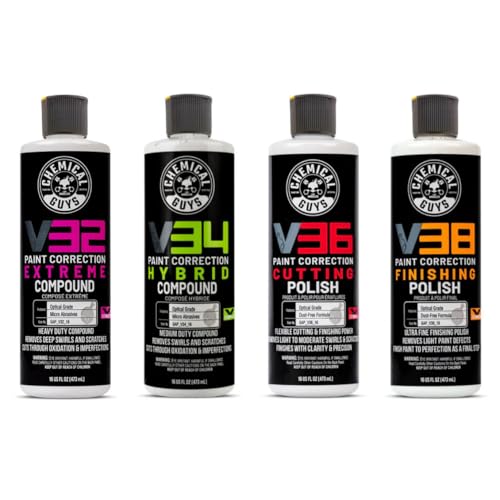
For a successful DIY car polishing project, you need a specific set of tools and products, with the initial investment typically ranging from $100 to $300. The most crucial piece of equipment is a dual-action polisher, which is much safer for beginners than a high-speed rotary polisher. Reputable brands like Meguiar’s and Chemical Guys offer complete starter kits that bundle many of these essentials.
Here is a checklist of the core items you’ll need and their approximate costs:
- Dual-Action (DA) Polisher: This is the heart of your DIY setup. A quality entry-level DA polisher [an orbital buffer that’s user-friendly] costs between $80 and $200.
- Polishing Pads: You’ll need a variety of foam pads for compounding (cutting) and polishing (finishing). A set of pads costs around $20 to $50.
- Compounds and Polishes: These are the abrasive liquids that remove defects. A good compound and polish combo from brands like Meguiar’s will cost between $30 and $70.
- Microfiber Towels: High-quality towels are essential for wiping away polish residue without scratching the paint. A good pack costs $15 to $30.
- Detailing Clay / Clay Bar: A clay bar treatment is crucial for removing bonded surface contaminants before you polish. A clay kit costs $10 to $20.

How Much Does Paint Correction Cost and When Is It Necessary?
Paint correction is a specialized and intensive form of polishing that costs between $300 for a single-stage process to over $1,200 for a multi-stage correction. It is necessary when your car’s paint has significant defects that a standard polish cannot fix. If you can see a web of swirl marks in direct sunlight, notice deeper scratches that don’t disappear when wet, or see dull, chalky patches of oxidized paint, you need paint correction, not just a simple polish.
A certified detailer performing professional paint correction uses advanced techniques and tools, such as a paint depth gauge, to safely remove defects without compromising the clear coat. Unlike a basic polish that primarily enhances gloss, paint correction aims to restore the paint to a like-new or even better-than-new condition. The goal is to create a perfectly flat, reflective surface, achieving that coveted mirror shine. This service is the foundation for a flawless finish, especially before applying a long-term protective solution like a ceramic coating.
What is the Difference Between 1-Stage and 2-Stage Paint Correction Pricing?
The main difference lies in the process and the level of defect removal, which directly impacts labor time and cost. A 1-stage paint correction is a more affordable option that offers significant improvement, while a 2-stage correction is a true restorative process for heavily damaged paint.
- 1-Stage Paint Correction ($300 – $600): This process uses a single type of polish and pad combination to remove light-to-moderate defects (around 50-70% of swirls and light scratches). It’s a balanced approach that dramatically enhances gloss and clarity in one step. It is essentially a heavy cut and finishing polish combined into one.
- 2-Stage Paint Correction ($600 – $1200+): This is a more comprehensive process for achieving near-perfect results (80-95%+ defect removal).
- Stage 1 (Compounding): Uses a heavy-duty compound and an aggressive cutting pad to remove deep swirl marks, scratches, and oxidation.
- Stage 2 (Polishing/Finishing): Uses a fine finishing polish and a soft pad to remove any micro-marring left by the compounding stage, refining the paint to a high-gloss, crystal-clear finish.
The 2-stage process takes at least double the time of a 1-stage, which is why the cost is substantially higher. It’s the go-to service for car enthusiasts, owners of black vehicles, or anyone seeking a true showroom shine.
Are There Any Additional Costs Associated with Car Polishing?
Yes, several additional services are often recommended or required to achieve the best results, and these can increase the total cost of a car polishing job. A reputable detailer will be transparent about these add-ons, explaining their benefits. These services either prepare the paint for a more effective polish or protect the finish after the correction is complete.
Be aware of these common additional costs:
- Clay Bar Treatment ($50 – $100): This is a crucial pre-polishing step. A clay bar removes bonded contaminants (like industrial fallout and tree sap) from the paint surface. Polishing without claying can grind these particles into the paint, causing more scratches. Most quality polishing services include this, but always confirm.
- Ceramic Coating ($500 – $2,000+): This is the ultimate post-polishing protection. A ceramic coating [a liquid polymer that creates a hard, durable layer of protection] lasts for years, providing superior resistance to chemicals, UV rays, and scratches. It’s a significant investment but locks in the results of your paint correction.
- Headlight Restoration ($75 – $150): If your headlights are yellow and hazy, it detracts from a freshly polished car. This separate service restores clarity, improving both aesthetics and nighttime visibility.
- Extensive Interior Detailing ($100 – $300): Many customers choose to pair an exterior polish with a full interior detail for a complete vehicle reconditioning.
How Can You Save Money on Car Polishing Services?
Saving money on car polishing doesn’t always mean choosing the cheapest option; it often involves making smarter choices and performing preventative maintenance. By understanding your vehicle’s needs and exploring different service options, you can get a great result without overspending.
Here are some practical tips to get an affordable car polish:
- Choose the Right Service Level: If your car only has very light swirls, don’t pay for a 2-stage correction. Opt for a more budget-friendly one-step polish.
- Maintain Your Paint: The best way to save money is to prevent damage in the first place. Regular, proper car washing techniques (like the two-bucket method) will prevent the swirl marks that make expensive corrections necessary.
- Consider a Mobile Detailer: Mobile detailers often have lower overhead costs than a fixed shop and may pass those savings on to you. Compare quotes between mobile and shop-based professionals.
- Look for Basic Packages: Many detailers offer an “express detail” or “polish and wax” package that provides a noticeable improvement for a lower price than a full correction.
- Tackle Light Jobs Yourself: For very minor imperfections, a DIY hand polish or a budget-friendly orbital buffer can provide good results and save you the labor cost.
How Much Should a Professional Car Detailer Charge per Hour for Polishing?
A professional car detailer typically charges an hourly detailing rate between $20 and $25 for standard polishing and paint correction services. This rate serves as a baseline for calculating the total cost of a job. For example, a 1-stage correction that takes 6 hours could be quoted around $150 in labor plus materials. However, this rate can vary significantly based on several factors.
For high-end, specialized work, such as multi-stage paint correction on a luxury or exotic vehicle, expert technicians can command rates of $50 to $100 or more per hour. These premium rates are justified by their years of experience, investment in specialized equipment (like high-end polishers and paint depth gauges), formal certifications, and a portfolio of proven results. When a detailer sets their price, they are factoring in not just their labor, but also their expertise, product costs, insurance, and shop overhead.
FAQs About how much to polish a car
How often should you polish a car?
You should generally polish your car once every 6 to 12 months to maintain its paint finish and address minor defects. The ideal frequency depends on factors like your driving environment, how often the car is washed, and whether it has a protective layer like wax or a ceramic coating. A car with a ceramic coating protects paint far longer and will require polishing much less frequently.
Is polishing bad for car paint?
No, when performed correctly, polishing is not bad for car paint; it is a safe and effective way to restore the finish. The process removes an extremely thin, microscopic layer of the clear coat to level out imperfections. However, improper or overly aggressive polishing can cause damage like buffer burn or premature clear coat failure, which is why professional expertise or careful DIY technique is crucial.
What is the difference between buffing and polishing a car?
Buffing generally refers to a more aggressive process using a coarse compound to remove significant defects like deep scratches and heavy oxidation. Polishing is a finer, less abrasive step that refines the paint surface, removes light swirl marks, and enhances gloss for a mirror shine. In a multi-step correction, buffing removes scratches first, and polishing improves gloss second.
Does polishing a car remove scratches?
Yes, car polishing is very effective at removing light to moderate scratches that are contained within the clear coat layer. The process works by abrading the paint around the scratch until the surface is level, making the scratch disappear. However, deep scratches that have gone through the clear coat to the color or primer layers cannot be fixed by polishing alone and require professional scratch repair.
How long does a professional car polish last?
The visual benefits of a professional car polish, such as gloss and clarity, can last from 6 to 12 months. The longevity depends heavily on aftercare. Regularly washing the car properly and applying a protective layer of wax or sealant is essential. Without protection, the polished surface is vulnerable to new damage. For a much longer-lasting result, a ceramic coating protects paint for several years.
Can I get a mobile car polishing service, and does it cost more?
Yes, many professional detailers offer excellent mobile car polishing services, providing the convenience of having the work done at your home or office. According to a mobile auto detailer pricing guide, the cost can sometimes be slightly higher than a shop-to-cover travel time and expenses. However, it can also be competitive or even cheaper as mobile operators may have lower overhead.
Is it worth polishing a black car?
Absolutely. It is especially worth polishing a black car because dark paint shows every single imperfection, from swirl marks to water spots. A professional polish can have a dramatic, transformative effect on a black car, restoring a deep, wet-looking mirror shine. While the cost to polish a black car may be slightly higher due to the extra care needed, the stunning results make it a worthwhile investment.
How much does it cost to polish car headlights?
The cost to polish car headlights, also known as headlight restoration, typically ranges from $75 to $150 for a pair. This service removes the yellowing and hazy oxidation that builds up over time, drastically improving both the vehicle’s appearance and nighttime visibility. It’s a common and highly effective add-on to a full car polish service.
What happens if you don’t wax after polishing?
If you fail to apply wax or a sealant after polishing, the newly exposed paint is left completely unprotected. Polishing removes old, damaged layers of wax and a microscopic layer of clear coat, leaving the paint vulnerable to UV rays, bird droppings, water spots, and other environmental contaminants. A polish requires wax or another protectant to shield the finish and lock in the gloss.
What should I do to maintain my car’s polished finish?
To maintain your car’s polished finish, you must adopt proper car washing techniques, using a pH-neutral soap and the two-bucket method to prevent new scratches. Dry the vehicle with soft, clean microfiber towels. Applying a quality spray sealant or wax every few months will also provide a crucial layer of protection to extend the life of the shine restoration.
Key Takeaways: How Much to Polish a Car Summary
- Professional Car Polishing Costs Vary Significantly: Expect to pay between $150-$500 for most services. A more intensive paint correction cost for severe defects can range from $500-$2500+, depending on the service tier, car size, and initial paint condition.
- Cost is Driven by Multiple Factors: Key influences include vehicle size (SUVs and trucks cost more), the extent of paint damage (swirl mark removal, oxidation removal), the chosen service level (1-step vs. 2-step correction), and the detailer’s hourly detailing rate.
- DIY Polishing is a Budget-Friendly Alternative: While professional services offer superior results, a DIY buff and polish with a basic orbital buffer can cost $100-$300 for setup. This saves on labor but requires a significant time investment and skill.
- Paint Correction is for Significant Defects: If your car has noticeable car paint scratches or heavy swirl marks, professional paint correction is necessary to restore the finish. This is a more involved process than a standard polish.
- Beware of Additional Costs: Services like clay bar treatment, headlight restoration, or ceramic coating are often add-ons that increase the total car detailing prices but offer enhanced protection and aesthetics.
- Saving Money is Possible: You can find an affordable car polish by choosing a service level appropriate for your car’s condition, maintaining your vehicle regularly, or considering reputable mobile detailers.
- Professional Expertise Justifies Price: A higher professional car polish price reflects a detailer’s years of experience and specialized equipment. This expertise minimizes the risk of damage and achieves a superior, mirror shine finish.
Final Thoughts on How Much to Polish a Car
Ultimately, understanding how much to polish a car involves evaluating your vehicle’s needs, your desired outcome, and your budget. Whether you opt for a professional paint correction to eliminate deep swirl marks or choose a DIY car polish for lighter defects, the investment significantly enhances your vehicle’s appearance and preserves its value.
Remember that quality car polishing services are an investment. By recognizing the factors affecting price, such as car size and paint condition, and considering the differences between DIY vs professional detailing, you can make an informed decision. Do not hesitate to seek out a reputable shop or a certified detailer for a personalized quote. Your car deserves a brilliant finish, and now you have the knowledge to achieve it.
Last update on 2026-02-21 / Affiliate links / Images from Amazon Product Advertising API



![How Much to Install a Hitch on Your Car Complete Guide [year]](https://i0.wp.com/carxplorer.com/wp-content/uploads/2026/02/How-Much-to-Install-a-Hitch-on-Your-Car-Complete-Guide-year-2.jpg?resize=60%2C60&ssl=1 "How Much to Install a Hitch on Your Car Complete Guide [year] 10")

