
Wondering how much to paint the hood of your car to fix that peeling clear coat or faded paint? You’re likely finding that getting a straight answer on cost is difficult. The price can seem to swing wildly from one shop to another.
Professionally painting a car hood typically costs between $400 and $1,000, while a do-it-yourself (DIY) approach can range from $100 to $300. This price varies based on factors like paint type, the extent of prep work needed for damage like scratches or rust, and whether the new paint needs to be blended into adjacent panels like fenders.
Based on an analysis of current 2026 industry data, this guide breaks down every factor that influences your final bill. We will explore the difference between a budget DIY job and a professional, warrantied finish. You will learn precisely what drives the cost, from labor rates to the critical process of paint blending.
Key Facts
- Labor Dominates the Bill: Industry analysis reveals that labor and preparation often account for 60-70% of the total cost of a professional paint job, demonstrating that the time spent on prep work is the biggest price factor.
- Wide Cost Spectrum: The price to paint a car hood can range from as little as $100 for a basic DIY aerosol can job to over $1,200 for a professional job involving extensive dent repair and color blending on a luxury vehicle.
- Blending Is a Quality Marker: Data from body shops shows that blending paint onto adjacent fenders can add $150 to $400 to the job. This process is considered essential for a perfect color match on modern metallic paints.
- Paint Systems Matter: A professional two-stage paint system (base coat + clear coat) costs significantly more than a single-stage paint but offers superior UV protection and durability, which is the standard for virtually all modern cars.
- Damage Increases Cost Significantly: Repairing a peeling clear coat requires the hood to be completely sanded down, making the cost nearly identical to a full repaint. Dent and rust repair can each add $50 to $300+ to the final invoice.
How Much Does It Cost To Paint The Hood Of A Car?
The cost to paint a car hood isn’t a single number; it’s a range that depends on the path you choose and the quality you expect. To get a clear picture, it’s best to break it down into the two main approaches: a professional paint job from a body shop or a do-it-yourself (DIY) project. For 2026, a professional job from a quality auto body shop will generally fall in the $500 to $900 range for a standard vehicle. This price includes high-quality materials, extensive prep work, and a warranty. On the other hand, a cheap paint job from a budget-focused chain like Maaco might start as low as $150-$300, but this often involves minimal surface preparation. For the DIY enthusiast, the cost is primarily in materials, which can run from $100 to $300.

This wide price gap exists for good reason. A professional service uses specialized equipment, like a controlled paint booth, and employs technicians with years of experience in achieving a factory-like finish. They also account for crucial steps like blending the new paint into the fenders for a seamless match. A DIY job saves all that labor cost but puts the burden of a time-consuming, multi-step process entirely on you, with a much higher risk of visible imperfections.
The final price tag is a direct reflection of the materials used, the hours of labor invested, and the condition of the hood before any work begins. A hood with a peeling clear coat and a few small dents will always cost more than one that just needs a simple scuff and respray.
What Are The Key Factors That Determine Hood Painting Costs?
The primary factors that determine hood painting cost are labor rates, the type and quality of paint materials, the extent of surface preparation required, and any necessary repairs for dents, scratches, or rust. Labor is consistently the largest part of the professional bill. Furthermore, the need to blend new paint into the car’s fenders to create a perfect color match can also significantly increase the final price. Understanding these variables helps you see why one quote might be $400 while another is over $1,000.
Here are the main factors that influence the price:
* Labor Rates: Professional body shop labor rates vary by location but typically range from $50 to $150 per hour.
* Paint & Material Quality: The cost differs greatly between a budget-friendly single-stage paint system and a premium, OEM-matched two-stage system with a durable clear coat.
* Hood Surface Condition: A hood with a factory finish that is just faded requires far less prep time than one with a severely peeling clear coat, deep scratches, or rock chips.
* Damage Repair: Any pre-existing damage, such as dents or rust spots, must be repaired before painting, which adds considerable labor and material costs.
* Paint Blending: To ensure an invisible repair, professionals often have to blend the new color onto the tops of the adjacent fenders, which increases labor time and material usage.
How Much Do Labor and Prep Work Contribute to the Cost?
Labor and preparation are the largest cost factors in a professional hood paint job, frequently making up 60-70% of the total price. Based on our experience, proper preparation for a hood can take a skilled technician 3 to 5 hours before any paint is even mixed. This is because a high-quality, long-lasting finish is almost entirely dependent on the meticulous work done to the surface beforehand. Labor isn’t just about spraying paint; it’s about the detailed process of sanding, cleaning, priming, and masking.
This panel prep work includes several time-consuming steps:
* Sanding the old paint to create a smooth, uniform surface.
* Feather-edging any paint chips, which means sanding their edges so they become smooth and won’t be visible after painting.
* Applying automotive primer to ensure paint adhesion and fill minor imperfections.
* Masking the rest of the vehicle, including the windshield, engine bay, and fenders, to protect them from overspray.
An experienced painter may command a higher hourly rate, but they often work more efficiently and produce a far superior finish, avoiding common DIY mistakes like paint runs or an “orange peel” texture.
How Do Scratches, Dents, or Rust Affect the Price?
Pre-existing damage like deep scratches, dents, peeling clear coat, or rust will significantly increase the cost of painting a hood because each issue requires a specific, labor-intensive repair process. A shop that offers to simply “paint over” damage is a major red flag; this will lead to the new paint failing and peeling within months. From our practical experience, proper repair is non-negotiable for a lasting job.
Here’s how different types of damage affect the price:
* Minor Scratches & Rock Chips: Surface-level scratches can often be sanded out during normal preparation with minimal added cost.
* Peeling Clear Coat: This is a major issue. The entire hood must be sanded down to the base layer or even bare metal to remove all the failing clear coat. This can easily add 2-3 hours of labor ($150-$300+) to the job.
* Dents: Small dent repair can add $50 to $300 or more to the bill. The process involves pulling the dent out and sometimes using a thin layer of body filler, which then needs to be perfectly sanded and primed.
* Rust: Rust is the most serious problem. It must be completely ground down to clean, bare metal. Painting over it will trap moisture and cause the new paint to bubble. Extensive rust removal can add several hundred dollars to the cost, as it’s a very time-consuming and dirty job.
How Do DIY and Professional Hood Painting Costs Compare?
A DIY hood paint job costs around $100-$300 for materials and requires significant time and skill for a decent result, while a professional job costs $400-$1,000+ but guarantees a high-quality, durable finish with a proper color match and warranty. Your choice ultimately depends on the trade-off between your budget, your expectations for quality, and your willingness to perform detailed, multi-step manual labor.
For those considering the two paths, a direct comparison reveals the true differences in cost, quality, and effort. A professional job costs more because you are paying for an expert’s time, specialized tools, and guaranteed results. A DIY job saves you the labor cost but transfers all the risk and work to you.
| Feature / Aspect | DIY Hood Painting | Professional Hood Painting |
|---|---|---|
| Estimated Cost | $100 – $300 | $400 – $1,200+ |
| Materials | Aerosol cans or budget paint kit, sandpaper, primer, clear coat. | High-solids urethane paint, OEM-matched base coat, automotive clear coat. |
| Labor Cost | $0 (your time, approx. 6-12 hours) | $200 – $700+ (included in total) |
| Required Tools | Basic (sanding block, masking tape) to advanced (spray gun, compressor). | Professional HVLP spray gun, paint booth, DA sander, polishing buffer. |
| Quality & Finish | Variable; high risk of “orange peel”, drips, poor color match. | Consistent, smooth, factory-like finish with excellent color match and gloss. |
| Durability & Warranty | Low durability, no warranty. | High durability (UV protection, scratch resistance), often includes a paint warranty. |
What Materials and Tools Are Needed for a DIY Hood Paint Job?
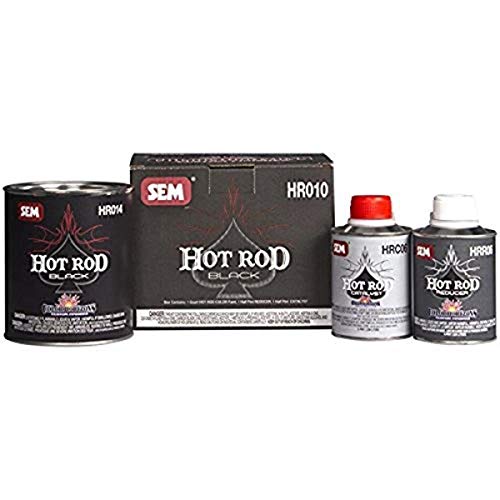
A successful DIY hood paint job requires materials like automotive sandpaper in various grits, grease and wax remover, primer, a color-matched base coat, and a durable 2K clear coat. The total material cost will typically be between $150 and $250. It’s crucial not to cut corners on materials, especially the clear coat, as this is what provides the shine and protection.
Here is a basic checklist of what you’ll need, broken down by category:
Preparation Supplies:
* Grease and Wax Remover
* Automotive Masking Tape and Paper
* Assorted Sandpaper Grits (e.g., 180, 320, 600, 1500-grit for wet sanding)
* Sanding Block
* Tack Cloth
Painting Supplies:
* Automotive Primer (aerosol or for a spray gun)
* Color-Matched Base Coat (aerosol or for a spray gun)
* 2K Clear Coat (This is critical. A “2K” product has a separate hardener you activate, making it far more durable and resistant to fuel and UV rays than a standard 1K aerosol can.)
Safety Gear:
* Respirator Mask (rated for paint fumes)
* Safety Goggles
* Nitrile Gloves
What Are The Different Types of Automotive Paint and How Do They Affect Price?
The two main types are single-stage and two-stage paint. Single-stage is an all-in-one color and gloss coat that is cheaper but less durable. A two-stage system, the modern standard, uses a separate base coat for color and a clear coat for gloss and protection, offering superior longevity and shine at a higher cost. The type of paint used is a primary driver of both the final cost and the quality of the finish.
Think of it like finishing a wooden table. A two-stage paint job is like applying a stain for color (the base coat) and then a separate polyurethane varnish for protection and shine (the clear coat). A single-stage paint tries to do both at once.
| Feature | Single-Stage Paint | Two-Stage Paint |
|---|---|---|
| Composition | Color and Gloss in one coat | Separate Base (Color) + Clear (Gloss & Protection) |
| Cost | Lower | Higher |
| Durability | Moderate | Excellent (Superior UV & scratch resistance) |
| Best For | Older vehicles, solid colors, budget repairs | Modern vehicles, metallic/pearl colors, quality repairs |
From years of working with automotive finishes, we can tell you that nearly all modern vehicles leave the factory with a two-stage paint job. The clear coat layer contains essential UV inhibitors that protect the color coat from fading and provide resistance against scratches and environmental damage. While single-stage paint is faster and cheaper to apply, it’s a significant downgrade in durability. If your car has a metallic or pearl finish, a two-stage system is the only way to replicate the original look.
Why Is Blending Paint Into Fenders Necessary and How Much Does It Add?
Blending involves partially painting adjacent panels, like fenders, to ensure a perfect color match with the newly painted hood. It’s essential for metallic or faded colors where a hard line between old and new paint would be obvious. This professional process typically adds $150 to $400 to the total cost but is absolutely critical for a high-quality, invisible repair. It is not an upsell; it is a mark of a quality paint job.
The reason blending is necessary is simple: your car’s original paint has been exposed to the sun and elements, causing it to fade slightly over time. Even if a shop uses the exact factory paint code, the new paint will be slightly different from the faded paint on the rest of the car. If they just painted the hood and stopped at the edge, you would see a noticeable color difference where the hood meets the fenders.
Blending solves this by “tricking” the eye. The painter applies the new color to the hood and then lightly fades it out over the tops of the fenders. This creates a gradual transition from the old color to the new, making the slight difference completely imperceptible. Our experience shows this is especially crucial for silver, gold, and other light metallic colors, where color variations are most apparent.
Bottom Line: If you want an invisible repair, especially on a car that isn’t brand new, blending is not an upsell—it’s a necessity.
FAQs About how much to paint hood of car
How long does it take to paint a car hood?
A professional shop typically takes 2-3 days to paint a car hood. This timeline allows for proper prep work, multiple paint coats with necessary drying time in between, and adequate curing for the clear coat before any final polishing. A DIY job can easily take a full weekend to complete correctly.
Is it cheaper to paint or wrap a hood?
Wrapping a hood is often cheaper than a high-quality paint job, typically costing between $200 and $500. A vinyl wrap can be applied more quickly, is completely reversible, and offers unique finishes not possible with paint. However, a quality paint job will last the lifetime of the car, whereas a vinyl wrap has a lifespan of about 5-7 years before it may start to fade or peel.
Can you just repaint the hood of a car?
Yes, you can absolutely paint just the hood. The main challenge, however, is achieving a perfect color match with the rest of the car’s panels, which have been exposed to sun and weather. This is why professionals strongly recommend blending the new paint into the tops of the adjacent fenders to ensure an invisible, seamless transition.
How much does Maaco charge to paint a hood?
Maaco’s cost to paint a hood can start as low as $150-$300 for their most basic service level. This entry-level price typically includes very minimal preparation. For a more durable finish that includes better prep work and a warranty, their prices are more in line with other body shops, often ranging from $400 to $600+.
How much paint is needed for a car hood?
For a typical car hood, you will need approximately one quart of base coat and one quart of ready-to-spray clear coat if using a professional spray gun. If you are using aerosol cans for a DIY project, a safe estimate is 3-4 cans of base coat and 2-3 cans of a high-quality 2K clear coat to achieve proper coverage and film thickness.
Is it worth repainting a car hood?
Yes, repainting a hood is worth it if you want to restore your car’s appearance, increase its resale value, and protect the underlying metal from corrosion. If the current paint is severely faded, chipped, or peeling, a new paint job is a significant cosmetic upgrade that also serves a critical protective function.
How much to fix peeling clear coat on a hood?
Fixing a peeling clear coat on a hood requires sanding the entire panel down, so the cost is nearly the same as a full repaint, typically $400-$900 at a professional shop. You cannot just apply new clear coat over a failing layer. The entire surface must be stripped of the old, peeling coat and refinished from the primer up for a lasting repair.
How much to paint a car hood matte black?
Painting a hood matte black can be slightly cheaper than a gloss color, often costing between $300 and $700 at a professional shop. This is because a matte finish does not require the extensive color sanding and buffing that a high-gloss finish does to achieve its final look. A DIY matte black job can be done for under $150 in materials.
Can I paint over existing hood paint?
Yes, but only if the existing paint is stable and in good condition. The surface must be thoroughly cleaned and then scuffed with fine-grit sandpaper (e.g., 600-grit) to create a “mechanical tooth” for the new paint to adhere to. If the old paint is cracked, peeling, or otherwise failing, it must be completely sanded down before repainting.
Do I need to prime a new, unpainted hood?
Yes, you must always prime a new hood before painting. Most aftermarket hoods arrive coated in a thin, black “e-coat” that is only for shipping protection. This e-coat is not a suitable primer; it must be sanded and then coated with a proper automotive primer to ensure the new paint adheres correctly and does not fail prematurely.
Key Takeaways: How Much to Paint Hood of Car Summary
- Price Varies Widely: Expect to pay $100-$300 for a DIY job and $400-$1,200+ for a professional paint job. The final cost depends entirely on the level of quality you demand.
- Labor is the Biggest Cost: Preparation work (sanding, cleaning, masking) is the most time-consuming part and often accounts for over 60% of a professional’s bill. Don’t underestimate the time required for a DIY project.
- Blending is Not an Upsell: For a truly invisible repair on any car that isn’t brand new, blending paint into the fenders is a necessary step to ensure a perfect color match and avoid a “checkerboard” look.
- Choose Two-Stage Paint for Durability: A modern two-stage system (base coat + clear coat) offers far superior gloss, UV protection, and longevity compared to cheaper single-stage paints.
- Damage Repair Adds Significant Cost: The price for a simple respray will increase substantially if the hood has dents, deep scratches, or rust that must be repaired first.
- DIY Saves Money, Not Necessarily Time: While DIY is the cheapest option, it carries a high risk of mistakes (runs, orange peel) and will not match the durability or finish of a professional job that comes with a warranty.
Final Thoughts on Your Car Hood Paint Job
Ultimately, the decision of how to paint your car hood comes down to balancing your budget against your expectations for quality and durability. There is no single “right” answer. For an older daily driver where you simply want to improve the look and prevent rust, a carefully planned and executed DIY job can be a rewarding and cost-effective solution. You trade your time and effort for significant cash savings.
However, for preserving the value and appearance of a newer or more valuable vehicle, a professional paint job is the superior investment. You are paying for a guaranteed result, a factory-like finish, a durable clear coat that will last for years, and the peace of mind that comes with a warranty. By understanding what goes into the cost, you can now have an informed conversation with a body shop and make the best choice for your car and your wallet.
Last update on 2026-02-21 / Affiliate links / Images from Amazon Product Advertising API
![How Much to Polish a Car Complete Cost Breakdown for [year]](https://i0.wp.com/carxplorer.com/wp-content/uploads/2026/02/How-Much-to-Polish-a-Car-Complete-Cost-Breakdown-for-year-2.jpg?resize=60%2C60&ssl=1 "How Much to Polish a Car Complete Cost Breakdown for [year] 4")

![How Much to Install a Hitch on Your Car Complete Guide [year]](https://i0.wp.com/carxplorer.com/wp-content/uploads/2026/02/How-Much-to-Install-a-Hitch-on-Your-Car-Complete-Guide-year-2.jpg?resize=60%2C60&ssl=1 "How Much to Install a Hitch on Your Car Complete Guide [year] 8")

