
Wondering how much to install a hitch on a car? You’re not alone. Many drivers are surprised by the wide range of prices they find online for this service. This variation often leads to confusion about what a fair price actually is.
The average cost to install a trailer hitch on a car ranges from approximately $250 for a simple DIY installation to over $1,200 for a complex, dealer-installed hitch with a full wiring package. This price includes both the hitch parts, which vary by class ($150-$800+), and professional labor, which typically runs between one and four hours ($100-$450). This cost depends heavily on your specific vehicle and the type of hitch.
Based on an analysis of current 2026 industry data, the total cost is determined by clear factors. These include the hitch class, your vehicle’s frame design, and the installer you choose. This guide breaks down every cost component so you can get a safe installation without overpaying. You’ll discover exactly how to choose the right option for your needs and budget.
Key Facts
- Total Cost Spectrum: The complete cost to get a hitch installed, including parts and labor, typically falls between $250 and $1,200, demonstrating the wide variability based on parts, labor, and provider choice.
- Labor Cost Component: Professional labor for a hitch installation generally costs between $100 and $450, representing 1 to 4 hours of work at typical shop rates.
- Parts Cost Component: The hitch receiver itself can range from $150 for a light-duty Class 1 hitch to over $800 for a heavy-duty Class 5 model designed for trucks.
- Wiring Adds Up: Adding a simple 4-pin wiring harness for trailer lights costs an additional $50 to $150, while a complex 7-pin connector with a brake controller can add $250 to $450 to the final invoice.
- Provider Choice Impact: Choosing a dealer is the most expensive route ($750+), while a trusted local mechanic or U-Haul provides a better value ($350-$700), and a DIY approach is the cheapest ($150-$400).
How Much Does It Cost to Install a Hitch on a Car?
The total cost to install a hitch on a car typically ranges from $250 to over $1,200. This price is a combination of two main things: the parts and the labor. Professional installation labor costs between $100 and $450. The hitch itself can cost from $150 to $800, depending on the class and vehicle type. For towing, wiring can add another $50 to $300 to the final price.

Based on 2026 pricing from multiple sources, the installer you choose has the biggest impact on your final bill. A dealership will always be the most expensive option but may be necessary for newer vehicles to protect complex electronics and warranties. Independent mechanics and specialty installers like U-Haul offer a balance of quality aftermarket parts and more reasonable labor rates. A Do-It-Yourself (DIY) installation is the most budget-friendly path, but it requires mechanical skill and the right tools.
Understanding how these options compare is the first step in setting a realistic budget. The following table provides a clear overview of what to expect from each type of installer. This helps you weigh the trade-offs between cost, convenience, and peace of mind.
| Feature | Professional Installation (Dealer) | Professional Installation (U-Haul/Mechanic) | DIY (Do-It-Yourself) |
|---|---|---|---|
| Total Cost Range | $750 – $1,200+ | $350 – $700 | $150 – $400 |
| Labor Cost | $250 – $600+ | $120 – $350 | $0 |
| Parts Quality | OEM or High-End Aftermarket | Quality Aftermarket (e.g., Curt, Draw-Tite) | Varies by purchase |
| Warranty | Yes, on parts & labor | Often, on parts & labor | Parts warranty only |
| Best For | New vehicles, warranty concerns, complex installs | Most vehicles, best value | Budget-conscious, mechanically skilled owners |
What Key Factors Determine The Total Hitch Installation Cost?
The 3 main factors that determine hitch installation cost are: 1. The Hitch Itself, 2. Your Vehicle’s Design, and 3. Labor Complexity. A heavy-duty hitch for a truck will always cost more than a light-duty one for a sedan. Similarly, a vehicle that requires drilling or bumper removal will have a much higher labor bill than one with simple, bolt-on mounting points.
These variables explain why a simple price quote is often misleading. To get an accurate estimate, you must consider the specific parts your vehicle requires and the work needed to install them safely. Let’s break down each of these factors.
What Is The Cost Difference Between Hitch Classes?
Hitch costs by class are: • Class 1: $150-$250 • Class 2: $200-$350 • Class 3: $250-$500 • Class 4/5: $400-$800+. The price of the hitch itself is directly related to its class rating. Higher-class hitches are made with more steel to handle heavier loads, making them more expensive.
- Class 1 Hitch: Costs around $150 – $250. This type supports up to 2,000 lbs, making it perfect for a Honda Civic carrying a two-bike rack or a very small cargo carrier.
- Class 2 Hitch: Costs about $200 – $350. Supporting up to 3,500 lbs, it’s a common choice for crossovers and minivans needing to pull a small aluminum fishing boat or a pop-up camper.
- Class 3 Hitch: Costs between $250 – $500. As the workhorse for many SUVs and light-duty trucks, it handles up to 8,000 lbs. This is the standard for most utility trailers and mid-size boats.
- Class 4/5 Hitches: Can cost $400 – $800+. These are for heavy-duty and super-duty trucks, designed to tow large RVs, horse trailers, and heavy equipment with capacities often exceeding 20,000 lbs.
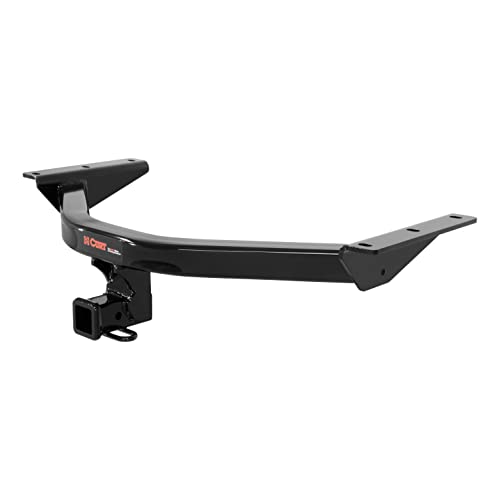
Understanding your towing needs is crucial. Buying a Class 3 hitch when you only need to carry a bike rack is an unnecessary expense. Conversely, trying to tow a heavy trailer with a Class 1 hitch is extremely dangerous. Always check your vehicle’s owner manual for its maximum towing capacity before choosing a hitch class.
| Hitch Class | Max Tow Weight | Typical Use | Example Vehicle | Parts Cost Range |
|---|---|---|---|---|
| Class 1 | Up to 2,000 lbs | Bike Racks, Small Cargo | Sedans, Compact Cars | $150 – $250 |
| Class 2 | Up to 3,500 lbs | Small Trailers, Pop-ups | Crossovers, Minivans | $200 – $350 |
| Class 3 | Up to 8,000 lbs | Utility/Boat Trailers | SUVs, Trucks | $250 – $500 |
| Class 4/5 | Up to 20,000+ lbs | RVs, Heavy Equipment | Heavy-Duty Trucks | $400 – $800+ |
How Does Your Vehicle Type Affect Labor Costs?
Labor costs are higher for cars and SUVs because the installation may require: 1. Removing the rear bumper fascia. 2. Lowering the exhaust system. 3. Drilling into the vehicle’s unibody frame. Trucks often have pre-existing mounting points, reducing labor time from 3-4 hours to just 1 hour. This difference in design is a primary driver of your final bill.
Most modern cars and SUVs use a unibody frame. Think of this like an eggshell, where the body and frame are one piece. Installing a hitch often means a technician must carefully remove plastic panels, lower the exhaust, and sometimes drill new holes into the structure. These steps add significant time and complexity, increasing labor costs. For example, installing a hitch on a Toyota RAV4 often requires these extra steps, adding an hour or more of labor.
In contrast, most trucks use a body-on-frame design, which is like a strong ladder that the cab and bed sit on. These frames are built for work and frequently come with pre-drilled holes from the factory specifically for mounting a hitch. A technician can often bolt the hitch directly to the frame in under an hour. This makes the installation on a vehicle like a Ford F-150 much faster and cheaper.
How Do Installation Costs Compare Between Different Providers?
Dealer hitch installation is the most expensive ($750-$1,200+) but offers an OEM warranty. U-Haul or a local mechanic is a more affordable option ($350-$700) using quality aftermarket parts. DIY is the cheapest ($150-$400) but carries the risk of incorrect installation and no labor warranty. Choosing the right provider is a balance of cost, expertise, and peace of mind.
Dealership Installation
- Pros: Uses Original Equipment Manufacturer (OEM) parts for a perfect fit. The work is covered by the dealer’s service warranty, which is crucial for leased or new vehicles. Technicians are factory-trained on your specific vehicle.
- Cons: By far the most expensive option due to high parts markups and labor rates.
- Best For: Owners of new or leased vehicles concerned about warranty protection and those with complex vehicles featuring advanced driver-assist systems.
U-Haul or Independent Mechanic
- Pros: Offers the best overall value. These installers use high-quality aftermarket brands like Curt or Draw-Tite and have much lower hourly labor rates. Many are highly experienced, performing these installations daily.
- Cons: Quality can vary between shops. It’s important to choose a reputable mechanic or a U-Haul location with good reviews.
- Best For: Most vehicle owners looking for a professional, safe installation at a reasonable price.
DIY (Do-It-Yourself) Installation
- Pros: The absolute cheapest option, as you only pay for the parts and any tools you might need to buy.
- Cons: Requires mechanical aptitude, proper tools (especially a torque wrench), and several hours of your time. There is no labor warranty, and a mistake can lead to unsafe towing or damage to your vehicle’s frame.
- Best For: Budget-conscious vehicle owners who are mechanically skilled and comfortable working on their car.
How Much Does It Cost to Install a Trailer Wiring Harness?
Wiring a hitch can cost from $50 to over $400. A basic 4-pin harness for trailer lights costs $50-$150 installed. A 7-pin connector, needed for trailer brakes, costs $150-$250. Installing a required electronic brake controller along with the 7-pin harness adds another $100-$200 to the total.
A common mistake is budgeting only for the hitch itself. If you plan to tow a trailer, you legally need a wiring harness to power its lights. If you are only using the hitch for a bike rack or cargo carrier, you can skip the wiring and save money.
- 4-Pin Wiring Harness: This is the most basic setup. It provides power for your trailer’s running lights, brake lights, and turn signals. A simple “plug-and-play” harness for a common truck might cost only $50-$100 installed. A more complex installation on a car could be closer to $150. You need a 4-pin harness if you are only towing a small utility trailer with lights.
- 7-Pin Wiring Connector: This is a more advanced setup required for larger trailers. It includes all the functions of a 4-pin plus circuits for electric trailer brakes, a 12-volt auxiliary power source (for a camper battery), and reverse lights. The installation is more involved and typically costs $150-$250.
- Brake Controller: If your trailer has its own electric brakes (usually required for trailers over 3,000 lbs), you must also install an electronic brake controller in your vehicle’s cab. This device manages the trailer’s brakes. A brake controller installation, including the part itself, adds another $100-$200 to the 7-pin wiring cost. Think of it as a separate brake pedal for your trailer, controlled from your driver’s seat.
FAQs About how much to install a hitch on a car
How long does it take to install a hitch?
A professional hitch installation typically takes between 1 and 4 hours. A simple, bolt-on hitch for a truck with a pre-drilled frame might only take 60 minutes. A more complex installation on a car that requires drilling, lowering the exhaust, and removing the rear bumper can take up to 4 hours, especially if it includes intricate wiring.
Does installing a hitch affect my car’s warranty?
No, installing an aftermarket hitch will not automatically void your vehicle’s warranty in the United States. According to the Magnuson-Moss Warranty Act, a manufacturer must prove that the aftermarket part directly caused the failure of a warranted part. However, using a reputable installer and a quality hitch is the best way to prevent any potential issues.
Can I install a trailer hitch on a leased car?
Yes, you can typically install a hitch on a leased car, but you must return the vehicle to its original condition at the end of the lease. This means the hitch must be a “bolt-on” type that requires no permanent modification like drilling or welding. You will be responsible for the cost of removing the hitch and repairing any holes or damage before returning the car.
Is it cheaper to install a hitch myself?
Yes, a DIY hitch installation is significantly cheaper as you only pay for the parts, saving $100-$450+ in labor costs. However, it requires the right tools (like a torque wrench), mechanical skill, and several hours of your time. An incorrect installation can be unsafe and may lead to costly damage to your vehicle’s frame.
How much does U-Haul charge to install a hitch?
U-Haul typically charges between $100 and $250 for labor to install a hitch, in addition to the cost of the parts. The final price depends on your vehicle’s complexity. For a common SUV or truck, you can expect a total installed price from U-Haul to be in the $300 to $600 range for a hitch and basic wiring.
Do I need a wiring harness just for a bike rack?
No, you do not need a wiring harness if you are only using the hitch for a bike rack or cargo carrier. A wiring harness is only necessary to power the lights (and potentially brakes) on a trailer. Skipping the wiring can save you $100-$300 on your total installation cost.
What is the difference between a 4-pin and 7-pin wiring connector?
A 4-pin connector provides basic lighting functions: running lights, turn signals, and brake lights. A 7-pin connector provides all of those, plus connections for electric trailer brakes, a 12-volt auxiliary power source, and reverse lights. You need a 7-pin connector for any trailer equipped with its own electric brakes.
Can a regular mechanic install a trailer hitch?
Yes, most competent auto repair shops and local mechanics can install a trailer hitch. They often have lower hourly labor rates than dealerships, making them a great value. Ensure the shop has experience with hitch installations and offers a warranty on their work.
Does a hitch have to be welded on?
No, the vast majority of aftermarket hitches are custom-designed to be bolted onto the vehicle’s frame or unibody. Welding is generally not required or recommended for standard cars, SUVs, and light trucks. A bolt-on installation is strong, safe, and reversible if needed.
Why is a dealer hitch installation so much more expensive?
Dealer hitch installations are more expensive because they typically use Original Equipment Manufacturer (OEM) parts, which cost more than aftermarket parts. They also have higher labor rates. In return, you often get a perfect fit, seamless integration with the vehicle’s systems, and the work is fully covered under the dealer’s service warranty.
Key Takeaways: Hitch Installation Cost Summary
- Expect a Wide Price Range: The total cost to install a hitch can be anywhere from $250 to over $1,200. This variation is normal and depends on the parts you choose, your vehicle, and who does the work.
- Your Vehicle is a Major Factor: Labor costs are highest for unibody sedans and SUVs that may require drilling or bumper removal (2-4 hours of labor). Trucks with separate frames are often simpler and cheaper (1-2 hours of labor).
- Provider Choice Matters Most: A dealer is the most expensive option ($750+) but offers OEM parts and warranty peace of mind. U-Haul or a local mechanic offers the best value for most people ($350-$700). DIY is the cheapest but requires tools and skill.
- Don’t Forget Wiring Costs: A hitch for a bike rack needs no wiring. For towing, a basic 4-pin wiring setup adds $50-$150. A 7-pin connector with a brake controller, required for heavier trailers, can add $250-$450 to the final bill.
- Hitch Class Dictates Parts Cost: The physical hitch part is a primary cost. A light-duty Class 1 hitch may only be $150, while a heavy-duty Class 3 or 4 hitch for an SUV or truck can easily cost $250-$500 or more.
- Get Multiple Quotes: Because labor rates and complexity vary, always get at least two quotes from different provider types (e.g., a local mechanic and U-Haul) to ensure you are getting a fair price for your specific vehicle.
Final Thoughts on Getting a Hitch Installed
Ultimately, installing a hitch is an investment in your vehicle’s versatility. While it’s tempting to choose the cheapest option, a safe installation is a non-negotiable investment in the safety of yourself and others on the road. The true cost isn’t just a number on an invoice; it’s the confidence that comes from knowing the job was done right.
By understanding the core factors—hitch class, vehicle type, wiring needs, and installer choice—you are now equipped to navigate the process. You can confidently ask the right questions, compare quotes intelligently, and select the best combination of parts and services for your budget. What’s been your experience with getting quotes for a hitch installation?
Last update on 2026-04-13 / Affiliate links / Images from Amazon Product Advertising API



![Living in a Tiny Car: 7 Stealth Survival Tips for [year]](https://i0.wp.com/carxplorer.com/wp-content/uploads/2026/04/Living-in-a-Tiny-Car-7-Stealth-Survival-Tips-for-year-1.webp?resize=60%2C60&ssl=1 "Living in a Tiny Car: 7 Stealth Survival Tips for [year] 8")

![No Build Car Living: 9 Proven Stealth Tips for [year]](https://i0.wp.com/carxplorer.com/wp-content/uploads/2026/04/No-Build-Car-Living-9-Proven-Stealth-Tips-for-year-1.webp?resize=60%2C60&ssl=1 "No Build Car Living: 9 Proven Stealth Tips for [year] 12")