
Wondering how much to get a dent out of your car? Whether it’s from a runaway shopping cart or a mystery ding in a parking lot, figuring out the repair cost can be frustrating. You’re trying to find a clear price without getting overcharged.
The cost to fix a car dent typically ranges from $75 to $400 for Paintless Dent Repair (PDR) on minor dents without paint damage. For larger dents or those with scratches requiring traditional body shop work, including sanding, filling, and painting, costs can increase significantly, from $500 to over $2,500, depending on the severity and vehicle type.
Based on an analysis of current 2026 market data, this guide deconstructs every factor that influences the price. You’ll discover exactly how shops determine their quotes. This will empower you to assess your damage, understand the repair process, and get a fair price without any guesswork.
Key Facts
- Paintless Dent Repair (PDR) is the most affordable method: For dents with intact paint, PDR typically costs between $75 and $500, making it significantly cheaper than traditional repairs.
- Paint damage dramatically increases cost: If a dent has a scratch, it requires traditional bodywork and repainting, pushing the minimum cost to between $300 and $500.
- Dent location is a major price factor: A dent on a body line, panel edge, or an area with difficult access can increase the repair cost by 25-50% due to the extra labor involved.
- Aluminum panels are more expensive to fix: Repairing a dent on an aluminum panel, common in many trucks, EVs, and luxury cars, can carry a 25-50% surcharge compared to steel panels.
- DIY kits are a significant risk: While cheap (under $100), DIY dent puller kits have a high risk of cracking the paint or stretching the metal, which can turn a $150 PDR job into a $1,000+ body shop bill.
How Much Does It Cost to Get a Dent Out of a Car?
The average cost to get a dent out of a car ranges from as little as $75 for a simple, small ding to more than $2,500 for large, complex damage. This wide range is because the final price depends on the specific repair method used—either modern Paintless Dent Repair (PDR) or traditional bodywork that includes repainting. Based on 2026 market data, understanding the type of damage you have is the first step to getting an accurate estimate.

Whether it’s from a runaway shopping cart or a frustrating parking lot incident, dealing with a dent is never fun. This guide breaks down every factor that influences the price, empowering you to make an informed decision and avoid overpaying.
Here’s what you’ll learn:
* The 5 key factors that determine your final repair bill.
* How repair methods like PDR, traditional bodywork, and DIY kits compare in cost.
* Why the location of the dent and your car’s material (aluminum vs. steel) matter so much.
* When it makes sense to use insurance versus paying out-of-pocket.
What Are the 5 Key Factors That Determine Car Dent Repair Costs?
The price to repair a car dent isn’t arbitrary; it’s a calculated cost based on a handful of critical variables. Understanding these factors will help you self-assess your damage and know what to expect when you get a professional quote. From our experience, these five elements are what technicians evaluate to determine the final price.
1. How Does Dent Size and Depth Impact the Price?
The single biggest factor in determining the cost is the dent’s diameter and sharpness. A small, shallow ding is a quick fix, while a large, deep crease requires significantly more labor and skill. PDR technicians often use a pricing matrix that starts with a base price for the first inch and adds a set amount for each additional inch.
Here’s a typical breakdown for Paintless Dent Repair pricing based on size:
* < 1 inch (Quarter-sized): $75 – $150
* 1-2 inches (Golf ball-sized): $150 – $300
* 2-4 inches (Tennis ball-sized): $300 – $500+
Depth is just as important. A sharp, deep crease stretches the metal more severely than a shallow, round dent of the same diameter. This added complexity can easily double the repair cost because it takes much more technical skill to release the tension without damaging the paint.
Pro Tip: When calling for a preliminary estimate, use a coin for reference. Telling a technician you have a “quarter-sized dent” gives them a much clearer picture of the job than just saying “a small dent.”
2. Why Does the Dent’s Location and Accessibility Matter for Cost?
Where the dent is located on the vehicle can increase the cost by 25-50%, even if the dent itself is small. This is due to panel accessibility. To perform Paintless Dent Repair, a technician needs to get specialized tools behind the dent to massage the metal back into its original shape. If the dent is in an area with obstructions, the price goes up.
High-cost locations include:
* Body Lines: These are the stylistic creases in your car’s panels. A body line is like a fold in a piece of paper—it’s structurally rigid and much harder to make perfectly flat again.
* Panel Edges: Dents on the very edge of a door or fender are complex because the metal is double-thick and difficult to access.
* Areas with Bracing: Many panels have support braces behind them. A dent located directly over a brace requires special techniques and tools to work around it.
* Quarter Panels & Roof Rails: These areas are often difficult to access from behind, sometimes requiring the removal of interior trim, headliners, or taillights, which adds labor time to the bill.
Think of it like trying to fix something behind a wall versus out in the open. The extra work to get behind the wall costs more, and the same principle applies to car panels. A 1-inch dent on a flat door might cost $125, but a similar dent on a rear quarter panel that requires removing interior trim could cost $225 due to the added labor.
3. How Does Paint Condition Influence the Repair Method?
If the paint is cracked, chipped, or scratched, the dent cannot be fixed with cost-effective Paintless Dent Repair (PDR). This is the crucial dividing line between a quick, affordable repair and a more expensive, time-consuming one. Any break in the paint surface requires traditional body shop work.
This process is much more involved:
1. The area is sanded down to the bare metal.
2. Body filler is applied to fill the dent and reshaped.
3. The area is primed, painted with color-matched paint, and finished with a clear coat.
Even a small dent with a tiny scratch will cost a minimum of $300-$500 because of this multi-step process. The PDR method, in contrast, preserves the factory paint, which is always the preferred outcome for maintaining your vehicle’s value.
4. How Does Panel Material (Aluminum vs. Steel) Affect Repair Price?
Repairing a dent on an aluminum panel typically costs 25-50% more than on a standard steel panel. Many modern vehicles, including trucks like the Ford F-150, EVs like Teslas, and numerous luxury cars, use aluminum to reduce weight. However, aluminum behaves very differently from steel during a repair.
The key difference is “metal memory.” Steel is malleable and “wants” to return to its original form, making it relatively easy to massage back into place. Aluminum, on the other hand, is stronger, less flexible, and has no memory. It’s more prone to cracking if not handled with specialized techniques and tools. This requires a higher level of skill and more time, which is reflected in the price.
How to Check Your Panels: A simple magnet will stick firmly to a steel panel but will not stick to an aluminum one. Use a refrigerator magnet to test the damaged panel on your vehicle.
| Feature | Steel Panels | Aluminum Panels |
|---|---|---|
| Cost | Standard Price | +25-50% Surcharge |
| Malleability | High (“Metal Memory”) | Low (Prone to cracking) |
| Tools Required | Standard PDR Tools | Specialized Aluminum Tools |
| Common Use | Most standard vehicles | Trucks, EVs, and Luxury Cars |
5. What is the Impact of Dent Depth and Complexity?
The complexity of the dent’s shape is a final, critical factor. A smooth, round dent is far easier to repair than a sharp, angular crease or a collection of small dings from hail. Complex dents often have a “high spot” or crown around the low spot, which must be carefully tapped down as the dent is lifted.
Hail damage is a perfect example of complexity. A car might have hundreds of small dents, and shops use a special PDR pricing matrix to calculate the cost. This chart cross-references the number of dents per panel with their average size (dime, nickel, quarter) to arrive at a consistent price. While a single dime-sized dent might cost $75, repairing 20 of them on a hood could cost $500 or more.
How Do Repair Methods Impact the Final Price? (PDR vs. Body Shop vs. DIY)
Choosing the right repair method is the most important decision you’ll make, as it directly impacts the cost, time, and quality of the result. The factors we just discussed—especially whether the paint is damaged—will determine which options are available to you. From our experience, understanding the pros and cons of each is key to getting the best value.
The three main paths are Paintless Dent Repair (PDR), traditional body shop work, and Do-It-Yourself (DIY) kits. Here is how they stack up against each other.
| Feature | Paintless Dent Repair (PDR) | Traditional Body Shop Repair | DIY Dent Puller Kit |
|---|---|---|---|
| Average Cost | $75 – $500 | $500 – $2,500+ | $20 – $100 |
| Best For | Dents with intact paint | Deep dents, creases, paint damage | Very small, shallow, accessible dings |
| Repair Time | 1-3 Hours | 3-7 Days | 1-2 Hours |
| Preserves Factory Paint? | Yes (Primary Benefit) | No (Requires repainting) | Maybe (High risk of paint damage) |
| Resale Value Impact | Preserves Value | Lowers Value (due to repainting) | High risk of lowering value |
What is Paintless Dent Repair (PDR)?
Paintless Dent Repair (PDR) is a highly skilled technique used to remove dents without disturbing the car’s factory paint. Technicians use specialized metal rods and picks to get behind the panel and meticulously push the dent out until the surface is flat again. For inaccessible areas, they may use a glue-pulling system from the outside.
This method is ideal because it’s fast, affordable, and maintains your vehicle’s original finish, which is crucial for preserving its resale value. It’s the go-to solution for damage from hail, door dings, and other minor impacts where the paint is undamaged.
What is Traditional Body Shop Repair?
When a dent is too deep for PDR or has accompanying paint damage like scratches or chips, traditional body shop repair is necessary. This is a more invasive and lengthy process that involves sanding the damaged area down, applying body filler (like Bondo) to reshape the panel, priming the area, and finally applying a new layer of color-matched paint and clear coat.
While this method can fix almost any damage, it is significantly more expensive and time-consuming. A major drawback is that it removes the durable factory paint, and a repainted panel can sometimes be identified by a professional, potentially lowering the car’s resale value.
Is It Cheaper to Fix a Dent Myself with a DIY Kit?
While DIY dent puller kits are the cheapest option upfront, they carry a significant risk of making the problem worse. These kits, which typically use suction cups or hot glue pull tabs, can be tempting for a quick fix. However, they are only effective on very shallow, soft dents on flexible, flat panels.
Professional technicians often tell stories of turning a simple $150 PDR job into a $1,000+ traditional repair after a DIY attempt went wrong. The main risks are cracking the paint, pulling the metal too far and creating a high spot, or leaving an uneven, “puckered” finish.
Here’s a quick look at the pros and cons:
Pros:
* ✅ Very low cost ($20 – $100)
* ✅ Can be done at home
Cons:
* ❌ High risk of cracking paint
* ❌ Can stretch the metal and make the dent unrepairable with PDR
* ❌ Often results in an uneven or incomplete repair
* ❌ Ineffective on body lines, creases, or aluminum panels
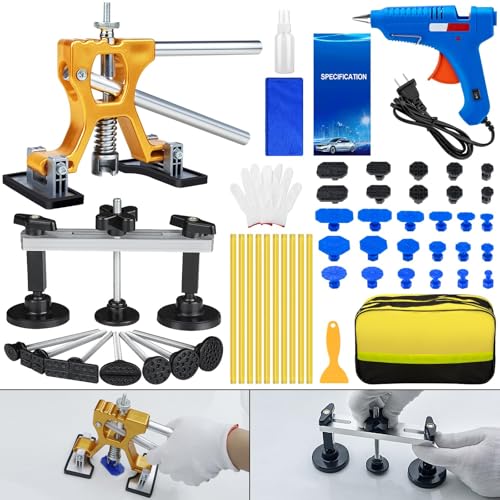
Unless the dent is very minor and you’re willing to accept the risk of a much costlier professional repair, it’s almost always more cost-effective to consult a PDR specialist first.
FAQs About how much to get dent out of car
How much does it cost to fix a dent and a scratch?
If a dent also has a scratch, the cost increases significantly because it requires traditional bodywork, not just PDR. A minor dent with a scratch might cost $300-$500, as the process involves sanding the area, filling the dent, and then priming, painting, and clear-coating the panel to match the factory finish.
Does car insurance cover the cost of dent repair?
Yes, comprehensive insurance policies typically cover dent repair, especially for incidents like hail damage, falling objects, or vandalism. However, you must pay your deductible first. For a single, minor dent costing $150-$300, it’s often cheaper to pay out-of-pocket than to file a claim and pay a $500 deductible.
How much does hail damage repair cost?
The cost of hail damage repair depends on the number and size of dents, typically ranging from $1,000 to over $10,000. Most shops use a pricing matrix based on the number of dents per panel. Paintless Dent Repair (PDR) is the preferred method, and costs are almost always covered by comprehensive insurance.
Is it cheaper to repair a large dent or replace the whole panel?
For very large or complex dents, replacing the panel can sometimes be cheaper and provide a better result. A severe dent on a door could cost $1,500 to repair, while a new, unpainted door shell might cost $800 plus another $500 for painting and installation. A reputable shop will provide quotes for both options.
Do mobile dent repair services cost less?
Mobile dent repair services can be slightly cheaper because they have lower overhead costs than a fixed body shop. They specialize in Paintless Dent Repair (PDR) for small-to-medium dents. While convenient, they may not be equipped to handle very large or complex damage that requires a shop environment.
How long does a PDR repair last?
A professional Paintless Dent Repair (PDR) is a permanent fix that will last the lifetime of the vehicle. Since the metal is physically reshaped back to its original position without using fillers, there is nothing to shrink, crack, or fall out over time. The repair is as durable as the original, undamaged panel.
Will PDR make the dent 100% invisible?
In most cases, a successful PDR repair will make a dent 100% invisible to the naked eye. For very deep or complex dents, a skilled technician can typically achieve 95-99% perfection. The goal is always to restore the panel to its pre-damaged condition without any indication of a repair.
Can all dents be fixed with Paintless Dent Repair?
No, not all dents can be fixed with PDR. The ideal candidates are dents where the paint is not cracked or broken. Dents that are extremely deep, have sharp creases that have stretched the metal, or are located on the very edge of a panel may require traditional body shop repair methods.
What is a PDR pricing matrix?
A PDR pricing matrix is a chart that technicians use to calculate repair costs, especially for hail damage. It has columns for the number of dents (e.g., 1-5, 6-15, 16-30) and rows for the size of the dents (dime, nickel, quarter). By cross-referencing the size and quantity, they arrive at a consistent base price for each panel.
Does the color of my car affect the dent repair cost?
The color of your car does not affect the cost of Paintless Dent Repair (PDR) because the original paint is not altered. However, if the dent requires traditional repair with repainting, certain colors like tri-coats or custom candy colors can be more expensive to match, increasing the final price.
Key Takeaways: Car Dent Repair Cost Summary
Understanding the key takeaways about car dent repair costs can help you make a smart, cost-effective decision. Here’s a summary of the most important points to remember.
- PDR is the Most Cost-Effective Option: For dents without paint damage, Paintless Dent Repair (PDR) is significantly cheaper ($75-$500) and faster than traditional methods, while preserving your car’s factory paint and resale value.
- Size and Location are Primary Cost Drivers: A small dent under 1 inch may cost $75-$150, but this price can easily double if the dent is on a body line, an aluminum panel, or in a hard-to-access area.
- Paint Damage Requires Body Shop Repair: If the paint is chipped or scratched, PDR is not an option. The repair will require more expensive traditional bodywork, with costs starting at $300-$500 for even minor damage.
- DIY Repairs are Risky: While DIY kits are cheap ($20-$100), they carry a high risk of making the damage worse or cracking the paint, which can turn a simple PDR job into a costly body shop repair.
- Always Get Multiple Quotes: Prices can vary between shops. Get at least two or three detailed quotes, ensuring they specify the repair method (PDR or traditional) they plan to use.
- Use Insurance for Major Damage: For widespread hail damage or major collision dents, use your comprehensive insurance. It’s often not worth filing a claim for a single, small dent if the repair cost is less than your deductible.
Final Thoughts on Estimating Your Car Dent Repair Cost
Ultimately, navigating the cost of car dent repair comes down to understanding the nature of the damage. By assessing the dent’s size, location, and paint condition, you are now equipped with the knowledge to understand what a fair quote looks like. For small dings with intact paint, seeking out a PDR specialist is almost always the best first step. For more severe damage, a reputable body shop will be required.
Your new understanding of these factors puts you in control. You can confidently ask technicians the right questions and choose the best solution for both your vehicle and your wallet. The key is to address the damage correctly the first time to preserve your car’s value and appearance for years to come.
Last update on 2026-04-10 / Affiliate links / Images from Amazon Product Advertising API


