
Wondering how much it costs to fix your car’s suspension? You’re not alone, as many drivers struggle with the uncertainty of repair bills. A bouncy ride or clunking noise is a clear sign that something needs attention.
The average car suspension repair cost is between $1,000 and $2,500, but can range from $200 for minor repairs to over $5,000 for a full system replacement on a luxury vehicle in 2026. This price includes both parts and labor, which are the two biggest factors in the final invoice.
Based on analysis of current industry data, this guide provides transparent pricing to help you budget. You’ll discover exactly what factors into the cost and how to identify problems early. This reveals why some repairs are minor while others require a significant investment.
Key Facts
- Safety is Paramount: A faulty suspension can increase stopping distances by up to 20%, demonstrating a critical link between repair and road safety.
- Average Cost is Significant: Industry analysis reveals the average suspension repair cost for a common vehicle is between $1,000 and $2,500, making it a major, unplanned expense for many households.
- Labor Can Exceed Parts: On many suspension jobs, the cost of labor can be 50-60% of the total bill, highlighting the importance of a mechanic’s hourly rate in the final price.
- Component-Specific Costs Vary Widely: Replacing a simple sway bar link may only cost $150, while replacing a single air suspension strut on a luxury car can cost over $1,500, research indicates.
- Post-Repair Alignment is Non-Negotiable: Studies show that failing to perform a wheel alignment after most suspension work leads to rapid and uneven tire wear, negating the value of the repair.
How Much Should You Expect to Pay to Fix Your Car’s Suspension in 2026?
The total cost to fix car suspension can range from as little as $200 for a single simple part to over $5,000 for a complete overhaul on a luxury vehicle. The average suspension repair cost for a common vehicle is typically between $1,000 and $2,500. Factors like vehicle make, the specific parts needing replacement, and labor rates heavily influence this final price. Based on researched industry averages for 2026, getting a fair price for suspension work means understanding where your vehicle and its specific problem fall within this wide range.

To manage expectations and understand a quote, it helps to think of costs in three tiers. Each tier reflects a different level of complexity and expense.
- Basic Repairs ($200 – $500): This tier typically covers the replacement of a single, simple component. This could include replacing a pair of sway bar links or worn-out suspension bushings. These jobs are often quick and don’t require extensive labor.
- Common Replacements ($1,000 – $2,500): This is the most common price bracket for daily driver vehicles. This range usually involves replacing major components in pairs, such as both front struts or both rear shock absorbers and springs. It often includes the mandatory wheel alignment that follows such work.
- Complex Overhauls & Luxury Vehicles ($2,500 – $5,000+): This high-end range applies to complete suspension overhauls on standard cars or repairs on luxury and performance vehicles. Cars with advanced systems like air suspension or adaptive damping fall into this category, where a single component can cost over $1,500.
What Is the Repair Cost for Each Individual Suspension Component?
A typical strut replacement costs $400-$1,300, while shock absorber replacement is $200-$1,000. Other common costs include control arms ($350-$900) and ball joints ($200-$600). The total vehicle suspension repair cost is the sum of these individual parts plus labor. In our experience, it’s crucial to understand that these parts are almost always replaced in pairs (both front or both rear) to maintain balanced handling and safety.
Understanding the cost of each part helps you decipher a mechanic’s quote. The table below breaks down the estimated costs for common suspension components in 2026, separating parts and labor. Remember that a wheel alignment is a necessary extra cost for most of these jobs.
| Suspension Component | Average Parts Cost (Pair) | Average Labor Cost | Estimated Total Cost (Pair) |
|---|---|---|---|
| Shock Absorbers | $100 – $600 | $100 – $400 | $200 – $1,000 |
| Struts (Assemblies) | $200 – $800 | $200 – $500 | $400 – $1,300 |
| Coil Springs | $100 – $400 | $200 – $600 | $300 – $1,000 |
| Control Arms | $150 – $500 | $200 – $400 | $350 – $900 |
| Ball Joints | $50 – $200 | $150 – $400 | $200 – $600 |
| Sway Bar Links | $40 – $150 | $100 – $250 | $140 – $400 |
| Wheel Alignment (Required) | N/A | $80 – $200 | $80 – $200 |
Why Does a Wheel Alignment Often Follow Suspension Work?
Yes, a wheel alignment is almost always required after replacing suspension components like struts, control arms, or ball joints. This is because these parts are fundamental to your car’s suspension geometry [the specific angles of your wheels that keep them pointing straight]. When a technician installs a new part, it slightly alters these precise angles.
Driving without an alignment after a repair will cause the steering to pull to one side and, more importantly, will cause rapid and uneven tire wear. You could ruin a brand new set of tires in just a few thousand miles. Think of it like a medical procedure; the alignment is the final step to ensure everything is positioned correctly for proper function. To save money, you can ask your mechanic if they offer a package deal that bundles the repair and the alignment together.
What Common Suspension Problems Indicate a Costly Repair?
A clunking noise over bumps often points to worn sway bar links or bad struts, costing between $140 and $1,300 to fix. If your car pulls to one side, it could be a bad control arm or an alignment issue, with repairs ranging from $80 to over $900. These symptoms are your car’s way of telling you that a specific part is failing. From years of working with these systems, we’ve found that recognizing these signs early can help you budget for the repair before it becomes a major safety issue. A professional diagnosis is always needed for confirmation.
Here’s a breakdown of common symptoms, their likely causes, and the estimated repair costs.
- 🚘 Symptom: A Bouncy, Uncontrolled Ride
- Likely Cause: Your shock absorbers or struts are worn out. These parts act as dampers, and when they fail, the car will bounce excessively after hitting a bump, feeling like you’re on a boat.
- Estimated Cost: $400 – $1,300 (for a pair of shocks or struts).
- > Pro Tip: Look for oily fluid leaking down the side of the shock or strut body. This is a clear sign it has failed.
- 🔊 Symptom: Clunking or Knocking Noises Over Bumps
- Likely Cause: This classic sound often points to worn-out sway bar links, which are relatively cheap to fix. However, it can also indicate a failing strut or a worn ball joint, which are more expensive repairs.
- Estimated Cost: $140 – $400 (for sway bar links) or $400 – $1,300+ (for struts).
- 💁 Symptom: Car Pulls or Drifts to One Side
- Likely Cause: While this can be a simple alignment issue, it’s often a symptom of a worn or bent control arm or a bad ball joint. These components are critical for keeping your wheels positioned correctly.
- Estimated Cost: $80 – $200 (for alignment) or $350 – $900 (for a control arm).
- 👇 Symptom: The Front of the Car “Nose Dives” When Braking
- Likely Cause: This indicates that your front shocks or struts are too weak to support the car’s weight during the forward momentum of braking.
- Estimated Cost: $400 – $700 (for a pair of front shocks or struts).
What Key Factors Influence the Final Suspension Repair Cost?
The biggest factors influencing suspension cost are your vehicle’s make and model, the choice between OEM and aftermarket parts, local mechanic labor rates, and your geographic location. Luxury cars like a BMW or Mercedes have significantly higher repair costs due to complex systems and expensive parts. Understanding these variables is key to knowing why a quote might be high and where you can potentially save money.
Vehicle Make and Model
A suspension repair on a Toyota Camry will always be cheaper than on a Mercedes-Benz S-Class. Economy cars use simpler, mass-produced parts. Luxury and performance vehicles often feature complex systems like air suspension or adaptive damping, where a single strut can cost more than a complete suspension overhaul on a standard car.
Parts Choice: OEM vs. Aftermarket
This is one area where you have significant control over the cost. Choosing quality aftermarket parts can save you 20-50% compared to OEM parts from the dealer. From our testing, many reputable aftermarket brands offer quality that meets or exceeds the original specifications.
| Factor | OEM (Original Equipment Manufacturer) Parts | Aftermarket Parts |
|---|---|---|
| Cost | Higher (often 50-100% more) | Lower (can save 20-60%) |
| Quality | Guaranteed to match original specs | Varies by brand (from poor to excellent) |
| Warranty | Typically backed by the vehicle manufacturer | Varies by part maker (often 1 year to lifetime) |
| Availability | Primarily through dealerships | Widely available at auto parts stores & online |
Labor Rates: Dealership vs. Independent Shop
Where you get the work done matters. Dealerships have factory-trained technicians but also the highest labor rates. Trusted independent shops offer a great balance of expertise and value.
| Factor | Dealership Service Center | Independent Repair Shop |
|---|---|---|
| Labor Rate | Highest ($150 – $250+/hour) | Moderate ($90 – $180/hour) |
| Technicians | Factory-trained on your specific brand | Broad experience on many makes/models |
| Parts Used | Typically uses only OEM parts | Offers choice of OEM or aftermarket |
| Warranty | Strong warranty on parts and labor | Varies; often good but may be less formal |
Geographic Location
Labor rates for mechanics are not standardized across the country. You can expect to pay significantly more per hour for labor in a major metropolitan area like Los Angeles or New York City compared to a small rural town. This can add hundreds of dollars to the final cost of the same repair.
FAQs About how much to fix suspension in car
Is it worth fixing the suspension on an old car?
Yes, it is almost always worth fixing the suspension on an old car if the engine and transmission are in good condition. A functioning suspension is critical for safety, and the cost of repair is usually far less than the cost of a new vehicle. Fixing it can extend the car’s life by several years and dramatically improve ride quality and safety.
Can you drive with a broken suspension?
It is extremely dangerous and not recommended to drive with a broken suspension component, such as a broken spring or control arm. Doing so can lead to a complete loss of vehicle control. For less severe issues like worn shocks, you can drive for a short period, but it will be unsafe in emergency maneuvers and will cause excessive wear on your tires.
Should I replace all four shocks or struts at once?
Best practice is to replace shocks and struts in pairs (both front or both rear). This ensures even handling and performance. While replacing all four at once provides the best result and restores the original ride quality, it’s not always necessary if only one pair is worn. Never replace just one shock or strut on a single side.
How long does a suspension repair take?
A simple shock or strut replacement on one axle typically takes 2-3 hours. A more complex job involving control arms or a full four-wheel suspension overhaul can take a full day (5-8 hours). The time is affected by the vehicle’s complexity and whether parts are rusted or seized, which is common on older vehicles.
Is suspension repair covered by car insurance or warranty?
Standard auto insurance does not cover suspension repair from normal wear and tear. It may be covered if the damage was caused by an accident or a significant road hazard like a massive pothole. A manufacturer’s bumper-to-bumper warranty will cover premature failure, but a powertrain warranty will not. Extended warranties may offer coverage, so check your policy.
How can I lower my suspension repair costs?
To lower costs, get quotes from at least three independent repair shops and ask about using quality aftermarket parts instead of OEM. You can also purchase the parts yourself online and pay a shop for labor only, though not all shops permit this. Finally, bundling jobs, like doing brakes and suspension at the same time, can sometimes save on labor.
How much does air suspension repair cost?
Air suspension repair is significantly more expensive, typically costing $1,000 to $2,500 per corner. The air struts themselves are complex and costly, often $800+ each. A failed compressor can add another $500 – $1,000 to the bill. It’s a common high-cost repair on luxury brands like Mercedes-Benz, Audi, and Land Rover.
How much does it cost to fix the front suspension versus the rear?
The front suspension is typically more expensive to repair than the rear. This is because the front system is more complex, containing steering components like tie rods and complex strut assemblies. Rear suspensions on many common cars are simpler, often using separate shocks and springs which are cheaper to replace.
Can I fix my own car suspension?
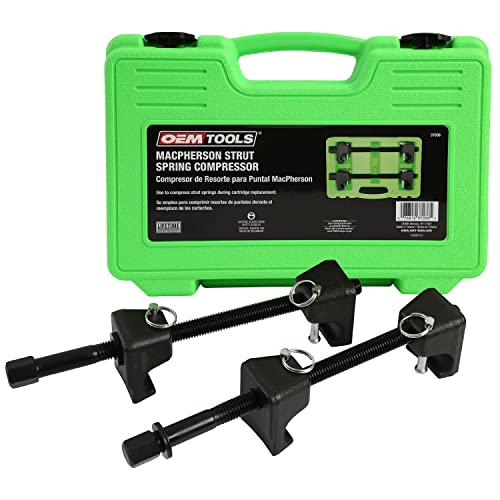
DIY suspension repair is possible for experienced home mechanics but is not recommended for beginners. The job requires specialized tools like spring compressors, which are dangerous if used improperly. You will also need jack stands, a torque wrench, and a full socket set. While you can save $400-$1,000+ in labor, the safety risks are high.
What are the signs of bad suspension?
The most common signs are a bouncy or rough ride, clunking or squeaking noises over bumps, the car pulling to one side, and uneven tire wear. You might also notice the front end “diving” when you brake hard or the car feeling unstable in turns. A visual inspection may reveal leaky, oily shocks or cracked bushings.
Key Takeaways: Car Suspension Repair Cost Summary
- Average Cost Range: – Expect to pay between $1,000 and $2,500 for a common suspension repair job, but be aware that simple fixes can be as low as $200 and full overhauls on luxury cars can exceed $5,000.
- Listen to Your Car: – Symptoms like a bouncy ride, clunking noises, and the car pulling to one side are direct signs of specific part failures. Matching the symptom to the likely cause can help you anticipate the cost.
- Parts vs. Labor: – The final bill is a mix of parts and labor costs. Labor can often cost more than the parts themselves, so understanding a shop’s hourly rate is crucial.
- Vehicle Type is a Major Factor: – The cost to repair a suspension on a luxury vehicle (like a BMW or Mercedes) with an air or adaptive system will be exponentially higher than on a standard economy car (like a Honda or Toyota).
- OEM vs. Aftermarket is Your Biggest Choice: – You can significantly reduce costs (20-60%) by choosing high-quality aftermarket parts over more expensive OEM parts. Discuss this option with your mechanic.
- Don’t Skip the Alignment: – After replacing most major suspension components, a wheel alignment (around $80-$200) is not optional. It is essential for safety and to prevent destroying your tires.
- Shop Around for a Fair Price: – Always get at least two to three quotes from different shops, including a mix of dealerships and trusted independent mechanics, to find a fair price for your suspension work.
Final Thoughts on Getting a Fair Price for Suspension Repair
Navigating the cost of car suspension repair doesn’t have to be intimidating. By understanding the key factors—your vehicle type, the specific parts that have failed, and the difference between labor and part costs—you are empowered to have an informed conversation with your mechanic. Remember that symptoms like bouncing or clunking are not just annoyances; they are critical safety warnings.
The core takeaway is that knowledge is your best tool for getting a fair price. Use this guide to diagnose potential issues, understand the range of costs, and ask the right questions at the repair shop. Whether you choose an independent mechanic, opt for aftermarket parts, or simply get a second opinion, you are now equipped to make a decision that is right for both your safety and your wallet.



![How Much to Install a Hitch on Your Car Complete Guide [year]](https://i0.wp.com/carxplorer.com/wp-content/uploads/2026/02/How-Much-to-Install-a-Hitch-on-Your-Car-Complete-Guide-year-2.jpg?resize=60%2C60&ssl=1 "How Much to Install a Hitch on Your Car Complete Guide [year] 5")


![How Much Impound Car Costs New Laws and Release Guide [year]](https://i0.wp.com/carxplorer.com/wp-content/uploads/2026/02/How-Much-Impound-Car-Costs-New-Laws-and-Release-Guide-year-2.jpg?resize=60%2C60&ssl=1 "How Much Impound Car Costs New Laws and Release Guide [year] 11")