
Worried about that gas smell from your car and what it might cost you? You’re right to be concerned about both safety and your wallet. It’s a stressful situation that requires immediate attention.
On average, fixing a gas leak in a car costs between $150 and $1,500, though the final price depends heavily on the source of the leak. A simple repair might cost $300-$500, while a major component replacement can exceed $2,000. Diagnosis is the key to determining the exact cost.
Based on an analysis of current repair data, this guide will provide a clear breakdown of costs. You’ll discover the repair prices for different types of leaks, the factors that influence the final bill, and the immediate safety steps you must take. This will help you manage the repair process with confidence.
Key Facts
- Wide Cost Spectrum: The total car gas leak repair cost can range from as little as $150 for minor fixes to over $2,000 for complex jobs like a fuel tank replacement, according to industry data.
- Safety is Non-Negotiable: A gasoline leak is an extreme fire hazard. Experts unanimously advise against driving a leaking vehicle and recommend having it towed for professional inspection immediately.
- Most Expensive Repair: The most significant expense is typically a full fuel tank replacement, which can cost between $450 and $3,500 or more, largely due to the high cost of the part and extensive labor involved.
- Cheapest Potential Fix: The least expensive and most common issue is often a faulty or loose gas cap, which can be resolved for between $10 and $230, and is sometimes a simple DIY fix.
- Shop Choice Significantly Impacts Price: Repair quotes from dealerships can be 50-100% higher than those from independent mechanics for the same job, primarily due to differences in labor rates and part sourcing policies.
How Much Does It Cost to Fix a Gas Leak in a Car?
The cost to fix a gas leak in a car typically ranges from $150 to over $1,500, with some complex repairs exceeding $2,000. The final price is not a single number because it depends entirely on the location and severity of the leak. A minor issue, like a cracked fuel hose, might land on the lower end of the spectrum, while a more serious problem, such as a corroded fuel tank, will be significantly more expensive.

Think of a car’s fuel system as a network of connected parts, including the tank, pump, lines, and injectors. A leak can occur at any point in this network. The average cost for common repairs, such as fixing a damaged fuel line, often falls between $300 and $500. However, diagnosing the precise source of the leak is the first and most critical step a mechanic will take. This diagnostic process itself can have a fee but is essential for providing an accurate repair quote and ensuring the right problem is fixed.
The significant price variation is why understanding the potential sources of a leak is so important. The cost to replace a simple gas cap is vastly different from the cost to replace the entire fuel pump assembly. In the following sections, we will break down these specific costs to give you a clearer picture of what to expect based on your car’s symptoms.
What Are the Immediate Safety Risks of a Car Gas Leak?
A car gas leak poses a severe and immediate fire hazard and should be treated as an emergency. Gasoline is highly volatile and flammable, meaning its vapors can be ignited by a single spark from a hot exhaust pipe, an electrical component, or an external source. It is not safe to drive a car that is actively leaking fuel.
Beyond the obvious fire risk, inhaling gasoline fumes presents a significant health risk. These vapors can cause dizziness, headaches, nausea, and respiratory irritation. In an enclosed space like a garage, these fumes can accumulate to dangerous levels. Prioritizing your safety and the safety of others is the most important first step.
If you suspect your car is leaking gas, follow these steps immediately:
- ⛔ Do not start the engine or use any electronics in the car. This includes the ignition, radio, power windows, or even unlocking the doors with a remote fob, as these actions can create an electrical spark.
- 🚗 Move the vehicle to an open, well-ventilated area. If it’s safe to do so without starting the engine, push the car out of a garage or away from buildings.
- 🚭 Keep all sources of ignition far away. This includes cigarettes, lighters, and even using your cell phone close to the vehicle.
- 📞 Call for professional help immediately. Do not attempt to drive the car. The safest course of action is to call a tow service to transport your vehicle to a qualified mechanic.
What Are the Repair Costs for Different Types of Gas Leaks?
The final repair bill is directly tied to which part of the fuel system is failing. A leak from an easily accessible hose will cost far less than one from a component buried deep within the vehicle’s chassis. Our analysis of repair data shows that costs can be broken down by the most common failure points.
The following table provides an estimated cost breakdown for various types of gas leaks for 2026. This comparison highlights how the leak’s source, repair difficulty, and required parts dramatically influence the total price. Understanding these differences will help you interpret a mechanic’s quote and understand the work being performed on your vehicle.
| Leak Source | Average Cost Range (2026) | Repair Difficulty | Key Factors |
|---|---|---|---|
| Gas Cap / EVAP Leak | $20 – $600 | Easy to Moderate | A loose cap is cheap; a faulty purge valve or canister is more expensive. |
| Fuel Line | $150 – $2,000 | Moderate | Cost depends on line material (steel vs. nylon), length, and accessibility. |
| Fuel Injector O-Rings | $200 – $500 | Moderate | Labor-intensive repair as the fuel rail often needs to be removed for access. |
| Fuel Pump Assembly | $300 – $1,500 | Difficult | The part is expensive, and labor requires dropping the fuel tank or accessing it from under the rear seat. |
| Fuel Tank | $450 – $3,500+ | Very Difficult | A simple patch is cheaper; a full replacement is one of the most expensive repairs due to high labor and part costs. |
What Is the Repair Cost for a Leaking Gas Cap or EVAP System?
Fixing a leak in the evaporative emissions (EVAP) system can range from a simple $20 gas cap to a $600 repair for a more complex component. Often, a strong fuel smell accompanied by a “Check Engine” light is not a liquid fuel leak at all, but rather a vapor leak from the EVAP system. This system is designed to trap and recycle gasoline vapors before they escape into the atmosphere.
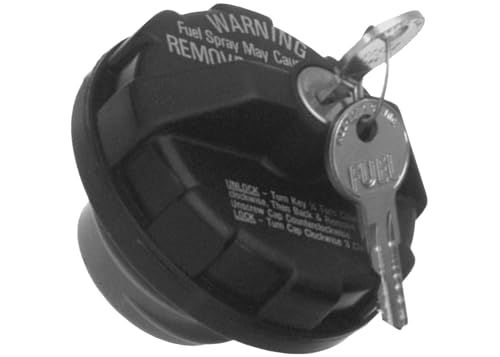
The most common culprit is a loose or faulty gas cap. Before paying for any diagnostic work, your first step should always be to tighten your gas cap until it clicks. If the seal is cracked or it won’t tighten properly, replacing it is an inexpensive DIY fix, typically costing between $10 and $230.
If a new gas cap doesn’t solve the problem, the issue lies deeper within the EVAP system. A mechanic will likely need to perform a smoke test to find the leak. Common failure points include a faulty purge valve or a cracked vapor canister. These repairs are more complex and can cost between $150 and $600, depending on the part and the labor required to replace it.
What Factors Influence the Final Repair Cost?
The final price on your repair bill is influenced by four key factors: your vehicle’s make and model, the type of repair shop you choose, your geographic location, and the type of parts used. Understanding these variables is crucial for managing your budget and ensuring you receive a fair price.
A bulleted list of these factors provides a clear overview:
* Vehicle Make, Model, and Age: Luxury brands like BMW or Mercedes and some European models often have more expensive parts and require specialized labor, driving up costs. Older vehicles may have parts that are difficult to find, also increasing the price.
* Repair Shop Type: Where you get the repair done makes a huge difference. Dealerships tend to have the highest labor rates, while independent shops are often more competitive.
* Geographic Location: Labor rates are not standardized across the country. Mechanics in major urban centers with a high cost of living typically charge more per hour than those in rural areas.
* Parts Type (OEM vs. Aftermarket): Original Equipment Manufacturer (OEM) parts are made by your car’s manufacturer and are the most expensive. Aftermarket parts are made by third-party companies and offer a more affordable alternative without sacrificing quality in many cases.
| Factor | Dealership | Independent Shop |
|---|---|---|
| Labor Rate | Highest ($150-$250+/hr) | Moderate ($90-$170/hr) |
| Parts Used | Primarily OEM (Original) | OEM & Aftermarket Options |
| Expertise | Brand-Specific Specialists | Generalists, often with specialties |
| Warranty | Strong, nationwide | Varies, often local |
How Do Mechanics Diagnose a Car Gas Leak?
Mechanics use a systematic, multi-step process to accurately diagnose a car gas leak, typically involving a visual inspection, an electronic scan, and pressure or smoke tests. A proper diagnosis is essential because simply replacing parts without confirming the leak’s source can lead to wasted money and unresolved safety issues. Diagnostic fees usually range from $80 to $200.
Here is the typical diagnostic process a professional will follow:
- 🔍 Visual Inspection: The first step is always a thorough visual check. The mechanic will lift the vehicle and look for obvious signs of a leak, such as active drips, wet stains on components, or areas of heavy corrosion on fuel lines and the tank.
- 💻 Electronic Scan: The mechanic will connect an OBD-II scanner to your car’s computer. This checks for any stored trouble codes, such as the common P0442 code, which indicates a small leak in the EVAP (vapor) system.
- Pressure Test: For suspected liquid fuel leaks, a pressure gauge is connected to the fuel system. The system is pressurized, and the mechanic monitors if the pressure holds steady. A drop in pressure confirms a leak, and they can then work to pinpoint its location.
- Smoke Test: This is the primary method for finding vapor leaks in the EVAP system. A machine pumps non-toxic, visible smoke into the system. The mechanic then uses a high-intensity light to see where the smoke escapes, revealing the precise location of the invisible vapor leak.
Frequently Asked Questions About How Much to Fix a Gas Leak in Car
How long does it take to fix a gas leak?
Most gas leak repairs take between 1 to 4 hours to complete. A simple gas cap or accessible hose replacement might take less than an hour. However, a full fuel tank or complex fuel line replacement can take a mechanic 4 to 8 hours, especially if other parts like the exhaust or subframe need to be removed for access.
Is it safe to drive my car to the mechanic if it’s leaking gas?
No, it is highly recommended that you do not drive a car with a known gas leak. The risk of fire is significant. The safest action is to have your vehicle towed to a repair shop. Driving even a short distance can be dangerous, as heat from the engine or exhaust can ignite the leaking fuel.
Will my car insurance cover the cost of a gas leak repair?
Typically, car insurance does not cover mechanical failures or wear-and-tear items like a gas leak. Comprehensive coverage might apply in rare cases where the leak was caused by an external event, such as running over road debris that punctured the tank. However, for most age or corrosion-related leaks, the repair is an out-of-pocket expense.
Can I fix a car gas leak myself to save money?
For most people, DIY repair is not recommended due to the extreme fire hazard. While you can safely replace a faulty gas cap yourself, repairs involving fuel lines, the fuel pump, or the tank require specialized tools, knowledge, and safety precautions. The potential cost savings do not outweigh the significant safety risks.
What does it mean if I only smell gas after filling up the tank?
A strong gas smell only when the tank is full often points to a leak at the top of the fuel tank. This could be a cracked seal on the fuel pump assembly, a leak in the filler neck hose, or a fracture in the tank itself that only leaks under the pressure of a full load of fuel. This still requires immediate professional inspection.
Final Thoughts
Dealing with a car gas leak is undeniably stressful, but it’s a manageable problem when approached correctly. The most critical takeaway is to prioritize safety above all else; the financial cost of a repair is insignificant compared to the risk of a fire. Never operate a vehicle you suspect is leaking fuel.
While the potential cost can seem daunting, ranging from a minor $150 fix to a major $2,000+ replacement, knowledge is your best tool. By understanding that the leak’s location is the primary cost driver, you are better prepared for a conversation with a mechanic. Always invest in a proper diagnosis from a trusted shop and get multiple quotes to ensure you’re paying a fair price.
Ultimately, addressing a gas leak is not just a repair—it’s an essential investment in your safety and the longevity of your vehicle. Taking swift, informed action will get you back on the road safely and with peace of mind.
Last update on 2026-02-21 / Affiliate links / Images from Amazon Product Advertising API


![How Much to Fix Car Paint Costs Explained [year]](https://i0.wp.com/carxplorer.com/wp-content/uploads/2026/02/How-Much-to-Fix-Car-Paint-Costs-Explained-year-2.jpg?resize=60%2C60&ssl=1 "How Much to Fix Car Paint Costs Explained [year] 10")
