
Navigating the world of job compensation can feel like solving a puzzle, and one of the most confusing pieces is often the car allowance. Are you being offered a fair amount? Does it truly cover the costs of using your personal vehicle for business, or are you unintentionally subsidizing your employer’s expenses? Getting a clear, data-backed answer is crucial for your financial well-being.
A typical monthly car allowance in 2026 is between $400 and $600. For programs based on usage, mileage reimbursement often follows the IRS standard rate, which is projected to be around $0.65 to $0.70 per mile for 2025, ensuring fair, non-taxable compensation for actual miles driven.
This guide cuts through the confusion, leveraging extensive analysis of industry data and established patterns. We will break down exactly how much is a typical car allowance, explore the different program types, reveal the critical tax implications that affect your take-home pay, and provide a step-by-step framework for negotiating the compensation you deserve.
Key Facts
- The National Average: Data analysis from sources like Zippia shows the most common range for a fixed car allowance is $400 to $600 per month, though this can vary from $300 to over $800.
- Job Role is a Major Factor: High-travel positions, especially in sales, can command significantly higher allowances, often reaching $700 or $800 per month to cover the increased wear and tear and fuel costs.
- Taxability is Crucial: A fixed allowance is often treated as taxable income, reducing its net value by up to 30% or more. In contrast, mileage reimbursement under an IRS-approved “accountable plan” is typically non-taxable.
- More Than Just Gas: The IRS standard mileage rate is meticulously calculated to cover not only fuel but also vehicle depreciation, insurance, and maintenance, as highlighted by financial resources like NerdWallet.
- Location Matters: A fair vehicle allowance in a high-cost state like California will be higher than in Texas to account for major differences in local fuel prices, insurance rates, and maintenance costs, a principle confirmed by compensation experts at Runzheimer.
What Is a Typical Car Allowance in 2026? (Averages & Key Factors)
A typical monthly car allowance in 2026 is between $400 and $600. Mileage reimbursement programs often use the IRS standard rate, which is projected to be around $0.65 to $0.70 per mile for 2025. A car allowance, at its core, is a fixed amount of money an employer pays an employee to cover the business-related costs of using their personal vehicle. This payment is meant to compensate for expenses like fuel, insurance, maintenance, and the gradual depreciation of your car’s value. Based on extensive industry data analysis, these figures represent the current benchmark for most employees.

However, the national average is just a starting point. The fairness of an allowance depends heavily on your specific circumstances. A one-size-fits-all number rarely works for everyone. To help you understand where you might fall, here is a summary of typical ranges based on program type.
| Allowance Type | Typical Range in 2026 | Best For |
|---|---|---|
| Fixed Monthly Allowance | $400 – $600 / month | Employees with predictable, moderate driving schedules. |
| Mileage Reimbursement | $0.65 – $0.70 / mile (IRS Rate) | Employees with variable or high-mileage travel. |
| High-Travel Roles (e.g., Sales) | $700 – $800+ / month | Roles where a vehicle is a primary tool for the job. |
| Low-Travel / Occasional Use | $300 – $400 / month | Roles with infrequent business-related driving. |
But is that average amount actually fair for your specific situation? Let’s break it down.
Understanding the 4 Main Types of Car Allowance Programs
Companies use several different models to compensate employees for using their personal vehicles. Each approach has distinct advantages and disadvantages for both the employee and the employer. Understanding these four main types is the first step in evaluating whether your compensation package is structured to your benefit.

The choice between these programs can significantly impact your net pay, tax burden, and whether your actual costs are fully covered. The four most common programs are a Fixed Car Allowance, Mileage Reimbursement, a company-provided car, and a hybrid model.
The Internal Revenue Service (IRS) plays a key role, particularly in mileage reimbursement programs. By setting a standard mileage rate each year, it provides a benchmark that allows for fair, non-taxable reimbursement when administered correctly under an “accountable plan.”
Pro Tip: A fixed allowance offers predictability, but mileage reimbursement directly ties compensation to usage. Consider which benefits you most.
Fixed Car Allowance
A fixed car allowance is a set amount of money, such as $500, paid to an employee each month to cover business use of their personal vehicle, regardless of how many miles they drive. This is the most common approach due to its administrative simplicity, a point often highlighted by expense tracking services like Everlance.
Quick Fact: This is the most common approach due to its administrative simplicity.
- Pros for the Employee ✅
- Predictable Income: You know exactly how much you will receive each month.
- Simplicity: No need to track every single mile for reimbursement.
- Cons for the Employee ❌
- Often Taxable: This allowance is typically treated as regular income, meaning it’s subject to federal, state, and FICA taxes.
- May Not Cover Costs: If you are a high-mileage driver, a fixed amount may not be enough to cover your actual fuel, maintenance, and depreciation expenses.
Mileage Reimbursement (Per-Mile Allowance)
Mileage reimbursement pays employees a set rate for each business mile driven. This model is designed to be a highly accurate and fair method of compensation, as it directly reflects vehicle usage. Companies often use the non-taxable IRS standard mileage rate to ensure compliance and fairness. The 2026 IRS rate is projected to be around $0.65 to $0.70 per mile.
According to authorities like the IRS and financial experts at NerdWallet, the standard mileage rate is not just for gas. It’s a comprehensive figure designed to cover all the variable and fixed operating costs of a vehicle, including:
* Fuel and Oil
* Maintenance and Repairs
* Tires
* Insurance and Registration Fees
* Vehicle Depreciation
To qualify as non-taxable, this reimbursement must be part of an “accountable plan,” which simply means the employee must keep a detailed and timely mileage log to substantiate their business travel.
Example: If you drive 1,000 business miles in a month at a rate of $0.67/mile, you’d receive a non-taxable reimbursement of $670.
- Pros for the Employee ✅
- Fair Compensation: Pay is directly tied to the amount you drive.
- Typically Non-Taxable: When using the IRS rate under an accountable plan, the money is a direct reimbursement, not income.
- Cons for the Employee ❌
- Requires Diligent Tracking: You must maintain accurate mileage logs, which can be time-consuming.
- Variable Payments: Your monthly payment will fluctuate with your travel schedule.
Key Factors That Influence Your Allowance Amount
A fair car allowance is not a single number; it’s a calculation based on several critical variables. Your job role, industry, geographic location, and company policy are the four biggest factors that determine whether a car allowance is fair and adequate. Understanding these elements empowers you to assess any offer you receive and negotiate from a position of strength. Ask yourself: Does my current or proposed allowance account for the high fuel and insurance costs in my city?
Job Role and Industry
The amount of driving required by your job is the most significant factor. Roles that depend on travel will always command a higher, more competitive car allowance.
- Sales Representatives: Professionals in outside sales, particularly in industries like pharmaceuticals or medical devices, rely on their vehicles daily. As noted by industry resources like MedReps, they often receive the highest allowances, frequently in the $700 to $800 per month range, to ensure they have reliable transportation.
- Field Service Technicians: Similar to sales, these roles require constant travel to client sites and often necessitate a larger, more durable vehicle, justifying a higher allowance.
- Construction Supervisors: An average truck allowance for construction roles is typically higher to account for the need to haul equipment and navigate rougher job sites, which leads to increased fuel consumption and maintenance.
- Occasional Travel: Employees who only drive for occasional meetings or errands will receive a lower fixed stipend or may be reimbursed purely on a per-mile basis.
Geographic Location
Where you live and work dramatically impacts your true vehicle operating costs. A $600 allowance might be generous in a rural area but could be inadequate in a major metropolitan center.
- High-Cost Urban Areas: An allowance in a major urban center like those in California might be 15-20% higher than in a rural area. This is to compensate for significantly higher local costs for fuel, insurance, and maintenance.
- Lower-Cost Regions: States like Texas generally have lower fuel prices and insurance premiums, which can be reflected in a slightly more modest, yet still fair, car allowance.
Pro Tip: When negotiating, research local gas prices and average insurance rates to build a data-backed case for a location-adjusted allowance. This shows you’ve done your homework and are seeking a fair, evidence-based number.
The Critical Tax Implications: How They Affect Your Take-Home Pay
Understanding the tax rules surrounding your car allowance is absolutely critical because it directly impacts your net take-home pay. A $600/month taxable allowance might only be $400 in your pocket after taxes. The key distinction made by the IRS is whether the payment is part of an “accountable plan” or a “non-accountable plan.”
A non-accountable plan is essentially a fixed stipend given with no strings attached. Because you don’t have to prove your business expenses, the IRS considers this taxable income. An accountable plan, as defined in IRS Publication 463, requires you to substantiate (or prove) your business mileage and costs. Mileage reimbursement at the IRS standard rate is the most common example. Because you are simply being repaid for documented business expenses, the money is not considered income and is therefore non-taxable.
This table, based on information from financial authorities like ADP and IRS publications, breaks down the difference:
| Feature | Accountable Plan (e.g., Mileage Reimbursement) | Non-Accountable Plan (e.g., Fixed Allowance) |
|---|---|---|
| Tax Status | Non-Taxable to the employee | Taxable as regular income |
| Requirements | Must keep detailed mileage logs and expense records. | No substantiation or record-keeping required. |
| Net Pay Impact | Employee receives 100% of the reimbursed amount. | Amount is reduced by federal, state, and FICA taxes. |
| Employer View | More administrative work, but saves on payroll taxes. | Simple to administer, but incurs payroll tax costs. |
How to Negotiate a Fair Car Allowance
Negotiating your car allowance doesn’t have to be confrontational. In fact, the most successful approach is collaborative. You are simply aiming to present a fact-based case to ensure the allowance is a win-win: it fairly covers your business-related vehicle costs, allowing you to perform your job effectively for the company.
A car allowance negotiation is a collaborative process, not a confrontational one. You want to build rapport and trust with the employer, not antagonize or offend them. You want to present your request as a win-win proposition, not a demand or an ultimatum. You want to use facts and evidence, not emotions or opinions.
Follow these steps to prepare for a professional and effective negotiation.
- Research and Gather Data
Before you talk to anyone, do your homework. Research industry standards for your specific role and location. Use this article as a baseline. Look up current local fuel prices and get insurance quotes to understand the real costs in your area. The more data you have, the stronger your position will be. Calculate Your Actual and Projected Costs
This is the most critical step. Create a simple spreadsheet to calculate your true vehicle expenses. Include:- Fuel: Estimate your monthly business mileage and multiply by your vehicle’s fuel efficiency and the local price per gallon.
- Insurance: Determine the monthly cost of your insurance premium.
- Maintenance: Budget for routine maintenance like oil changes, tire rotations, and inevitable repairs. A common estimate is around $0.05 – $0.08 per mile.
- Depreciation: This is a real, non-cash expense. The more you drive for work, the faster your car loses value. The IRS mileage rate is a good proxy for this.
- Frame Your Proposal as a Solution
Once you have a clear, data-backed number, schedule a time to discuss it. Present your calculations calmly and professionally. Frame your request not as a demand, but as a way to ensure you can meet the travel requirements of the job without incurring personal financial loss. Explain that a fair allowance ensures you can maintain a safe, reliable vehicle, which directly benefits the company.
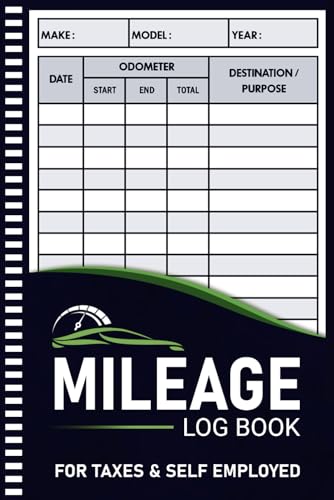
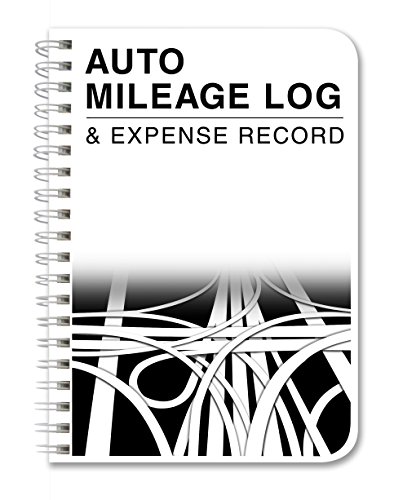
Keeping meticulous records of your business mileage and expenses is essential for both tax purposes and negotiation. A reliable mileage tracker log book or app can automate this process, providing you with the accurate data needed to justify your costs.




FAQs About how much is a typical car allowance
What is a good car allowance amount in 2026?
A good car allowance in 2026 is one that accurately covers your business-related vehicle expenses. While the national average is $400-$600 per month, a “good” amount for you depends on your mileage, location, and vehicle type. For high-mileage drivers, a reimbursement at the IRS standard rate (around $0.65-$0.70/mile) is often better as it directly reflects usage and is non-taxable.
What is considered a fair vehicle allowance?
A fair vehicle allowance is one that makes the employee financially whole for the business use of their personal car. It should cover actual costs for fuel, insurance, maintenance, and depreciation without the employee having to pay out-of-pocket. Fairness is achieved when the allowance is adjusted for key factors like job role, required mileage, and geographic location.
How do you calculate a fair car allowance for an employee?
To calculate a fair car allowance, an employer should sum the projected monthly costs for an employee. This includes: (Projected monthly business miles ÷ vehicle MPG) x (local cost of gas) + (monthly insurance premium) + (projected maintenance costs) + (vehicle depreciation). Using a data-driven approach like the IRS mileage rate is often the simplest way to achieve fairness.
Does a car allowance have to cover insurance and maintenance?
Yes, a comprehensive and fair car allowance is intended to cover all fixed and variable costs of operating a vehicle for business. This absolutely includes a proportional amount for insurance premiums and routine maintenance like oil changes, tires, and repairs. An allowance that only covers fuel is not considered a true or fair car allowance.
Is a $600 a month car allowance good?
A $600 a month car allowance can be very good for an employee with moderate driving needs in a lower-cost area, especially if they drive a fuel-efficient vehicle. However, it could be inadequate for a high-mileage sales representative in an expensive city like Los Angeles. The key question is whether it is taxable; if so, its net value is closer to $400-$450, which may not be enough to cover all expenses.
Final Summary: Securing a Fair Car Allowance
The key to navigating the world of vehicle compensation is understanding that “how much is a typical car allowance” is just the beginning of the conversation. While the average provides a useful benchmark, a truly fair allowance is tailored to your specific situation. The most important factors are always your required business mileage, the operating costs in your geographic area, and the critical tax structure of the program.
By understanding the different types of allowances and arming yourself with data on your actual costs, you can confidently assess any offer.
- Know the Benchmark: The typical range is $400-$600 per month, but this is just a starting point.
- Context is Everything: Your job role (e.g., sales), industry, and especially your geographic location are crucial in determining a fair amount.
- Mind the Taxes: A non-taxable mileage reimbursement under an accountable plan often provides a higher net benefit than a seemingly larger, but fully taxable, fixed allowance.
- Negotiate with Data: The most effective way to secure a better allowance is to present a calm, professional case built on the real-world data of your actual vehicle expenses.
Take these insights and confidently assess your next job offer or advocate for fair compensation in your current role. Ensuring your car allowance truly covers your costs is a critical step in protecting your financial health and recognizing your value to the company.
Last update on 2026-03-07 / Affiliate links / Images from Amazon Product Advertising API


![Mercedes Car: Is It a Good Buy? The Complete Guide [year]](https://i0.wp.com/carxplorer.com/wp-content/uploads/2026/03/Mercedes-Car-Is-It-a-Good-Buy-The-Complete-Guide-year-2.jpg?resize=60%2C60&ssl=1 "Mercedes Car: Is It a Good Buy? The Complete Guide [year] 10")


