
Shopping for a used car can feel like a high-stakes guessing game, especially when you’re staring at the odometer. You find a car that looks perfect, but the mileage seems high, and a single question stops you in your tracks: how much is a lot of miles on a car? The fear of buying a vehicle that’s just a few miles away from major, expensive repairs is real, and the old rules of thumb no longer seem to apply.
A car is generally considered to have “a lot of miles” when it exceeds 150,000 to 200,000 miles. However, with modern engineering, this number is just a single data point; a well-maintained vehicle’s complete history is a far more accurate predictor of its future reliability.
This guide cuts through the confusion, leveraging extensive analysis of automotive data and established industry patterns. We’ll unpack the proven framework for evaluating a used car’s true condition, moving far beyond the odometer. You’ll learn the simple calculation to gauge a car’s usage, discover the four critical factors that are more important than mileage, and gain the confidence to identify a reliable vehicle, regardless of the number on its dashboard.
Key Facts
- The Benchmark Has Shifted: The old standard of 100,000 miles being “high mileage” is outdated. Analysis from sources like J.D. Power shows that modern cars are engineered to last, with 150,000 to 200,000 miles now being the more common threshold for what is considered a lot of miles on a car.
- The Annual Average is Your Guide: According to the Federal Highway Administration, the average American drives between 12,000 and 15,000 miles per year. This figure is a crucial baseline for determining if a used car has seen light, average, or heavy use for its age.
- Maintenance Trumps Mileage: A vehicle with 150,000 miles and a meticulously documented service history is often a more reliable purchase than a car with 80,000 miles and a questionable maintenance record, a principle supported by automotive groups like AAA.
- Not All Miles are Equal: As research from YourMechanic highlights, consistent highway driving at steady speeds causes significantly less wear on an engine, transmission, and brakes than the constant stop-and-go stress of city driving.
- Brand Reputation Matters: Data consistently shows that certain manufacturers have a proven track record for longevity. Brands like Toyota and Honda are renowned for producing models that regularly and reliably surpass 200,000 miles, as noted by reliability rating sources like RepairPal.
What Is a Lot of Miles on a Car? The 2026 Definitive Guide
A car is generally considered to have “a lot of miles” when it exceeds 150,000 to 200,000 miles. However, factors like age, maintenance, and make/model are more important than the mileage number alone. For decades, the 100,000-mile mark was a dreaded milestone, a psychological barrier that signaled the end of a car’s reliable life. This originated in an era when automotive technology was less advanced and component failure was common.

That’s no longer the case.
Thanks to incredible advancements in engineering, materials science, and manufacturing, modern vehicles are built to last. It is now common for cars to run smoothly well past 150,000 miles and even push beyond 200,000 miles with proper care. As noted by leading automotive authorities like Consumer Reports, today’s cars are more durable than ever before.
The number on the odometer is just one chapter in a car’s story. The real value is found by reading the rest of the book: its maintenance records, its driving history, and its overall condition.
So, is the number on the odometer the whole story? Far from it. Let’s explore what really matters when you’re trying to figure out how much is a lot of miles on a car.
Why the 12,000-Mile Annual Average Is Your Starting Point
As a general rule, a car should have around 12,000 to 15,000 miles for every year of its age. To check, simply multiply the car’s age by 12,000. This simple calculation, based on data from the Federal Highway Administration, gives you a powerful baseline to instantly assess if a used car’s mileage is low, average, or high for its age.
Here’s how to use this starting point:
- Determine the Car’s Age: Subtract the model year from the current year 2026. (e.g., A 2019 model is 5 years old in 2026).
- Calculate the Average Mileage Range: Multiply the age by 12,000 (for the low end) and 15,000 (for the high end).
- Compare to the Odometer: See if the car’s actual mileage falls below, within, or above this range.
Let’s look at some examples:
| Vehicle Age | Low Mileage (Below Average) | Average Mileage Range | High Mileage (Above Average) |
|---|---|---|---|
| 3 Years | Below 36,000 miles | 36,000 – 45,000 miles | Over 45,000 miles |
| 5 Years | Below 60,000 miles | 60,000 – 75,000 miles | Over 75,000 miles |
| 10 Years | Below 120,000 miles | 120,000 – 150,000 miles | Over 150,000 miles |
A 5-year-old car with 100,000 miles (20,000 miles per year) has seen heavy usage. Conversely, a 15-year-old car with 100,000 miles (about 6,700 miles per year) is a low-mileage gem.
Pro Tip: Use this quick calculation on any used car listing to get an instant feel for its history before you even schedule a test drive. It helps you immediately spot vehicles that have been driven much harder than average.
Beyond the Odometer: 4 Factors That Matter More Than Mileage
Focus on these four areas over the raw mileage number: the car’s complete maintenance history, the type of miles (highway vs. city), the manufacturer’s reliability record, and a thorough physical inspection. While the annual mileage calculation gives you a great starting point, the true health of a vehicle is revealed by these critical factors. They provide the context needed to understand if a car’s miles have been easy or hard.
A well-maintained car with 150,000 highway miles is often a smarter buy than a neglected car with 80,000 city miles.
Let’s break down each of these crucial elements.
1. Maintenance History: The Car’s Report Card
A complete service record is non-negotiable; it proves the car was cared for and is the best predictor of its future reliability. This is the single most important document you can review. A thick folder of receipts is a clear sign of a responsible owner and is far more valuable than a low number on the odometer. As automotive organizations like AAA emphasize, consistent maintenance is the key to extending a car’s lifespan.
What to Look For in Service Records:
* ✅ Regular Oil Changes: Proof of consistent oil and filter changes at recommended intervals.
* ✅ Fluid Flushes: Records of transmission fluid, coolant, and brake fluid changes.
* ✅ Tire Rotations and Replacements: Shows the owner cared about safety and proper wear.
* ✅ Major Component Service: Evidence of timing belt/chain replacement, water pump service, or other significant scheduled maintenance.
* ✅ Timely Repairs: Receipts for parts and labor that show issues were addressed promptly, not ignored.
If a seller claims the car was “perfectly maintained” but has no proof, be skeptical. No records often means no maintenance.
2. Type of Driving: Not All Miles Are Created Equal
Prioritize cars with a majority of highway miles; they cause significantly less wear on critical components like the engine and transmission. The debate over how much is a lot of miles on a car changes dramatically when you consider where those miles were driven.
- Highway Miles are accumulated during long trips at consistent speeds. The engine runs at a stable, optimal temperature, the transmission stays in top gear, and the brakes are used infrequently. This is the easiest life for a car.
- City Miles involve constant stop-and-go traffic. This puts immense stress on the engine, transmission (from frequent shifting), brakes (from constant use), and suspension (from potholes and uneven roads).
Here’s a direct comparison of the impact:
| Component | City Driving Impact | Highway Driving Impact |
|---|---|---|
| Engine | High stress from frequent acceleration and idling. | Low stress, runs efficiently at a steady RPM. |
| Brakes | Frequent, heavy use leads to rapid pad and rotor wear. | Minimal use, leading to much longer brake life. |
| Transmission | Constant shifting causes heat and wear on clutches/gears. | Stays in top gear, minimizing wear and tear. |
| Suspension | High impact from potholes and stop-start motion wears parts faster. | Smooth ride causes significantly less wear. |
Quick Fact: As sources like Automotive Engineering International explain, a car driven primarily on the highway can have up to twice the mileage of a city-driven car but with similar levels of component wear.
How to Inspect a High-Mileage Car Like a Pro
Before buying any high-mileage car, perform a visual check for rust and wear, test all electronics, and most importantly, have a trusted, independent mechanic perform a full pre-purchase inspection (PPI). This final step is your ultimate safety net. While your own inspection can rule out obviously neglected vehicles, a professional assessment is non-negotiable for a high-mileage car.
Here is a checklist to follow for your initial inspection before taking it to a pro:
- Check All Fluids: Look at the engine oil (should be honey-colored, not dark black or milky), transmission fluid (should be reddish and not smell burnt), and coolant. Low or dirty fluids are a red flag for neglect.
- Inspect the Tires: Check for uneven tread wear, which can indicate alignment or suspension problems. Make sure all four tires are the same brand and model.
- Test All Electronics: Systematically check every button, switch, and function. This includes windows, locks, radio, A/C, heat, headlights, and interior lights.
- Look for Rust: Thoroughly inspect the undercarriage, wheel wells, and rocker panels. Surface rust might be acceptable, but structural rust that is bubbling under the paint is a major problem.
- Test Drive Thoroughly: Drive the car at both low and highway speeds. Listen for strange noises from the engine, feel for vibrations, and test the brakes for responsiveness.
- ALWAYS Get a Professional PPI: This is the most critical step. A qualified mechanic will put the car on a lift to inspect for leaks, frame damage, and worn-out suspension parts. They can also run a diagnostic scan to check for hidden error codes.
Your eyes can catch the obvious, but only a mechanic’s lift and diagnostic tools can find the expensive, hidden problems. Never skip the professional inspection.
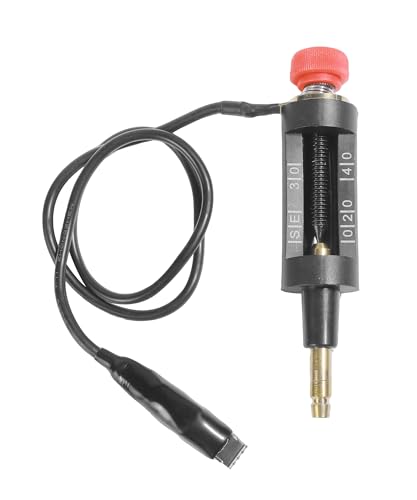
To conduct a thorough inspection, having the right basic tools can reveal issues the seller might not mention, helping you make a more informed decision before paying for a professional PPI.





FAQs About Car Mileage
Is buying a car with 150,000 miles a bad idea?
Not necessarily. A 150,000-mile car from a reliable brand like Toyota or Honda with a complete and documented service history can be a fantastic value. The key is the evidence of care. Conversely, a luxury vehicle with 150,000 miles and no service records could be a financial nightmare. It all comes down to maintenance and the car’s reputation for longevity.
What is considered high mileage on a car?
For modern vehicles, “high mileage” generally starts in the 150,000 to 200,000-mile range. However, this is just a guideline. The term is relative and depends more on the vehicle’s condition, maintenance history, and how it was driven than the absolute number on the odometer. A well-cared-for car with 200,000 highway miles may be in better shape than a neglected car with 100,000 city miles.
Is 70,000 miles a lot for a 10-year-old car?
No, 70,000 miles on a 10-year-old car is considered very low mileage. This comes out to only 7,000 miles per year, well below the national average of 12,000-15,000 miles. While this suggests light use, it’s still important to check for issues related to sitting for long periods, such as dried-out seals or old fluids that were never changed.
Is 200,000 miles on a car bad?
Reaching 200,000 miles is a significant milestone and often the point where major components like the transmission or engine may require significant service. It is not inherently “bad” for a well-maintained vehicle known for its durability. A car with 200,000 miles can still offer reliable service, but a pre-purchase inspection by a trusted mechanic is absolutely essential to assess its remaining lifespan.
What’s more important: a car’s age or its mileage?
A car’s overall condition is the most important factor, which is a product of both age and mileage, plus maintenance. However, if forced to choose between two otherwise identical vehicles, a newer car with higher highway mileage is often a better choice than an older car with very low city mileage. Rubber and plastic components can degrade over time regardless of use, and newer vehicles benefit from more advanced safety and technology features.
Final Summary: It’s About Condition, Not Just Miles
The final answer to how much is a lot of miles on a car is that the number itself is one of the least important parts of the equation. The odometer is a simple measurement, but a car is a complex machine. A high-mileage hero with a history of diligent care will almost always be a better, more reliable investment than a low-mileage car that has suffered from neglect.
By focusing on the right things, you can confidently find a great used car. Remember these critical takeaways:
- Maintenance is King: A complete and verifiable service history is the most reliable indicator of a car’s health.
- Context is Everything: Understand the difference between easy highway miles and hard city miles, and use the 12,000-mile annual average as your guide.
- Trust a Professional: Never skip a pre-purchase inspection by a qualified, independent mechanic. It is the best money you can spend when buying a used car.
Armed with this knowledge, you can now look past the odometer and find a truly reliable used car that fits your needs and budget. Happy hunting
Last update on 2026-03-07 / Affiliate links / Images from Amazon Product Advertising API


![Mercedes Car: Is It a Good Buy? The Complete Guide [year]](https://i0.wp.com/carxplorer.com/wp-content/uploads/2026/03/Mercedes-Car-Is-It-a-Good-Buy-The-Complete-Guide-year-2.jpg?resize=60%2C60&ssl=1 "Mercedes Car: Is It a Good Buy? The Complete Guide [year] 9")


