
Feeling overwhelmed by the medical bills piling up after a car accident? You’re not alone. The confusion over who is responsible for what, and when, adds incredible stress to an already difficult recovery. This guide is designed to eliminate that confusion, providing a clear, step-by-step roadmap to understanding exactly how medical bills are paid after car accident, so you can focus on what matters most: your health.
In a typical car accident case, your own PIP, MedPay, or health insurance pays for immediate medical treatment. The at-fault driver’s liability insurance is ultimately responsible for reimbursement and covering all damages, but this often occurs later as part of a settlement.
Leveraging an extensive analysis of insurance claim processes and legal precedents, this guide unpacks the payment sequence, defines the critical types of insurance involved, and explains how the final settlement works. We will break down the roles of PIP and MedPay, clarify the process of subrogation, and detail how an attorney can protect your financial recovery.
Key Facts
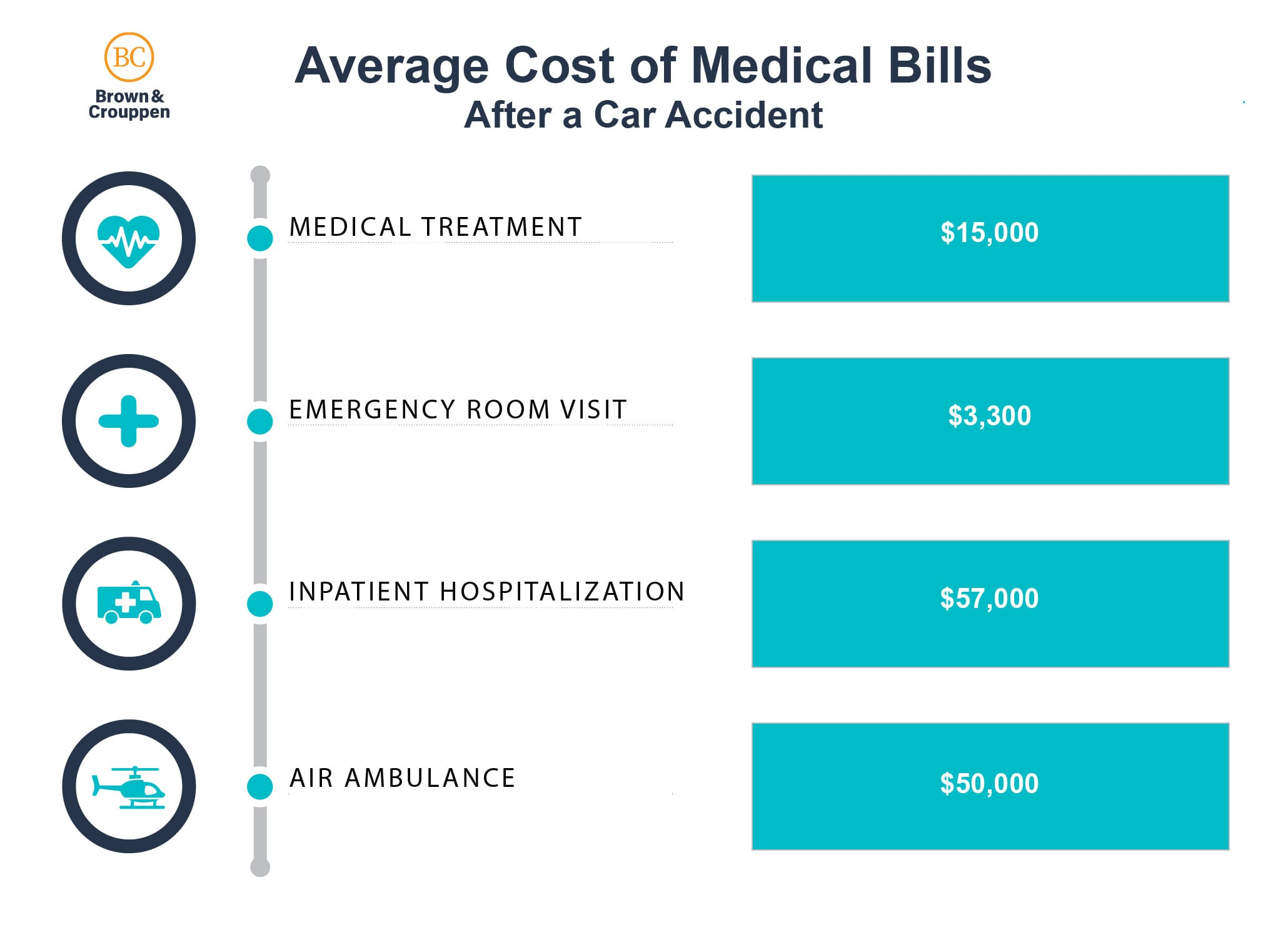
- Average Injury Costs Are Significant: The average cost for medical treatment following a car accident injury is around $15,000, according to data from the National Highway Traffic Safety Administration, covering everything from emergency care to rehabilitation.
- Your Insurance is the First Responder: To ensure you receive prompt medical care without waiting for a fault determination, your own Personal Injury Protection (PIP), Medical Payments (MedPay), or health insurance is typically billed first.
- Ultimate Responsibility Lies with the At-Fault Party: While your insurance may pay upfront, the at-fault driver’s bodily injury liability insurance is legally responsible for covering all your damages, including reimbursing your initial insurers.
- Insurers Seek Reimbursement: Your health insurance company has a legal right to get paid back from any settlement you receive. This process, known as subrogation, is a standard part of most policies.
- Medical Liens Can Be Negotiated: If you lack sufficient insurance, hospitals may place a lien on your future settlement. A key role of a personal injury attorney is to negotiate these liens down to maximize the amount of money you ultimately receive.
Medical Bills After a Car Accident: The Payment Process Explained
Figuring out how medical bills are paid after car accident can feel like untangling a complicated knot. The key is to understand that it’s a sequential process involving multiple insurance policies, each with a specific role. While the at-fault driver’s insurance is the ultimate payer, they are rarely the first. Feeling overwhelmed by the bills piling up? Let’s break down who is responsible for what, step by step.

The primary goal of this system is to get you the medical care you need immediately without having to wait for insurance companies to argue over who is to blame. Here is the typical payment hierarchy:
- Your “First-Party” Insurance Pays First: Your own auto policy’s Personal Injury Protection (PIP) or Medical Payments (MedPay) coverage, or your personal health insurance, is designed to cover your initial medical bills right away.
- The At-Fault Driver’s Insurance Reimburses: The at-fault party’s bodily injury liability insurance is legally on the hook for all your damages. Once fault is established and a settlement is reached, their insurance company will reimburse your insurance companies for the money they paid out.
- Settlement and Lien Satisfaction: The final settlement funds are used to pay off any remaining medical bills or liens. A medical lien is a legal claim a healthcare provider places on your settlement to ensure they get paid. After all insurers and providers are paid back, you receive the remaining funds.
Immediate Coverage: Your Auto Policy’s First Responders (PIP & MedPay)
The fastest way to get your initial medical bills paid is often through your own car insurance policy. Two specific types of coverage, Personal Injury Protection (PIP) and Medical Payments (MedPay), are designed for this exact purpose. They are considered “no-fault” coverages, meaning they pay out regardless of who caused the accident, preventing delays in your treatment.
Your own PIP or MedPay coverage is designed to pay for your initial medical costs right away, so you don’t have to wait for a fault determination. PIP is more comprehensive, often covering lost wages, while MedPay primarily covers medical bills.
While they serve a similar function, PIP and MedPay have key differences. Understanding them is crucial to knowing what your policy covers. As sources like Geico and Progressive explain, the availability and requirements for this coverage vary by state.
| Feature | Personal Injury Protection (PIP) | Medical Payments (MedPay) |
|---|---|---|
| Fault Requirement | No-Fault | No-Fault |
| What it Covers | Medical expenses, lost wages, and other related costs | Primarily medical expenses for you and your passengers |
| State Availability | Required in “no-fault states,” optional in others | Optional supplemental coverage in most states |
Pro Tip: Check your auto insurance declaration page now to see if you have PIP or MedPay coverage and what your limits are. This is the first place you’ll turn for help with your bills.
The Critical Role of Your Health Insurance
If you don’t have PIP or MedPay, or if you’ve exhausted their limits, your personal health insurance becomes the primary payer for your medical care. Many people hesitate to use their health insurance for a car accident, thinking the other driver’s insurance should handle it from day one. However, this is a mistake that can lead to collection notices and damage to your credit.
Always use your health insurance for treatment after a car accident. They will cover the bills initially and then use a process called subrogation to get reimbursed by the at-fault party’s insurance later, so you aren’t stuck waiting for payment.
Quick Fact: Did you know your health insurer has a legal right to get paid back from any settlement you receive? This is called subrogation, and it’s a standard part of most policies.
Subrogation might sound technical, but it’s a simple concept. Think of it like this: your health insurance pays the bill for you upfront and then sends the invoice to the person responsible. As outlined by sources like Forbes Advisor and Kaiser Permanente, the process typically works as follows:
- You Receive Treatment: You go to the doctor or hospital and use your health insurance card, paying your usual co-pays and deductibles.
- Your Health Insurer Pays the Bills: Your health plan pays the medical providers according to your policy’s terms.
- A Claim is Made: A personal injury claim is filed against the at-fault driver’s auto insurance.
- Subrogation Claim is Asserted: Your health insurance company notifies the at-fault driver’s insurer that they have a claim (a lien) on any future settlement to be reimbursed for what they paid.
- Settlement and Reimbursement: When your case settles, your health insurer is paid back out of the settlement funds.
Ultimate Responsibility: The At-Fault Driver’s Liability Insurance
While other policies pay upfront, the at-fault driver’s bodily injury liability insurance is the one that is ultimately responsible for all your losses. This coverage is designed to pay for the damages their policyholder causes, which includes not just your medical bills, but also lost wages, and pain and suffering.
The at-fault driver’s liability insurance is legally responsible for your medical bills and other damages. However, this payment usually comes at the end of the claims process after a settlement is reached, which is why your own insurance covers immediate costs.
If the other driver’s insurance is responsible, why are my insurance companies paying first? It’s all about getting you the care you need now while fault is determined later. The car accident settlement process, as detailed by legal resources like Enjuris and Lawyers.com, is not instant. It involves investigation, gathering medical records, and negotiation, which can take months or even longer.
Important Reality Check: Do not expect a quick check from the at-fault driver’s insurance company. Their goal is to investigate the claim thoroughly and often to minimize their payout. Payment for your medical bills from this source will almost always be delayed until you are finished with your medical treatment and a final settlement has been agreed upon.
This is the fundamental reason the payment system is structured the way it is: to bridge the gap between your immediate need for medical care and the eventual payment from the person who caused your injuries.
What if the At-Fault Driver is Uninsured or Underinsured?
This is a terrifying but common scenario: the driver who hit you either has no insurance at all (uninsured) or has a cheap policy with limits too low to cover your medical bills (underinsured). In this situation, the at-fault driver’s liability policy is useless. This is where a crucial part of your own auto policy can act as a safety net: Uninsured/Underinsured Motorist (UM/UIM) coverage.
Your Uninsured/Underinsured Motorist (UM/UIM) coverage is a crucial part of your own auto policy that pays your medical bills if the at-fault driver has little or no insurance.
Important: UM/UIM coverage is one of the most important but overlooked parts of an auto policy. It protects you from other drivers’ irresponsibility. As experts at NerdWallet and AAA advise, this coverage is highly recommended even in states where it is not mandatory. It essentially steps into the shoes of the at-fault driver’s insurance and pays for your damages up to your own policy limits.
Key benefits of having UM/UIM coverage include:
- ✅ Covers your medical bills when the at-fault driver cannot.
- ✅ Pays for lost wages if you are unable to work due to your injuries.
- ✅ Compensates you for pain and suffering, just as the at-fault driver’s insurance would have.
- ✅ Protects your family members or passengers in your vehicle.
Without this coverage, your only option for getting your bills paid might be to sue the at-fault driver personally, which is often a fruitless effort if they do not have assets.
How Medical Liens and Settlements Affect Your Payout
Once your case reaches the settlement stage, the final financial reconciliation begins. It’s a common misconception that the settlement check is all yours to keep. Before you receive your money, any party that paid for your medical care and has a legal claim to reimbursement must be paid back. This is often done through a medical lien.
Yes, you often have to pay medical bills from your settlement, especially if a provider or insurer has placed a medical lien. An attorney’s key role is to negotiate these liens down to maximize the amount of money you actually receive.
This is a critical point: The initial settlement amount isn’t what you take home. Negotiating liens is key to maximizing your actual recovery. A personal injury attorney, as noted by resources like PersonalInjury.com, plays a vital part in this process. They work to reduce the amount that has to be paid back to insurers and medical providers, which directly increases your net recovery—the money that goes into your pocket.
Here is the typical flow of how funds are distributed from a settlement:
- Settlement is Agreed Upon: Your attorney reaches a final settlement amount with the at-fault driver’s insurance company.
- Liens are Identified: A list of all liens is compiled. This includes subrogation claims from your health insurer and any liens from hospitals or doctors who treated you.
- Attorney Negotiates Liens Down: Your lawyer contacts each lienholder and negotiates to reduce the payback amount.
- Liens are Paid from Settlement Funds: The settlement check is deposited into a trust account, and the negotiated lien amounts are paid directly from these funds.
- You Receive the Net Settlement: After all liens and legal fees are paid, you receive the remaining balance.
Why Legal Representation is Key to Managing Medical Bills
As you can see, the process of how medical bills are paid after car accident is layered and complex, involving multiple insurance companies with competing interests. Trying to manage this while recovering from injuries is a recipe for stress and financial loss. Hiring a personal injury attorney shifts this burden to a professional whose job is to protect your interests.
A personal injury attorney simplifies the complex payment process by coordinating with all insurers, negotiating to reduce your medical bills from the settlement, and ensuring you are fairly compensated for your injuries, ultimately protecting your financial recovery.
The value an attorney provides goes far beyond simply filing paperwork. Based on consensus from sources like the American Bar Association and LegalZoom, a skilled lawyer takes on specific tasks that directly impact your financial outcome:
- Coordinates benefits between PIP, health insurance, and liability carriers to ensure bills are submitted to the right payer at the right time.
- Manages all communication with aggressive insurance adjusters so you can focus on your recovery.
- Investigates fault and gathers the evidence needed to build a strong case against the at-fault driver.
- Negotiates medical liens with providers and insurers to significantly reduce the amount you have to pay back from your settlement.
- Fights for full compensation for all your damages, including future medical needs, lost earning capacity, and pain and suffering.
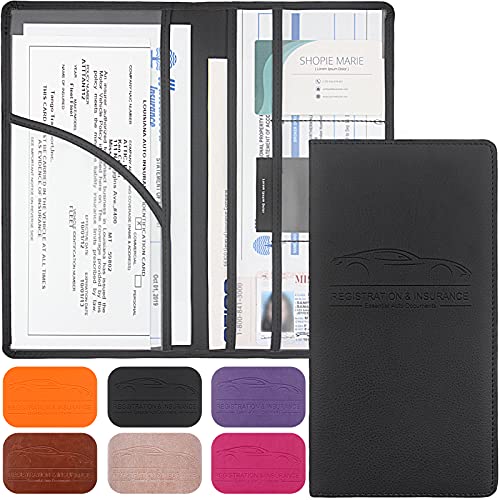
Navigating the aftermath of a car accident requires more than just physical recovery; it demands careful management of complex financial and legal documents. To stay organized and ensure you have all necessary paperwork—from police reports to medical bills—in one secure place, consider using a dedicated car accident document organizer. This simple tool can save you time and stress when dealing with insurance companies and legal representatives.



FAQs About How Medical Bills Are Paid After Car Accident
How does auto insurance pay medical bills?
Auto insurance pays medical bills in a sequence. First, your own no-fault coverage like PIP or MedPay may pay. Ultimately, the at-fault driver’s bodily injury liability insurance pays for all damages, often reimbursing your initial insurers through a final settlement.
What is the average medical bill after a car accident?
While it varies greatly, the average cost for medical treatment for a car accident injury is around $15,000, according to data from the National Highway Traffic Safety Administration. This can include the cost of hospitalization, surgery, and rehabilitation.
How does insurance work when it’s not your fault?
Even when it’s not your fault, your own health insurance, PIP, or MedPay will typically cover your initial medical bills to ensure you get prompt treatment. They are then reimbursed by the at-fault driver’s liability insurance once a settlement is reached.
Who pays medical bills after settlement?
After a settlement, the funds are first used to pay any outstanding medical bills or liens from hospitals, doctors, or health insurance companies that paid for your initial care. After these debts are settled, you receive the remaining amount.
Do I have to pay medical bills out of my settlement?
Yes, you are typically required to pay back any medical providers or insurers who covered your costs and placed a lien on your case. A lawyer’s job is often to negotiate these amounts down to increase the money you keep.
Final Summary: Key Steps for Handling Car Accident Medical Bills
Navigating the financial aftermath of a car accident is a journey with many steps, but it doesn’t have to be overwhelming. The system is designed, first and foremost, to get you the medical care you need without delay. By understanding the payment sequence—from your own immediate-pay policies like PIP and MedPay to the ultimate responsibility of the at-fault driver’s liability insurance—you can manage the process with confidence. Remember that your health insurance is a vital tool, and processes like subrogation and medical liens are standard procedures that a professional can help you navigate.
Navigating this process alone can be daunting. Take control by understanding the payment sequence and seeking professional guidance to protect your rights and your financial health.
- ➤ Seek Immediate Medical Care: Your health is the top priority. Use your health insurance, PIP, or MedPay to cover initial treatment costs.
- ➤ Notify All Relevant Insurers: Inform your auto and health insurance companies about the accident right away.
- ➤ Keep Meticulous Records: Save all medical bills, receipts, and correspondence from insurance companies.
- ➤ Understand the Settlement Process: Recognize that the final payment from the at-fault party takes time and that liens will need to be settled.
- ➤ Consult with a Professional: Speak with a qualified personal injury attorney to understand your options and ensure your financial interests are protected throughout the claim process.
Last update on 2026-01-13 / Affiliate links / Images from Amazon Product Advertising API


![What Car Is Chevy Bringing Back in [year]? New Lineup Revealed](https://carxplorer.com/wp-content/uploads/2026/01/What-Car-Is-Chevy-Bringing-Back-in-year-New-Lineup-Revealed-1-1-60x60.jpg "What Car Is Chevy Bringing Back in [year]? New Lineup Revealed 17")
