
Navigating the world of car headlights can feel like driving in the dark. You hear terms like Halogen, LED, and HID, and see lumen numbers ranging from a few hundred to an unbelievable 20,000. Trying to figure out how many lumens in car headlights is not just normal but safe and legal can be confusing and frustrating. This guide will illuminate the entire topic, breaking down exactly what these numbers mean for your visibility and safety on the road.
A typical halogen headlight has 700-1,200 lumens, an HID (Xenon) has around 3,200-3,500 lumens, and an LED can range from 3,000 to over 6,000 lumens per bulb.
Leveraging extensive analysis of available data and established automotive lighting standards, this guide unpacks the critical differences between headlight technologies. We’ll go beyond just lumens to explain what truly determines effective night-driving vision, what the legal considerations are, and how to choose the right brightness for your vehicle. Prepare to see the road ahead more clearly than ever before.
Key Facts
- Halogen Dominance: Despite being the dimmest option, halogen bulbs are still the most common, found on approximately 80% of all cars currently on the road.
- Brightness Leap: Factory-installed HID (Xenon) headlights are a significant upgrade, producing around 3,200 lumens—more than three times the brightness of a standard halogen high beam.
- Exceptional Longevity: The lifespan of an LED headlight is its standout feature, with many bulbs rated for 30,000 to 50,000 hours of use, compared to just 1,000 hours for a typical halogen.
- Legality is About Glare, Not Lumens: There is no single, universal legal limit for headlight lumens. Regulations primarily focus on controlling dangerous glare and ensuring the beam pattern is focused on the road, not in the eyes of other drivers.
- The Lux Factor: While lumens measure a bulb’s total light output, the more practical metric for performance is lux, which measures the amount of light that actually illuminates the road surface.
Car Headlight Lumens: A Quick-Reference Comparison Chart for 2025
A typical halogen headlight has 700-1,200 lumens, an HID has around 3,200-3,500 lumens, and an LED can range from 3,000 to over 6,000 lumens per bulb. This simple fact highlights the vast difference in potential brightness between the three main types of automotive lighting technology available today. Understanding these differences is the first step in choosing the right headlights for your vehicle and driving needs.

Below is a clear, side-by-side comparison to help you quickly assess the options.
| Headlight Type | Typical Low Beam Lumens | Typical High Beam Lumens | Key Characteristics |
|---|---|---|---|
| Halogen | ~700 lm | ~1,200 lm | Inexpensive, warm/yellowish light, shortest lifespan. |
| HID (Xenon) | ~3,200 – 3,500 lm | (Single bulb system) | Very bright white light, requires warm-up, energy efficient. |
| LED | ~3,000 – 6,000+ lm | (Single bulb system) | Extremely bright, instant-on, highly efficient, longest lifespan. |
Pro Tip: Remember, these are per-bulb ratings. The total brightness for your car is double these numbers!
What Are Lumens and Why Do They Matter for Headlights?
Lumens (lm) measure the total amount of visible light a bulb emits, indicating its potential brightness. However, the headlight’s design determines how effectively that light illuminates the road. It’s a fundamental unit of measurement for any light source, from a household lamp to the powerful bulbs in your car.
Here’s the bottom line:
* Total Light Output: Lumens tell you the total “quantity” of light produced directly at the source (the bulb itself).
* Brightness Indicator: A higher lumen rating generally means a brighter bulb. A 3,000-lumen bulb produces significantly more light than a 700-lumen bulb.
* Not the Whole Story: Lumens don’t account for focus, direction, or efficiency. The design of the headlight housing and reflector plays a critical role in directing that light onto the road where you need it.
Think of lumens like the total amount of water coming out of a hose. It tells you how much light there is, but not where it’s pointed. A powerful hose (high lumens) with a leaky, unfocused nozzle (poor headlight housing) will just make a big, useless puddle instead of watering the garden effectively.
Headlight Lumens by Bulb Type: A detailed breakdown
Headlight lumen output varies dramatically by technology: Halogens are the dimmest (700-1,500 lm), HIDs are much brighter (3,200-5,000 lm), and LEDs offer the highest potential brightness and efficiency (3,000-6,000+ lm). Each technology has a distinct profile of brightness, lifespan, and cost that caters to different needs and vehicle types.
With such a long lifespan, could LEDs actually be the most cost-effective choice in the long run? Let’s dive into the specifics of each type to see how they stack up.
Halogen Headlights: The Common Standard
Standard halogen low beams produce around 700 lumens, while high beams reach about 1,200 lumens, making them the least bright but most common option. For decades, halogen bulbs have been the default choice for vehicle manufacturers due to their simplicity and low cost. As noted in industry analyses, they are still found on approximately 80% of cars on the road today.
- Low Beam Output: ~700 lumens
- High Beam Output: ~1,200 lumens
- Lifespan: 450-1,000 hours
- Technology: These bulbs work by heating a tungsten filament inside a quartz capsule filled with halogen gas. This process creates a warm, yellowish-white light with a color temperature around 3000K. While reliable and cheap to replace, they are the least energy-efficient and have the shortest operational life.
HID (Xenon) Headlights: The Bright Upgrade
HID (Xenon) headlights are a significant upgrade, typically producing 3,200 to 3,500 lumens, offering whiter, more energy-efficient light than halogens. First introduced on luxury BMWs in the 1990s, High-Intensity Discharge technology represented a major leap forward in automotive lighting. Instead of a filament, HIDs create an arc of electricity through xenon gas to produce their intense light.
- Typical Output: 3,200-3,500 lumens
- Lifespan: Up to 2,000 hours
- Key Trait: Requires brief warm-up period to reach full brightness.
- Performance: HIDs are celebrated for their brightness and efficiency, casting a much wider and longer beam than halogens. This dramatically improves nighttime visibility, but they do come with the minor inconvenience of a warm-up time and higher replacement costs.
LED Headlights: The Modern Choice for Brightness & Efficiency
LED headlights offer the best combination of brightness (3,000-6,000+ lumens), efficiency, and an extremely long lifespan of up to 50,000 hours. Light-Emitting Diodes are the pinnacle of modern headlight technology. They use semiconductors to produce light, a process that is incredibly efficient, durable, and compact.
- Typical Output: 3,000-6,000 lumens (or more)
- Lifespan: 30,000-50,000+ hours
- Key Trait: Instant full brightness with no warm-up.
- Performance: LEDs provide intense, crisp white light and unparalleled longevity. While aftermarket claims of 20,000 lumens are often exaggerated due to significant heat management challenges with current technology, even standard LEDs provide exceptional brightness. Their instant-on nature makes them ideal for both low and high beam applications.
Is Brighter Always Better? Understanding Legal Limits & Glare
There is no universal legal limit for headlight lumens; regulations focus on controlling glare and beam pattern. Excessively bright or poorly aimed headlights are dangerous and illegal, regardless of lumen rating. The shift from dim halogens to ultra-bright LEDs has raised a critical safety question: when does bright become too bright? The answer isn’t a simple number.
Have you ever been blinded by an oncoming car? That’s glare in action, and it’s why beam pattern is just as important as brightness.
The most important factor for legality and safety is not the raw lumen count but the control of that light. A properly designed headlight will cast a sharp, controlled beam pattern on the road, illuminating your path without scattering stray light into the eyes of other drivers.
Here’s how legal considerations typically break down:
* Halogen: Standard halogen bulbs, with their lower output of 700-1,200 lumens, are almost always within legal compliance.
* HID (Xenon): Factory-installed HIDs are legal because they are paired with projector housings and auto-leveling systems designed to prevent glare. Aftermarket HID kits installed in housings meant for halogens are often illegal and dangerous.
* LED: Legal LED upgrades, often in the 2,000-4,000 lumen range per bulb, must be designed to replicate the beam pattern of the original halogen bulb to be safe and compliant.
Lumens vs. Lux vs. Kelvin: What’s the Real Measure of Performance?
Lumens measure total brightness, Lux measures the light that actually hits the road (a better indicator of visibility), and Kelvin measures the light’s color (e.g., yellow vs. blue-white). To truly understand headlight performance, you need to know these three key terms. Focusing only on lumens gives you an incomplete picture.
Quick Fact: A high-lumen bulb in a poor headlight housing can produce less lux on the road than a lower-lumen bulb in a great housing!
This table breaks down what each metric means for you as a driver:
| Metric | What It Measures | Why It Matters for Headlights |
|---|---|---|
| Lumens (lm) | The total amount of light emitted from the bulb. | It’s a measure of the bulb’s raw power or potential brightness. |
| Lux (lx) | The amount of light that lands on a surface. | This is the most practical measure of usable light on the road. It tells you how well the headlight is focusing its power. |
| Kelvin (K) | The color temperature of the light. | Determines if the light appears yellowish (3000K), pure white (~5000K), or bluish-white (6500K+). |
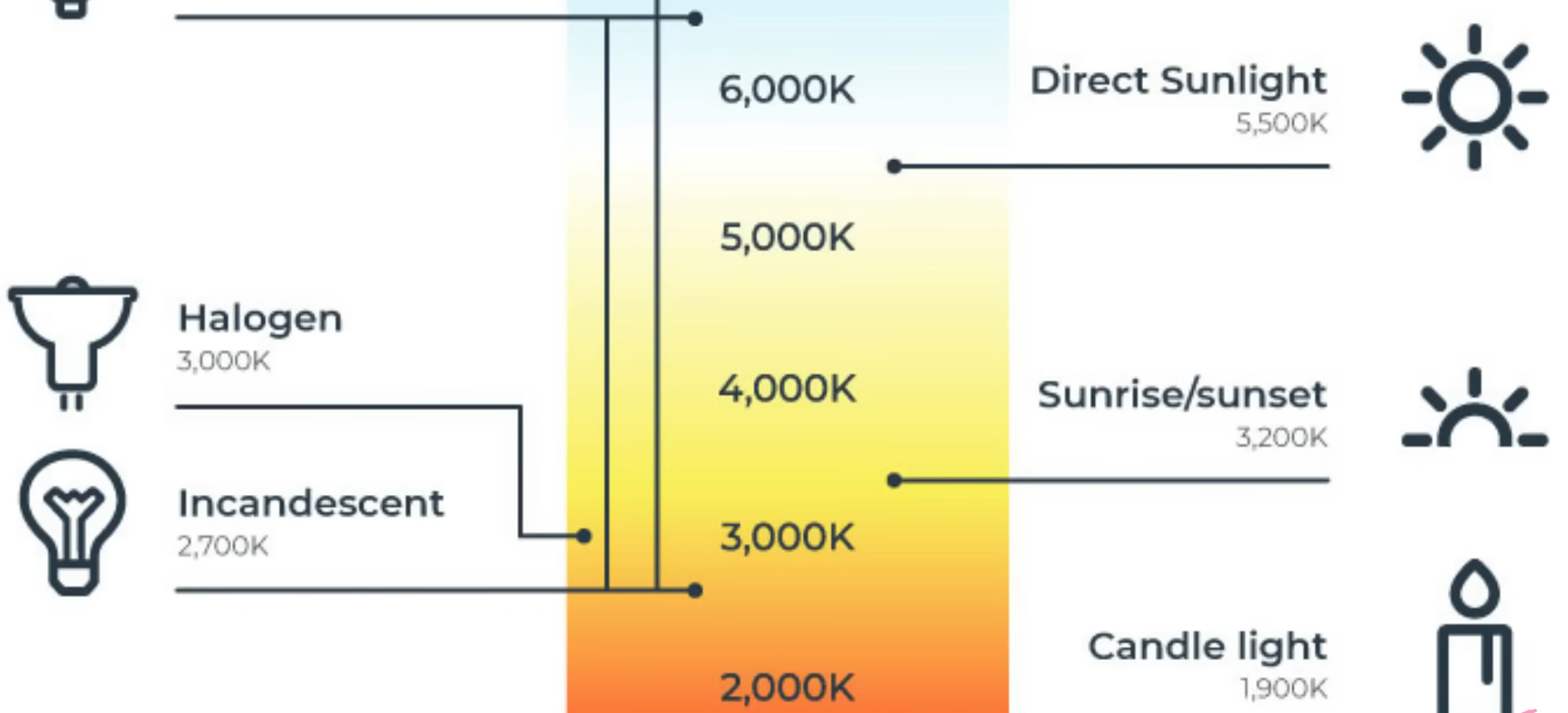
Ultimately, you want a headlight system that takes a high-lumen bulb and efficiently converts it into high lux on the road, with a clean, white color temperature for maximum clarity.
For those looking to upgrade their vehicle’s lighting for superior visibility and safety, investing in a quality set of modern headlight bulbs is the most effective solution.
![FAHREN H11 9005 Light bulbs combo, [Upgraded&Brightest] 100000LM 10X Super Bright H9 H8 HB3 off-Road Use or Fog light Bulbs, 6500k White Non-Polarity Plug and Play, Pack of 4](https://m.media-amazon.com/images/I/51DCNIpIveL.jpg "Average Car Headlight Lumens: What's Safe & Legal? 3")


FAQs About Car Headlight Lumens
Are 20,000 lumen headlights legal or even real?
No, 20,000-lumen headlights are generally not legal and the lumen claims are often exaggerated. Based on expert analysis, such claims are typically theoretical marketing figures, not a measure of actual, usable light. Current technology struggles to manage the immense heat that a true 20,000-lumen bulb would generate, and the resulting glare would be dangerously illegal and blind other drivers.
How many lumens are in a high beam vs. a low beam?
High beams are significantly brighter than low beams. To provide a clear baseline using the most common technology, a typical halogen bulb setup functions as follows:
* Low beams: Produce approximately 700 lumens.
* High beams: Produce approximately 1,200 lumens.
How many lumens are too bright for car headlights?
Any headlight that creates excessive glare for oncoming drivers is “too bright,” regardless of its lumen rating. The concept of “too bright” is less about a specific lumen number and more about uncontrolled light. A well-focused 3,000-lumen bulb in a proper projector housing is far safer and more effective than a poorly-focused 6,000-lumen bulb in a reflector housing that scatters light everywhere.
Is 3,000 lumens good for headlights?
Yes, 3,000 lumens is a very good and common brightness level for car headlights. This output is typical for many factory-installed HID systems (which are around 3,200-3,500 lumens) and high-quality, legal LED headlights. When properly installed and aimed, a 3,000-lumen bulb provides excellent visibility for the driver without creating dangerous glare for others on the road.
Final Summary: Choosing the Right Brightness for Your Vehicle
Choosing the right headlights is about finding the perfect balance between brightness, safety, and technology. It’s not about chasing the highest possible lumen number, but about understanding how that light is put to use. A smart choice improves your visibility and makes the road safer for everyone.
Here are the most important takeaways:
* Technology Dictates Brightness: LEDs (3,000-6,000+ lm) and HIDs (~3,500 lm) offer a massive jump in brightness over standard halogens (~700-1,200 lm).
* Focus is Paramount: Usable light on the road (lux) is more important than raw power from the bulb (lumens). A good headlight housing is crucial.
* Safety First: Legality and safety are determined by controlling glare, not by a specific lumen limit. Never install a bulb that blinds other drivers.
* LED is the Future: For most drivers seeking an upgrade, LEDs provide the best combination of intense brightness, extreme longevity, and energy efficiency.
Now that you understand the difference between raw power and effective light, you can confidently choose a headlight upgrade that truly improves your night driving vision safely.
Last update on 2025-12-02 / Affiliate links / Images from Amazon Product Advertising API


