
Wondering how many clear coats on a car are needed for that perfect, durable shine? You’re not alone; many DIY painters struggle with getting the clear coat layers just right, fearing mistakes like runs or a textured orange peel finish that can ruin hours of work.
For a professional and durable finish, the industry standard is to apply 2 to 3 medium wet coats of clear coat on a car. This provides sufficient thickness for UV protection and scratch resistance without being excessive. The exact number of clear coat layers depends on the specific product’s technical data sheet and the desired finish.
Based on an analysis of current manufacturer guidelines and professional body shop practices, this guide breaks down exactly what you need to know. You’ll discover the key factors that change the standard “2 to 3 coat” rule, ensuring you get a flawless finish every time by choosing the right number of coats for your specific project.
Key Facts
- The Standard is 2-3 Coats: For most automotive applications, two to three coats of clear are the industry-standard recommendation, offering a balance of protection and efficiency.
- Manufacturer Guidelines are Supreme: The product’s Technical Data Sheet (TDS) is the most critical source of information, specifying the exact number of coats needed for that particular clear.
- More Isn’t Always Better: Applying four or more coats dramatically increases the risk of defects such as cracking, solvent pop, and a wavy appearance due to excessive thickness.
- Show Finishes Need More Material: An extra coat (typically three total) is recommended for projects that will be wet-sanded and buffed to provide enough material for leveling without compromising the protective layer.
- Factory Finishes are Efficient: New cars from the factory typically have about 1.5 to 2.0 mils of clear coat, which is usually achieved in just two coats using robotic application and high-solids paint.
How Many Coats of Clear Coat Does a Car Really Need?
For most vehicles, the industry standard is to apply two to three wet coats of automotive clear coat. This range provides a durable, high-gloss finish with adequate UV protection and scratch resistance for a daily driver. The exact number of clear coats, however, ultimately depends on the specific product’s technical data sheet—the manufacturer’s instruction manual for the paint. Applying more than four coats is generally not recommended as it can lead to issues like cracking and a wavy appearance.

This recommendation serves as a baseline for nearly all automotive finishing projects, from a simple panel repair to a full car respray. Professional body shops adhere to this standard because it balances material cost, application time, and long-term durability. The goal of the clear coat layers is to protect the underlying base coat color from the elements while providing a deep, wet look. Two coats are often sufficient, especially with modern high-solids products, but a third can add depth and a margin for future paint correction.
Understanding this industry standard is the first step, but the real expertise lies in knowing when and why to deviate from it. The type of clear coat you use, the kind of finish you’re aiming for, and even the environment your car lives in can all influence the ideal number of coats. But what factors can change this number? Let’s explore the variables that turn a good paint job into a great one.
What Key Factors Determine the Ideal Number of Coats?
While 2-3 coats is the general rule, the ideal number of clear coat layers is determined by a few critical factors. Understanding these variables allows you to tailor the application to your specific project, ensuring a perfect finish whether you’re working on a daily driver or a show car. From the product chemistry to your final aesthetic goal, each element plays a role.
The ideal number of clear coats is determined by three main factors:
- 🖌 Clear Coat Type: High-solids clear coats require fewer layers than conventional clears. High-solids products, often mixed at a 2:1 ratio, contain more resin and less solvent. This means each coat builds thickness faster, so two coats are often enough to achieve the desired 2.0-mil thickness. Conventional clears may need three coats to reach the same film build.
- 🏆 Desired Finish: If you plan to “cut and buff” the paint for a mirror-like show car finish, an extra coat is essential. The process of wet sanding and polishing (cutting and buffing) removes the very top layer of the clear to level out any texture or imperfections. Applying a third coat provides more material to work with, acting as a safety margin to prevent you from sanding through to the base coat.
- 🌞 Durability and Environmental Needs: Vehicles that face harsh conditions—like intense sun, road salt, or industrial fallout—can benefit from the added UV protection and chemical resistance of a thicker clear coat. While two coats are sufficient for most climates, a third coat can offer an extra layer of defense, prolonging the life and gloss level of the paint job in extreme environments.
How Do 2, 3, and 4+ Coats Compare?
Choosing the right number of coats is a trade-off between efficiency, performance, and risk. Each option has a distinct purpose and outcome. Understanding these differences helps you make an informed decision based on your project’s specific needs, whether it’s a factory-style repair or a custom finish.
Here is a direct comparison of the most common clear coat applications:
| Number of Coats | Ideal For | Pros | Cons / Risks |
|---|---|---|---|
| 2 Coats | OEM-style finish, high-solids clears, daily drivers | Efficient, cost-effective, factory-like appearance, less risk of runs | Little room for error, minimal material for heavy wet sanding or deep scratch repair |
| 3 Coats | Custom paint, “cut and buff” show finishes, extra durability | Excellent depth and gloss, provides a safe film build for extensive polishing | Increased material cost, longer drying time, slight increase in orange peel risk if not applied correctly |
| 4+ Coats | Not Generally Recommended | Very deep gloss (initially) | High risk of clear coat cracking, solvent popping, waviness, and delamination due to excessive mil thickness |
How Do You Properly Apply Each Clear Coat for a Flawless Finish?
To apply clear coat correctly, start with a medium wet coat, overlap each pass by 50-75%, and wait the recommended “flash time” (usually 10-15 minutes) between each layer. This disciplined process ensures that each coat bonds chemically to the one before it, creating a single, durable film. Applying subsequent coats slightly wetter helps achieve a high-gloss, level finish. Always allow the final coat to cure completely according to the manufacturer’s guidelines before handling or polishing.
Based on proven techniques from professional body shops, following a structured application process is just as important as the number of coats you apply. Here is a step-by-step guide to achieving a professional result:
- Preparation is Key: Before spraying, ensure the base coat is completely clean, dry, and free of any dust or contaminants. Use a tack rag to gently wipe down the surface one final time right before you begin applying the clear.
- Apply the First Coat: The first layer should be a medium wet coat. This means applying enough material for it to flow out smoothly and create a glossy film, but not so much that it runs or sags. Maintain a consistent distance and speed with your spray gun, overlapping each pass by 50-75% to ensure even coverage.
- Respect the Flash Time: “Flash time” is the critical waiting period between coats. This typically takes 10-15 minutes at around 70°F (21°C), but you must follow the directions on your product’s technical data sheet. The surface is ready for the next coat when it looks dull and is tacky to the touch.
- Apply Subsequent Coats: Apply your second and, if needed, third coats in the same manner as the first. Many painters prefer to apply these subsequent coats just a little “wetter” than the first to maximize gloss and help the finish flow out as smoothly as possible. Remember to allow for flash time between each application.
- Final Cure: After your final coat is applied, let the vehicle cure completely without being disturbed. Curing times vary dramatically based on the product and temperature, from a few hours for baked finishes to 24 hours or more for air-dry clears. Do not attempt to sand or buff the finish until it is fully hardened.
Pro Tip: To check for flash time, lightly touch the masking tape next to the panel, not the panel itself. If it’s tacky but doesn’t leave a string of clear on your gloved finger, you’re ready for the next coat.
What Are the Risks of Applying Too Many or Too Few Coats?
Applying too few clear coats results in poor UV protection and a low-gloss finish, while applying too many coats is more dangerous, causing defects like cracking, solvent pop, and runs. Getting the coat count right is critical because both extremes lead to clear coat failure. The goal is to achieve a final cured thickness of 2.0 to 3.0 mils—the sweet spot for durability and appearance.
From our practical experience, troubleshooting paint jobs often comes down to issues with film build. Understanding the specific problems caused by having too little or too much clear coat can help you diagnose and prevent these costly mistakes.
Problems from Too Few Coats
Applying only one coat or two very light coats is a common mistake for beginners. This creates a thin, weak layer that is prone to premature failure.
- ❌ Inadequate UV Protection: The primary job of a clear coat is to protect the color coat from sun damage. A thin layer will fail quickly, leading to the base coat fading and oxidizing.
- ❌ Poor Gloss and Durability: A thin coat lacks the depth needed for a high-gloss, wet look. It will also be more susceptible to scratches and chemical etching from things like bird droppings.
- ❌ Visible “Thin Spots”: Insufficient material often leads to an uneven, slightly textured finish that lacks the smooth, uniform appearance of a factory paint job.
- ❌ No Room for Correction: If you get a scratch or need to polish the surface, a thin clear coat provides no material to work with. You will quickly burn through to the color coat.
Problems from Too Many Coats
While it may seem like more is better, applying too many coats of clear is far riskier than applying too few. An excessively thick film build leads to a host of serious defects that are difficult to repair.
- ❌ Clear Coat Cracking: This is the most severe issue. As an overly thick coat cures over weeks and months, it can become brittle. Unable to flex with the vehicle’s body panels, the stress causes it to develop cracks, often resembling a spiderweb.
- ❌ Solvent Popping: This occurs when the top layer of a thick coat “skins over” before the solvents underneath have evaporated. As these trapped solvents try to escape, they create tiny pinholes or “pops” in the surface.
- ❌ Runs and Sags: The more material you apply, the greater the risk that gravity will cause it to run or sag, especially on vertical panels. These require extensive sanding to fix.
- ❌ Wavy Finish or Excessive Orange Peel: Too much clear coat can struggle to flow out smoothly, resulting in a wavy, distorted finish that detracts from the vehicle’s appearance.
FAQs About how many clear coats on a car
What is the difference between 2:1 and 4:1 clear coat?
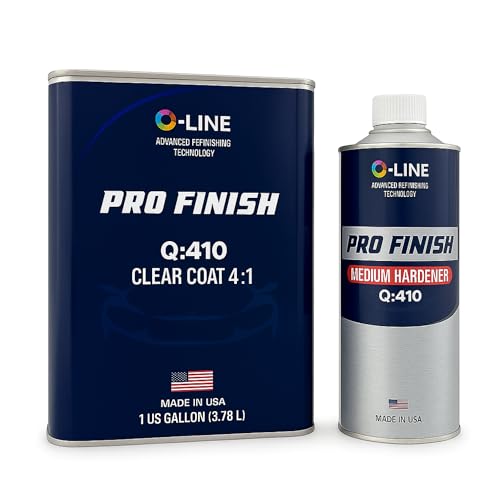
The numbers refer to the mix ratio of clear coat to activator. A 2:1 clear is typically a high-solids product, meaning you get more protective film with fewer coats (usually two). A 4:1 clear is often a lower-solids, traditional formula that may require three coats to achieve the same thickness and protection.
Should I sand between coats of clear?
No, you should not sand between coats of clear coat. Sanding is performed only after the final coat has fully cured. Applying a new coat over a sanded, uncured layer can cause major adhesion problems and trap solvents, leading to defects. The chemical bond between coats is strongest when applied within the recommended flash time window.
How many coats of clear coat are on a new car from the factory?
Factory (OEM) finishes typically have about 1.5 to 2.0 mils of clear coat, which usually equates to two coats. Manufacturers use robotic application and specialized high-solids, baked-on clears for maximum efficiency and durability. This provides a long-lasting finish that meets their precise performance and cost standards.
Can you put too many coats of clear coat on a car?
Yes, you can absolutely apply too many coats of clear coat. Exceeding three or four coats significantly increases the risk of defects like cracking, solvent pop (pinholes), and delamination. The excessively thick layer becomes brittle and cannot properly flex with the car’s body panels, leading to premature failure.
Is 2 coats of clear coat enough for a car?
Yes, in many situations, two coats of clear coat is enough. If you are using a modern high-solids (2:1 ratio) clear coat and do not plan on aggressive wet sanding, two medium wet coats will provide excellent gloss, UV protection, and durability that is very similar to many factory finishes.
How long should I wait between coats of clear coat?
You should wait for the “flash time” specified on the product’s technical data sheet, typically 10-15 minutes at 70°F (21°C). The surface is ready when it becomes tacky but is no longer wet. This allows solvents to evaporate but ensures the next coat can still chemically bond to the previous one for a strong finish.
How much clear coat do I need for a whole car?
For an average-sized sedan, you will typically need between 1 and 1.5 gallons of sprayable clear coat. This amount should be sufficient for applying 2-3 coats over the entire vehicle, including door jambs and other surfaces. It is always wise to buy slightly more than you estimate to account for test panels and equipment cleaning.
What happens if you apply clear coat too thick?
Applying clear coat too thick can cause runs, sags, and severe orange peel texture. More critically, it traps solvents under the surface, which leads to “solvent pop” (pinholes) as they try to escape. An overly thick coat also cures improperly, making it brittle and prone to cracking and peeling over time.
How many coats of clear on a car for a show car finish?
For a show car finish that will be wet-sanded and buffed, three coats is the recommended number. This provides enough film build (thickness) to allow you to level the surface by sanding out minor imperfections or orange peel. This creates a perfectly flat, mirror-like surface without the risk of sanding through to the color coat.
What is the ideal mil thickness for automotive clear coat?
The ideal final mil thickness for a cured clear coat is between 2.0 and 3.0 mils. This provides a durable, protective layer that has enough material for future paint correction but is not so thick that it becomes brittle and prone to cracking. Most technical data sheets will specify that 2-3 coats will achieve this target thickness.
Key Takeaways: How Many Clear Coats on a Car Summary
- The Golden Rule is 2-3 Coats: For most projects, applying 2 to 3 medium wet coats provides the best balance of gloss level, uv protection, and durability without introducing risks.
- Always Read the Technical Data Sheet: The manufacturer guidelines are your ultimate authority. A high solids (2:1) clear often needs only 2 coats, while a conventional (4:1) clear may need 3 to achieve the same mil thickness.
- More Coats for More Correction: Apply 3 coats if you plan to cut and buff. This extra layer provides a critical safety margin, preventing you from sanding through the clear coat while fixing imperfections like orange peel.
- Avoid More Than 3 Coats: Applying 4 or more coats is risky and not a proven technique. It dramatically increases the chances of clear coat cracking, solvent pop, and a wavy finish due to excessive thickness.
- Flash Time is Non-Negotiable: Wait the recommended 10-15 minutes between coats. Applying the next coat too soon traps solvents, while waiting too long prevents the layers from chemically bonding together properly.
- Thickness is a Balancing Act: The goal is a final cured thickness of 2.0-3.0 mils. Too little offers poor protection; too much leads to clear coat failure. The number of coats is simply a means to achieve this target.
- Problems Have Clear Causes: Thin spots and poor gloss result from too few coats. Clear coat runs and cracking are classic signs of applying too many or too-thick coats.
Final Thoughts on Achieving the Perfect Clear Coat Finish
Ultimately, achieving a durable, high-gloss finish is less about a magic number and more about a disciplined process. The key to a perfect clear coat is not simply adding more layers, but in understanding your materials, respecting the manufacturer’s guidelines, and applying the standard two to three coats with proper technique. Quality over quantity ensures a professional result that will protect your vehicle and look stunning for years to come. By focusing on the correct application of each layer, you empower yourself to produce a finish you can be proud of.
Last update on 2026-02-22 / Affiliate links / Images from Amazon Product Advertising API


![How Much to Polish a Car Complete Cost Breakdown for [year]](https://i0.wp.com/carxplorer.com/wp-content/uploads/2026/02/How-Much-to-Polish-a-Car-Complete-Cost-Breakdown-for-year-2.jpg?resize=60%2C60&ssl=1 "How Much to Polish a Car Complete Cost Breakdown for [year] 4")


![How Much to Install a Hitch on Your Car Complete Guide [year]](https://i0.wp.com/carxplorer.com/wp-content/uploads/2026/02/How-Much-to-Install-a-Hitch-on-Your-Car-Complete-Guide-year-2.jpg?resize=60%2C60&ssl=1 "How Much to Install a Hitch on Your Car Complete Guide [year] 10")
