
Is your car starting to feel more like a bouncy boat than a well-controlled machine? You’re not alone. Many drivers wonder about the true lifespan of their suspension components and get caught up in the confusing “replace by X miles” rule, unsure of what to actually look for. The question of how long should struts last on a car is less about a number on your odometer and more about understanding the signs of wear that directly impact your safety and comfort.
As a general guideline, struts on a car are designed to last between 50,000 and 100,000 miles. However, their actual longevity is a wear item heavily influenced by driving conditions, your driving style, and the quality of the components.
This guide cuts through the noise. Leveraging extensive analysis of vehicle data and established maintenance patterns, we will unpack the critical factors that determine strut lifespan, the undeniable signs of failure you can see and feel, and the serious safety risks of ignoring them. We’ll provide the clarity you need to know exactly when it’s time for a replacement, ensuring your vehicle remains safe, stable, and comfortable on the road.
Key Facts
- Standard Lifespan Range: The widely accepted service life for most struts is between 50,000 and 100,000 miles, a guideline established by leading manufacturers like Monroe and Firestone.
- Driving Impact is Paramount: Analysis from sources like Car and Driver confirms that frequent driving on rough roads with potholes is a primary factor that significantly shortens strut life.
- Safety is Non-Negotiable: Worn struts are a critical safety issue. Data from the National Highway Traffic Safety Administration (NHTSA) links worn suspension to compromised handling and reduced braking performance.
- Leaks Aren’t the Only Sign: While a visible fluid leak is a clear indicator of a failed strut, internal components can wear out and degrade performance, causing a bouncy ride long before any fluid appears.
- They Affect Other Parts: According to experts at Tire Rack, failing struts can cause improper tire contact with the road, leading directly to uneven and premature tire wear, adding another expense to the repair bill.
What Is the True Lifespan of Car Struts? (50,000 to 100,000 Miles Explained)
As a general guideline, struts on a car are designed to last between 50,000 and 100,000 miles. However, their actual longevity is a wear item heavily influenced by driving conditions, style, and component quality. This range serves as a crucial starting point for vehicle maintenance planning. A strut, which is a structural part of your vehicle’s suspension system, plays a vital role in controlling spring and suspension movement, a process known as “damping.” Proper damping ensures your tires stay in contact with the road, providing a smooth, controlled ride.

Think of struts as more than just comfort components; they are critical for your car’s handling, steering, and braking performance. Over tens of thousands of miles, the internal valves and hydraulic fluid that manage the compression and rebound cycles begin to wear out. This gradual degradation is why a car with 80,000 miles often feels less “planted” and responsive than a new one.
According to major auto care providers and parts manufacturers like Monroe and Firestone, the 50,000 to 100,000-mile window is the period when drivers should be most vigilant. For many vehicles, replacement becomes a strong recommendation closer to the 80,000-mile mark to restore original ride control and safety.

But why is the range so vast? The answer lies in how and where you drive. A vehicle that spends its life on smooth, pristine highways will experience far less strut wear than one navigating the pothole-ridden streets of a major city every day. The real story of your struts’ lifespan is written on the roads you travel.
Key Factors That Shorten or Extend Strut Lifespan
The lifespan of your struts is directly impacted by driving on rough roads, aggressive driving habits, carrying heavy loads, exposure to harsh climates, and the quality of the parts (OEM vs. Aftermarket). Understanding these variables is key to estimating how long struts should last on a car like yours and knowing when to schedule an inspection.
Each factor puts a unique kind of stress on the suspension system, accelerating the wear and tear on the internal seals and valves that control your vehicle’s stability. Here’s a breakdown of what matters most:
| Factor | Impact on Strut Lifespan | What This Means For You |
|---|---|---|
| Driving Conditions | High | Constant exposure to potholes, speed bumps, and rough or unpaved roads forces thousands of extra compression cycles, wearing out struts much faster. Your daily urban commute might be harder on your car than long highway trips. |
| Driving Style | High | As noted in reports from outlets like Car and Driver, aggressive habits like hard braking, fast cornering, and rapid acceleration place immense force on the struts. This causes them to work harder, generating more heat and leading to premature fluid breakdown and component wear. |
| Vehicle Load | Medium to High | Consistently carrying heavy cargo in your trunk or towing trailers puts a constant strain on the entire suspension system. This added weight compresses the springs and forces the struts to work overtime to control bouncing and swaying. |
| Climate & Environment | Medium | In colder climates, seals can harden and become brittle, increasing the risk of leaks. Road salt used in winter is highly corrosive and can eat away at the strut body and mounting hardware, leading to structural failure. |
| Strut Quality | Variable | Original Equipment Manufacturer (OEM) parts are designed for your specific vehicle. While many aftermarket parts are excellent, lower-quality options may not have the same durability or damping performance, leading to a shorter service life. |
Consider your daily commute. How many of these factors does your car face regularly? Being mindful of these influences empowers you to be proactive about your vehicle’s suspension health, moving beyond a simple mileage number and toward a more accurate assessment based on real-world use.
6 Telltale Signs Your Struts Need to Be Replaced
Key signs of worn struts include a bouncy ride, nose-diving during braking, uneven tire wear, visible fluid leaks on the strut body, clunking or rattling noises, and a loose steering feel. Paying attention to these symptoms is the most reliable way to determine how long should struts last on a car before they become a safety hazard. Your vehicle will give you clear signals when its suspension is compromised.
Experts at automotive parts suppliers like KYB Americas Corporation and AutoZone emphasize that these signs indicate the struts are no longer providing adequate damping force. Here is a diagnostic checklist to help you identify a problem:
- A Bouncy or Unstable Ride
Your car should feel stable and settled after hitting a bump. If it continues to bounce up and down like a boat on waves, the struts have lost their ability to control the spring oscillations. This is one of the most common and noticeable symptoms. -
“Nose Dive” When Braking or “Squat” When Accelerating
When you apply the brakes, does the front end of your car dip excessively? This is called a “nose dive.” Conversely, if the rear of the car squats down during acceleration, it’s another sign that the struts are too weak to manage the vehicle’s weight transfer. -
Uneven or Cupped Tire Wear
Take a close look at your tires. Worn struts allow the wheels to bounce slightly but rapidly as you drive, causing a distinctive “cupping” or “scalloping” wear pattern on the tread. This not only ruins your tires but is a clear signal of a deeper suspension issue. -
Visible Fluid Leaks
Inspect the strut itself, which looks like a thick, cylinder-shaped tube near the wheel. If you see oily, hydraulic fluid coating the outside of the strut body, it means the internal seal has failed. A leaking strut is a failed strut and must be replaced immediately.

- Clunking or Rattling Noises
Do you hear a knocking or clunking sound when driving over bumps, even small ones? This noise can come from worn internal components inside the strut or from worn strut mounting hardware. It’s a mechanical warning that something is loose or damaged. -
Reduced Steering Control or Responsiveness
If your car feels “loose” in turns, sways uncomfortably during lane changes, or seems to wander on the highway, worn struts could be the culprit. They play a key role in stabilizing the vehicle, and when they fail, steering precision is one of the first things to suffer.
Watch this video to see and hear some of these common signs:
Pro Tip: Pay attention not just to how your car feels, but also how it sounds. A new clunking noise over the speed bump on your street is a major clue!
The Dangers of Ignoring Worn Struts
Driving with worn struts is unsafe because it can severely compromise your car’s handling, increase braking distances, and lead to a loss of control, especially in emergency situations. This isn’t just a matter of comfort; it’s a critical safety issue that demands immediate attention. When you delay replacement, you are putting yourself, your passengers, and other drivers at risk.
Safety experts and organizations like Car Talk and Tire Rack consistently warn drivers about the consequences of a worn suspension system. Here are the primary dangers you face when you continue to drive on bad struts:
- ❌ Significantly Increased Braking Distance: This is the most serious risk. Worn struts allow your tires to bounce off the road surface when you brake hard. A bouncing tire has minimal grip, which can add significant length—sometimes 20 feet or more—to your stopping distance in an emergency.
- ❌ Compromised Handling and Stability: Your ability to swerve to avoid an obstacle or maintain control in a sharp turn is drastically reduced. Worn struts can lead to excessive body roll, making the vehicle feel unstable and unpredictable, particularly at highway speeds or in poor weather.
- ❌ Reduced Anti-Lock Brake (ABS) Performance: Your ABS system relies on consistent tire contact with the road to function correctly. The wheel hop caused by bad struts can confuse the ABS sensors, potentially reducing their effectiveness when you need them most.
- ❌ Accelerated Wear on Other Components: A failing suspension system puts additional stress on other parts. Worn struts can lead to premature failure of tires, ball joints, control arm bushings, and wheel bearings, turning a single repair into a cascade of costly problems.
Quick Fact: Worn struts can lead to improper tire contact with the road, which can significantly increase your braking distance in an emergency. Don’t wait until you’re in a critical situation to discover your car can’t perform as it should.
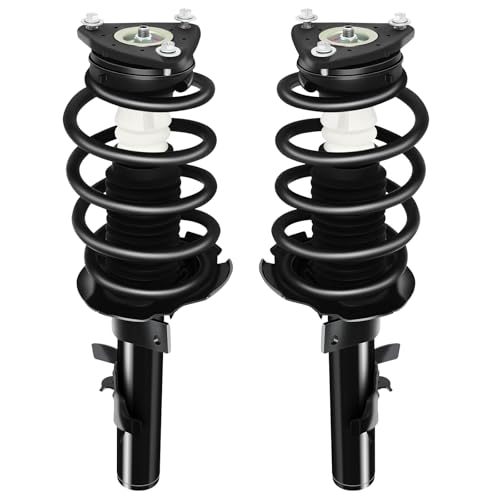
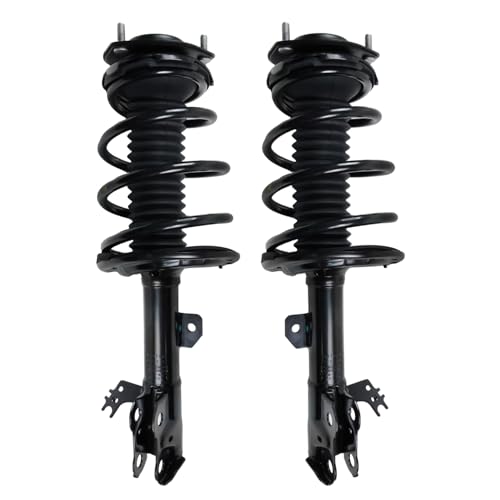
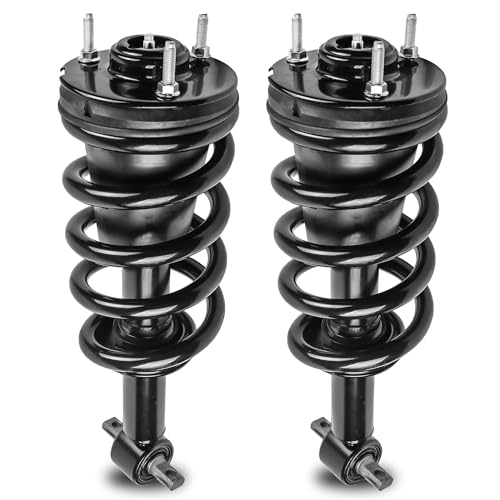
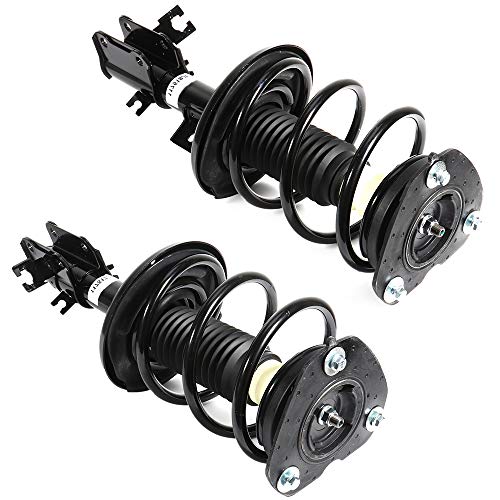
To ensure a quality replacement and get your vehicle’s handling back to factory-spec, consider exploring top-rated complete strut assemblies.


FAQs About Strut Lifespan and Replacement
Here are answers to some of the most common questions drivers have about strut replacement, addressing concerns from extreme longevity to brand-specific performance.
Can struts last 150k or even 200,000 miles?
While it’s technically possible for a strut to remain on a car for 150,000 miles or more without leaking, its performance will be severely degraded. The key thing to understand is the difference between catastrophic failure (a leak) and gradual performance loss. After 100,000 miles, the internal valving is worn, and the strut’s ability to control bouncing and swaying is significantly reduced. So, while possible under ideal conditions, struts with 150,000 miles or more will have significantly degraded performance, impacting ride quality and safety.
What is the average cost to replace struts?
There is no single average cost, as the price depends heavily on several factors. The cost to replace struts depends heavily on your vehicle’s make and model, the choice between Original Equipment Manufacturer (OEM) and aftermarket parts, and local labor rates. Luxury and European vehicles typically have more expensive parts. Because of this wide variation, it’s always best to get a specific quote from a trusted mechanic for your car.
Do struts last longer on specific cars like Toyota or Honda?
While manufacturers like Toyota and Honda are known for their reliability and often use high-quality OEM components, their struts are still subject to the same laws of physics and wear. Strut lifespan on reliable cars like Toyotas and Hondas is still primarily determined by driving conditions and mileage, generally aligning with the standard 50,000 to 100,000-mile estimate. An aggressively driven Toyota Camry in a city with bad roads will wear out its struts faster than a gently driven one on smooth highways.
Can struts last indefinitely if they don’t leak?
No, a strut can be worn out and unsafe even if it is not leaking. A visible fluid leak is only one sign of complete failure. The more common issue is internal wear. Over time, the seals and valves inside the strut wear down, allowing fluid to pass by them too easily. This reduces its ability to control bouncing and swaying, which is a failure of its core function. Many completely ineffective struts show no external signs of a leak.
Final Summary: When to Replace Your Car’s Struts
Ultimately, knowing how long should struts last on a car is less about watching the odometer and more about listening to your vehicle. While the 50,000 to 100,000-mile range is a valuable benchmark for when you should start paying close attention, the real indicators are the changes in your car’s ride, handling, and sounds. Ignoring these signs doesn’t just lead to a less comfortable drive; it creates a genuine safety risk by compromising your vehicle’s stability and braking performance.
By understanding the key factors that accelerate wear and learning to recognize the telltale symptoms of failure, you are empowered to make an informed decision based on your car’s actual condition, not just an arbitrary number.
Here are the most critical takeaways:
- Mileage is a Guideline, Not a Rule: Use the 50,000 to 100,000-mile range as a reminder to start inspecting your suspension, but let the vehicle’s symptoms be your final guide.
- Your Senses are the Best Tools: A bouncy ride, new clunking noises, nose-diving when braking, and uneven tire wear are undeniable signs that your struts need attention.
- Driving Conditions Matter Most: The roads you drive on every day have a greater impact on strut life than almost any other factor.
- Safety is the Priority: Never delay replacing worn struts. Restoring your car’s handling and braking performance is a critical investment in your safety.
Use this guide to stay aware of your vehicle’s performance. A proactive check is the best way to ensure your safety and ride quality for the miles ahead.
Last update on 2026-03-30 / Affiliate links / Images from Amazon Product Advertising API


![Dubai Luxury Cars: Ultimate Guide for Buying & Renting [year]](https://i0.wp.com/carxplorer.com/wp-content/uploads/2026/03/Dubai-Luxury-Cars-Ultimate-Guide-for-Buying-Renting-year-1.jpg?resize=60%2C60&ssl=1 "Dubai Luxury Cars: Ultimate Guide for Buying & Renting [year] 11")
![9 Old Luxury Cars: Cheap, Reliable & Built to Last [year]](https://i0.wp.com/carxplorer.com/wp-content/uploads/2026/03/9-Old-Luxury-Cars-Cheap-Reliable-Built-to-Last-year-1.jpg?resize=60%2C60&ssl=1 "9 Old Luxury Cars: Cheap, Reliable & Built to Last [year] 13")

![Luxury Cars White: 9 Elegant Designs & Top Models for [year]](https://i0.wp.com/carxplorer.com/wp-content/uploads/2026/03/Luxury-Cars-White-9-Elegant-Designs-Top-Models-for-year-1.jpg?resize=60%2C60&ssl=1 "Luxury Cars White: 9 Elegant Designs & Top Models for [year] 17")
![Blue Luxury Cars: 11 Stunning Models & Shades in [year]](https://i0.wp.com/carxplorer.com/wp-content/uploads/2026/03/Blue-Luxury-Cars-11-Stunning-Models-Shades-in-year-1.jpg?resize=60%2C60&ssl=1 "Blue Luxury Cars: 11 Stunning Models & Shades in [year] 19")