
That unmistakable “new car smell” is one of the most distinct and often beloved aromas associated with a major purchase. But have you ever wondered how long this unique scent actually lasts, what it’s made of, and whether you should be trying to preserve it or get rid of it? The answer isn’t as simple as a single number, as the lifespan of that scent is a fascinating mix of chemistry, environment, and even personal perception.
The new car smell typically lasts for a few weeks to several months. However, its duration is highly variable and can persist for a year or more depending on the car’s materials, your ventilation habits, and the climate you live in.
Leveraging extensive analysis of material science data and automotive industry trends, this definitive guide unpacks the science behind the scent. We’ll explore exactly what you’re smelling, the key factors that determine its longevity, the health considerations you need to know, and the best methods to either make it last longer or help it fade away faster.
Key Facts
- It’s Not One Scent: The “new car smell” is a complex cocktail of hundreds of volatile organic compounds (VOCs), including chemicals like toluene and formaldehyde, as noted by research in Environmental Science & Technology.
- Heat is an Accelerator: Higher temperatures, such as a car sitting in the sun, significantly increase the rate at which these VOCs are released from materials, a principle confirmed by the Journal of Environmental Sciences.
- Duration is Declining: According to industry analysis from sources like Deloitte, a trend towards using lower-VOC materials in manufacturing means the “new car smell” in modern vehicles may be less intense and shorter-lived than in older cars.
- Concentration Fades: The concentration of VOCs is highest when a car is brand new and decreases significantly over the first few months as the materials off-gas, a process detailed in studies published in Atmospheric Environment.
- Ventilation is Key: The most effective way to reduce VOC concentration and shorten the smell’s lifespan is regular, consistent ventilation, a recommendation echoed by consumer-focused organizations like AAA and Consumer Reports.
New Car Smell: A Definitive Guide to Its Lifespan, Composition, and Management
The question of how long a new car smell will last is a common one, but the answer varies widely. For most owners, the most potent phase of the scent dissipates within the first few months of ownership. However, a lingering trace can often be detected for six months to a year, and in some cases, even longer. But why does your friend’s car still smell new after six months while yours faded in six weeks? The answer lies in the science behind the scent.

The new car smell typically lasts for a few weeks to several months. However, its duration is highly variable and can persist for a year or more depending on the car’s materials, ventilation, and temperature. This variability is the key takeaway. A car in a hot climate that’s frequently aired out will lose its scent much faster than a garaged car in a cool climate that is rarely driven with the windows down.
To give you a clearer picture, here’s a breakdown of typical scenarios:
| Condition | Typical Duration | Extended Duration |
|---|---|---|
| High Use & Frequent Ventilation | A few weeks to 2 months | Up to 4 months |
| Average Use & Ventilation | 2 to 6 months | Up to 1 year |
| Low Use & Poor Ventilation | 6 months or more | Over a year |
As highlighted in reports from automotive experts at Car and Driver and scientific publications like Scientific American, there is no single timeline. Understanding the components of the smell and the factors that influence it gives you complete control over your car’s interior environment.
What Exactly Is That “New Car Smell”? The Science of VOCs
That smell isn’t one thing—it’s a cocktail of hundreds of chemicals releasing into your car’s cabin. The “new car smell” is not a single, engineered fragrance but rather the byproduct of a chemical process known as off-gassing. This process involves the release of Volatile Organic Compounds (VOCs) from the brand-new materials that make up your vehicle’s interior.
Essentially, every plastic, fabric, adhesive, and sealant used to build your car’s cabin slowly releases these microscopic chemical compounds into the air. According to research from authorities like the Environmental Protection Agency, this mixture is what creates the scent we associate with a new vehicle.

While hundreds of chemicals are involved, analysis from organizations like the Royal Society of Chemistry has identified several key contributors:
* Toluene: Used in adhesives and paints.
* Ethylbenzene: A solvent found in plastics and rubbers.
* Xylenes: Common in sealants and adhesives.
* Styrene: A component of plastic and rubber parts.
* Formaldehyde: Found in some plastics, fabrics, and resins.
Research has shown that the concentration of these VOCs is highest when the car is new and gradually decreases over time.
This peak concentration right after manufacturing is why the smell is so potent at first. Over weeks and months, as the materials stabilize, the rate of off-gassing slows down, and the smell naturally begins to fade.
https://www.youtube.com/watch?v=2agBrl1eYu0
4 Key Factors That Determine How Long Your New Car Smell Lasts
The speed at which your car’s signature scent fades is not random. It’s a direct result of four interconnected factors that control the rate of off-gassing and the dissipation of VOCs from the cabin. Think about your daily routine: Do you park in a sunny spot or a cool garage? The answer directly impacts how long that new car smell will stick around.
1. Material Composition & Manufacturing
The foundation of the new car smell is the materials themselves. The specific types of plastics, vinyl, sealants, and adhesives used in your car are the primary source of VOCs. Ever wonder if new cars smell less ‘new’ than they used to? It’s not your imagination—it’s a deliberate shift in manufacturing.
As noted in industry reports from sources like Deloitte, there is a global trend in the automotive industry to use materials with lower VOC emissions. This is driven by both consumer health concerns and environmental regulations.
* High-VOC Materials: Traditionally, materials like PVC (polyvinyl chloride) and certain polyurethane foams were major contributors to a strong, lasting new car smell.
* Low-VOC Trend: Modern vehicles are increasingly built with alternative plastics, water-based adhesives, and natural fibers (like soy-based foam) that off-gas significantly fewer chemicals.
This means a brand-new car today might have a more subtle and shorter-lived scent compared to a car from a decade or two ago, simply because its components are releasing fewer VOCs from the start.
2. Ventilation and Vehicle Usage
This factor is the most straightforward and the one you have the most control over. Ventilation is the process of replacing the VOC-laden air inside your car with fresh air from the outside. It’s a simple trade-off: The more fresh air you let in, the faster the ‘new’ smell goes out.
Frequent ventilation will dramatically accelerate the dissipation of VOCs. Driving with the windows down, using the climate control system to bring in outside air (not just recirculating), or even leaving the windows slightly cracked in a secure location allows the off-gassed chemicals to escape the enclosed cabin. Conversely, a car that is always sealed shut will trap these compounds, causing the smell to linger for much longer.
3. Temperature and Humidity
Temperature acts as a powerful catalyst for the off-gassing process. Heat provides the energy that encourages molecules to escape from solid materials into the air. This is why your car often smells much stronger after sitting in the sun on a hot day.
However, this leads to an interesting paradox. While heat makes the smell more intense in the short term, it also depletes the source of the VOCs more quickly. A car that is frequently exposed to high temperatures will “bake out” the VOCs from its interior materials faster, leading to a shorter overall lifespan for the new car smell. Humidity can also play a role, influencing how materials release these compounds.
| Condition | Effect on Smell Intensity | Effect on Smell Duration |
|---|---|---|
| Parking in Direct Sunlight | Increases (Initially) | Decreases (Fades Faster) |
| Parking in a Cool Garage | Decreases (More Subtle) | Increases (Lasts Longer) |
Pro Tip: As confirmed by scientific principles in the Journal of Environmental Sciences, parking in the shade not only keeps your car cooler but can also help the new car smell last a bit longer.
4. Individual Perception
Finally, there’s the human element. It’s the classic ‘Do you smell that?’ debate. When it comes to the new car scent, there’s no right answer. The perceived duration of how long a new car smell lasts is ultimately subjective.
Our sense of smell, or olfactory perception, varies significantly from person to person. What one individual registers as a ‘strong’ and distinct new car scent, another might find ‘barely noticeable’. According to research cited by the National Institutes of Health, factors like age, genetics, and overall health can influence our sensitivity to specific odors. This means that even in the same car, two people may disagree on when the new car smell has truly “gone away.”
Is New Car Smell Toxic? A Look at the Health Considerations
While the risk is generally low for most people, understanding the science helps you make the best choices for your family’s comfort and health. The question of whether the new car smell is toxic is a common and valid concern, especially since we know it’s caused by a mixture of chemicals like formaldehyde and toluene.
According to health organizations like the American Lung Association and the World Health Organization, high concentrations of VOCs in any indoor environment are not ideal. In a new car, where concentrations are at their peak, this chemical cocktail can cause temporary, mild symptoms in sensitive individuals. These can include:
* Headaches
* Nausea
* Dizziness
* Sore throat or irritation
For the vast majority of people, these effects are minimal and temporary. The VOC levels in a car are highest when it’s new and drop off significantly within a few months. The key takeaway is that while the chemicals are real, the exposure for a typical driver is low and decreases over time. The single most important mitigation strategy is simple: ventilation.
A Special Note for Parents: Is the New Car Smell Bad for Babies?
This is a high-stakes question for any new parent bringing a baby home in a brand-new vehicle. Because infants and young children have developing respiratory systems and can be more susceptible to airborne irritants, it’s wise to take extra precautions.
Health experts universally agree on the best course of action. It’s not about avoiding a new car, but about managing the environment inside it.
The single most effective step is regular, consistent ventilation.
Before placing an infant in a brand-new car, and for the first few months of ownership, make it a habit to air out the vehicle. Drive with the windows down for a few minutes before a trip, use the fresh air setting on your climate control, and never leave a baby in a sealed, hot car where VOC concentrations can build up. This simple practice dramatically reduces their exposure and ensures better cabin air quality.
The Great Divide: How to Keep the New Car Smell vs. How to Get Rid of It
Which camp are you in? Whether you want to savor the scent or show it the door, here are the steps to take. Your goal dictates your strategy. For some, the mission is to preserve that scent for as long as possible. For others, it’s to eliminate it as quickly as they can. Here’s how to tackle both objectives.
For Those Who Love It: How to Preserve the New Car Smell
It’s less about adding a smell and more about not covering up the one that’s already there. The natural off-gassing process cannot be stopped, but you can take steps to avoid overwhelming it with other odors.
- Keep it Meticulously Clean: The biggest enemy of the new car smell is outside contamination. Dirt, food crumbs, and spills introduce new bacteria and odors that will quickly overpower the subtle scent of off-gassing plastics. Vacuum regularly and wipe down surfaces with a clean, damp microfiber cloth.
- Avoid Competing Odors: Be strict about bringing strong scents into the car. This means no eating in the vehicle, avoiding strong air fresheners that just mask the scent, and being mindful of things like gym bags or takeout food.
- Use a Scent Replicator (Sparingly): When the natural smell inevitably fades, you can turn to a specially formulated spray. A high-quality product is designed to mimic the chemical notes of a new car’s interior. Use it lightly on floor mats to supplement the fading aroma.

For Those Who Don’t: How to Get Rid of the New Car Smell Faster
If you’re sensitive to the smell or simply want fresh, neutral air, your goal is to accelerate the natural off-gassing process. You can effectively ‘bake’ the VOCs out of the materials and vent them away, speeding up the natural process.
- Embrace Heat and Sunlight: As discussed, heat is the number one accelerator for off-gassing. On a sunny day, park your car in a safe, secure location in direct sunlight. This will raise the temperature of the interior and encourage materials to release their VOCs at a much faster rate.
- Maximize Ventilation: While the car is heating up, open the windows an inch or two. This creates an escape route for the VOCs being released, preventing them from resettling onto other surfaces. It allows the hot, chemical-laden air to vent out while fresh air cycles in.
- Full Air-Out Sessions: When possible, park in a safe place like your driveway or garage and open all the doors and windows for an hour. This complete air exchange is the quickest and most effective way to flush out the accumulated VOCs from the cabin.
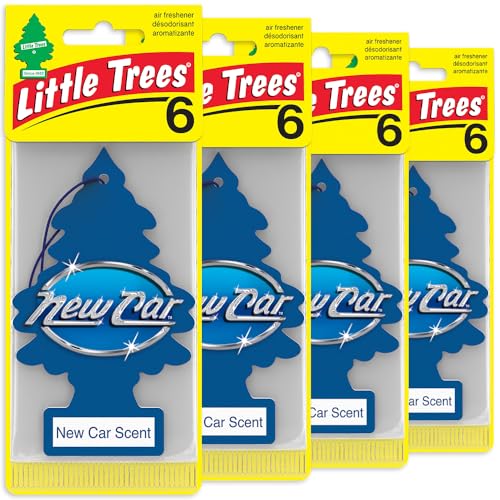
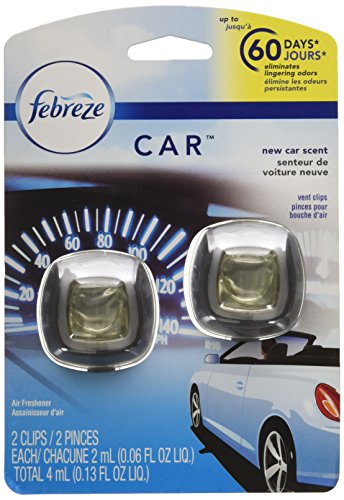
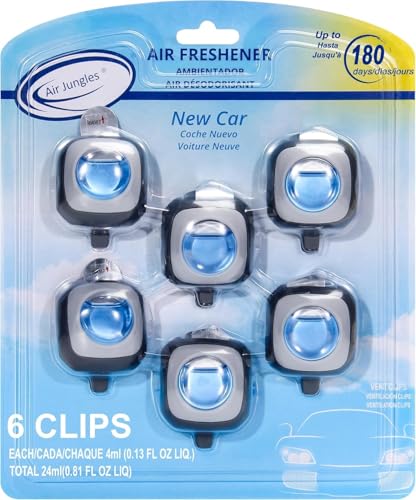
For those looking to replicate or refresh their car’s scent, investing in a quality new car smell spray can be an excellent solution. These products are formulated to mimic the unique blend of scents found in a new vehicle interior, helping you maintain that fresh-off-the-lot feeling.



FAQs About how long does a new car smell last
How long until a new car smell goes away completely?
For most people, the noticeable “new car smell” will be gone within 2 to 6 months. However, the off-gassing process continues at a very low level for years. Whether you can still detect a faint trace after a year often comes down to individual sensitivity to the specific VOCs.
How do you keep that new car smell longer?
The best way is to keep your car’s interior impeccably clean to prevent other odors from taking over. Avoid eating in the car, using strong air fresheners, or leaving smelly items inside. Once the natural scent fades, you can use a high-quality “new car smell” spray to replicate the aroma.
What exactly causes the smell of a brand new car?
The smell is caused by a process called off-gassing. Hundreds of volatile organic compounds (VOCs) are slowly released into the air from new interior materials like plastics, adhesives, fabrics, and sealants. This chemical cocktail is what creates the signature scent.
Is the new car smell actually toxic or harmful?
For the vast majority of people, the new car smell is not harmful. However, the VOCs that cause the smell can lead to mild, temporary symptoms like headaches or nausea in individuals who are particularly sensitive. These chemical concentrations are highest when the car is new and decrease significantly over time.
How can I speed up the new car off-gassing process?
Combine heat and ventilation. Park your car in a safe spot in the sun to warm up the interior, which accelerates the release of VOCs from the materials. At the same time, keep the windows cracked open to allow these chemicals to escape the cabin.
Is the new car smell bad for babies and children?
Because infants and children can be more sensitive to airborne chemicals, it’s recommended to ensure excellent ventilation in a new car. Regularly airing out the vehicle by driving with the windows down for a few minutes minimizes their exposure to the peak concentration of VOCs.
Do leather seats make the new car smell last longer?
Leather has its own distinct, natural smell that many people enjoy and associate with a new, premium car. However, the “new car smell” itself is primarily from the off-gassing of plastics and adhesives. The rich leather aroma is a separate scent that can indeed last for a very long time, often outlasting the chemical smell.
Final Summary: The Takeaway on Your New Car’s Scent
The question of how long a new car smell lasts opens a door into the fascinating chemistry of your vehicle’s interior. That unique scent, a product of off-gassing volatile organic compounds, has a lifespan dictated by materials, heat, and ventilation. On average, you can expect it to be prominent for a few months, but now you understand the variables you can control.
Whether you cherish the aroma as a symbol of your new ride or you’re sensitive to its chemical origins, the power is in your hands. You can preserve it with meticulous cleanliness or banish it with a combination of heat and fresh air.
- The Scent’s Lifespan: Typically lasts a few weeks to several months, but can linger for a year or more.
- The Cause: A complex mix of Volatile Organic Compounds (VOCs) off-gassing from new interior materials.
- Key Influencers: Material composition, temperature, and ventilation habits are the biggest factors.
- Health & Safety: The risk is low for most, but good ventilation is always recommended, especially for sensitive individuals and children.
- Your Control: You can either prolong the scent by keeping the interior clean or accelerate its departure with heat and airflow.
Now that you understand the science, you’re in the driver’s seat when it comes to managing your car’s unique aroma. Enjoy the ride
Last update on 2026-02-18 / Affiliate links / Images from Amazon Product Advertising API


