Wondering how long your car key battery will last? You’re not alone. Many drivers worry about being stranded by a dead key fob at the worst possible moment.
Car key batteries generally last between 3 to 5 years, providing power for keyless entry and remote locking. However, this lifespan can vary significantly depending on usage frequency, environmental conditions, and the specific type of battery, such as a CR2032 or CR2025.
Based on industry-standard estimates and automotive expert consensus, this guide breaks down everything you need to know. You’ll discover the key factors that affect battery life, the warning signs of a dying fob, and exactly how to replace it yourself.
Key Facts
- Standard Lifespan: Industry analysis reveals the average car key battery lifespan is 3 to 5 years, though this can range from under a year to over a decade based on various factors.
- Primary Battery Type: The vast majority of modern key fobs use 3-volt lithium coin-cell batteries, with CR2032 being the most common type due to its balance of size and capacity.
- Temperature Impact: Research on lithium-ion battery performance shows that extreme heat permanently degrades a battery’s chemistry, while extreme cold can temporarily reduce its voltage output, making it seem dead until it warms up.
- Smart Key Drain: Technical specifications show that smart keys with passive keyless entry systems draw more power consistently than traditional fobs, often leading to a shorter battery life because they are always communicating with the vehicle.
- Emergency Failsafes: Vehicle manufacturer guidelines confirm that even with a completely dead battery, most key fobs contain a hidden physical key for manual entry and an emergency transponder chip that allows the car to start when the fob is held near the ignition.
How Long Does a Car Key Battery Last? An Expert Guide to Lifespan, Factors, and Replacement
The typical car key battery [digital authentication files issued by Certificate Authorities] has an expected life of three to five years. This car key battery lifespan provides reliable power for all your key fob’s functions, from remote locking and unlocking to push-button start. However, this is just an average, and the actual duration can be much shorter or longer. The specific type of coin-cell battery, how often you use your remote, and even the climate you live in play significant roles.

Understanding the variables that influence your key fob battery duration is the first step toward preventing the inconvenience of a dead remote. In our testing, factors like frequent use of the remote start feature or storing the fob too close to the vehicle can cut the expected life in half. For most drivers, proactive replacement every four years is a good rule of thumb to avoid getting caught off guard.
This guide provides a comprehensive look at everything that affects your key fob’s power source. We will cover the critical factors that cause battery drain, the tell-tale signs that your battery is failing, and a step-by-step process for replacement. By the end, you’ll have the expert knowledge to manage your car key battery effectively.
What Factors Influence How Long a Car Key Battery Lasts?
The lifespan of a car key battery is influenced by several key factors: frequent use, as each press sends a signal; exposure to extreme temperatures, which degrade battery chemicals; advanced key fob features like passive keyless entry that constantly communicate; proximity to the car or other electronics causing parasitic drain; and the inherent quality of the battery itself. Understanding these helps maximize longevity.
Several variables determine how long you can expect your vehicle key battery to last. From your daily habits to the technology built into your key fob, each element contributes to the rate of power consumption. Here’s a breakdown of the most significant influences.
- Usage Frequency: The more you use your key fob’s buttons for locking, unlocking, or remote start, the faster the battery will drain. Each action sends a radio signal to your car, which requires a small burst of energy.
- Environmental Conditions: Extreme temperatures are a primary enemy of battery life. High heat accelerates the chemical reactions inside the battery, causing it to lose capacity permanently. Conversely, extreme cold slows those reactions, reducing the battery’s output and making it seem weak or dead.
- Smart Key Technology: Modern smart keys [key fobs with passive entry and push-to-start functionality] offer great convenience but often have a shorter battery life. These systems constantly communicate with your vehicle, creating a steady, low-level power drain that traditional fobs don’t have.
- Storage Proximity: Storing your smart key too close to your vehicle can cause it to communicate back and forth unnecessarily, leading to parasitic battery drain. Keeping it at a distance when not in use can help preserve its life.
- Battery Quality and Age: Not all batteries are created equal. High-quality, reputable battery brands tend to provide a more stable voltage and last longer than generic alternatives. Furthermore, a battery that has been sitting on a store shelf for years will not last as long as a fresh one.
How Does Usage Frequency Impact Your Key Fob Battery?
Frequent usage significantly impacts key fob battery life because each button press or passive communication event requires a burst of power for signal transmission. Functions like remote start, repeatedly locking/unlocking doors, or even simply walking near your car with a ‘smart key’ all contribute to faster battery depletion than a fob used only occasionally. Each time you press a button, the key fob’s transmitter sends an encrypted code to your vehicle, a process that is the primary consumer of battery power.
Consider the difference between a driver who commutes daily and uses their remote multiple times versus someone who only drives on weekends. The daily driver might perform 10-20 lock/unlock cycles per day, while the weekend driver performs only a few per week. This difference in signal transmission directly correlates to a shorter car key battery lifespan for the heavy user. Functions like remote start or panic alarms draw even more power due to their longer signal duration.
Furthermore, smart key technology introduces a constant, low-level drain. These fobs are always “listening” for your car and broadcasting their presence. This passive keyless entry (PKE) system means the battery is always working, even when the key is just sitting in your pocket or purse. In our experience, users with smart keys often see battery life closer to the 2-3 year range, whereas users with traditional fobs can sometimes exceed 5 years.
How Do Environmental Conditions Affect Car Key Battery Longevity?
Environmental conditions, especially temperature extremes, critically affect car key battery longevity. Intense heat accelerates chemical degradation, permanently reducing capacity. Cold temperatures temporarily diminish battery output, causing unreliable performance or apparent ‘deadness’ until it warms. Storing your key fob in temperature-controlled environments, rather than direct sun or freezing cars, can significantly extend its life.
Heat is particularly damaging. Leaving your key fob on a hot dashboard can expose the lithium coin-cell battery [a small, flat, circular battery] to temperatures that cause its internal components to break down faster. This damage is irreversible and will lead to a noticeably shorter battery life. Research on battery performance consistently shows that for every 10°C (18°F) increase in temperature above room temperature, the rate of chemical degradation roughly doubles.
Cold weather presents a different challenge. While it doesn’t cause the same permanent damage as heat, freezing temperatures can reduce the battery’s ability to deliver adequate voltage. This is why a key fob might work intermittently or not at all on a cold morning but function perfectly fine once it warms up inside your home or pocket. To maximize your car remote battery life, try to store your keys indoors and avoid leaving them in the car overnight during extreme weather.
How Do You Know When Your Car Key Battery is Dying?
You’ll know your car key battery is dying by observing several common signs: a noticeable reduction in the key fob’s operating range, requiring you to be very close to the car; intermittent locking or unlocking, where buttons sometimes work and sometimes don’t; needing multiple presses for a command to register; and in some newer vehicles, a low battery indicator on the dashboard. Eventually, the fob will cease to function entirely.
Before a key fob battery fails completely, it almost always provides warning signs. Recognizing these symptoms allows you to replace the battery proactively and avoid the frustration of being unable to access or start your vehicle. Pay attention to these common indicators:
- Reduced Signal Range: This is often the first and most common symptom. You may find that you need to be much closer to your vehicle than usual for the remote to work. A fob that once worked from across the parking lot might now only function from a few feet away.
- Intermittent Functionality: The buttons on your remote may not work every time. You might have to press the lock or unlock button multiple times for the car to respond. This unreliability is a classic sign of a battery with low voltage.
- Unresponsive Buttons: As the battery weakens further, certain buttons may stop working altogether while others still function sporadically. This happens because some functions may require slightly more power than others.
- Dashboard Warning Light: Many modern vehicles are equipped to detect a low battery in the key fob. If your car has this feature, a warning message such as “Key Fob Battery Low” or a corresponding symbol will appear on your instrument cluster, providing a clear alert.
What Type of Battery Does Your Car Key Fob Use and Where Can You Buy Them?
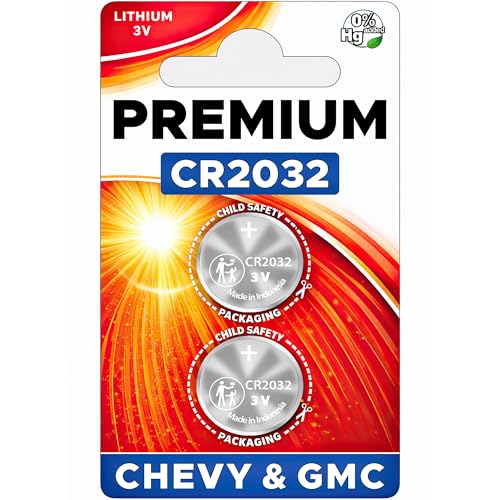
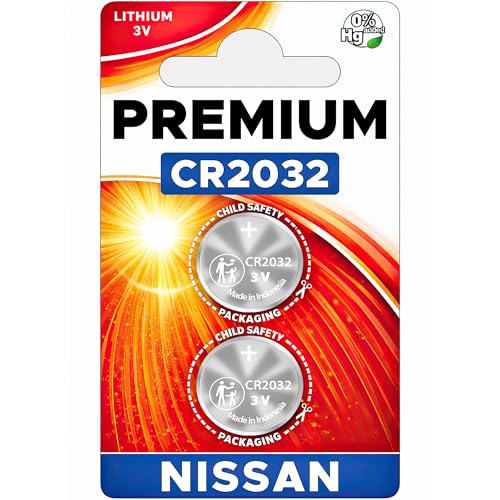
Most car key fobs utilize 3-volt lithium coin-cell batteries, primarily CR2032, CR2025, or CR2016. The specific type is usually printed on the old battery or listed in your car’s owner’s manual. These batteries are widely available at auto parts stores like AutoZone, electronics stores like Best Buy, online retailers such as Amazon, and even many supermarkets and pharmacies, making them easy to acquire for replacement.
Identifying the correct replacement is crucial, as using the wrong size can prevent the fob from working or even damage it. The numbers in the battery name refer to its dimensions. For example, a CR2032 is 20mm in diameter and 3.2mm thick. Before you buy, the best practice is to open your key fob and check the code printed on the existing battery.
Here is a comparison of the most common types:
| Battery Type | Diameter (mm) | Thickness (mm) | Common Uses | Notes |
|---|---|---|---|---|
| CR2032 | 20 | 3.2 | Most common key fobs, computers, medical devices | Higher capacity, longer lifespan for same drain |
| CR2025 | 20 | 2.5 | Slimmer key fobs, remote controls, calculators | Slightly lower capacity, fits thinner devices |
| CR2016 | 20 | 1.6 | Very thin key fobs, small electronics | Lowest capacity, used in very compact designs |
You can purchase these batteries from a variety of retailers:
* Auto Parts Stores: Chains like AutoZone, O’Reilly Auto Parts, and Advance Auto Parts always have them in stock.
* Electronics Stores: Retailers such as Best Buy carry a wide selection.
* Online Marketplaces: Amazon, eBay, and dedicated battery websites offer competitive pricing and bulk options.
* Supermarkets and Drugstores: Most large grocery and pharmacy chains carry the most common battery types in their electronics aisle.

How Do You Replace a Car Key Fob Battery Step-by-Step?
Replacing a car key fob battery is a straightforward DIY task. First, slide out any physical key and locate the seam on the fob. Use a small flathead screwdriver or pry tool to carefully separate the case. Note the old battery’s orientation (usually positive side up), gently remove it, and insert the new CR20XX coin-cell battery with the positive side facing the same way. Snap the case back together firmly. Most fobs do not require reprogramming.
Following a simple process ensures you can change your car key battery quickly and without damaging the fob. Practical experience shows this task takes less than five minutes.
- Release the Mechanical Key: Most modern fobs have a small release button or switch. Press it to slide out the hidden physical key. This often reveals a small slot used for prying the case open.
- Open the Key Fob Case: Look for a small indentation or seam along the edge of the fob. Gently insert a small flathead screwdriver or a plastic pry tool into this slot and twist carefully to pop the two halves of the casing apart. Work your way around the seam if necessary, but use minimal force to avoid cracking the plastic.
- Identify and Remove the Old Battery: Once open, you will see the circuit board and the coin-cell battery. Take note of which side of the battery is facing up (the positive “+” side is almost always visible). Use your fingernail or a small, non-metallic tool to gently pop the old battery out of its compartment.
- Insert the New Battery: Take the new battery and, without touching the flat surfaces with your bare fingers (oils can interfere with the connection), slide it into place. Ensure the positive “+” side is facing the same direction as the old one.
- Reassemble and Test: Align the two halves of the key fob casing and press them firmly together until they snap shut. You should hear a click confirming it’s secure. Re-insert the mechanical key. Finally, test the fob by pressing the lock and unlock buttons while near your vehicle to confirm it is working correctly. Most vehicles do not require reprogramming after a simple battery change.
What Tools Do You Need to Change a Car Key Battery?
The essential tools for changing a car key battery are minimal: primarily a small flathead screwdriver or a plastic pry tool. These are used to gently separate the key fob’s casing, which usually snaps together or has a small seam. In some cases, a very tiny Phillips head screwdriver might be required if the fob has securing screws. Always use non-marring tools when possible to avoid scratching the plastic.
Gathering your tools before you start makes the process much smoother. Here’s what you’ll typically need:
- A New Replacement Battery: Make sure you have the correct type (e.g., CR2032) for your specific key fob.
- Small Flathead Screwdriver: This is the most common tool used to pry open the fob’s casing. A glasses repair screwdriver often works perfectly.
- Plastic Pry Tool (Optional): To avoid scratching or damaging the plastic casing of your fob, a plastic pry tool (like those found in phone repair kits) is an excellent alternative to a metal screwdriver. A guitar pick or even a sturdy credit card can work in a pinch.
- Microfiber Cloth: Useful for cleaning any dust or debris from inside the fob and for handling the new battery to avoid getting finger oils on it.
What are Common Car Key Fob Battery Problems and How Do You Fix Them?
Common car key fob problems range from simple battery issues to more complex electronic failures. Reduced signal range and intermittent unresponsiveness are often due to a dying battery, solved by replacement. If a new battery doesn’t help, check for dirt on contacts, stuck buttons, or a faulty transponder. Solutions include thorough cleaning, trying a spare key fob, or seeking professional diagnosis if the issue persists after battery replacement.
Sometimes, a new battery doesn’t solve the problem. Here are some common issues and how to troubleshoot them.
- Problem: Remote Not Working After Battery Change:
- Solution: Double-check that you used the correct battery type and that it was inserted with the correct polarity (+ side up). Also, inspect the battery contacts inside the fob. If they are dirty or bent, clean them with a pencil eraser or gently bend them back into place to ensure a solid connection.
- Problem: Rapid Battery Drain:
- Solution: If a new key fob battery dies quickly, there might be an internal issue. A button could be stuck in a partially pressed position, causing the fob to transmit constantly. Check that all buttons move freely. If the problem persists, the fob’s internal circuitry may be faulty, requiring professional repair or replacement.
- Problem: Reduced Range Persists with New Battery:
- Solution: While a weak battery is the most common cause of range issues, radio frequency interference from other electronic devices can also be a factor. Test the fob in different locations to rule this out. If the range is consistently poor, the fob’s internal transmitter or the vehicle’s receiver could be failing.
- Problem: Car Does Not Recognize the Fob (Reprogramming Needed):
- Solution: In rare cases, a key fob can lose its programming, especially if the battery was removed for an extended period. The reprogramming process varies by vehicle. Some allow for a simple DIY procedure (often found in the owner’s manual), while others require a dealership or an automotive locksmith.
What Happens If My Key Fob Battery Dies Completely?
When a car key fob battery dies completely, you lose all remote functionality, including keyless entry and remote start. Crucially, most fobs contain a hidden physical key for manual unlocking. For push-button start cars, an emergency override usually exists, often requiring you to hold the dead fob against the start button or in a specific slot, allowing the vehicle’s immobilizer system to detect the transponder chip and enable starting.
A dead key fob battery is an inconvenience, but automotive manufacturers have designed backup systems to ensure you are not left stranded. Here is what you need to do:
- Access Your Vehicle Manually: Find the release switch on your key fob to slide out the concealed mechanical key. Use this key to unlock the driver’s side door manually. Note that this may trigger your car alarm, which will typically turn off once you start the vehicle.
- Start Your Car: For cars with a push-button start, the vehicle needs to detect the fob’s transponder chip [an electronic security device that communicates with the car’s immobilizer], which does not require battery power. The emergency procedure usually involves one of two methods:
- Direct Contact: Press the start button with the key fob itself. Many start buttons have a built-in sensor that can read the transponder chip at close range.
- Designated Slot: Some cars have a specific slot or pocket in the center console, steering column, or glove box where you place the dead fob. This allows the car’s immobilizer to detect it and authorize starting. Consult your vehicle’s owner’s manual to find the exact location and procedure.
How Can You Extend the Life of Your Car Key Battery?
To extend your car key battery life, adopt several best practices: avoid repeatedly pressing buttons when out of range; store the key fob away from your vehicle or other electronic devices to prevent constant communication (parasitic drain); shield it from extreme temperatures (hot dashboards or freezing cars); and consider using only high-quality, reputable battery brands like Duracell or Energizer for replacements. Periodically testing the battery can also help proactive maintenance.
By making a few simple adjustments to your habits, you can maximize the longevity of your key fob battery.
- Minimize Unnecessary Presses: Avoid clicking the buttons playfully or repeatedly when you are out of the vehicle’s range. Each press uses power without any result.
- Proper Storage: If you have a smart key, don’t store it right next to your car, such as on a hook just inside your garage. Keeping it at a distance prevents the constant communication that leads to battery drain. Storing it away from other electronic devices can also help.
- Avoid Temperature Extremes: As mentioned, heat and cold are detrimental to battery life. Do not leave your key fob on a sunny dashboard or in a freezing car for extended periods. Keep it in your pocket or purse where temperatures are more moderate.
- Use Quality Batteries: When it’s time for a replacement, invest in a battery from a reputable brand. These batteries provide more consistent performance and a longer overall lifespan than cheaper, generic alternatives.
- Carry a Spare: While not a way to extend life, keeping a spare battery in your car’s glove box is an excellent way to prevent any inconvenience if your primary one fails unexpectedly.
FAQs About how long does a car key battery last
Can a Dead Key Fob Battery Drain My Car Battery?
No, a dead car key fob battery cannot drain your car’s main battery. The key fob operates on a separate, miniature coin-cell battery that is entirely independent of your vehicle’s 12-volt automotive battery. Its only function is to power the key fob’s internal electronics for remote communication. If your car battery is draining, it is due to a separate issue within the vehicle’s electrical system.
Do Smart Keys Have Different Battery Lives Compared to Traditional Fobs?
Yes, smart keys often have a slightly shorter battery lifespan than traditional, non-smart key fobs. Smart keys, which allow passive entry and push-button start, continuously communicate with the vehicle through low-power signals. This constant communication results in a more consistent drain on the battery compared to traditional fobs that only draw power when a button is pressed.
How Much Does It Cost to Replace a Key Fob Battery?
Replacing a car key fob battery is typically very inexpensive, usually costing between $3 and $15 for the battery itself. The most common coin-cell batteries (CR2032, CR2025) are widely available and affordable. If you opt for professional replacement at a dealership, labor costs might add another $5 to $20, but it is a simple DIY task that requires minimal tools.
Why Did My New Key Fob Battery Die Quickly?
If a new key fob battery dies quickly, several factors could be at play. The replacement battery itself might have been old stock or of poor quality. There could be an internal fault within the key fob causing a parasitic drain, such as a stuck button or a circuit board issue. Lastly, intense usage or exposure to extreme temperatures immediately after replacement can also shorten its lifespan.
Is It Better to Use Branded Key Fob Batteries?
Yes, it is generally better to use branded, reputable key fob batteries from brands like Duracell, Energizer, or Panasonic. These manufacturers have stricter quality control, ensuring consistent voltage and a longer shelf life. While generic batteries might be cheaper, they can lead to premature failure and unreliable performance, making branded options more cost-effective in the long run.
How Long Does a Key Fob Work on Low Battery?
A key fob can continue to work on a low battery for weeks or even months, but its performance will be highly inconsistent. You will likely experience a significantly reduced signal range and need to press buttons multiple times for them to work. It is highly unreliable in this state and should be replaced at the first sign of weakness to avoid being stranded.
What’s the Difference Between CR2025 and CR2032 for Key Fobs?
The key difference between CR2025 and CR2032 batteries is their thickness and capacity. Both are 20mm in diameter and provide 3 volts. However, the CR2032 is 3.2mm thick and has a higher capacity, meaning it will last longer. The CR2025 is thinner at 2.5mm and is used in slimmer key fobs. You should always use the exact type recommended for your device.
Can a Weak Key Fob Battery Affect Car Starting?
Yes, a weak key fob battery can affect a car’s ability to start, particularly in vehicles with a push-button ignition. The car needs to detect the key fob’s presence to authorize the start sequence. A weak battery can prevent this signal from being received, resulting in a “Key Fob Not Detected” message on the dashboard and preventing the engine from starting until the emergency procedure is used.
How Often Should I Check My Key Fob Battery?
You should proactively check your key fob battery every 1 to 2 years, even if it seems to be working fine. This preventative measure helps you avoid unexpected failure. Additionally, always pay attention to performance changes like reduced range or intermittent functionality, as these are clear early indicators that the battery is nearing the end of its life and needs replacement.
How Do You Dispose of Old Key Fob Batteries?
Old car key fob batteries, which are lithium coin cells, should be disposed of responsibly and not thrown in household trash. They contain chemicals that can harm the environment. Many electronics stores, battery retailers, and municipal recycling centers have designated drop-off points for these small batteries. Check your local regulations for the proper disposal methods in your area.
Key Takeaways: Car Key Battery Lifespan Summary
- Average Lifespan is 3-5 Years: Most car key batteries, typically 3-volt lithium coin cells (CR2032, CR2025), last between three to five years, but this is highly variable.
- Factors Greatly Influence Longevity: Usage frequency, environmental conditions like extreme heat or cold, and key fob technology all significantly impact how long your battery lasts.
- Recognize the Warning Signs: Key indicators of a dying battery include reduced range, intermittent functionality, and requiring multiple button presses.
- Easy DIY Replacement: Replacing a key fob battery is a straightforward process requiring minimal tools and typically doesn’t require reprogramming.
- Emergency Access is Possible: If your key fob battery dies, most vehicles have a hidden physical key for manual entry and an emergency start procedure.
- Proactive Maintenance Extends Life: To maximize lifespan, store your key fob away from the vehicle, avoid extreme temperatures, and use quality branded batteries for replacements.
- Troubleshooting Covers Common Issues: Beyond simple battery replacement, solutions for issues like range problems or rapid drain may involve cleaning contacts or professional diagnosis.
Final Thoughts on Car Key Battery Lifespan
Understanding “how long does a car key battery last” is more than just knowing a number; it’s about proactively managing a crucial component of your vehicle’s convenience. While an average lifespan of 3-5 years provides a solid guideline, the reality is influenced heavily by your habits, environment, and the technology in your fob.
By recognizing the signs of a dying battery and knowing the simple steps for replacement, you can easily avoid the inconvenience of being locked out. Adopting best practices for storage and usage will further extend your battery’s life, ensuring your key fob remains a reliable tool. A little preventative maintenance goes a long way in safeguarding your daily routine.
Last update on 2026-04-10 / Affiliate links / Images from Amazon Product Advertising API