
If you’re a Florida driver, you’ve likely wondered if the relentless sun and stifling humidity are doing a number on your car. You might have heard whispers that car batteries just don’t last as long in the Sunshine State, leaving you to worry about being stranded in a sweltering parking lot with a car that won’t start. This guide cuts through the confusion, explaining exactly what Florida’s climate does to your battery and what you can do about it.
A car battery in Florida typically lasts only 2 to 3 years, significantly less than the 3 to 5 years expected in cooler climates. This dramatically shortened lifespan is a direct result of the damaging effects of prolonged, intense heat which accelerates internal battery degradation.
Leveraging extensive analysis of data from automotive experts and climate studies, this guide unpacks the proven reasons why Florida is a hostile environment for car batteries. We will break down the science, identify the clear warning signs of failure, and provide a definitive, actionable strategy to help you effectively manage your car battery’s health and avoid unexpected breakdowns.
Key Facts
- Drastically Shorter Lifespan: A car battery’s life is cut nearly in half in Florida, averaging just 2 to 3 years compared to 3 to 5 years or more in temperate regions, a fact highlighted by data from AAA.com.
- Heat is the Real Culprit: Contrary to popular belief, extreme heat is far more damaging to a car battery than cold. It speeds up the chemical reactions that cause internal corrosion and permanent damage.
- Extreme Under-Hood Temperatures: While the ambient temperature in Florida often exceeds 90°F, under-hood temperatures can soar to 140°F or more, creating a hostile environment that constantly attacks your battery’s components.
- A Swollen Case Means Trouble: A bloated or swollen battery case is not a minor issue; it’s a clear physical sign that the battery has suffered internal damage from excessive heat, and failure is likely imminent.
- Proactive Replacement is Key: Due to the accelerated wear, experts overwhelmingly recommend proactively replacing your car battery every 2 to 3 years in Florida as the most reliable strategy to prevent being stranded.
Florida Car Battery Lifespan: The Definitive Answer for 2026
A car battery in Florida typically lasts only 2 to 3 years, significantly less than the 3 to 5 years expected in cooler climates, due to the damaging effects of prolonged heat. This isn’t just an estimate; it’s a reality confirmed by automotive authorities like AAA.com. The persistent high temperatures in the Sunshine State accelerate the battery’s internal degradation, leading to a much shorter service life. For Florida drivers, understanding this reduced timeframe is the first step toward avoiding the inconvenience and potential danger of a sudden battery failure.

To put it in perspective, here is a clear comparison based on climate:
| Climate Zone | Average Battery Lifespan |
|---|---|
| Florida (Hot Climate) | 2-3 Years |
| Temperate/Cool Climate | 3-5+ Years |
Surprised that heat, not cold, is the bigger battery killer? Let’s break down why.
Why Florida’s Heat Is the #1 Enemy of Your Car Battery
Florida’s high ambient and under-hood temperatures speed up the battery’s internal chemical reactions, causing corrosion and fluid loss that permanently damages its ability to hold a charge. While a cold morning might expose a weak battery, it’s the summer heat that does the real, lasting damage. This process happens silently under your hood all year long.
Here’s a closer look at the science behind how heat destroys your car battery, with insights from sources like Battery University and Interstate Batteries:
- Accelerated Chemical Reactions: A car battery works through a delicate chemical process. Heat acts as a catalyst, speeding up these reactions. While this might sound good, it actually causes the internal components to wear out much faster than intended.
- Electrolyte Evaporation: The liquid inside your battery, called electrolyte (a mixture of water and sulfuric acid), is crucial for conducting electricity. High heat causes this water to evaporate, concentrating the acid. This imbalance is highly corrosive to the internal lead plates.
- Increased Sulfation & Corrosion: As the acid becomes more concentrated, it aggressively attacks the battery’s internal plates. This leads to sulfation, where lead sulfate crystals build up, and general corrosion. Both of these conditions severely hinder the battery’s ability to accept and hold a full charge.
- Internal Plate Degradation: The cumulative effect of evaporation, corrosion, and sulfation is the physical breakdown of the battery’s internal structure. The plates warp and shed material, creating short circuits and ultimately leading to complete failure.
Under-hood temperatures can reach 140°F (60°C) or more, creating a hostile environment for your battery.
Quick Fact: The process killing your battery in the summer heat is similar to how a battery slowly dies if left unused, just hyper-accelerated.
6 Other Key Factors That Affect Your Battery’s Lifespan in Florida
Beyond Florida’s heat, factors like frequent short drives, high electrical demand from accessories, long periods of inactivity, battery quality, and lack of maintenance also significantly shorten your battery’s life. While heat is the primary villain, these secondary factors can compound the problem and lead to an even earlier failure. Consider your daily commute. Are you making mostly short trips that prevent your battery from fully recharging?
- Frequent Short Trips: Starting your engine requires a huge burst of power from the battery. Your car’s alternator is responsible for recharging it, but this takes time. As noted in research from sources like Bosch Auto Parts, if you consistently take trips that are too short, the alternator never gets a chance to fully replenish the battery’s charge, slowly draining its life.
- Long Periods of Inactivity: A car battery will naturally discharge over time, even when the car is off. If a vehicle sits unused for extended periods, the battery can drain to a point where it becomes permanently damaged and won’t hold a charge again.
- High Electrical Load: Modern vehicles are packed with electronics: large infotainment screens, advanced safety systems, powerful stereos, and numerous charging ports. As outlets like Motor Trend have highlighted, these accessories place a heavy demand on the entire electrical system, forcing the battery and alternator to work harder, which accelerates wear.
- A Vibrating or Loose Battery: The engine compartment is a place of constant vibration. If your battery is not securely fastened by its hold-down clamp, the excessive shaking can cause damage to the internal plates and components, leading to short circuits and a shorter lifespan.
- Battery Quality and Type: Not all batteries are created equal. A higher-quality battery from a reputable brand will generally have better construction and materials, offering more resilience to the stresses of a hot climate. While not immune, they may last slightly longer than a standard, budget-friendly option.
- Lack of Maintenance: A simple layer of corrosion on your battery terminals can act as an insulator, restricting the flow of electricity. This forces the alternator to work harder to charge the battery and can prevent the battery from delivering its full power to start the car. Regular cleaning is a simple but effective way to ensure a healthy connection.
Warning Signs: How to Know Your Car Battery is About to Die
Key warning signs of a failing battery include a slow-starting engine, dim lights, dashboard warnings, and physical changes like corrosion or a swollen case, the latter being a direct result of heat damage. Your car will often give you clues that its battery is on its last legs. Paying attention to these signals can save you from being stranded. Automotive parts specialists like Advance Auto Parts and Autozone consistently point to these symptoms as indicators of imminent failure.
Here are the most common signs to watch for:
- Slow Engine Crank: This is the classic symptom. When you turn the key or press the start button, the engine turns over sluggishly, sounding like “rur-rur-rur” instead of a crisp, immediate start. This means the battery is struggling to deliver the necessary power.
- Dimming Lights and Electrical Issues: Notice your headlights and interior lights seem dimmer than usual, especially when the car is idling. If they brighten up as you rev the engine, it’s a strong sign the battery isn’t holding a charge and is relying on the alternator for power.
- Dashboard Warning Light: Most cars have a battery-shaped warning light on the dashboard. If this light illuminates while you’re driving, it indicates a problem with the battery itself or the charging system.
- Visible Corrosion on Terminals: Check under the hood. A white, blue, or greenish powdery substance building up on the metal battery terminals is a sign of corrosion. This buildup can interfere with the electrical connection.
- Swollen or Bloated Battery Case: This is a critical warning sign directly linked to Florida’s heat. When a battery is exposed to extreme temperatures, the internal chemical reaction can produce excess gas, causing the plastic casing to swell or bloat. If you see this, the battery is severely damaged and needs immediate replacement.
Pro Tip: If you notice your headlights seem dim when the car is idling but brighten when you rev the engine, that’s a classic sign your battery is struggling to hold a charge.
5 Proactive Steps to Maximize Your Car Battery Life in Florida
Florida drivers can extend battery life by getting annual tests, parking in the shade, cleaning terminals, considering heat-resistant models, and—most importantly—proactively replacing the battery every 2-3 years to avoid failure. Since you can’t change the climate, the best strategy is a proactive one. Taking these simple steps can help you get the most service life out of your battery and prevent unexpected headaches.
Here are the top expert recommendations for Florida drivers:
- Get Your Battery Tested Regularly: Prevention starts with knowledge. Have your battery and charging system professionally tested at least once a year, preferably before the summer heat intensifies. Many auto parts stores, such as O’Reilly Auto Parts and NAPA Auto Parts, offer this service for free. A test can reveal a weakening battery before it leaves you stranded.
- Park in the Shade or a Garage: This is one of the simplest yet most effective measures. Whenever possible, park your car in a garage, under a carport, or in a shady spot. Reducing the vehicle’s direct exposure to the sun helps lower the under-hood temperature, giving your battery a much-needed break from the heat.
- Keep the Terminals Clean: Pop the hood once every few months and inspect the battery terminals. If you see any of the crusty, powdery corrosion mentioned earlier, clean it off. A simple mixture of baking soda and water applied with a wire brush works wonders. A clean connection ensures your battery can receive a full charge and deliver maximum power.
- Consider a Heat-Resistant Battery: When it’s time for a replacement, ask your mechanic or auto parts specialist about batteries designed for hot climates. Some manufacturers, like those behind Optima Batteries, offer models with features that provide enhanced resistance to heat and vibration. While not a complete solution, it can offer an extra margin of durability.
- Replace It Proactively: This is the most important strategy for Florida. Don’t wait for your battery to die. Given the average 2-3 year lifespan, plan on replacing your battery as a piece of preventative maintenance. This single action is the most reliable way to ensure your car starts every time, no matter how hot it gets.
The easiest tip to implement today? Start parking in the shadiest spot you can find—your battery will thank you.
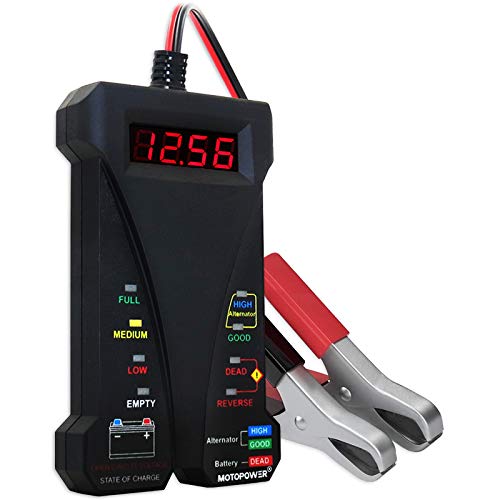
To ensure your battery is always in top condition, investing in a quality car battery tester can provide peace of mind and help you monitor its health proactively.



FAQs About Car Batteries in Florida
Do car batteries really have a shorter life in Florida?
Yes, it’s a fact. The average car battery life in Florida is reduced to just 2-3 years because the constant heat accelerates internal corrosion. Data from sources like AAA.com confirms this significant reduction compared to the 3-5+ year lifespan common in cooler climates. The state’s relentless heat speeds up the chemical reactions inside the battery, causing it to degrade and fail much faster.
How do I know when my car needs a new battery?
Look for slow engine starts, dimming lights, dashboard warnings, or physical corrosion. The surest way is to have it professionally tested annually. These symptoms are clear indicators that your battery is losing its ability to hold a charge.
- Slow, sluggish engine crank
- Headlights dimming at idle
- A battery warning light on the dashboard
- A swollen or bloated battery case
- Visible corrosion on the terminals
Do car batteries give a warning before dying?
Often, yes. Signs like slow cranking give a warning. But in Florida’s heat, a weakened battery can fail suddenly, which is why proactive replacement every 2-3 years is recommended. While symptoms like a slow start or dim lights are common, they can be subtle. A battery that has been weakened by months of heat can fail abruptly without much notice, especially on a particularly hot day when you try to start your car.
What is the best type of car battery for Florida?
Look for batteries marketed with enhanced heat resistance. However, even the best battery is susceptible to Florida’s climate, making proactive replacement the most reliable strategy. High-quality batteries or those specifically designed for hot climates may offer slightly better durability and a longer warranty. However, no battery is immune to the damaging effects of extreme heat. The best approach is to combine a quality battery with a proactive maintenance and replacement schedule.
Final Summary: Protecting Your Vehicle in Florida’s Climate
The key takeaway for every Florida driver is that your car battery operates on borrowed time. The relentless heat is not just an inconvenience; it’s an active threat that shortens your battery’s lifespan to an average of only 2-3 years. Ignoring this reality is a recipe for being stranded at the worst possible moment.
The best strategy is to shift from a reactive to a proactive mindset. By understanding the signs of failure and taking preventative steps, you can take control of your vehicle’s reliability.
- Heat Is the Enemy: Accept that Florida’s climate is the primary reason for shortened battery life.
- Be Vigilant: Learn to recognize the warning signs of a failing battery, like a slow crank or dimming lights.
- Act First: The ultimate solution is proactive maintenance. Regular testing and planned replacement every 2-3 years is the smartest and safest approach.
Don’t wait to get stranded. Take control of your vehicle’s reliability by scheduling a free battery test this week.
Last update on 2026-03-07 / Affiliate links / Images from Amazon Product Advertising API


