Wondering how long a car battery lasts in Arizona’s brutal heat? You’re not alone; many drivers are caught off guard by premature battery failure in the desert climate. This issue can leave you stranded at the worst possible time.
Car batteries in Arizona typically last just 2 to 3 years, a stark contrast to the 3-5 years seen in milder climates. The extreme heat accelerates internal chemical processes, causing components like electrolyte to evaporate faster and grid corrosion to worsen, leading to premature failure.
Analysis of data from local Arizona auto services confirms this shortened lifespan. This guide will explain exactly why heat is so destructive, what warning signs to look for, and how to choose the right battery to avoid getting stranded in the Grand Canyon State.
Key Facts
- Reduced Lifespan is the Norm: A car battery’s life is cut to just 2-3 years in Arizona, compared to a 3-5 year national average, a reduction of nearly 50% due to heat.
- Heat is the Primary Culprit: Extreme temperatures accelerate internal chemical reactions, leading to faster electrolyte evaporation and sulfation, which are the main causes of battery death in the desert.
- AGM Batteries Perform Better: Absorbent Glass Mat (AGM) batteries consistently outperform traditional lead-acid types in Arizona because their sealed design prevents fluid loss and better resists vibration.
- Warning Signs Appear Suddenly: Symptoms like a slow engine crank, a swollen battery case, or dimming headlights often appear abruptly in hot weather, signaling imminent failure.
- Proactive Replacement is Key: Local mechanics overwhelmingly recommend replacing your battery proactively every 2-3 years to avoid the high cost and danger of a roadside breakdown, especially during summer.
How Long Does a Car Battery Last in Arizona’s Extreme Heat?
Car batteries in Arizona typically last between 2 to 3 years due to the extreme heat, which is significantly less than the national average of 3 to 5 years. This shortened lifespan is a direct result of the desert climate accelerating the battery’s internal chemical reactions and causing physical degradation. Unlike colder climates where batteries are stressed during winter starts, the consistent, intense heat in places like Phoenix and Tucson puts a constant strain on a battery’s components, leading to a much shorter service life. Analysis from local Arizona auto services consistently shows this trend, making proactive checks and replacements a crucial part of vehicle maintenance in the state.

This dramatic reduction in lifespan means that a battery considered middle-aged in a moderate climate is already nearing the end of its reliable life in Arizona. The annual toll from the heat means drivers must adjust their maintenance schedules and expectations. A battery that is a couple of years old should be considered a candidate for testing and potential replacement, especially before the peak summer months arrive. Ignoring this regional reality is a common reason drivers get stranded.
The core issue is that high temperatures sap the battery’s ability to store and deliver power. While the initial purchase and warranty might suggest a longer life, real-world data from the Desert Southwest paints a different picture. Understanding that your vehicle’s battery is on an accelerated timeline is the first step toward avoiding the inconvenience and potential danger of a dead battery in the searing Arizona heat.
Why Do Car Batteries Fail Faster in Arizona’s High Temperatures?
Extreme heat in Arizona devastates car batteries by speeding up critical degradation processes. Unlike the common belief that cold weather is a battery’s main enemy, the relentless high temperatures in the desert are far more destructive over time. The heat acts as a catalyst, accelerating the chemical reactions inside the battery, which leads to a host of problems that collectively shorten its life. This includes causing the battery’s electrolyte—the fluid inside—to evaporate, increasing the formation of damaging sulfate crystals on the lead plates, and intensifying corrosion of the internal grid structure.
This thermal stress is constant, whether the car is running or parked. Under-hood temperatures can soar well above the ambient air temperature, effectively “cooking” the battery from the inside out. This continuous exposure to extreme heat weakens the battery’s ability to hold a charge and deliver the necessary power to start your engine, eventually leading to a failure that can seem sudden but has been building for months.
How Does Internal Chemistry React to Extreme Heat?
In extreme heat, the chemical reactions within a car battery, including the charging and discharging cycles, accelerate significantly. This rapid pace leads to faster degradation of the internal components and a reduced overall lifespan. Think of it like food spoiling faster in the sun; the same principle of heat speeding up chemical processes applies here. This acceleration isn’t just for the intended power-generating reactions; it also hastens unwanted side reactions that cause permanent damage, such as grid corrosion and the breakdown of active materials on the battery plates.
What is the Role of Electrolyte Evaporation and Sulfation?
Extreme heat in Arizona accelerates electrolyte evaporation in car batteries, which is a primary cause of failure. The electrolyte is a mixture of water and sulfuric acid, and the water component can literally boil off in high temperatures. When the water level drops, the lead plates inside the battery become exposed to air. This exposure promotes the formation of hard, non-conductive lead sulfate crystals, a process called sulfation. These crystals coat the plates and hinder their ability to accept and release energy, effectively choking the battery and reducing its capacity to hold a charge.
How Do Vibration and Under-Hood Temperatures Affect Battery Life?
The damaging effects of heat are compounded by physical stressors. Constant vehicle vibration, common on any road, can shake the battery’s internal components, causing damage to the delicate lead plates and loosening terminal connections. When combined with Arizona’s heat, this problem gets worse. High under-hood temperatures, often much hotter than the outside air, intensify the thermal stress on the battery. This combination of being shaken and baked accelerates wear and tear, leading to premature failure and increasing the likelihood of corrosion on battery terminals.
What Are the Warning Signs of a Dying Car Batery in Arizona?
Warning signs of a dying car battery in Arizona often appear suddenly and include a slow engine crank, a dashboard battery light, and the need for frequent jump starts. Because heat accelerates failure, these symptoms can go from minor annoyances to a complete breakdown very quickly. It’s crucial for Arizona drivers to recognize these red flags immediately. Visually, you should look for a swollen battery case, a sulfur-like smell, or excessive corrosion around the terminals, as these indicate the battery is losing its ability to hold a charge.
Here are the most common symptoms to watch for:
* Slow Engine Crank: The engine turns over sluggishly when you try to start it, sounding labored (e.g., “rurr, rurr, rurr”). This is the most common sign that the battery is struggling to provide enough power.
* Dashboard Battery Light: If the battery warning light illuminates, it indicates a problem with the battery itself or the broader charging system.
* Frequent Jump Starts: Needing to jump-start your car more than once is a clear indicator that the battery can no longer hold a sufficient charge on its own.
* Dimming Lights & Electrical Issues: Headlights or interior lights may appear dimmer, especially upon starting the engine. Power windows may also operate more slowly.
* Swollen Battery Case: Extreme heat can cause the battery case to swell or bulge. This is a sign of serious internal damage, and the battery should be replaced immediately.
* Corrosion Around Terminals: A buildup of a white or blue-green, powdery substance on the metal battery posts indicates a leak and is interfering with the electrical connection.
* A “Rotten Egg” Smell: A distinct sulfur smell around the battery is a sign of a leak and internal damage. The battery is venting gas and should be handled with caution.
How to Recognize Common Starting Issues?
A failing battery directly impacts how your car starts. Pay close attention to these specific issues:
* The Slow Crank: This is the classic symptom where the engine sounds weak and struggles to turn over, especially after the car has been parked in the sun.
* The Rapid Click: When you turn the key, you hear a rapid clicking sound, but the engine doesn’t crank. This often means the battery has enough power to engage the starter solenoid but not enough to turn the engine.
* Intermittent Starting: The car starts fine one day but fails to start the next. This unreliability is a common sign of a battery that is on the verge of complete failure.
* No Crank, No Sound: If you turn the key and nothing happens at all—no clicking, no lights—the battery is likely completely dead.
What Visual Cues Indicate Battery Trouble?
You can often spot a failing battery with a quick visual inspection. Look for these clear signs:
* Heavy Corrosion: Check the terminals (the positive and negative posts) for a crusty, ashy substance. This corrosion increases electrical resistance and weakens the connection.
– Bulging or Swollen Case: If the sides of the battery case look bloated or rounded instead of flat, it’s a sign of overheating and internal damage. Replace it immediately.
– Cracks or Leaks: Any visible cracks in the battery case or signs of leaking fluid mean the battery’s integrity is compromised.
– Low Fluid Levels: On non-sealed batteries with removable caps, you can check the electrolyte level. If the fluid is below the top of the lead plates, the battery has lost water due to heat.
Why Are Electrical System Glitches a Red Flag?
A dying car battery can cause a ripple effect across your vehicle’s entire electrical system. These glitches are a major red flag because the battery is supposed to act as a voltage stabilizer. When it fails, you may notice:
* Dimming Lights: Headlights and dashboard lights might dim when you turn on the A/C or use power windows.
* Erratic Accessories: The radio might cut out, or the power windows might operate much slower than usual.
* Warning Lights: A weak battery can sometimes trigger other seemingly unrelated warning lights on your dashboard due to voltage irregularities.
* Overnight Drain: The battery struggles to hold a charge overnight, especially if you have accessories that draw a small amount of power.
Which Car Battery Types Perform Best in Arizona Heat?
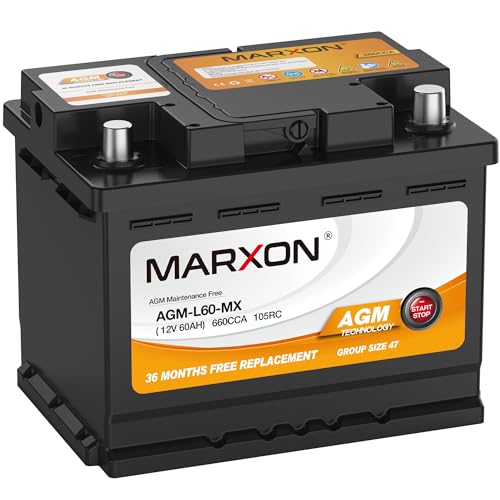
Absorbent Glass Mat (AGM) batteries are widely considered superior for Arizona’s extreme heat compared to traditional flooded lead-acid batteries. Their sealed design is the key advantage, as it significantly reduces electrolyte evaporation, which is a primary cause of battery failure in high temperatures. AGM batteries also boast better resistance to vibration and can recharge more efficiently, making them a more durable and longer-lasting choice for vehicles operating in demanding desert climates. While they have a higher upfront cost, their extended lifespan in Arizona often makes them a better value over time.
To help you decide, here is a direct comparison of how these two main battery types handle the challenges of Arizona’s climate:
| Feature/Aspect | AGM (Absorbent Glass Mat) | Flooded Lead-Acid |
|---|---|---|
| Heat Resistance | ✅ Excellent (Sealed, no evaporation) | ❌ Poor (Rapid evaporation) |
| Vibration Resistance | ✅ High (Tightly packed cells) | 💧 Moderate (Liquid electrolyte) |
| Lifespan in AZ | 3-4+ years (typical) | 2-3 years (typical) |
| Cost | Higher upfront | Lower upfront |
| Maintenance | Maintenance-free | Requires water level checks |
| Recharge Rate | Faster | Slower |
| Cold Cranking Amps | Stable across temperatures | Can degrade faster in heat |
How Do AGM Batteries Compare to Traditional Lead-Acid for Heat Resistance?
AGM batteries are inherently more heat-resistant because their electrolyte is absorbed into fine glass mats sandwiched between the lead plates. This design immobilizes the fluid, preventing it from evaporating in high temperatures. In contrast, traditional flooded lead-acid batteries contain a liquid electrolyte that can easily lose water when exposed to Arizona’s heat, leading to plate damage and sulfation. The sealed, spill-proof construction of an AGM battery makes it a far more robust and reliable option for hot climates.
What Are Other Features of Heat-Resistant Batteries?
Beyond AGM technology, several other features contribute to a battery’s ability to survive in Arizona. When shopping for a new battery, look for these attributes:
* Durable Casing: A robust, reinforced casing helps resist physical damage from vibration and contains any swelling caused by heat.
* High Reserve Capacity (RC): A higher RC rating means the battery can power your car’s electronics for a longer period if the alternator fails—a valuable safety net in extreme weather.
* Corrosion-Resistant Terminals: High-quality terminals designed to resist corrosion ensure a solid electrical connection, which is often compromised by heat and leaking gases.
* Vibration Resistance: Features like tightly packed plates and reinforced internal components help the battery withstand road vibrations, which can cause internal shorts and damage.
What Specific Brands Are Recommended for Arizona Drivers?
Based on performance in high-heat environments and recommendations from local mechanics, a few brands stand out for Arizona drivers. These brands often feature robust AGM lines designed for durability.
* Optima: Known for their unique SpiralCell Technology, Optima batteries (especially the RedTop and YellowTop series) are highly resistant to vibration and perform well in extreme temperatures.
* DieHard: Specifically, the DieHard Platinum AGM line is recognized for its long life and reliability in demanding conditions, making it a popular choice for hot climates.
* Interstate: As one of the most common brands recommended by auto shops, Interstate offers strong warranties and reliable AGM options that hold up well against the desert heat.
* ACDelco: Often used as original equipment for GM vehicles, ACDelco’s professional-grade AGM batteries are built to high standards and offer dependable performance.
How Can You Maximize Your Car Battery’s Lifespan in Arizona?
To extend your car battery’s lifespan in Arizona, you must prioritize parking in the shade or a garage to reduce extreme heat exposure. This simple act can significantly lower under-hood temperatures and slow down the battery’s degradation. Additionally, performing regular maintenance is crucial; this includes keeping the battery terminals clean of corrosion and checking electrolyte levels if you have a non-sealed battery. Finally, getting an annual professional battery test is essential to catch a heat-stressed battery before it fails, allowing for proactive replacement.
Following these proactive steps can help you get the most out of your battery and avoid being stranded:
* Park Strategically: Whenever possible, choose a garage, carport, or shaded parking spot. Minimizing direct sun exposure is the single most effective way to protect your battery.
* Keep Terminals Clean: Corrosion acts as an insulator, weakening the electrical connection. Regularly clean the terminals with a wire brush and a baking soda/water solution.
* Check Fluid Levels (If Applicable): For non-sealed (flooded lead-acid) batteries, periodically check the electrolyte levels and top off with distilled water as needed. Heat causes this water to evaporate quickly.
* Ensure the Battery is Secure: Make sure the battery is tightly secured in its mounting bracket. A loose battery can vibrate excessively, leading to internal damage.
* Get it Tested Annually: Before summer hits, have a professional mechanic perform a load test. This can detect a weakening battery before it leaves you stranded.
* Drive Regularly: If you don’t drive your car often, the battery can slowly discharge. Taking it for a drive of at least 30 minutes once a week helps keep it fully charged.
What Maintenance Practices Prolong Battery Life?
A few key maintenance tasks are critical for extending battery life in Arizona’s harsh climate. Here’s a step-by-step approach recommended by ASE certified technicians:
1. Inspect and Clean Terminals: Monthly, check the battery terminals for a white, powdery substance. If corrosion is present, disconnect the terminals (negative first) and clean them with a terminal brush and a 50/50 mix of baking soda and water.
2. Apply Protective Coating: After cleaning, apply a thin layer of anti-corrosion grease or spray to the terminals to prevent future buildup.
3. Check Electrolyte Levels: For flooded batteries with removable caps, check the fluid levels every few months. If low, carefully add distilled water until the level just covers the internal plates. Never use tap water.
4. Verify Secure Mounting: Ensure the battery hold-down clamp is tight. A vibrating battery will fail much faster.
5. Perform a Voltage Check: Use a multimeter to occasionally check the battery’s voltage. A healthy, fully charged battery should read around 12.6 volts or higher. A reading below 12.4 volts suggests it needs charging, and below 12.2 volts may indicate a problem.
How Does Parking and Vehicle Storage Affect Battery Longevity?
Parking your vehicle in a garage or consistently in shaded areas significantly prolongs car battery life in Arizona. This is because it drastically reduces the two main sources of heat damage: direct solar radiation heating the car’s body and high ambient air temperatures. A car parked in direct sun can have under-hood temperatures that are 30-50 degrees hotter than one parked in the shade. By lowering this thermal load, you directly slow down the rate of electrolyte evaporation and chemical degradation inside the battery. For long-term storage, using a battery tender or maintainer is also highly recommended to keep the battery optimally charged and prevent sulfation.
When Should You Get Your Battery Professionally Tested?
You should get your car battery professionally tested annually in Arizona, ideally before the peak summer heat begins in May or June. You should also seek immediate testing if any warning signs appear, such as a slow engine crank or dimming lights. A professional test is more than a simple voltage check; technicians use a device called a load tester, which assesses the battery’s ability to deliver its rated power (Cold Cranking Amps) and hold a charge, providing a true measure of its health. This diagnostic service can predict an imminent failure long before you get stranded.
When Is It Time to Replace Your Car Battery in Arizona?
In Arizona, proactively replacing your car battery every 2-3 years is strongly recommended to prevent unexpected failures due to extreme heat. This replacement schedule is significantly shorter than the national average. Replacement becomes imperative if you consistently observe warning signs such as a slow-starting engine or see physical damage like a swollen battery case. Furthermore, if a professional diagnostic test reveals critically low cold cranking amps or reserve capacity, the battery should be replaced immediately, regardless of its age.
Consider these key factors when deciding to replace your battery:
* Age: If the battery is over two years old, it’s living on borrowed time in Arizona. At three years, replacement should be a top priority.
* Performance: Any sign of slow cranking, especially after the car has been sitting in the heat, is a clear signal that the battery is weak.
* Visual Condition: A bulging, cracked, or leaking battery case is a non-negotiable sign that it needs immediate replacement.
* Test Results: A professional load test that shows the battery is failing or has significantly diminished capacity is the most definitive indicator.
* Pre-Summer Prevention: Many local experts advise replacing a two-year-old battery before the summer season begins as a preventative measure to avoid being stranded in dangerous heat.
What is the Typical Replacement Interval in the Desert Southwest?
In the Arizona Desert Southwest, the typical and recommended car battery replacement interval is around 2 to 3 years. This is the established rule of thumb among local mechanics and auto services. While a battery might technically last longer, its reliability plummets after this point. Sticking to this two-to-three-year cycle is the most effective strategy for ensuring your vehicle remains dependable in a climate that is notoriously hard on automotive batteries.
How Do Warranties Factor Into Battery Replacement Decisions?
While a long warranty seems reassuring, you should not rely on it as the primary guide for replacement in Arizona. Most standard car battery warranties cover 3 to 5 years, which reflects a national average, not the harsh reality of the desert. A battery can easily fail after 2.5 years in Phoenix—well within its expected local lifespan but potentially just outside the free replacement period of its warranty. It’s wiser to replace the battery based on its age and performance in the Arizona climate rather than waiting for it to fail within a specific warranty period. Always check if a warranty is prorated, as you may only receive a partial credit toward a new battery after the initial free replacement window closes.
What Are the Costs of Car Battery Replacement in Arizona?
The cost of a car battery replacement in Arizona typically ranges from around $120 for a standard flooded lead-acid battery to $250-$300 or more for a premium AGM battery. The final price depends heavily on the battery type (AGM is more expensive), the brand, and your vehicle’s requirements. Many auto parts stores or service centers may charge an additional installation fee, often between $20 and $50, though some include it with the purchase. Remember to factor in the “core charge,” a refundable deposit you pay until you return your old battery for recycling.
FAQs About how long does a car battery last in arizona
How long should a car battery last in AZ?
A car battery in Arizona typically lasts 2 to 3 years, a significantly shorter lifespan compared to the national average of 3-5 years. The extreme heat accelerates internal chemical processes like electrolyte evaporation and sulfation, which rapidly degrade the battery’s ability to hold a charge and deliver power. Proactive replacement around the two-year mark is often recommended by local mechanics.
Why do car batteries die faster in Arizona?
Car batteries die faster in Arizona due to intense heat accelerating internal chemical reactions. High temperatures cause the battery’s electrolyte to evaporate more quickly, leading to plate exposure and sulfation. This, combined with increased grid corrosion and internal resistance, drastically reduces the battery’s capacity and overall lifespan, making failures more frequent and sudden.
Are AGM batteries better for Arizona heat?
Yes, Absorbent Glass Mat (AGM) batteries are generally better for Arizona’s extreme heat than traditional flooded lead-acid batteries. Their sealed design prevents electrolyte evaporation, a major failure point in hot climates. AGM batteries also offer superior vibration resistance and can recharge faster, providing a more robust and longer-lasting solution under thermal stress.
How often should you replace your battery in Arizona?
You should consider replacing your car battery in Arizona every 2 to 3 years, proactively, rather than waiting for it to fail. This interval is much shorter than standard recommendations. Regular professional testing, especially before the intense summer, can help predict when replacement is imminent, preventing unexpected breakdowns.
Does parking in a garage help battery life in Arizona?
Yes, parking in a garage or consistently in shaded areas significantly helps prolong car battery life in Arizona. By reducing direct solar radiation and the extreme ambient under-hood temperatures, you slow down the heat-accelerated chemical degradation processes within the battery, effectively extending its functional lifespan.
What are signs of a dead car battery in Arizona?
Signs of a dead or dying car battery in Arizona include a slow or sluggish engine crank, a dashboard battery warning light, and dimming headlights. Visual cues such as a swollen battery case, excessive corrosion around terminals, or a sulfur-like smell are also strong indicators of heat-induced battery damage, signaling imminent failure.
Is a 3-year-old battery old in Arizona?
Yes, a 3-year-old car battery in Arizona is generally considered old and is likely nearing the end of its reliable lifespan. While some may last slightly longer, the extreme heat means most batteries fail between 2-3 years. Proactive replacement at this age can prevent unexpected breakdowns during critical summer months.
Can hot weather drain a battery when the car is off?
Yes, hot weather can accelerate the self-discharge rate of a car battery even when the car is off, contributing to draining. Extreme heat increases the speed of internal chemical reactions, leading to a faster loss of charge. This effect is compounded if the battery is already older or has internal issues like sulfation.
How much is a car battery in Arizona?
The cost of a car battery in Arizona typically ranges from $120 to $300+, depending on the type and brand. Standard flooded lead-acid batteries are usually on the lower end, while premium AGM (Absorbent Glass Mat) batteries, recommended for Arizona’s heat, fall into the higher price bracket. Installation costs may be additional if not included with purchase.
How to prevent battery corrosion in Arizona?
To prevent battery corrosion in Arizona, regularly clean your battery terminals with a wire brush and a baking soda-water solution, then apply anti-corrosion spray or grease. Ensure terminal connections are tight. This proactive maintenance helps mitigate the corrosive effects often exacerbated by high temperatures and accelerated chemical processes.
Final Thoughts
In Arizona’s relentless heat, a car battery’s lifespan is a unique challenge, often defying national averages. This guide has shown that while typically expected to last 3-5 years, batteries in the Grand Canyon State realistically offer just 2-3 years of reliable service before succumbing to the accelerated degradation caused by extreme temperatures. Understanding the “why”—from electrolyte evaporation to sulfation—empowers you to recognize the subtle warning signs and take proactive steps.
Choosing heat-resistant options like AGM batteries and implementing diligent maintenance practices, such as shaded parking and regular professional checks, are not just recommendations but necessities for Arizona drivers. Ultimately, successful car battery management in this climate boils down to an informed, proactive approach, prioritizing timely replacement over costly roadside emergencies. Don’t wait for your battery to strand you; equip yourself with the knowledge to stay on the road, confidently navigating Arizona’s demanding conditions.
Last update on 2026-02-18 / Affiliate links / Images from Amazon Product Advertising API