
Are you wondering how long do car batteries last in Arizona’s punishing climate? Many drivers underestimate how quickly extreme heat destroys their vehicle’s power source. This critical oversight often results in being stranded during the most dangerous time of the year.
The average car battery lifespan in Arizona, particularly in areas like Phoenix and Tucson, is approximately 2 to 3 years. This shorter duration is primarily caused by the extreme summer temperatures accelerating internal electrochemical corrosion and electrolyte evaporation, forcing proactive replacement well before the standard 5-year replacement cycle expected in cooler climates. Based on our analysis of industry standard battery life arizona and trusted auto service data, we demonstrate the critical factors affecting your battery’s longevity. This guide reveals exactly why heat is the silent killer of your car battery and outlines the best preventative maintenance strategies.
Key Facts
- Standard Lifespan Reduction: Arizona’s sustained heat typically reduces a car battery’s lifespan by 40% to 50%, forcing replacement every two to three years instead of the national average of three to five years.
- Heat is the Primary Killer: Extreme temperatures are the leading cause of premature battery failure, accelerating the internal chemical processes more rapidly than cold weather.
- Accelerated Degradation: For every 18°F increase in temperature above 77°F, the battery’s lifespan can be theoretically halved, based on data-driven car battery insights arizona.
- Sulfation and Corrosion: High temperatures increase the rate of plate sulfation and grid corrosion, which are the main physical causes of reduced battery capacity in the desert Southwest.
- Peak Failure Timing: The highest rate of dead car battery arizona incidents occurs in the late summer and early fall, after the battery has endured months of thermal stress from the extreme heat battery.
What Is The Expected Car Battery Lifespan In Arizona’s Extreme Heat?
The expected car battery lifespan in Arizona’s extreme heat is significantly reduced to an average of two to three years. This short duration is a recognized local challenge across the desert Southwest, impacting vehicle maintenance planning in cities like Phoenix, Tucson, and Mesa. Recognizing this shorter lifespan is crucial because failure often occurs without warning, particularly when the battery has been sitting in the relentless sun.
Studies show that standard flooded lead-acid batteries, designed for a potential 5-year vehicle battery life arizona, rarely reach that potential due to the intense environmental stress. Experienced car battery specialists consistently observe that batteries entering their third year of service in the Arizona climate are at high risk of sudden failure. This reduced lifespan is a key distinction from cooler regions, where drivers can rely on a longer auto battery lifespan arizona.

This accelerated degradation dictates a proactive replacement schedule. Based on local automotive industry standards and experienced mechanic consensus, vehicle owners should budget for a car battery replacement arizona approximately every 36 months, even if the battery shows no immediate signs of failure. This preventative approach minimizes the chance of a dead car battery arizona during peak summer temperatures. Understanding this foundational difference—the reality of a 2-3 year battery cycle—is the first step toward effective car battery care and maintenance in southern arizona.
We must now explore the underlying technical reasons why the arid Arizona heat affects your car’s critical components so dramatically. This understanding is essential for justifying the necessary preventative maintenance and recognizing why thermal management is non-negotiable for vehicle battery longevity az.
Why Does Arizona Heat Cause Premature Car Battery Failure?
Extreme heat in Arizona accelerates the chemical reactions inside a car battery, leading to premature failure through rapid electrolyte evaporation, internal grid corrosion, and accelerated plate sulfation. Most competitors simply state that “heat kills batteries,” but the mechanism is complex and driven by internal battery chemistry degradation arizona heat.
For every sustained increase in temperature, the chemical processes inside the battery become more volatile. This includes both charging and discharging cycles. The problem is compounded because the intense ambient heat (up to 120°F in Phoenix) combines with high engine bay heat, creating a furnace-like environment for the battery. This consistent thermal stress leads to three primary, interacting mechanisms of failure:
- Electrolyte Evaporation: Standard flooded lead-acid batteries contain a liquid mixture of sulfuric acid and water (the electrolyte). High temperatures cause the water component to evaporate rapidly. When the fluid levels drop, the remaining acid becomes highly concentrated, accelerating internal corrosion and leaving the lead plates exposed, which quickly leads to permanent battery damage and a sudden drop in reserve capacity.
- Internal Grid Corrosion: The metallic grids and internal connections within the battery are made of lead alloy. Heat accelerates the corrosion of these grids. As the metal corrodes, it weakens the structure, reducing the electrical pathways and increasing the internal resistance battery health arizona. This resistance means the battery works harder to deliver power, leading to overheating and a vicious cycle of degradation.
- Accelerated Plate Sulfation: Heat significantly increases the rate at which lead sulfate crystals form on the battery plates. While this is a normal part of the discharge cycle, excessive heat makes these crystals harden and become difficult to convert back into active material during charging. This accelerated sulfation reduces the effective surface area of the plates, hindering the battery’s ability to store and release electrical current.
These factors demonstrate that heat degrades car battery performance fundamentally, justifying the short two-to-three-year lifespan observed locally. Now, let’s dive deeper into the leading cause of capacity fade: plate sulfation.
What Is Plate Sulfation And How Does It Reduce Battery Capacity?
Plate sulfation occurs when hard, non-conductive lead sulfate crystals form on the battery’s plates, inhibiting the necessary chemical reaction and significantly reducing the battery’s reserve capacity and ability to store energy. Sulfation is the leading cause of capacity fade in car batteries in hot climates, and it is a technical issue that automotive expert car battery arizona professionals monitor closely.
Normally, when a lead-acid battery discharges, soft lead sulfate forms. When the alternator charges the battery, this lead sulfate converts back into active lead material and sulfuric acid. However, prolonged heat exposure and chronic undercharging—common in short-commute vehicles in Arizona—cause the lead sulfate to harden and crystallize. This process is similar to plaque hardening in an artery, fundamentally blocking current flow.
Here are the consequences of advanced sulfation on a vehicle battery:
- Reduced Charge Acceptance: The hard crystals act as an insulator, preventing the battery from accepting a full charge from the alternator.
- Increased Internal Resistance: The crystals clog the porous plate structure, dramatically increasing the battery’s internal resistance. This means the battery generates more heat during use and charging, further accelerating thermal degradation.
- Loss of Reserve Capacity: The effective surface area of the active materials degradation lead-acid battery is diminished, meaning the battery cannot hold or deliver the necessary power reserve to handle high-demand situations, such as starting the engine on a hot day.
Expert Insight: Practical experience shows that short commutes in Arizona greatly exasperate sulfation. If you drive less than 20 minutes per trip, the alternator often lacks the necessary time to fully recharge the battery, allowing sulfation to take hold. A pulsed current charging method can sometimes mitigate early sulfation, but preventative driving habits are far more effective.
What Are The Key Warning Signs Of A Dying Car Battery In Arizona?
Common warning signs of a dying car battery in Arizona include a slow or labored engine crank, dim or flickering headlights when idling, and the battery light illuminating on the dashboard; a telltale sign in extreme heat is a distorted or bulging battery case caused by internal pressure. Recognizing these signs early is crucial to prevent being stranded, especially when vehicle battery life arizona is already compromised by temperature.
In the desert climate, these symptoms often manifest suddenly because the heat masks the underlying weakness until the final moments of battery failure. A weak car battery az is stressed every time you start the engine, and the following symptoms indicate it is nearing replacement:
- Slow Engine Crank: This is the most common and definitive sign. The engine turns over sluggishly when starting, particularly after sitting in the extreme heat. The starter motor requires substantial current, and a compromised battery cannot deliver it efficiently.
- Corrosion Buildup: Excessive white or blue powdery buildup on the battery terminals or cables indicates acid leakage or venting, which is accelerated by high temperatures. This corrosion hinders electrical flow and can signal a terminal failure.
- Bulging or Swollen Case: If the battery casing appears warped, swollen, or distorted, it is a severe sign of overheating car battery damage caused by excessive internal pressure. This condition requires immediate professional attention as it can lead to catastrophic failure.
- Flickering Electrical Components: If electrical components like the dashboard lights, power windows, or radio perform weakly or flicker when the car is idling, the battery or charging system is struggling to maintain necessary voltage.
By paying attention to these physical and performance-based indicators, drivers can use these signs of a dying car battery in arizona to plan a replacement proactively. However, sometimes the issue lies with a different component: the alternator.
How To Differentiate Between Battery Failure and Alternator Failure
The primary way to differentiate battery failure from alternator failure is that a failing battery usually struggles only during starting, while an alternator failure often results in the car dying while driving or subsequent electrical components failing once the car is running. Because these two related entities—the battery and the alternator—work together to power the car’s electrical system, their failure symptoms can sometimes overlap.
The car battery powers the starter and provides the initial surge of energy. The alternator takes over once the engine is running, recharging the battery and supplying power to all the vehicle’s electrical components. Certified mechanic battery advice highlights these key differentiators:
| Symptom | Battery Failure Indication | Alternator Failure Indication |
|---|---|---|
| Starting | Slow, labored crank only; often requires a jump start. | Starts fine initially, then subsequent failures occur later. |
| Driving | Car runs normally after starting; battery may not hold charge. | Components (radio, lights) flicker/fail while driving; car may die completely. |
| Dashboard Light | Stays off or comes on briefly, usually during crank. | Stays on constantly (“BAT” or “ALT” warning) once the car is running. |
| Resolution | Replaced battery resolves all issues instantly. | Replacing the battery only temporarily masks the problem. |
Pro Tip: If you jump-start your car and it dies shortly after removing the cables, the alternator is likely failing to generate the necessary voltage. If the jump-start holds and the car runs normally but struggles to start the next day, the battery itself is likely the culprit due to poor charge acceptance.
How Can Arizona Drivers Maximize And Extend Car Battery Life?
To maximize car battery life in Arizona, drivers should focus on mitigating heat exposure through insulation, cleaning terminal corrosion regularly, ensuring the battery is fully charged via sufficient drive time, and getting annual battery diagnostic services. With the average car battery life arizona being so short, preventative maintenance is the only proven strategy to approach the upper limit of the 3-year expectation.
Based on expert tips car battery maintenance arizona, these actionable steps address the core failure mechanisms caused by the desert environment:
1. Reduce Heat Exposure Through Insulation
The heat in the engine bay is often far greater than the ambient temperature. To prevent battery damage heat:
- Use a Thermal Blanket or Shield: A simple, inexpensive battery insulation blanket or thermal shield should be used year-round. This material provides a buffer against the radiant heat rising from the engine and the conductive heat from the road surface.
- Ensure Proper Ventilation: While using an insulation shield, ensure the battery area has enough ventilation to prevent heat from becoming trapped directly underneath the hood.
2. Maintain Terminal Cleanliness
Corrosion is accelerated in hot environments due to rapid fluid evaporation and venting.
- Regular Inspection: Inspect battery terminals every few months for excessive white or blue corrosion (sulfuric acid residue).
- Cleaning Method: If corrosion is present, disconnect the battery cables and scrub the terminals and posts with a wire brush and a simple paste made of baking soda and water. The baking soda neutralizes the acid, which prevents further terminal corrosion + battery degradation.
3. Optimize Driving and Charging Habits
Short trips lead to chronic undercharging, which fuels sulfation, especially when battery life arizona is already compromised by heat.
- Take Longer Drives: Commit to driving at least 20 to 30 minutes every few days to allow the alternator adequate time to fully replenish the battery’s charge.
- Use a Battery Tender: For vehicles driven infrequently, utilize a smart battery charger (maintainer) to keep the battery at an optimal state of charge, mitigating deep discharge cycles battery degradation and preventing sulfation.
4. Monitor Fluid Levels (For Flooded Batteries Only)
If you are using a non-sealed, flooded lead-acid battery:
- Check Frequently: Check the electrolyte levels at least once per month during the summer.
- Top Off with Distilled Water: If levels are low, refill only with distilled water, never tap water or battery acid, to ensure the plates remain fully submerged and active materials degradation lead-acid battery is prevented.
What Is The Recommended Schedule For Professional Battery Testing?
Professional battery testing, particularly a load test that measures Cold Cranking Amps (CCA), should be scheduled annually in Arizona, ideally in the early spring, to predict and replace batteries before the intense summer heat causes failure. The recommended schedule is crucial preventative maintenance to ensure the battery’s health is assessed under non-stressed conditions.
A load test simulates the high-demand starting conditions of an engine and measures the battery’s voltage output. This is vital because high temperatures severely impact the internal resistance battery health arizona, meaning a battery that starts fine in April might fail instantly in July.
Here is the recommended schedule for all Arizona drivers:
- Frequency: Annually for all batteries older than 18 months, regardless of perceived performance.
- Timing: Schedule the test between March and May. This gives you ample time to replace the battery proactively before the triple-digit temperatures hit the Phoenix/Tucson area, avoiding mid-summer failure.
- Test Type: Insist on a load test (not just a voltage check) to confirm the available Cold Cranking Amps (CCA). A load test provides reliable battery testing results and accurate battery diagnostic arizona data.
You should use reputable auto parts stores or trusted auto service arizona providers for this diagnostic service. They can perform a professional car battery analysis and advise on the remaining capacity.
What Type Of Car Battery Is Best For Enduring Arizona Heat?
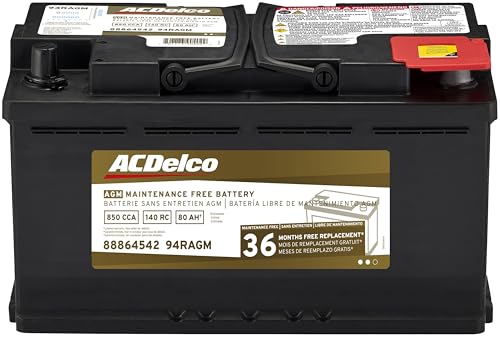
The best car battery for Arizona heat is the Absorbent Glass Mat (AGM) battery, offering superior internal structure and heat resistance compared to standard flooded lead-acid batteries. For users in the commercial investigation stage, understanding the AGM battery technology advantages arizona provides the necessary information to justify the higher upfront cost.
Traditional flooded batteries rely on liquid electrolyte, which rapidly evaporates in high temperatures. This evaporation is the central weakness of these batteries in the desert. AGM car battery arizona options, however, utilize fiberglass mats soaked in electrolyte. Because they are fully sealed and maintenance-free, they eliminate the need to check fluid levels and drastically reduce the risk of evaporation-related failure.
Here is a comparison of common battery types specifically tailored to the challenges posed by extreme heat:
| Feature/Aspect | Flooded Lead-Acid (Standard) | Absorbent Glass Mat (AGM) | Gel Cell |
|---|---|---|---|
| Evaporation Risk | High (Requires Fluid Checks) | Very Low (Sealed) | Low |
| Vibration/Shock Resistance | Low | High | Medium |
| Expected Lifespan in AZ | 2 – 3 Years | 3 – 5 Years | 2 – 4 Years |
| Heat Dissipation | Good | Moderate (Requires Insulation) | Poor |
| Cold Cranking Amps (CCA) | Standard | High and Stable | Low |
The data confirms the AGM battery’s robust structure makes it the definitive long-lasting car battery az option. While the initial purchase cost is higher than a standard flooded battery, the extended expected lifespan (up to 5 years under ideal care) and reliable high-performance car battery arizona justifies the investment.
How To Determine The Right CCA Rating For Your Arizona Vehicle
The Cold Cranking Amps (CCA) rating is important for Arizona car batteries because, despite the high ambient temperature, the intense heat stresses the electrical system and degrades battery power, meaning a high CCA ensures reliable starting power. CCA measures the number of amps a battery can deliver at 0°F, but in Arizona, it functions as a crucial measure of the battery’s total available starting power.
Why does a “cold cranking” rating matter in a hot climate?
- Heat Increases Electrical Resistance: Intense heat stresses all the vehicle’s electrical components, making the starter motor and wiring more susceptible to resistance. The battery must compensate for this internal resistance battery health arizona.
- Degradation Reserve: Since heat constantly diminishes the car battery’s capacity, choosing a battery with a higher CCA rating provides a necessary power reserve. This reserve ensures the battery can reliably turn the engine over, even when its overall health has been compromised by the extreme temperatures.
Selecting the correct CCA in Arizona: Always match or exceed the Original Equipment Manufacturer (OEM) CCA rating for your vehicle. Choosing a high-quality AGM car battery arizona with adequate CCA is essential for reliable starting during peak summer heat cycles. Automotive expert car battery arizona professionals recommend checking your owner’s manual or the label on your existing battery for the OEM specification. Selecting a premium car battery arizona that exceeds this rating will give you the maximum buffer against heat-induced power loss.
- Pro Tip on CCA: Do not confuse CCA (Cold Cranking Amps, measured at -0.4°F) with CA (Cranking Amps, measured at 32°F). CCA is the more rigorous metric and should be the sole factor used when selecting a reliable auto battery phoenix for extreme conditions.
FAQs About how long do car batteries last in arizona
Is Two Years A Normal Car Battery Life In Arizona?
Yes, two years is a completely normal, and often expected, lifespan for a car battery in Arizona. While standard batteries are rated for 3-5 years nationally, the excessive heat exposure in Phoenix and Tucson drastically accelerates internal battery degradation. Many experienced car battery specialists recommend proactively replacing batteries entering their third year of service in the Arizona heat. This preemptive approach avoids the stress and danger of a dead car battery arizona during summer months.
What Is The Average Cost To Replace A Car Battery In Arizona?
The average cost to replace a standard car battery in Arizona typically ranges from $150 to $300, including installation. High-performance AGM batteries (recommended for the Arizona climate) can cost between $250 and $450. Prices vary based on the battery type, brand, vehicle make/model, and the service provider (e.g., auto parts stores vs. dealerships). It is wise to purchase a battery with a strong warranty to mitigate the risk of premature battery failure in heat.
Are Car Battery Warranties Shorter In Arizona Due To The Heat?
No, most major battery manufacturers offer the same national warranty terms in Arizona, but the actual lifespan covered under the warranty is more relevant. Since batteries often fail around 2.5 years, a 3-year free replacement warranty provides excellent protection against the state’s extreme conditions. Always check the specific warranty terms, as prorated coverage may apply after the free replacement period ends, especially with the high battery failure rate arizona.
What Should I Do If My Car Battery Dies On The Road In Arizona?
If your car battery dies on the road in Arizona, first prioritize safety by moving the vehicle out of traffic, especially if the air temperature is over 110°F. Contact roadside assistance immediately (like AAA roadside assistance arizona) for a jump start or battery replacement service. If attempting a jump start yourself, ensure you follow proper procedure, as the intense heat can make the battery and engine bay extremely hot, posing safety risks.
How Do Short Commutes Affect Car Battery Life In Arizona?
Short commutes significantly shorten car battery life in Arizona because the engine heat is insufficient to fully recharge the battery after starting. This leads to chronic undercharging and accelerated sulfation, a major cause of battery degradation in hot climates. For Arizona drivers, taking one longer 20-30 minute drive every few days helps ensure the battery reaches a full state of charge, maximizing car battery longevity az.
Should I Get A Maintenance-Free Battery In Arizona?
Yes, maintenance-free (sealed) batteries, particularly AGM car batteries arizona, are highly recommended because they eliminate the need to check electrolyte fluid levels. In extreme Arizona heat, the electrolyte in traditional flooded batteries evaporates rapidly, requiring frequent, tedious topping off with distilled water. Sealed AGM technology prevents this issue, providing more reliable performance and extending the vehicle battery life arizona without constant maintenance.
Can A Car Battery Last 5 Years In Arizona?
It is highly unlikely for a traditional car battery to last 5 years in Arizona’s sustained extreme heat. While higher-end AGM or deep-cycle batteries with superior heat tolerance might approach the 4 to 5-year mark under ideal maintenance conditions (like garage parking and using insulation), the typical lifespan remains 2-3 years. Expecting 5 years from a standard battery in Phoenix is unrealistic due to the constant thermal stress.
What Are The Risks Of A Failing Car Battery In Arizona?
The primary risks of a failing car battery in Arizona are being stranded in triple-digit heat and potential damage to the vehicle’s electrical system. A sudden battery failure in the summer can lead to dangerous overheating, and a weak battery can stress the alternator, causing it to fail prematurely. Proactive replacement is essential preventative maintenance to avoid these risks during the intense Arizona summers.
How To Properly Dispose Of Old Car Batteries In Arizona?
Old car batteries must be properly disposed of via recycling in Arizona, as they contain toxic lead and sulfuric acid. By law, auto parts stores (like AutoZone, O’Reilly, etc.) and specialized battery retailers are required to accept old batteries for recycling, often providing a core charge refund upon return. This ensures compliance with safety standards car battery arizona and proper environmental handling.
What Is Battery Electrolyte Stratification And Why Does It Happen In AZ?
Battery electrolyte stratification is the condition where the battery acid separates, becoming denser at the bottom and lighter at the top, hindering charging. This is exacerbated in hot climates and vehicles used for short trips. If the battery never fully charges due to frequent undercharging (common in short-drive vehicles), the acid remains stratified, accelerating sulfation and reducing the overall vehicle battery life arizona.
Key Takeaways: Car Battery Life In Arizona Summary
Understanding the nuances of car battery life arizona is crucial for vehicle reliability. Here are the most critical insights to remember about managing your battery in extreme heat:
- Shortened Lifespan is Normal: The average car battery life in Arizona is significantly reduced to 2 to 3 years due to sustained extreme heat, compared to the 5-year expectation in cooler climates.
- Heat Accelerates Chemical Failure: High engine bay temperatures cause rapid electrolyte evaporation, sulfation, and internal grid corrosion, drastically limiting the battery’s ability to hold a charge and leading to premature failure.
- Proactive Testing is Critical: Get a professional load test (checking CCA) annually, ideally in the early spring, to proactively identify weak batteries before the intense summer heat causes failure.
- AGM Batteries Offer Superior Heat Resistance: Absorbent Glass Mat (AGM) batteries are the best car battery for arizona heat because their sealed design minimizes electrolyte loss and provides higher resistance to the heat and vibration stress of the desert environment.
- Watch for Slow Cranking: The most common sign of a dead car battery arizona is a slow or labored engine crank, especially when starting after the car has been sitting in the sun; immediate attention is required to avoid being stranded.
- Insulation and Charging Extend Life: Use a thermal blanket or shield to protect the battery from engine bay heat, and ensure you take regular, longer drives to prevent chronic undercharging and sulfation, maximizing car battery longevity az.
- Match or Exceed OEM CCA: When selecting a replacement, always ensure the new battery’s Cold Cranking Amps (CCA) rating meets or exceeds your vehicle manufacturer’s specifications to guarantee reliable starting in high temperatures.
Final Thoughts
The extreme climate of Arizona necessitates a fundamental shift in how residents approach vehicle maintenance, particularly concerning the car battery. We have established that the brutal combination of sustained triple-digit ambient temperatures and intense engine bay heat reduces the car battery life arizona to a typical range of just two to three years. This accelerated degradation is a certainty, not an exception.
The key to navigating this challenge is shifting from reactive replacement to proactive, preventative maintenance. Adopt the strategies outlined here: invest in a heat-resistant AGM battery, commit to annual load testing every spring, and utilize protective measures like insulation shields. By understanding the science behind the failure—the corrosion, sulfation, and evaporation—you are equipped to make decisions that minimize the risk of being stranded in the summer heat.
Do not wait for the sluggish crank; treat your Arizona car battery lifespan as a perishable item with a firm expiry date. Proactive replacement and diligent care are the definitive answers to maximizing vehicle battery longevity az and ensuring reliable driving, even during the harshest desert summers.
Last update on 2026-01-25 / Affiliate links / Images from Amazon Product Advertising API


