
The sinking feeling of discovering your car has been impounded is often followed by a wave of urgent questions. The most pressing one is always, “How long can the police hold your car in impound?” You’re likely worried about the mounting storage fees, the disruption to your daily life, and the confusing process of getting your vehicle back. The uncertainty of the timeline can be the most stressful part of the entire ordeal.
There is no single, universal time limit for how long police can hold your car in impound. The duration is determined by the reason for impoundment and specific state or local laws, ranging from a few days for minor violations to months or longer if the vehicle is evidence in a crime.
This guide cuts through the confusion, leveraging an extensive analysis of legal frameworks and procedural data to give you clear, actionable answers. We will break down the specific reasons for impoundment, explain how state laws create different rules, and detail the special circumstances surrounding vehicles held as evidence. Understanding these factors is the first and most critical step toward retrieving your vehicle as quickly and affordably as possible.
Key Facts
- No Universal Timeline: The duration a vehicle can be held in a police impound lot is not standardized across the country; it is dictated entirely by the jurisdiction’s specific laws and the reason for the tow, as highlighted by legal resources like Nolo.com.
- Reason is Paramount: The single most significant factor is why the car was impounded. A parking violation might mean a 24-hour hold, whereas driving on a suspended license often triggers a mandatory 30-day hold in states like California.
- Evidentiary Holds are Indefinite: If your vehicle is seized as evidence in a criminal investigation, standard time limits do not apply. It can be held for months or even years, until the investigation and any subsequent court proceedings are fully concluded.
- Notification is Required by Law: Police departments are generally required by state statutes to notify the registered owner of an impounded vehicle, typically within 24 to 72 hours, detailing the reason and location.
- Unclaimed Cars are Sold: If a vehicle is not retrieved and the fees are not paid within a state-specified timeframe (often 30 to 90 days), it will be declared abandoned and sold at a public auction to cover the costs.
Police Car Impound: Understanding How Long Your Vehicle Can Be Held
There is no single, universal time limit for how long police can hold your car in impound. The duration is determined by the reason for impoundment and specific state or local laws, ranging from a few days for minor violations to months or longer if the vehicle is evidence in a crime. This variability is the primary source of confusion and stress for vehicle owners. The rules that apply in Texas are different from those in Washington state, and the process for a DUI is vastly different from that of an abandoned vehicle. Understanding which factors are at play in your specific situation is crucial. This information, based on analysis of legal frameworks cited by resources like Nolo and FindLaw, will help you navigate the process.
The key to understanding your car’s potential time in impound lies in three core factors:
- The Reason for Impoundment: This is the most critical element. A simple administrative issue like an expired registration will have a much shorter hold time than a vehicle seized as part of a major criminal investigation.
- State and Local Laws: Vehicle impoundment is governed at the state, county, and city level. Each jurisdiction—a specific geographic area with its own legal authority—sets its own rules for hold durations, notification requirements, and the process for selling unclaimed vehicles.
- The Vehicle’s Role as Evidence: If your car is needed for forensic analysis or as evidence in a court case, it falls under a special category called an “evidentiary hold,” which supersedes all standard time limits.
Feeling overwhelmed? Let’s break down exactly what determines your car’s impound timeline.
Why Was My Car Impounded? Key Reasons That Determine the Hold Duration
The reason your car was impounded is the single most important factor in determining the hold duration. A simple parking violation may mean a 24-hour hold, while a 30-day hold is common for a suspended license, and an evidence hold for a crime can be indefinite. Each category of impoundment is tied to a specific legal justification that dictates how and when the vehicle can be released.

To clarify how the reason impacts the timeline, here is a breakdown of the most common scenarios. An “evidentiary hold” means the vehicle is part of a criminal investigation, while “asset forfeiture” is a legal process where property linked to a crime can be permanently seized. Analysis of criminal procedure from sources like Cornell Law and civil liberties positions from the ACLU highlight the seriousness of these latter categories.
| Reason for Impoundment | Common Examples | Typical Hold Duration Impact |
|---|---|---|
| Administrative/Traffic Violations | Expired registration, excessive parking tickets, driving without a license. | Shortest Hold: Typically released as soon as the owner corrects the issue (e.g., renews registration) and pays all towing and storage fees. |
| Mandatory Hold Violations | Driving with a suspended/revoked license, first-offense DUI in some states. | Fixed Hold: Often subject to a mandatory, non-negotiable hold, such as the common “30-day hold” established by state law. |
| Abandoned Vehicle | Left on public or private property for an extended, unlawful period. | Variable Hold: Held for a state-defined period (e.g., 30-90 days) during which the owner can claim it. After this period, it can be sold at auction. |
| Evidentiary Hold (Criminal Investigation) | Vehicle used in a crime (e.g., hit-and-run, robbery), contains evidence, or requires forensic analysis. | Longest/Indefinite Hold: Held as long as necessary for the investigation and any court proceedings. Can last for months or even years. Release often requires a court order. |
| Civil Asset Forfeiture | Believed to be purchased with proceeds from illegal activity or used in the commission of a serious crime. | Potentially Permanent: The vehicle can be permanently seized by the government, even if the owner is never convicted of a crime. |
Pro Tip: Check the tow slip or police report for the official reason your vehicle was impounded. This code or description is your first clue to the potential hold duration.
When Your Vehicle is Held as Evidence in a Criminal Investigation
Vehicles held as evidence are not subject to standard time limits; the hold lasts as long as the investigation and legal case require, potentially months or years. This is the most complex and lengthy type of police car impound. When a vehicle is part of a criminal investigation, its status changes from a simple impounded asset to a piece of crucial evidence. The needs of law enforcement and the judicial process take precedence over the owner’s right to the property. The National Institute of Justice outlines detailed procedures for how such evidence must be handled to maintain its integrity for court.
The process of an evidentiary hold typically follows several distinct stages, each adding to the total time the vehicle is kept in impound:
- Initial Seizure and Securing: The vehicle is towed to a secure police or third-party facility. It is immediately secured to prevent evidence tampering. This initial phase ensures a proper chain of custody.
- Forensic Examination: This is often the longest phase. Investigators and forensic specialists may conduct a thorough search of the vehicle. This can include looking for fingerprints, DNA evidence, weapon residue, or other materials relevant to the crime. A “forensic analysis” involves scientific tests that can take weeks or months to complete.
- Ongoing Investigation Needs: Even after the initial examination, the police may need to revisit the vehicle to confirm new leads or test new theories as the investigation progresses. As long as the case is active, the vehicle may be retained.
- Awaiting Trial/Conclusion: Once charges are filed, the vehicle is held until the conclusion of the trial. Both the prosecution and the defense have the right to inspect the evidence, so it cannot be released until all legal proceedings, including appeals, are finished.
- Petitioning the Court for Release: The vehicle is not automatically released once a trial is over. The owner or their attorney must formally “petition the court,” or file a legal request, for its return. A judge will then issue a court order for release if the vehicle is no longer needed.
Quick Fact: Police cannot hold a vehicle as evidence indefinitely without cause. The hold must be justified by ongoing legal proceedings. If a case is dropped or resolved, the legal justification for holding the vehicle typically ends.
The “30-Day Hold”: Understanding Mandatory Impoundment Periods
A 30-day hold is a fixed, mandatory impound period for serious driving offenses like driving on a suspended license, and typically cannot be shortened. If you’ve been told your car is on a “30-day hold,” you’re dealing with a specific type of police car impound dictated by state law. Unlike other impounds where you can retrieve your car after paying fees, this is a punitive measure designed to take the vehicle off the road for a set period.
As of 2026, this is a common policy in states like California, designed to deter unlicensed and unsafe driving. The goal is to prevent the driver from immediately re-offending. Common triggers that can result in a mandatory 30-day police car impound include:
- Driving with a suspended or revoked license.
- Driving without ever having been issued a valid driver’s license.
- Being a habitual traffic offender.
- Certain DUI/DWI offenses, particularly for repeat offenders.
This type of hold is explicitly authorized by law. For instance, California’s vehicle code provides a clear legal basis for this action.
According to California Vehicle Code Sections 14602.6 and 14602.7, law enforcement is authorized to impound a vehicle for 30 days when the driver is found to have a suspended or revoked license, or has no license at all.
In these situations, the impound lot is legally obligated to hold the vehicle for the full 30 days. Pleading with the tow yard or the police department is usually fruitless, as their hands are tied by the statute. The clock starts ticking from the day the vehicle is impounded, and you will still be responsible for all towing and storage fees for the entire 30-day period.
Navigating State and Local Laws: Why Your Location Matters
Because impound laws differ drastically by state, you must find your local regulations. The best sources are your state’s official DMV website, local police department website, or the impound notice you received. There is no federal law governing how long the police can hold your car in impound. This power is left to individual states, and often further delegated to cities and counties, which create their own local ordinances. This is why a quick online search can yield conflicting answers—the rules for an impound in California are fundamentally different from those in Texas or Florida.
The specificity of these laws can be surprising. A state law, like the California Vehicle Code, might contain hundreds of pages detailing every aspect of vehicle operation, including precise rules for when a car can be towed, how long it can be held, the exact content required in an owner notification letter, and the entire process for auctioning an abandoned vehicle. You must find the rules for your specific location to understand your rights and obligations.
Don’t guess. Taking 15 minutes to search your state’s DMV website can save you hundreds of dollars in unexpected fees. Here is a step-by-step guide to finding the exact rules that apply to you:
- Check your State’s DMV/BMV Website: The Department of Motor Vehicles (or Bureau of Motor Vehicles) website is the most authoritative source. Look for sections titled “Vehicle Impoundment,” “Towing,” or “Abandoned Vehicles.” They often have guides or FAQs for vehicle owners.
- Review the Impound Paperwork: The tow notice or impound receipt you received is a legal document. It should cite the specific local ordinance or state statute number that authorized the tow. You can search for this code online to read the law yourself.
- Visit the Local Police Department’s Website: Many police departments have a section on their website explaining their towing and vehicle release procedures. This will provide the most accurate information for your city or town.
- Consult Local Municipal Codes: For city-level rules (like parking violations), you may need to search your city’s online database of municipal codes. This will contain the specific ordinances that govern parking and towing within city limits.
What To Do If You Can’t Afford to Get Your Car Out of Impound
If you cannot afford the impound fees, your first step should be to contact local charities, non-profit organizations, or community action agencies, as they may offer financial aid specifically for these situations. The realization that you don’t have the money to cover towing and rapidly accumulating daily storage fees is a devastating blow. With costs often running into the hundreds or even thousands of dollars, it can feel like an impossible situation. However, you are not without options, and acting quickly is essential to prevent the costs from spiraling further or the vehicle from being sold.
Did you know that local community groups often have funds set aside for exactly this kind of emergency? Many organizations recognize that losing a vehicle can lead to job loss and further financial instability, so they offer assistance to prevent this cycle. Here are the most effective steps to take if you find yourself unable to pay the impound fees:
- ✅ Seek Help from Local Charities: Start by searching online for “emergency financial assistance” or “car impound help” in your city. Organizations like The Salvation Army, Catholic Charities, and local community action agencies are often the best places to start. Be prepared to explain your situation and provide documentation of your financial need.
- ✅ Inquire About Payment Plans: While not a universal policy, you should always call the impound lot directly and ask if they offer any form of payment plan. Some independent lots may be willing to work with you, especially if you can make a significant down payment. It is less common but still worth asking.
- ✅ Consider a Personal Loan (as a last resort): If other options fail, a small personal loan from a credit union or a cash advance may be a possibility. This should be a last resort due to high interest rates, but it may be a better option than losing your vehicle entirely, which would be a far greater financial loss. Weigh the cost of the loan against the value of the car and the cost of losing it.
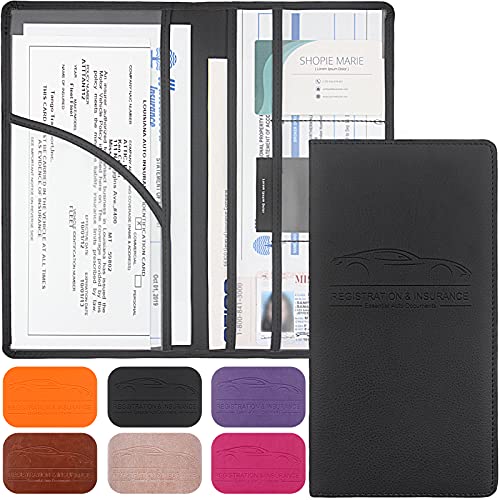
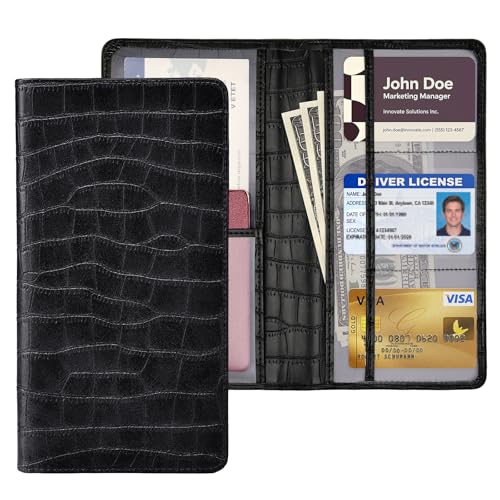
To avoid future issues and keep all your essential vehicle documents like registration, insurance, and contact information in one place, consider getting a durable car document organizer.



FAQs About Police Vehicle Impoundment
Here are answers to some of the most frequently asked questions about the police car impound process.
Can police seize your car and not give it back?
Yes, through a process called asset forfeiture, police can permanently seize a vehicle if it’s linked to criminal activity. This is different from a standard police car impound. Under civil asset forfeiture laws, if law enforcement believes a vehicle was used to commit a crime or was purchased with money from illegal activities, they can initiate legal proceedings to take permanent ownership of it. According to civil liberties groups like the ACLU, this can sometimes happen even without the owner being convicted of a crime.
What happens if a vehicle is not claimed from impound?
Unclaimed vehicles are eventually sold at auction to cover the accumulated towing and storage fees. If a car is left at an impound lot beyond the deadline set by state law (typically 30 to 90 days), it is legally declared an abandoned vehicle. The impound lot will then follow a legal process, often governed by state statutes like the California Vehicle Code, to obtain the title and sell the car at a public auction. Any proceeds from the sale are used to cover the outstanding fees.
Do I have to be notified if my car is impounded?
Yes, jurisdictions legally require police to attempt to notify the registered owner, usually within 24 to 72 hours of the impound. State DMV handbooks and local government laws mandate this notification process. The notice, which is typically sent via mail to the address on file for the vehicle’s registration, must include the reason for the police car impound, the location of the vehicle, the daily storage fees, and the specific steps required to retrieve it.
Final Summary: Key Takeaways on Police Impound Durations
Navigating a police car impound can be an intimidating process, but understanding the rules is the key to resolving it. The most critical takeaway is that there is no single answer to how long the police can hold your car in impound; the timeline is a direct result of the specific violation and the laws in the state and city where it happened. A hold can last anywhere from less than a day to a mandatory 30 days, or, in the case of a serious criminal investigation, for months or even years.
Your first step is to act quickly. Use the information in this guide to identify your situation and find your local laws today to minimize fees and start the retrieval process.
Here are the most important points to remember:
- Reason and Location Rule All: The why and where of your impoundment are the two factors that determine everything else.
- Evidentiary Holds are Different: If your car is evidence, normal rules don’t apply. The timeline is dictated by the needs of the justice system, not a standard impound clock.
- Fees Accumulate Daily: Time is money. Every day your car sits in impound, the bill gets higher. Swift action is your best financial strategy.
- Know Your Local Laws: A few minutes of research on your state’s DMV or local police website can provide you with the specific rules and procedures you need to follow.
- Financial Help May Be Available: If cost is the primary barrier to retrieving your vehicle, do not give up. Proactively contact local charities and community organizations for potential assistance.
This guide provides general information and is not a substitute for legal advice. Always consult with a qualified attorney regarding your specific situation.
Last update on 2026-02-21 / Affiliate links / Images from Amazon Product Advertising API



![How Much to Polish a Car Complete Cost Breakdown for [year]](https://i0.wp.com/carxplorer.com/wp-content/uploads/2026/02/How-Much-to-Polish-a-Car-Complete-Cost-Breakdown-for-year-2.jpg?resize=60%2C60&ssl=1 "How Much to Polish a Car Complete Cost Breakdown for [year] 9")


![How Much to Install a Hitch on Your Car Complete Guide [year]](https://i0.wp.com/carxplorer.com/wp-content/uploads/2026/02/How-Much-to-Install-a-Hitch-on-Your-Car-Complete-Guide-year-2.jpg?resize=60%2C60&ssl=1 "How Much to Install a Hitch on Your Car Complete Guide [year] 15")
