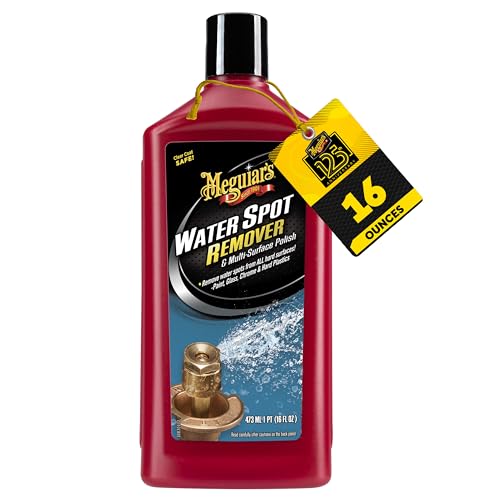
Struggling to remove stubborn water spots from your car? Those frustrating, chalky outlines left by sprinklers or rain can ruin your car’s finish, and improper removal can make things worse. You’re looking for a safe, proven method to restore that perfect shine.
To remove water spots from a car, first wash and dry the vehicle to assess the damage. For light mineral deposits, use a diluted 1:1 solution of white vinegar and distilled water. For more stubborn or etched spots, a dedicated chemical water spot remover or a polishing compound with a dual-action polisher is necessary to safely restore the paint finish.
Based on an analysis of current professional detailing methodologies, this guide provides a systematic approach. You will learn to correctly diagnose the severity of your water spots, from surface-level minerals to deep etching. This reveals exactly how to choose the right tools and techniques for a flawless, damage-free result every time.
Key Facts
- Root Cause Identified: Water spots are primarily mineral deposits, such as calcium and magnesium, left behind on your car’s paint after water evaporates. Hard water areas have a higher concentration of these minerals.
- Etching is the Real Danger: If left untreated, the alkaline minerals in water spots can chemically react with and etch into your car’s clear coat, causing permanent damage that requires machine polishing to fix.
- Standard Washing is Often Insufficient: A regular car wash will only remove the freshest, lightest water spots. It lacks the chemical or abrasive power to break down bonded mineral deposits.
- Prevention is the Best Cure: The most effective long-term strategy is applying a protective layer like wax, a paint sealant, or a ceramic coating. These create a hydrophobic surface that repels water.
- Paint and Glass Require Different Methods: Automotive glass is much harder than paint. Methods like using #0000 super-fine steel wool, which are safe and effective on glass, will severely scratch your car’s clear coat.
How Do You Remove Water Spots from a Car?
Water spots on a car are mineral deposits, typically calcium and magnesium, left behind after water evaporates. To remove them safely, you must first identify their severity. Surface-level spots require a different, gentler method than spots that have etched into the paint’s protective clear coat. Failing to diagnose the problem correctly can lead to using an ineffective solution or, worse, damaging your paint.

The entire removal process is an escalation of force. You always start with the simplest, least aggressive method first. Only if that fails do you move to a more powerful solution. Understanding the type of spot you’re dealing with is the most critical step. Based on expert advice, water spots are generally classified into three types:
- Type 1 (Mineral Deposits): These are fresh, light stains sitting on top of the paint surface. They often look like a chalky outline and can usually be removed with a chemical cleaner.
- Type 2 (Bonded Mineral Etching): These spots have been present longer and have started to lightly etch into the clear coat. They won’t come off with a simple wash and require more targeted treatment.
- Type 3 (Severe Etching): These are long-term water spots that have created noticeable craters or “potholes” in the paint’s finish. They require mechanical abrasion (polishing) to repair.
What Are The Different Types of Water Spots?
The main types of car water spots are: 1) Type 1 (Mineral Deposits): Fresh, chalky spots on the surface. 2) Type 2 (Bonded Minerals): Spots that have started to etch into the clear coat and won’t wash off. 3) Type 3 (Severe Etching): Ingrained, crater-like damage that requires machine polishing to fix. Understanding this distinction is the key to choosing the right removal method and avoiding damage.
Think of it this way: Type 1 spots are like dust on a table—they can be wiped away. Type 2 spots are like a water ring on a wooden table—they’ve started to penetrate the finish. Type 3 spots are like a burn mark—the surface itself is damaged and must be refinished.
Use this diagnostic table to determine exactly what you’re dealing with.
| Feature | Type 1: Mineral Deposits | Type 2: Bonded Mineral Etching | Type 3: Severe Etching |
|---|---|---|---|
| Visual Appearance | Light, chalky outlines or dots | Defined, semi-translucent spots | Noticeable craters or “potholes” in the finish |
| Feel (Fingernail Test) | May feel slightly gritty, but smooth after washing | May feel a subtle “edge” or roughness | Distinctly feel an indentation in the paint |
| Removal Method | Diluted Vinegar or Quick Detailer | Dedicated Water Spot Remover or Clay Bar | Machine Polishing (Compounding/Polishing) |
| Risk Level | Low. Easy to remove. | Medium. Can become permanent if left untreated. | High. Requires paint correction. |
What Tools and Materials Are Needed for Water Spot Removal?
Essential tools for car water spot removal include two wash buckets with grit guards, pH-neutral car wash shampoo, multiple clean microfiber towels, a spray bottle, distilled white vinegar and distilled water, and a commercial water spot remover for tougher spots. Gathering the right supplies before you start ensures a safe and effective process. Using the wrong materials, like a dirty towel, can cause swirl marks and scratches.
Here is a checklist of what you’ll need, broken down by the complexity of the job.
✅ For Basic Washing & Prep (All Types):
* Two buckets with grit guards (one for soap, one for rinse water)
* pH-neutral car wash shampoo
* A plush wash mitt or microfiber sponges
* A large, soft microfiber drying towel
✅ For Type 1 Spot Removal (Choose one method):
* DIY Method:
* A clean spray bottle
* Distilled white vinegar
* Distilled water (it contains no minerals, so it won’t cause new spots)
* Commercial Method:
* A quality commercial water spot remover
✅ For Type 2 & 3 Spot Removal (Advanced):
* Automotive clay bar and clay lubricant (or a quick detailer spray)
* Dual-action polisher (a machine for safe, even polishing)
* Polishing compound and/or finishing polish
* A set of foam polishing pads (compounding, polishing, finishing)
* Isopropyl alcohol (IPA) solution to wipe away polish residue
* A new bottle of car wax or paint sealant for protection after polishing
How Do You Remove Surface-Level (Type 1) Water Spots?
For light water spots, follow these steps: Mix a 50/50 solution of distilled white vinegar and distilled water. Spray the solution onto the affected area and let it dwell for 30-60 seconds. Gently wipe with a clean microfiber towel, then rinse the area thoroughly with plain water or a waterless wash to neutralize the acid. Finally, dry the area completely with a separate towel. This method uses a mild acid to neutralize the alkaline mineral deposits, allowing them to be wiped away safely.
This is the first line of attack for the most common type of water spot. You have two excellent options: a simple DIY solution or a specialized commercial product.
How Do You Use a DIY Vinegar Solution Safely?
To safely use a DIY vinegar solution, mix equal parts distilled white vinegar and distilled water. Apply to a cool surface, let it sit for 30-60 seconds, wipe gently, and immediately rinse the area with water or a pH-neutral detail spray to neutralize the acid. This is a highly effective and budget-friendly method for fresh mineral deposits.
Here is the step-by-step process:
- Confirm the Vehicle is Clean and Cool: Never perform this work in direct sunlight or on a hot panel, as the heat can accelerate the acidic reaction and potentially harm your paint.
- Mix the Solution: Combine a 1:1 ratio of distilled white vinegar and distilled water in a clean spray bottle. For example, use 1 cup of vinegar and 1 cup of water.
- Spray and Dwell: Lightly mist the solution onto a small, 2’x2′ section of the car with the water spots. Let the solution dwell on the surface for 30 to 60 seconds. Do not let it dry.
- Wipe Gently: Take a clean, plush microfiber towel and gently wipe the area. You should not need to apply heavy pressure.
- Rinse Thoroughly: This is the most important step. You must neutralize and remove the acidic vinegar. Rinse the panel with plain water or, for better results, use a pH-neutral detailing spray.
- Dry and Inspect: Dry the area with a separate clean microfiber towel and inspect your work in good light. The spots should be gone.
❗ Caution: The key is to rinse the panel thoroughly afterward. From our experience, a detail spray can also help neutralize any remaining acidity and add back some gloss to the finish.
When Should You Use a Commercial Water Spot Remover?
A commercial water spot remover should be used when a DIY vinegar solution is not effective, or for users who prefer a dedicated, pH-balanced product. These are formulated to be safe for clear coats and often work faster on stubborn mineral deposits, especially on cars with a ceramic coating.
While the vinegar method is great, professional-grade removers offer distinct advantages:
* Engineered Chemistry: Unlike raw vinegar, these removers often contain surfactants (specialized cleaning agents) and lubricating polymers that lift minerals from the surface while reducing the risk of scratching.
* Stronger but Safer Acids: Many use different mild acids, like glycolic acid, which are specifically chosen for their effectiveness on mineral deposits without being overly harsh on the car’s finish.
* Added Protection: Some formulas leave behind a slick, hydrophobic layer that helps prevent future spotting.

The process is similar to the vinegar method: spray, dwell for the manufacturer’s recommended time, wipe gently, and rinse or neutralize as directed. These products are the perfect middle ground between a simple DIY fix and full-on paint correction.
How Do You Remove Etched (Type 2) Water Spots from Car Paint?
To remove etched water spots, you must use a light abrasive method. Start by using a clay bar to remove any bonded surface minerals. If the etching remains, you will need to use a dual action polisher with a polishing compound to physically level the clear coat and remove the microscopic indentations. When chemicals alone don’t work, it’s time for mechanical decontamination and correction.
This is where you escalate from chemical cleaning to physical abrasion. Remember to always start with the least aggressive method.
- Decontaminate with a Clay Bar: A clay bar is designed to grab and pull out contaminants that are bonded to the paint’s surface. Spray the area with a generous amount of clay lubricant and glide the clay bar over the surface in straight lines with light pressure. This will often remove the mineral portion of a Type 2 spot, but it will not remove the etch mark itself.
- Assess the Paint: After claying, wipe the area clean and inspect it closely. If you can still see the outline of the spot, the paint is etched, and you must proceed to polishing.
- Use a Dual Action Polisher: This is the true fix for etching. A dual-action polisher is a machine that oscillates, making it much safer for beginners than a high-speed rotary buffer.
- Select Your Polish and Pad: Start with the least aggressive combination. Use a light finishing polish and a soft foam polishing pad. Only move to a more aggressive medium-cut compound if the finishing polish doesn’t work.
- Work in Small Sections: Apply a few small drops of polish to your pad. Work in a small 2’x2′ area, moving the polisher in slow, overlapping passes in a cross-hatch pattern (up-and-down, then side-to-side).
- Wipe and Inspect: Wipe the polish residue away with a clean microfiber towel and an isopropyl alcohol (IPA) solution to reveal the true finish.
- Apply Protection: Polishing removes the etched layer of paint, but it also removes any wax or sealant. This final step is mandatory. You must apply a new layer of protection to safeguard the corrected paint.
💡 Expert Insight: Your car’s clear coat, the protective top layer of your paint, is incredibly thin—often thinner than a sticky note. Always use the least aggressive polishing method possible to preserve its integrity. Aggressive compounding should be left to professionals.
How Do You Remove Water Spots from Car Windows and Glass?
To clean water spots from car windows, start with a 1:1 vinegar and water solution. If spots remain, spray the glass with a lubricant (like a detail spray) and gently rub the area with #0000 super-fine steel wool. This will remove tough mineral deposits without scratching the glass. Because automotive glass is much harder than paint, you can use methods that would be catastrophic on a clear coat.
Never use abrasive compounds meant for paint on your glass. Follow this glass-specific process for safe, effective removal.
- Clean the Glass: First, clean the window with a standard automotive glass cleaner to remove loose dirt.
- Try the Vinegar Solution: The 1:1 vinegar and water mix is often effective for light spots on glass, just as it is on paint. Spray, dwell for a minute, and wipe clean.
- Escalate to Steel Wool: If the spots persist, this is the professional trick. Grab a pad of #0000 super-fine steel wool (the grade is critical; any other grade will scratch).
- Lubricate the Surface: Liberally spray the glass with a clay lubricant or quick detailer. The surface must be wet to prevent scratching.
- Scrub Gently: Rub the #0000 steel wool over the spots using light pressure and small circular motions. The ultra-fine steel acts as a gentle abrasive that shaves off the mineral deposits without harming the hard glass.
- Wipe Clean and Inspect: Wipe the window clean with a glass cleaner and a fresh microfiber towel. The glass should be perfectly clear. For extreme etching, a dedicated glass polish containing cerium oxide may be needed, often applied with a machine polisher.
How Can You Prevent Water Spots After Washing Your Car?
To prevent water spots, always wash your car in the shade and dry it immediately using a plush microfiber towel or a dedicated car blower. The best long-term prevention is to apply a protective layer like wax, a paint sealant, or a ceramic coating, which creates a hydrophobic (water-fearing) surface that repels water. An ounce of prevention is worth a pound of cure.
Here are the top ways to stop water spots before they start:
- 🛡️ Never Wash in Direct Sunlight: Hot panels cause water to evaporate almost instantly, leaving concentrated mineral deposits behind. Always work in the shade or during cooler parts of the day.
- 🔥 Dry Immediately and Thoroughly: This is the single most important step. Use a high-quality, absorbent drying towel or a car leaf blower to remove all water from the surface before it has a chance to evaporate.
- 💧 Use a “Drying Aid”: While drying, lightly mist each panel with a quick detailer or spray wax. This lubricates the surface to prevent scratching and adds a temporary layer of protection.
- 🔮 Apply Protection (Good, Better, Best):
- Good: A quality carnauba wax provides a warm glow and protection for a few months.
- Better: A modern paint sealant offers more durable protection, often lasting 6-12 months.
- Best: A professional-grade ceramic coating creates an extremely hard, chemical-resistant, and super-hydrophobic layer that can last for years. It makes water bead and slide off effortlessly.
- 🚰 Use Filtered Water: For the ultimate spot-free rinse, use a deionized water filter system. It removes all total dissolved solids (TDS) from the water, meaning there are no minerals left to create spots.
FAQs About how do you remove water spots from a car
How do you remove water spots from a black car?
The process for removing water spots from a black car is the same, but imperfections are much more visible, so you must be extra cautious. Always use clean, high-quality microfiber towels to prevent scratching. For etched spots, our hands-on experience shows it’s best to use the least aggressive polish and pad combination that is effective to preserve the dark, rich finish of the clear coat.
Will a regular car wash remove water spots?
A regular car wash will only remove the lightest, freshest Type 1 water spots. If the minerals have already bonded to the paint (Type 2 or 3), a standard car wash shampoo lacks the chemical cleaning power (like mild acids) or the abrasive action (from polishing) needed to effectively remove them.
Does a clay bar remove water spots?
A clay bar removes bonded surface contaminants, which can include the mineral content of Type 1 and some Type 2 water spots. However, a clay bar does not remove etching itself. If the spot is physically ingrained in the paint as a micro-crater, claying will not fix it; only polishing can truly level the surface.
Is it safe to use Windex or other glass cleaners on car paint?
No, you should never use household glass cleaners like Windex on your car’s paint. They often contain ammonia and other harsh chemicals that can strip away your protective wax and sealant. Over time, these chemicals may even damage the clear coat itself. Always use products specifically formulated for automotive paint.
How do you remove water spots from a ceramic coating?
First, use the maintenance wash shampoo recommended by your coating’s manufacturer. If spots remain, use a dedicated de-scaling or water spot remover that is certified as safe for ceramic coatings. Never use abrasive polishes or compounds, as this will physically remove the ceramic coating from your paint.
Can baking soda remove water spots from a car?
While a paste of baking soda and water can work, it is not recommended by detailing professionals. Baking soda is a fine abrasive, and it’s very easy to create micro-scratches, also known as swirl marks, in your clear coat when rubbing it on the paint. A diluted vinegar solution is a much safer and more controlled DIY approach.
How do you remove water stains from the car’s interior roof or upholstery?
For interior fabrics, mix a solution of equal parts white vinegar and water with a small amount of clear, unscented dish soap. Lightly spray the headliner or fabric, but do not saturate it. Gently agitate the area with a soft-bristled brush, then blot it dry with a clean microfiber towel to lift the stain out.
What is the difference between water spots and acid rain spots?
They often look similar, but acid rain spots are significantly more aggressive. Acid rain contains pollutants like sulfuric and nitric acids that can etch into the paint much faster and deeper than regular water. The removal process is the same (diagnose severity, then treat), but the urgency to remove acid rain spots is much greater.
How long can you leave water spots on a car before they cause damage?
This depends on the water’s mineral content and the environment, but damage can begin within days. In hot, sunny conditions, water evaporates quickly, concentrating the minerals and accelerating the chemical etching process. It is always best to remove water spots as soon as you notice them.
Can you use lemon juice to remove water spots?
Yes, but it is riskier than vinegar and not recommended. Lemon juice is also acidic (citric acid) and can break down mineral deposits. However, its acidity level is inconsistent, and its natural sugars can attract pests or become sticky on your paint. A 1:1 distilled vinegar and water solution is a more controlled, predictable, and safer choice.
Final Thoughts
Ultimately, successfully removing water spots from your car comes down to a simple, professional approach: correctly identify the severity of the spot, choose the appropriate method from least to most aggressive, and implement preventative measures to protect your finish. Those once-daunting blemishes are entirely manageable with the right knowledge.
- Diagnosis is Crucial: Always identify the type of water spot before trying to remove it. Using the wrong method can be ineffective or even damage your paint.
- Start with the Least Aggressive Method: For surface-level (Type 1) spots, always begin with a simple 1:1 solution of distilled vinegar and water. Only escalate to stronger chemicals or abrasives if necessary.
- Glass is Not Paint: Automotive glass is much harder than clear coat, allowing for more aggressive removal methods like #0000 steel wool or cerium oxide that should NEVER be used on paint.
- Etching Requires Abrasion: If a spot is physically etched into the paint (Type 2 or 3), no chemical cleaner alone can fix it. The surface must be leveled with a clay bar or, more effectively, a polishing compound and machine polisher.
- Neutralize and Rinse: When using acidic cleaners like vinegar, you must rinse the area thoroughly with water or a pH-neutral detailer to stop the chemical reaction and prevent potential damage.
- Protection is Prevention: The best way to stop water spots is to create a hydrophobic surface. A quality wax, paint sealant, or ceramic coating will make water bead up and roll off before it can evaporate and leave minerals behind.
- Work Smart, Not Hard: Always work on a cool, clean panel in the shade. Drying your car immediately after washing is the single most effective prevention technique.
You are now equipped with the expert framework to tackle any water spot issue, from a light sprinkle to a stubborn, etched-in mark. By treating the problem methodically and protecting your vehicle afterward, you can ensure a brilliant, spot-free finish that lasts.
Last update on 2026-03-08 / Affiliate links / Images from Amazon Product Advertising API