
Is your car trying to tell you something? Noticing your vehicle is acting differently can be stressful, and it’s easy to worry about expensive, unexpected repairs. You’re likely wondering if these small issues are signs of a bigger problem.
You’ll know your car needs a tune-up or scheduled service if you notice specific performance issues like a sudden drop in gas mileage, a rough or shaky idle, difficulty starting, or stalling. Other key indicators include strange noises from the engine, a loss of power during acceleration, and an illuminated check engine light on your dashboard. These symptoms suggest that key components like spark plugs or filters may need replacement.
Based on extensive analysis of manufacturer recommendations and diagnostic data, it’s clear the term “tune-up” has evolved. For modern computer-controlled vehicles, it refers to a scheduled maintenance service [car health check-up] designed to replace worn parts before they fail. This guide will explain exactly what signs to look for and what a modern service includes, empowering you to make informed decisions about your car’s health.
Key Facts
- Flashing vs. Solid Light: A flashing check engine light signals a severe issue like an engine misfire that requires you to pull over immediately, whereas a solid light indicates a less urgent fault.
- Fuel Economy Impact: A tune-up can improve gas mileage by 10-15%, as worn spark plugs and clogged filters force the engine to work harder and burn more fuel.
- Prevention is Cheaper: Neglecting scheduled maintenance can lead to catastrophic failure of expensive parts; for example, a severe misfire can destroy a catalytic converter, a repair costing thousands.
- Modern Service Intervals: Unlike older cars, modern vehicles with long-life spark plugs often require their first major “tune-up” service between 60,000 and 100,000 miles.
- Root of Rough Idling: A rough, shaky idle is most frequently caused by failing spark plugs, a dirty fuel filter, or a simple vacuum leak, all of which are addressed during a diagnostic check.
How Do You Know If Your Car Needs a Tune-Up?
The surest way to know your car needs service is by recognizing changes in its performance, sounds, and dashboard warnings. Is your car trying to tell you something? Noticing your car is acting differently can be stressful, but these signs are common indicators that it’s time for a scheduled maintenance service, which has replaced the traditional “tune-up” for modern vehicles. According to manufacturer recommended maintenance, today’s cars rely on computer diagnostics, not manual adjustments.

Think of it as a regular health check-up for your car. Just as a doctor checks vital signs, a technician inspects key systems to catch problems early. The term tune-up is an outdated concept for modern cars, which are now serviced based on a vehicle maintenance schedule. This preventative approach replaces specific components like spark plugs and filters at set intervals to restore engine efficiency and prevent breakdowns. If you’re experiencing any of the following, your car is asking for a check-up:
- An illuminated check engine light
- A noticeable drop in fuel economy
- A rough or shaky feeling at idle
- Difficulty starting the engine
What Are The 8 Telltale Signs Your Car Needs a Tune-Up?
The top signs a car needs a tune-up include a lit check engine light, a noticeable drop in fuel efficiency, a rough or vibrating idle, and difficulty starting the engine. Other common indicators are engine stalling at stops, sluggish acceleration, and unusual noises like knocking or squealing. Any of these signs are your vehicle’s way of communicating that it warrants an inspection from a professional auto repair technician. Let’s explore what each of these symptoms means.
1. Why Is Your Check Engine Light On?
A steady check engine light means your car’s computer has detected a fault, often related to emissions, but it is not an immediate emergency. A flashing light is a critical warning of a severe problem, such as an engine misfire, and you should pull over and turn off the engine as soon as it is safe to do so to prevent expensive damage. Your car’s dashboard warning lights are its primary communication tool.
From our experience, a flashing check engine light indicates a severe misfire requiring immediate attention to avoid damaging the catalytic converter. A solid light can be caused by something as simple as a loose gas cap or something more significant like a failing oxygen sensor. To find the cause, a technician uses an OBD2 scanner to read the Diagnostic Trouble Codes (DTCs) stored in your vehicle’s computer.
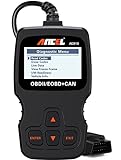
Common causes for a check engine light include:
* A loose or faulty gas cap
* Failing oxygen sensors
* Worn-out spark plugs or ignition coils
* A failing catalytic converter
* A faulty mass air flow sensor
2. Why Has Your Fuel Economy Suddenly Dropped?
If you are filling up your gas tank more often with no change in your driving habits, your car likely needs a service. A decrease in fuel efficiency is a direct symptom of an inefficient engine. Think of a clogged air filter as trying to breathe through a straw while running; the engine has to work much harder and use more fuel.
This sudden drop in fuel economy is a key sign that your engine is running inefficiently. This is often caused by components that regulate the air-fuel mixture. Worn-out spark plugs that don’t burn fuel completely or a dirty air filter that restricts airflow are common culprits. Failing oxygen sensors can also send incorrect data to the car’s computer, disrupting the balance and wasting fuel.
3. What Causes a Rough Idle or Stalling?
A rough, shaky, or vibrating sensation when your car is in park or stopped at a light is a classic sign you need a tune-up. This “rough idle” is typically caused by bad spark plugs, a dirty air filter, or a clogged fuel filter. These components are failing to provide the engine with the right mixture of air and fuel to run smoothly. Engine stalling, where the motor shuts off completely at stops, points to a more significant interruption in the fuel or air supply.
In our shop, one of the first things we check for a rough idle is the condition of the spark plugs and ignition coils. A misfire in even one cylinder can create an imbalance that you feel as a shake or shudder. Other causes can include a dirty fuel injector or a vacuum leak, which is a leak in one of the engine’s hoses that lets in unmetered air and disrupts the engine’s balance.
4. Why is Your Car Hard to Start?
If your car cranks for a long time before the engine turns over or requires multiple attempts to start, it’s a clear signal that components in the ignition or fuel system are weak. Does your car struggle to “wake up” in the morning? This hard starting issue is often due to a weak battery or worn-out spark plugs that can’t create a strong enough spark to ignite the fuel mixture efficiently. A failing fuel filter that restricts gas flow can also be the culprit.
5. What Causes Sluggish Acceleration or Loss of Power?
When you press the gas pedal and the car feels hesitant or weaker than usual, it’s a primary symptom of an engine that’s not breathing or burning fuel correctly. This sluggish performance is often due to a clogged fuel filter preventing enough gas from reaching the engine or a dirty air filter restricting airflow. Both are essential for generating power. From years of working with these issues, we find that this loss of power is a common complaint resolved by a standard tune-up service.
6. Are You Hearing Unusual Engine Noises?
Your engine should operate with a consistent hum, so any new knocking, sputtering, or squealing sounds demand attention. Engine knocking or “pinging” can occur when fuel detonates improperly in the cylinders, a problem sometimes linked to old spark plugs. Sputtering or backfiring often points to an imbalance in the air-fuel mixture or issues with the exhaust system. A high-pitched squealing noise, especially on startup, is typically a worn serpentine belt.
7. Do You Feel Strange Vibrations While Driving?
While a rough idle causes vibrations at a standstill, feeling a new shudder or vibration while accelerating can indicate an engine misfire under load. This happens when a spark plug fails to fire correctly as the engine works harder. It can feel like the car is stumbling or hesitating as you try to gain speed. This is a serious symptom that should be diagnosed promptly to prevent further engine wear.
8. Are Other Warning Lights On?
While the check engine light is the main indicator, other dashboard lights can signal the need for service. For example, a battery light could mean it’s time for a battery terminal cleaning or a new battery, both often checked during a major tune-up. Similarly, issues with diminished braking capacity, signaled by a brake warning light, are part of a complete vehicle inspection and point to the need for a comprehensive safety check.
What Does a Modern Car Tune-Up Actually Include?
A modern car tune-up, or scheduled maintenance, typically includes replacing the spark plugs, engine air filter, and cabin air filter. It also involves inspecting ignition system components like coils, checking and topping off all essential fluids, and visually inspecting belts and hoses for wear. Unlike the tune-ups of the past that involved manual adjustments, today’s service is about replacing consumable parts according to your vehicle’s mileage. The concept of a “tune-up” has evolved significantly with automotive technology.
The table below clarifies the difference between the services for a pre-1990s vehicle and a modern car serviced in 2026.
| Service Item | Traditional Tune-Up (Pre-1990s) | Modern Scheduled Maintenance (2026) |
|---|---|---|
| Spark Plugs | Replace every 15k-30k miles | Replace every 60k-100k miles (long-life plugs) |
| Ignition System | Replace Distributor Cap, Rotor, Points | Inspect/Replace Ignition Coils or Boots |
| Fuel System | Adjust Carburetor, Replace Fuel Filter | Clean Fuel Injectors, Replace Fuel Filter |
| Air System | Replace Air Filter | Replace Engine Air Filter |
| Diagnostics | Manual check of timing & idle speed | Scan Onboard Computer (OBD-II) for codes |
Pro Tip: Always check your owner’s manual first! It is the definitive guide to your car’s specific maintenance needs and intervals. Following the schedule recommended by the manufacturer is the best way to keep your vehicle reliable.
FAQs About how do you know if your car needs a tune-up
How often should you get a tune-up?
For modern cars, you should follow the scheduled maintenance intervals in your owner’s manual rather than getting a traditional “tune-up.” Major services that include spark plug replacement are typically recommended every 60,000 to 100,000 miles. Services like filter and fluid changes happen more frequently, often every 15,000 to 30,000 miles.
What is the difference between a tune-up and an oil change?
An oil change is a single, routine service, while a tune-up (or scheduled maintenance) is a more comprehensive inspection and replacement of multiple parts. An oil change specifically replaces the engine oil and oil filter. A tune-up service includes replacing parts like spark plugs and air filters, and inspecting the ignition and fuel systems, in addition to fluid checks.
Can a tune-up fix a rough idle?
Yes, a tune-up can often fix a rough idle, as it is a primary symptom of worn-out components. The most common cause of a rough idle is failing spark plugs or a clogged air filter, both of which are standard replacement items in a scheduled maintenance service. However, if the cause is a vacuum leak or faulty sensor, further diagnostic work will be needed.
Is a car tune-up worth the cost?
Yes, a tune-up or scheduled maintenance is absolutely worth the cost as a form of preventative care. Regularly replacing key components prevents them from failing and causing more expensive damage down the line. It also restores fuel economy and engine performance, which can save you money on gas and improve your driving experience.
How long does a car tune-up take?
A typical car tune-up service at a professional shop takes between 2 to 4 hours. The exact time depends on the specific make and model of your vehicle and which components are being replaced. A basic service with filters and spark plugs is quicker than a major service that might also include a timing belt or fuel system cleaning.
Do new cars need tune-ups?
No, new cars do not need “tune-ups” in the traditional sense and are covered by their manufacturer’s scheduled maintenance plan. For the first several years, a new car typically only requires oil changes and tire rotations. The first major service involving spark plug replacement usually doesn’t occur until at least 60,000 miles.
What’s the average cost of a car tune-up?
The average cost of a car tune-up can range from $200 to over $800 in 2026. A basic tune-up with spark plugs and filters on a 4-cylinder engine will be on the lower end. A major service on a V6 or V8 engine, or one that includes replacing ignition coils or a timing belt, can be significantly more expensive.
Will a tune-up make my car faster?
A tune-up will restore your car’s original performance, which may make it feel faster if it has become sluggish. It won’t add horsepower beyond factory specifications, but by replacing worn parts like spark plugs and air filters, it allows the engine to breathe better and burn fuel more efficiently, restoring lost power and acceleration.
What happens if you don’t get a tune-up?
If you neglect scheduled maintenance, you will experience a steady decline in engine performance and fuel economy. Worn spark plugs can lead to engine misfires, a clogged fuel filter can cause stalling, and ignoring these issues can eventually lead to costly damage to the engine or catalytic converter.
Can I do a tune-up myself?
You can perform a basic tune-up yourself if you have the right tools and mechanical knowledge. Replacing an engine air filter and spark plugs is a common DIY task on many vehicles. However, for more complex jobs, diagnosing check engine lights, or if you’re not comfortable working on your engine, it is always best to see a professional ASE-certified technician.
Key Takeaways: How to Know if Your Car Needs a Tune-Up
- Listen to Your Car’s Symptoms: The most reliable way to know if your car needs service is to pay attention to the signs. A check engine light, a drop in fuel economy, rough idling, or stalling are clear indicators that maintenance is required.
- “Tune-Up” Means “Scheduled Maintenance”: For modern cars, the term “tune-up” is outdated. The correct approach is to follow the scheduled maintenance intervals found in your vehicle’s owner’s manual, which specifies when to replace parts like spark plugs and filters.
- A Flashing Check Engine Light is an Emergency: While a solid check engine light is a warning, a flashing light indicates a severe problem. You should pull over safely and turn off the engine immediately to prevent expensive damage.
- Preventative Maintenance Saves Money: Spending money on a scheduled service to replace worn components is much cheaper than waiting for a part to fail, which can cause a breakdown and damage other expensive parts like the catalytic converter.
- Core Service Items Are Consistent: A modern maintenance service focuses on replacing consumable parts essential for engine operation, primarily spark plugs, air filters, fuel filters, and fluids, while inspecting the ignition system.
- Diagnosis is Key: The symptoms listed are strong indicators, but the only way to be certain of the cause is through a proper diagnosis, often starting with an OBD-II scanner to read the engine’s fault codes.
- Consult Your Owner’s Manual: Your vehicle’s manufacturer provides the definitive guide for all maintenance needs. Always refer to the owner’s manual for specific service intervals for your make and model.
Final Thoughts on Your Car’s Health
Understanding the signs your car needs a tune-up empowers you to seek preventative maintenance, which saves money and extends your vehicle’s life. Rather than waiting for a breakdown, addressing issues like poor gas mileage or rough idling early ensures your car remains reliable and efficient. By recognizing that a “tune-up” is really about following your car’s scheduled maintenance plan, you can have a more informed conversation with your trusted mechanic. Being proactive is the best strategy for long-term vehicle health and your peace of mind on the road.
Last update on 2026-03-29 / Affiliate links / Images from Amazon Product Advertising API


![Dubai Luxury Cars: Ultimate Guide for Buying & Renting [year]](https://i0.wp.com/carxplorer.com/wp-content/uploads/2026/03/Dubai-Luxury-Cars-Ultimate-Guide-for-Buying-Renting-year-1.jpg?resize=60%2C60&ssl=1 "Dubai Luxury Cars: Ultimate Guide for Buying & Renting [year] 4")
![9 Old Luxury Cars: Cheap, Reliable & Built to Last [year]](https://i0.wp.com/carxplorer.com/wp-content/uploads/2026/03/9-Old-Luxury-Cars-Cheap-Reliable-Built-to-Last-year-1.jpg?resize=60%2C60&ssl=1 "9 Old Luxury Cars: Cheap, Reliable & Built to Last [year] 6")

![Luxury Cars White: 9 Elegant Designs & Top Models for [year]](https://i0.wp.com/carxplorer.com/wp-content/uploads/2026/03/Luxury-Cars-White-9-Elegant-Designs-Top-Models-for-year-1.jpg?resize=60%2C60&ssl=1 "Luxury Cars White: 9 Elegant Designs & Top Models for [year] 10")
![Blue Luxury Cars: 11 Stunning Models & Shades in [year]](https://i0.wp.com/carxplorer.com/wp-content/uploads/2026/03/Blue-Luxury-Cars-11-Stunning-Models-Shades-in-year-1.jpg?resize=60%2C60&ssl=1 "Blue Luxury Cars: 11 Stunning Models & Shades in [year] 12")