
Noticing a strange smell or puff of smoke from your tailpipe? You’re likely wondering if your car is burning oil, a common but concerning engine issue. Identifying this problem early is crucial for vehicle health.
The clearest way to know if your car is burning oil is to look for a combination of symptoms, including blue-tinted exhaust smoke, a distinct burning smell like hot asphalt, and a consistently dropping oil level on the dipstick without visible leaks. This guide covers 7 key signs.
Based on 2026 analysis of common engine diagnostics, confirming oil consumption involves detailed observation and specific tests. This guide reveals exactly how to identify these indicators systematically, helping you pinpoint the root cause of your engine oil loss.
Key Facts
- Blue Exhaust Smoke: This is the most visual sign of oil burning, caused by engine oil mixing with fuel in the combustion chamber.
- Rapid Oil Level Drop: A significant decrease in oil level without external leaks strongly indicates internal consumption, as shown by consistent dipstick checks.
- Burning Odor: An acrid, chemical-like smell often compared to hot asphalt signifies oil making contact with hot engine components.
- Damaged Catalytic Converter Risk: Unburned oil additives can foul the catalytic converter, leading to expensive repairs and emissions test failures.
- Worn Piston Rings & Valve Seals: These are the primary mechanical culprits, allowing oil to bypass its intended pathways and enter the combustion process.
How Do You Know If Your Car Is Burning Oil? (The 7 Main Indicators)
A car is burning oil when engine oil bypasses worn seals and enters the combustion chamber, where it’s burned along with fuel. Recognizing this early can save your engine from further damage and prevent costly repairs. It can be worrying to suspect an engine problem, but identifying the signs is the first step to a solution. This comprehensive guide outlines the seven main indicators to help you accurately diagnose oil consumption.

Understanding why these signs occur is essential. Engine oil is supposed to lubricate internal components without entering the combustion chamber (the space where fuel and air ignite). When components like piston rings or valve seals wear out, oil can leak past them and get burned, leading to the issues described below. This systematic approach ensures you cover all diagnostic bases.
These indicators are not just isolated problems; they are clues that form a diagnostic checklist. By observing these in combination, you gain a clearer picture of your engine’s health. Professional inspection often starts with these same observations.
Here are the 7 main signs that indicate your car is burning oil:
- Blue Smoke from the Exhaust
- A Persistent Burning Oil Smell
- Rapidly Dropping Oil Level (No Visible Leaks)
- Oily Black Soot in the Tailpipe
- Fouled Spark Plugs
- Illuminated Oil Pressure Warning Light
- Failed Emissions Test (Hydrocarbon Output)
1. Why Is Blue Smoke From The Exhaust A Telltale Sign?
Blue or grayish-blue smoke from a car’s exhaust is a classic sign that engine oil is entering the combustion chamber and being burned with the fuel. This isn’t just a simple observation; the color and timing of the smoke provide critical diagnostic clues. Automotive experts universally agree that blue exhaust smoke indicates oil consumption, setting it apart from other types of engine smoke.
The appearance of this smoke is key: it’s not a thick, solid blue, but often a translucent, blue-gray haze. This distinct bluish tint is caused by the hydrocarbons in the oil burning off, a process that should never occur in a healthy engine. The color differentiates it immediately from black smoke (excess fuel) or white smoke (burning coolant or normal condensation).
The timing of the smoke’s appearance is an even more advanced diagnostic. A puff of blue smoke only on startup often points to worn valve stem seals. These small gaskets keep oil in the top of the engine. When they age and harden, oil can leak into the cylinders when the engine is off. Consistent blue smoke that worsens during acceleration, however, is typically a symptom of worn piston rings. These rings seal around the piston, keeping oil in the bottom (crankcase). Imagine a leaky faucet (valve seals) versus a leaky dam wall (piston rings); the location of the breach determines when the leak is most apparent.
Here’s a breakdown of smoke timing:
- Smoke on Startup Only: Likely worn valve stem seals. Oil seeps past the seals into the combustion chamber while the engine is off, then burns quickly on ignition.
- Smoke During Acceleration: Often indicates worn piston rings. Under engine load, pressure changes can force oil past the rings and into the combustion area.
- Smoke on Deceleration (after acceleration): Can also point to worn valve seals. Engine vacuum increases on deceleration, pulling oil past the seals.
2. What Does A Persistent Burning Oil Smell Mean?
A persistent burning oil smell is a strong indicator of an oil leak or consumption issue, signaling engine oil making contact with hot surfaces. The odor itself is a crucial piece of sensory evidence for an automotive expert. It alerts you to a problem that might not yet be visibly obvious.
The smell of burning engine oil is distinct from other car odors. It’s an acrid, sharp, chemical smell, often compared to hot asphalt or burning plastic, not the rich smell of gasoline or the sweet smell of antifreeze. This foul odor is the result of oil undergoing thermal breakdown as it burns. If the smell is strongest from the exhaust, it indicates internal oil burning within the combustion chamber. If it’s strongest under the hood, it’s likely an external leak dripping onto hot engine components like the exhaust manifold.
Professional inspection often involves identifying the source of this smell. For instance, a common cause is a leaking valve cover gasket allowing oil to drip onto the hot exhaust manifold. A “Safety First” warning: only inspect a cool engine bay to avoid burns.
Here are clues from the smell’s location:
- Smell from Exhaust Pipe: The oil is burning internally, passing through the combustion process and exiting with exhaust fumes.
- Smell from Engine Bay (under the hood): Oil is leaking externally and dripping onto a hot component. This is often less severe than internal burning but still needs attention.
- Smell Inside the Cabin: If the smell permeates the cabin, it could be either external leaks wafting in through the ventilation system or internal burning with exhaust gases entering the cabin via leaks in the exhaust system or body.
3. How Can You Use The Oil Dipstick To Confirm Oil Loss?
To check for oil burning, regularly monitor your oil level using the dipstick; a significant drop between oil changes without any visible leaks is a key symptom. This method provides objective, quantifiable evidence of oil consumption. It’s a hands-on diagnostic that you can perform accurately at home.
Regularly checking your oil level with the oil dipstick helps you establish a baseline for your engine’s oil consumption rate. The oil dipstick is a tool for measuring the sump level of engine oil. Most manufacturers consider consumption of up to one quart per 1,500 miles acceptable, but a loss of one quart in under 1,000 miles strongly indicates a problem, especially if there are no external oil spots on the driveway.
Here’s a step-by-step oil consumption test:
- Park your car on level ground: This ensures an accurate reading of the oil level.
- Wait 10-15 minutes: Allow a hot engine to cool slightly and the oil to settle back into the oil pan (sump).
- Pull out the oil dipstick: Locate the dipstick (often with a yellow or orange handle) and remove it.
- Wipe it clean: Use a clean rag or paper towel to wipe all the oil off the dipstick.
- Re-insert it fully: Push the dipstick back into its tube until it’s completely seated.
- Pull the dipstick out again and read the level: The oil level should be between the ‘Full’ and ‘Add’ marks. Keep the oil level within this range.
- To perform an oil consumption test: Top off the oil to the ‘Full’ mark, record your car’s exact mileage, and re-check the oil level after driving 500-1000 miles. A significant drop within this short mileage confirms excessive oil consumption.
4. How Do You Differentiate Between Burning Oil and Leaking Oil?
The key difference between burning and leaking oil is where the oil is lost: burning oil is an internal issue, while leaking oil is an external one. Understanding this distinction is crucial because the diagnostic steps, severity, and repair costs differ significantly. This direct comparison helps clarify whether you have a potentially serious internal engine problem or a more common external oil drip.
Internal oil loss (burning) occurs when engine oil enters the combustion chamber and is consumed during the engine’s operation. External oil loss (leaking) happens when oil escapes the engine’s sealed system and drips onto external surfaces or the ground. If you are losing oil but see no spots on your driveway, your car is almost certainly burning oil internally.
This clear, analytical breakdown, structured like a professional mechanic’s diagnosis, provides immense clarity. It helps you accurately self-diagnose by looking for specific symptoms.
| Symptom | Burning Oil (Internal Loss) | Leaking Oil (External Loss) |
|---|---|---|
| Primary Evidence | Blue smoke from exhaust | Dark, oily spots on driveway/parking spot |
| Smell | Acrid, chemical smell from the tailpipe | Acrid, burning smell from the engine bay |
| Physical Trace | Oily, sooty residue inside tailpipe | Visible drips on engine block, pan, or ground |
| Common Causes | Worn piston rings, valve seals, PCV valve | Bad gaskets (valve cover, oil pan), seals |
| Diagnostic Clue | Oil level drops with no visible mess | Oil level drops and engine is visibly dirty/wet |
To conduct a quick test: Place a large piece of clean cardboard under your engine overnight. Any spots in the morning confirm an external leak, which is a different issue than internal burning.
5. What Are The Main Mechanical Causes of a Car Burning Oil?
The most common causes of a car burning oil are worn piston rings, failing valve stem seals, and a malfunctioning PCV (Positive Crankcase Ventilation) system. These mechanical failures allow engine oil to bypass its intended lubrication pathways and enter the combustion chamber. Identifying which component is at fault helps determine the repair strategy and establishes authoritative knowledge of the engine’s internal workings.
Understanding the function of each component is vital before explaining its failure mode.
Worn Piston Rings
Worn piston rings are a primary culprit, allowing oil to seep past the piston into the combustion chamber. These rings are critical seals around the piston, designed to keep combustion gases in the cylinder and prevent oil from the crankcase from entering the combustion area. They also scrape excess oil from the cylinder walls. When these ‘oil control rings’ wear out due to high mileage, improper lubrication, or overheating, they lose their ability to scrape oil effectively. This failure typically causes blue smoke that is most noticeable during acceleration, as the increased pressure and movement force oil past the compromised rings. An ASE-certified technician often performs a compression test or leak-down test to confirm worn piston rings.
Failing Valve Stem Seals
Failing valve stem seals allow oil to leak down the valve stems into the cylinders when the engine is off, resulting in a puff of blue smoke on startup. Valve stem seals are small gaskets located around the valve stems in the cylinder head. Their job is to prevent engine oil from the cylinder head (which lubricates the valvetrain) from seeping past the valve stems and into the intake or exhaust ports, and subsequently, the combustion chamber. Over time, these seals can harden, crack, or lose their elasticity due to heat cycling and age. This is why worn seals cause a telltale puff of smoke only when you first start the car after it has sat for a while.
Malfunctioning PCV Valve
A clogged or stuck PCV (Positive Crankcase Ventilation) valve can dramatically increase oil consumption by causing excessive pressure buildup within the engine’s crankcase. The PCV system acts like the engine’s breathing system, venting blow-by gases (combustion gases that escape past the piston rings) from the crankcase back into the intake manifold to be re-burned. If the PCV valve is clogged, these gases cannot escape efficiently, leading to pressure that can force oil past perfectly good piston rings and seals. This can mimic other oil burning symptoms and is often one of the cheapest and easiest parts to check and replace.
6. What Advanced Signs & Diagnostic Tests Can You Use?
Advanced signs of oil burning include oily black soot inside the exhaust tailpipe and spark plugs fouled with wet, black deposits, often confirmed by specific engine diagnostic tests. For the DIY mechanic or serious car owner, these hands-on checks provide definitive proof and pinpoint the exact source of oil consumption. This moves beyond observation to direct evidence, providing actionable, expert-level advice.
Beyond visual and olfactory cues, a deeper inspection of engine components and specialized tests can confirm oil burning and identify the affected cylinders.
Check Spark Plugs
Pull a spark plug and inspect it; a plug that’s wet and black with oily deposits is a sure sign of oil burning in that cylinder. Engine oil should never reach the spark plug tips. An oil-fouled spark plug, showing wet, black, oily deposits on the electrode, clearly indicates oil entering that specific cylinder. A healthy spark plug typically has a light tan or gray appearance. Conversely, a dry, sooty black plug often signifies a rich fuel mixture or carbon fouling, not oil burning.
Inspect the Tailpipe
While some dry, black soot inside the tailpipe is normal, a thick, wet, oily residue indicates significant oil consumption. This oily soot is a direct byproduct of burned engine oil. Run your finger inside the tailpipe; if it comes out with a visibly greasy, black film, it’s a strong indicator of internal oil burning. This is more pronounced than regular carbon buildup.
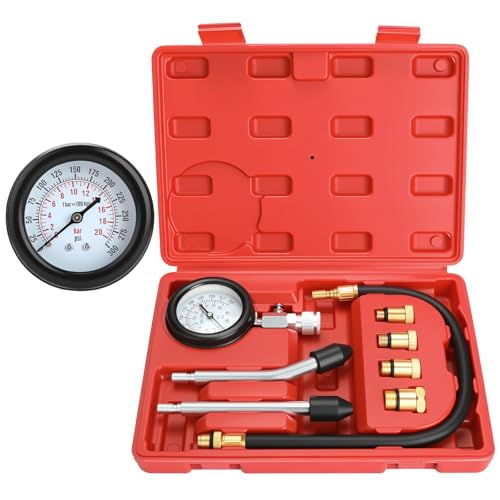
Perform a Compression Test
A compression test measures how well a cylinder can hold pressure; low readings can indicate worn piston rings are the cause of oil burning. This test measures the maximum pressure each cylinder can generate during the compression stroke. Low compression in one or more cylinders can suggest issues like worn piston rings, damaged valves, or a head gasket leak. For example, consistently low readings across all cylinders often point to widespread piston ring wear. This test helps confirm if a cylinder is struggling to create proper pressure.
Conduct a Leak-Down Test
A leak-down test is a more precise diagnostic that pinpoints where pressure is being lost, confirming whether the leak is past the piston rings or valves. Unlike a compression test, which simply measures pressure, a leak-down test pressurizes each cylinder with shop air and then measures the percentage of pressure loss. You can then listen for where the air is escaping:
* Air hissing from the exhaust pipe indicates a leaking exhaust valve.
* Air hissing from the intake manifold indicates a leaking intake valve.
* Air hissing from the oil fill cap or dipstick tube indicates worn piston rings.
* Bubbles in the coolant reservoir indicate a blown head gasket. This test provides a definitive diagnosis between bad rings or valves.
7. Is It Safe To Drive a Car That’s Burning Oil and What Should You Do Next?
While you can drive a car that’s burning a small amount of oil for a short period, it is not recommended long-term as it can damage your catalytic converter and spark plugs, eventually leading to engine failure. An engine burning oil is an engine asking for attention. The immediate danger is running the engine out of oil, which can cause catastrophic and irreversible damage.
The severity of the risk depends on the rate of oil consumption and the underlying cause. A critical factor competitors often ignore is that sustained oil burning can lead to expensive collateral damage. The additives in motor oil, such as zinc and phosphorus, are not meant to be burned. They can coat the precious metals inside the catalytic converter, rendering it ineffective, which is an expensive repair (often over $1,000). Significant oil burning can also foul spark plugs, leading to misfires and rough running.
Short-Term Actions
- Constantly Check Your Oil: This is the most important step. Check the dipstick at every other gas fill-up and add oil as needed to prevent it from running low. Running out of oil is the fastest way to destroy an engine.
- Try a High-Mileage Oil: These oils contain seal conditioners that can swell old seals and may reduce minor consumption. While not a permanent fix, they can be a temporary solution.
- Consider an Oil Additive: Some additives are designed to “stop smoke” or reduce oil burning. These can temporarily alleviate symptoms but don’t solve the mechanical problem.
Long-Term Solutions
- Consult a Professional: Get a diagnostic and quote from a certified mechanic. They can confirm the exact cause with specialized tests and advise on the best repair.
- Repair or Replace Components: Depending on the diagnosis, solutions range from replacing a cheap PCV valve (under $50), replacing valve stem seals ($500-$1,500), or a full engine rebuild to replace piston rings ($2,500 or more).
- Cost Consideration: If burning less than 1 quart per 1500 miles, manage and monitor. If burning more than 1 quart per 1000 miles, seek professional repair.
FAQs About How Do You Know If Your Car Is Burning Oil
How much oil consumption is normal for a car?
Most manufacturers consider consumption of up to 1 quart of oil every 1,000 to 1,500 miles to be within normal operating standards, especially for high-performance or turbocharged engines. However, if your daily driver suddenly starts using this much oil when it didn’t before, it’s still a sign of developing wear that should be monitored closely.
Will using thicker oil stop my car from burning oil?
Using a thicker, high-viscosity oil or a high-mileage formula can sometimes slow down a minor oil burning issue, but it is not a permanent fix. These oils can be better at sealing small gaps in worn rings and seals. It’s a valid short-term strategy to reduce consumption while you consider a permanent repair, but it will not solve the underlying mechanical problem.
Does burning oil damage the catalytic converter?
Yes, burning oil will eventually damage your catalytic converter, which is an expensive repair. The additives in motor oil, such as zinc and phosphorus, are not meant to be burned. They can coat the precious metals inside the converter, rendering it ineffective and causing you to fail an emissions test.
Why does my car only burn oil on startup?
A puff of blue smoke only on startup is a classic symptom of worn or hardened valve stem seals. When the engine is off, these failing seals allow a small amount of oil to leak down the valve guides and pool on top of the pistons. When you start the car, this pooled oil is immediately burned off, creating that initial puff of smoke.
Can a bad PCV valve really cause high oil consumption?
Absolutely. A clogged or stuck PCV (Positive Crankcase Ventilation) valve can dramatically increase oil consumption. The PCV system is designed to relieve pressure from the engine’s crankcase. If it fails, that pressure builds up and can force oil past perfectly good piston rings and seals, leading to burning. It’s one of the first and cheapest parts to check.
What’s the difference between blue smoke and white smoke from the exhaust?
Blue smoke indicates burning oil, while thick, persistent white smoke typically indicates burning coolant from a problem like a blown head gasket. Coolant has a distinctively sweet smell, unlike the acrid smell of burning oil. Don’t confuse this with the thin, wispy white vapor that is normal on cold days, which is just water condensation.
How much does it cost to fix an oil burning engine?
The cost varies dramatically depending on the cause, ranging from under $50 to over $3,000. Replacing a PCV valve can be a cheap DIY fix. Replacing valve stem seals is more labor-intensive and might cost $500-$1,500. A full rebuild to replace piston rings is the most expensive option, often costing $2,500 or more.
I’m buying a used car. How can I check for oil burning?
Check the tailpipe for thick, oily soot, and pull the oil dipstick to check for a very low or very clean oil level (a recent change could be hiding a problem). Ask the owner if they have to add oil between changes. During the test drive, have a friend follow you and watch for blue smoke on startup and under hard acceleration.
Key Takeaways: How to Know if Your Car is Burning Oil
- Blue Smoke is the Smoking Gun: The clearest visual sign of burning oil is a distinct blue or grayish smoke from the exhaust, especially on startup (points to valve seals) or during acceleration (points to piston rings).
- Smell and Sight, Day and Night: A persistent, acrid burning oil smell combined with a rapidly dropping oil level on the dipstick—without any visible puddles on your driveway—is a strong confirmation of internal oil consumption.
- Burning vs. Leaking is Key: Differentiating is critical. Burning oil causes exhaust smoke with no ground spots. Leaking oil causes ground spots and smells from the engine bay, but no exhaust smoke.
- The “Why”: Rings, Seals, and PCV: The three most common mechanical culprits are worn piston rings, failing valve stem seals, and a faulty PCV valve. Identifying the timing of the smoke can help you narrow down which one is to blame.
- Check Oil Religiously: The most immediate danger of burning oil is running the engine dry, which causes catastrophic failure. If you suspect your car is burning oil, check the dipstick at every other fuel fill-up and top it off.
- Damage Goes Beyond the Engine: Ignoring oil burning can lead to expensive collateral damage, including fouled spark plugs and a ruined catalytic converter, which can cost over $1,000 to replace.
- Solutions are Tiered: Your response can range from short-term management (using a high-mileage oil) to definitive, but more expensive, mechanical repairs (replacing seals or rings).
Final Thoughts on Diagnosing Oil Consumption
Determining if your car is burning oil can feel daunting, but by methodically working through the signs—from the color of the smoke to the smell in the air and the level on your dipstick—you can move from suspicion to a confident diagnosis. This guide has equipped you with the same diagnostic logic a professional technician uses: observe the symptoms, understand the potential causes, and differentiate between possibilities.
The most critical takeaway is to be proactive. An engine burning oil is an engine asking for attention. Your first and most important job is to become vigilant about checking the oil level to prevent a low-oil situation that could destroy your engine. From there, you can make an informed decision about the next steps, whether it’s managing the issue with a different oil or seeking a professional repair. By taking control of the diagnostic process, you’ve taken the first step toward extending the life of your vehicle.
Last update on 2026-02-14 / Affiliate links / Images from Amazon Product Advertising API
![Elle Woods Car: 5 Legally Blonde Porsche Secrets for [year]](https://i0.wp.com/carxplorer.com/wp-content/uploads/2026/02/Elle-Woods-Car-5-Legally-Blonde-Porsche-Secrets-for-year-1.jpg?resize=60%2C60&ssl=1 "Elle Woods Car: 5 Legally Blonde Porsche Secrets for [year] 4")
![Pink and White Car Aesthetic: 11 Stunning Ideas for [year]](https://i0.wp.com/carxplorer.com/wp-content/uploads/2026/02/Pink-and-White-Car-Aesthetic-11-Stunning-Ideas-for-year-1.jpg?resize=60%2C60&ssl=1 "Pink and White Car Aesthetic: 11 Stunning Ideas for [year] 6")

![Pink Vintage Car Aesthetic: 9 Best Retro Designs for [year]](https://i0.wp.com/carxplorer.com/wp-content/uploads/2026/02/Pink-Vintage-Car-Aesthetic-9-Best-Retro-Designs-for-year-1.jpg?resize=60%2C60&ssl=1 "Pink Vintage Car Aesthetic: 9 Best Retro Designs for [year] 10")
