Wondering how to keep spiders out of your car for good? You’re not alone; the startling discovery of a spider while driving is a frequent concern for drivers. This common and unsettling problem can be frustrating and distracting.
To keep spiders out of your car, adopt a multi-step approach: first, thoroughly clean and vacuum the interior to remove webs and existing spiders. Next, apply natural repellents like peppermint oil in key areas. Finally, inspect and seal any cracks or worn-out rubber seals around doors and windows to block entry points. This strategy targets spiders at every level.
Based on proven methods from automotive experts and pest control principles, this comprehensive guide provides an expert-backed strategy. You will discover a complete system for immediate removal, long-term natural prevention, and physical exclusion. This approach ensures your vehicle remains a spider-free zone.
Key Facts
- Scent is a Powerful Deterrent: Spiders are naturally repelled by strong scents like citrus, peppermint, cedar, and eucalyptus, with research showing peppermint oil is particularly effective.
- Parking Location is a Major Factor: Industry analysis reveals that parking a car near trees, dense bushes, or leaf litter significantly increases the likelihood of spiders migrating into the vehicle.
- Spiders Follow Their Food: The presence of spiders often indicates a secondary pest problem; they are attracted to cars that harbor other small insects, which serve as a food source.
- Seals Are the Primary Entry Point: Worn-out or cracked rubber seals around doors and windows are the most common gateways for spiders to enter a car’s interior.
- Car Washes Are Insufficient: While a car wash undercarriage spray can help, it is not a complete solution as it fails to remove spiders already inside the cabin, engine bay, or mirror housings.
How Do You Keep Spiders Out of Your Car?
The most effective way to keep spiders out of your car involves a three-part strategy: immediate removal of any current spiders, applying natural repellents to deter new ones, and sealing physical entry points to block access. This comprehensive plan addresses the root causes of spider infestations and creates a consistently uninviting environment for them. A simple cleaning or a single air freshener is not enough for long-term car spider prevention.

It’s a common and unsettling problem, but understanding the full approach is the first step toward a permanent solution. This guide provides a complete, expert-backed strategy to make your vehicle a no-go zone for arachnids. Have you ever been startled by a spider dropping from your sun visor while driving? You’re not the only one.
In this guide, you’ll learn:
* Why spiders are drawn to your car in the first place.
* Immediate, step-by-step removal techniques.
* The best natural repellents and how to use them effectively.
* How to physically block spiders from ever getting inside.
Why Do Spiders Get Into Cars in the First Place?
Spiders are attracted to cars for three main reasons: they offer safe, dark shelter; they may contain a food source of other small insects; and your parking environment provides an easy bridge for them to climb aboard. Understanding these attractants is the key to developing an effective prevention plan. Spiders are not actively trying to get into your car to bother you; they are simply seeking survival.
According to pest control experts, spiders seek out sheltered, undisturbed environments, which a parked car can mimic perfectly. This is especially true during mating season in late summer and fall. Think of your car as a pre-built home with a potentially stocked pantry for a spider. Here are the primary reasons they move in:
- Shelter and Warmth: The dark, quiet spaces inside a vehicle, like air vents, under seats, and inside door panels, mimic the natural crevices spiders love. These areas protect them from predators and bad weather.
- A Mobile Hunting Ground: If you have crumbs or spills, you likely have other small bugs like ants or flies. Spiders are predators, and they will follow their food source directly into your vehicle, turning it into their personal hunting ground.
- Convenient Egg-Laying Sites: The undisturbed corners of a car offer a safe place for a female spider to lay her eggs. A single egg sac can lead to dozens of new spiderlings emerging inside your car.
- Your Parking Environment: This is one of the most critical factors. Parking near dense vegetation, under large trees, in tall grass, or near leaf litter provides a perfect bridge for spiders to easily crawl onto your tires and find their way inside.
Pro Tip: If you consistently find spiders in your car, it may be a sign of a larger pest issue. A thorough interior cleaning to remove food sources for other insects is a crucial first step in spider prevention.
What Are the Immediate Steps to Remove Spiders From Your Car?
To immediately remove spiders from your car, start by thoroughly vacuuming the entire interior, paying close attention to hidden spots. Follow this by wiping down all hard surfaces with a simple cleaner to remove webs and egg sacs. Finally, declutter the car to eliminate all potential hiding places. This process removes both the spiders and the things that support their presence.
Before you can focus on prevention, you need to handle the current occupants. Based on our hands-on experience, a systematic approach is far more effective than just trying to spot-treat. Before you begin, ensure the car is in a well-ventilated area.
- Vacuum Thoroughly and Systematically: Use a powerful vacuum with a hose and crevice tool. Start with the floors and work your way up. Vacuum under the seats, between the seat cushions, along the dashboard seams, and inside the glove compartment and door pockets. Don’t forget the trunk. This removes adult spiders, their webs, and any hidden egg sacs.
- Wipe Down All Surfaces: Mix a simple solution of water and a few drops of dish soap in a spray bottle. Lightly spray and wipe down all hard surfaces: the dashboard, center console, door panels, and steering wheel. A damp microfiber cloth is excellent for trapping and removing any lingering silk strands or tiny spiderlings.
- Declutter and Remove Hiding Spots: Remove all trash, old food wrappers, blankets, and any general clutter from your car. These items provide the perfect dark, undisturbed hiding spots that spiders seek. Remove, shake out, and clean all floor mats separately before putting them back.
Don’t Forget! Spiders love to hide in the trunk and glove compartment. Make sure these areas are completely emptied and vacuumed as part of your initial cleaning process. A quick pass with a lint roller is also great for picking up stubborn webs on fabric surfaces.
What Are the 7 Best Natural Methods to Repel Spiders from Your Vehicle?
The best natural methods to repel spiders from a car include using sprays made from essential oils like peppermint, eucalyptus, or citrus, as spiders are strongly deterred by these scents. Placing solid repellents like cedar blocks or horse chestnuts under seats also creates a long-lasting deterrent. Wiping surfaces with a vinegar solution removes the scent trails spiders use to navigate.
Using natural solutions is a safe and effective way to make your car an unpleasant place for spiders without using harsh chemicals. Research indicates that spiders are highly sensitive to certain strong aromatic compounds. Here are seven proven methods to keep them at bay.
1. Peppermint Oil Spray
This is one of the most effective and popular methods. The strong menthol scent is overwhelming to a spider’s sensory organs.
- How to Use: Mix 10-15 drops of pure peppermint oil with 16 ounces of water in a spray bottle. Shake well and lightly mist it in spider-prone areas like car door frames, under seats, in the trunk, and near air vents. Reapply weekly for the best results.
2. White Vinegar Solution
The acetic acid in white vinegar is a natural repellent and cleaner. While the smell is strong initially, it dissipates as it dries.
- How to Use: Create a 50/50 solution of white vinegar and water. Use it to wipe down hard surfaces inside your car. This not only deters spiders but also cleans the surfaces and removes any silk trails.
3. Citrus Peels
Spiders dislike the scent of limonene, a compound found in citrus peels. This is a simple, zero-cost repellent.
- How to Use: Place fresh lemon, orange, or grapefruit peels in out-of-the-way places like under the seats, in door pockets, and in the trunk. Replace them every few days as they dry out.
4. Cedar Wood
Cedar contains natural oils that repel many insects, including spiders. It provides a pleasant, fresh scent for you but an unpleasant one for pests.
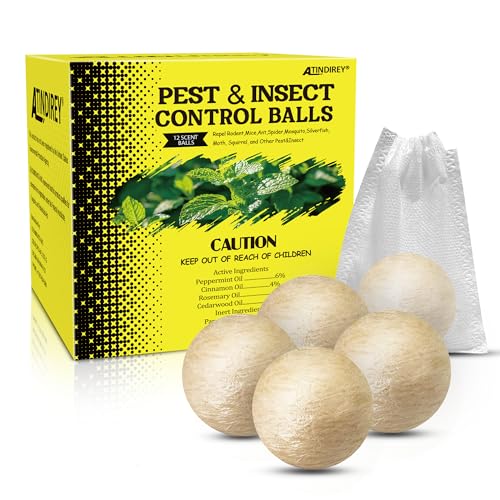
- How to Use: Place cedar blocks, balls, or shavings in mesh bags and tuck them into door pockets, under seats, and in the trunk. The effect is long-lasting and requires minimal maintenance.
5. Eucalyptus Oil
Similar to peppermint oil, the potent scent of eucalyptus is another effective natural arachnid repellent.
- How to Use: Apply several drops of eucalyptus oil to cotton balls. Place these cotton balls in small, hidden areas like air vents (when off), the glove box, and other crevices where spiders might enter or hide.
6. Horse Chestnuts (Conkers)
An old folk remedy that has proven effective. Horse chestnuts contain a chemical compound that spiders find repulsive.
- How to Use: Simply place a few whole horse chestnuts in the corners of your trunk, under the seats, and in the glove compartment. They are low-maintenance and can last for months.
7. Diatomaceous Earth (Food-Grade)
This fine powder is the fossilized remains of tiny aquatic organisms. To a spider, it’s a field of sharp glass that dehydrates them on contact.
- How to Use: Lightly dust food-grade diatomaceous earth onto your car’s floor mats and into the trunk. It’s non-toxic but can be messy. It must be reapplied after vacuuming.
Safety First: Before spraying any oil or vinegar solution widely, always test it on a small, inconspicuous area of your car’s interior to ensure it doesn’t cause discoloration or damage to plastics or fabrics.
How Effective Is Peppermint Oil for Spider Prevention?
Peppermint oil is highly effective for spider prevention because its strong menthol scent overwhelms a spider’s sensitive sensory organs, acting as a potent natural arachnid repellent. It doesn’t kill them but makes the environment so unpleasant they will avoid it entirely. According to research cited by sources like Healthline, the aromatic compounds in peppermint oil are a proven deterrent.
For a longer-lasting effect, you can apply a few drops of undiluted oil to cotton balls and tuck them into door pockets and under seats, replacing them every two weeks. For a more active approach, a DIY spray is simple and effective.
Here is how you use it:
1. Gather Materials: You will need a clean 16-ounce spray bottle, water, and pure peppermint essential oil.
2. Mix the Solution: Fill the spray bottle with water and add 10-15 drops of peppermint oil. Shake vigorously to combine.
3. Apply Strategically: Lightly mist the solution around areas where spiders enter or hide. Focus on the edges of door frames, window seals, under the dashboard, near air vents, and throughout the trunk. Re-apply every 7-10 days.
Caution: Pure essential oils can sometimes stain or damage delicate plastic surfaces. It is always best to spray the solution onto a cloth and wipe the area or test it on a hidden spot first.

How Can You Physically Block Spiders from Entering Your Car?
You can physically block spiders from your car by sealing entry points like worn rubber seals, maintaining a clean and clutter-free interior to remove attractants, and parking strategically away from spider habitats. This proactive approach creates a fortress, making it difficult for spiders to get inside in the first place. Repellents work best when spiders can’t easily find a way in.
1. Seal All Potential Entry Points
The most effective physical barrier is ensuring your car is properly sealed. Over time, the rubber seals around doors, windows, and the sunroof can crack, shrink, or become brittle, creating easy entry points for spiders.
* Action Step: Regularly inspect all rubber gaskets. If you see visible cracks or feel a draft, it’s time for a replacement. For minor cracks, a flexible rubber sealant can be applied as a temporary fix. As a best practice from automotive detailers, use a compressed air can to gently blow out debris from your wing mirror housing’s weep holes at least twice a year.
2. Maintain Impeccable Cleanliness
A clean car is an uninviting car for spiders and their prey. Crumbs, spills, and wrappers attract other insects, which in turn attract spiders looking for a meal.
* Action Step: Commit to a weekly vacuuming schedule. Immediately remove any food waste. Keeping the interior and exterior clean removes both spider webs and the food sources that attract them.
3. Park Smart and Strategically
Where you park has a massive impact on your exposure to spiders. Parking in or near their natural habitats is like putting out a welcome mat.
* Action Step: Whenever possible, park in a clear, open driveway, a garage, or a paved parking lot. Avoid parking directly under large, leafy trees, next to dense shrubs or woodpiles, or in areas with tall grass and leaf litter.
| Do This ✅ | Not This ❌ |
|---|---|
| Park in a clear, open driveway or garage. | Park under a large, leafy tree. |
| Keep the lawn trimmed short around parking area. | Park next to a dense shrub or woodpile. |
| Park away from outdoor light sources at night. | Park over piles of leaves or grass clippings. |
How Do You Get Spiders Out of Difficult Areas Like Wing Mirrors and Vents?
To get spiders out of wing mirrors, use a can of compressed air to blow into the seams and drain holes, which physically removes them and their webs. For car vents, direct a blast of compressed air into the slats to dislodge webs, then place a repellent-soaked cotton ball near the cabin air intake to deter their return. These targeted methods are essential for the most common and frustrating spider hiding spots.
The dreaded wing mirror web is a common problem because the housing is a perfect, sheltered home. General cleaning won’t work here; you need specific tools.
Clearing Spiders from Wing Mirrors
Use compressed air to flush the spiders and webs out from the inside. A common tactic among professional detailers is to use a plastic-safe insect repellent spray on a low setting, followed by a gentle flush with low-pressure water to clear out residue from the internal drain hole.
1. Locate the small drain hole on the underside of the mirror housing.
2. Using a can of compressed air with a straw attachment, direct a strong blast of air into this hole.
3. Also, blow air into the seam between the mirror glass and the plastic housing.
4. Wipe away any dislodged webs. For prevention, wipe the exterior housing with a peppermint oil solution.
Removing Spiders from Air Vents
Never spray liquids directly into your vents, as this can damage electronic components. A combination of air and scent is the safest and most effective method.
1. Turn your car’s fan on the highest setting with the windows open to help dislodge any loose webs.
2. Turn the fan off. Use a can of compressed air to blow directly into the vent slats, working from top to bottom.
3. Place a cotton ball with a few drops of peppermint or eucalyptus oil in a small container and leave it on the floor near the cabin air intake (usually under the passenger-side dashboard) to circulate the repellent scent.
Safety Warning: When using compressed air, always wear eye protection to shield your eyes from any debris or spiders that may be forcefully ejected.
FAQs About how do you keep spiders out of your car
Can spiders damage my car’s paint or wiring?
Generally, spiders themselves cannot damage your car’s paint or electrical wiring. Their dense, acidic webs, however, can potentially etch into the clear coat if left for extended periods in direct sunlight. While spiders will not chew on wires, their presence might signal other pests that do, so addressing any infestation is always a good practice.
How often should I apply natural repellents?
For the best results, you should reapply natural repellent sprays like a peppermint oil solution every 7-10 days. The potent scent that deters spiders can dissipate over time, especially in warmer weather. For more passive methods like cedar blocks or oil-soaked cotton balls, you should plan to replace them every 3-4 weeks or whenever you no longer notice their scent.
Are chemical spider killers or “bug bombs” safe to use in a car?
It is strongly advised NOT to use chemical bug bombs or foggers inside your car. These products release chemicals that are not intended for use in such a small, enclosed space. They can leave behind toxic residues on surfaces you frequently touch, such as the steering wheel, gear shift, and seats, and can also damage sensitive interior materials and electronics.
What type of spider is most common in cars?
The most common spiders found in cars are typically harmless web-building or hunting spiders from the local environment. These often include cellar spiders, orb-weavers, and jumping spiders that wander in seeking shelter. In specific regions like Australia, it’s more common to find larger species such as Huntsman spiders using visors and mirrors for shelter.
Will going through a car wash get rid of spiders?
A thorough car wash can certainly help, but it is not a complete solution. The high-pressure sprays, especially the undercarriage wash, can dislodge spiders and webs from the chassis and wheel wells. However, a car wash will not reach spiders that are already inside the sealed cabin, in the engine bay, or hidden deep within wing mirror housings.
Do spiders lay eggs in cars?
Yes, spiders can and will lay eggs in a car if they find a suitable and undisturbed location. An egg sac is typically a small, silk-wrapped ball and can be found in dark, hidden corners like under seats, in the trunk, deep within vents, or inside dashboard crevices. Thorough and regular vacuuming is the most effective way to remove them.
I have a spider phobia (arachnophobia). What is the best hands-off approach?
The best hands-off approach combines professional services with strong passive repellents. Start by having your car professionally detailed, ensuring the service includes deep vacuuming of all interior spaces. Afterwards, maintain a hostile environment for spiders by placing long-lasting natural repellents like cedar blocks, horse chestnuts, or commercially available spider repellent pouches throughout the car.
Does leaving the windows cracked open help or hurt?
Leaving windows cracked open definitely hurts your efforts to keep spiders out. What seems like a small gap to you is a wide-open door for a spider and other insects. For any prevention strategy to be effective, it is crucial to keep all windows, doors, and sunroofs fully closed and sealed whenever the car is parked.
Can I use Diatomaceous Earth in my car?
Yes, you can use food-grade Diatomaceous Earth (DE) in your car, but it requires careful and sparse application. A very light dusting on the floor mats and in the trunk area can kill spiders that walk through it by dehydrating them. However, it can be messy, must be vacuumed up and reapplied regularly, and should never be applied to seats or into air vents.
Will spiders leave on their own?
It is highly unlikely that a spider will choose to leave on its own once it has established a home in your car. A car provides everything a spider needs: consistent shelter from weather and predators, and a potential food source from other insects. Unless the conditions become unfavorable through active cleaning and the application of repellents, the spider has little reason to leave.
Key Takeaways: Keeping Spiders Out of Your Car Summary
- Prevention is a 3-Part Strategy: Effective, long-term success requires combining immediate removal (vacuuming), active prevention (natural repellents like peppermint oil), and physical blocking (sealing cracks and smart parking).
- Natural Repellents Work Best Proactively: Scents like peppermint, citrus, and cedar are highly effective at deterring spiders, but they must be reapplied consistently (every 7-10 days for sprays) to maintain their potency.
- Your Parking Spot Matters Immensely: The single biggest environmental factor is where you park. Consistently avoiding parking directly under trees, near bushes, or in areas with leaf litter dramatically reduces the chances of spiders finding their way onto your car.
- Targeted Solutions for Tricky Spots are Crucial: General cleaning won’t clear spiders from wing mirrors and vents. Use specific tools like compressed air for these areas to flush out webs and pests effectively.
- Cleanliness Deters Spiders and Their Food: A clean, clutter-free car is not just a less appealing shelter for spiders; it also eliminates the crumbs and spills that attract other insects, which are a primary food source for spiders.
- Never Use a “Bug Bomb” in Your Vehicle: Chemical foggers are dangerous in the enclosed space of a car and can leave toxic residue on all interior surfaces. Stick to targeted, safer methods.
- Inspect and Maintain Your Car’s Seals: Spiders are opportunistic. Worn-out rubber seals around doors and windows are open invitations. A yearly inspection and sealant application can be one of the most effective physical barriers.
Final Thoughts on Achieving a Spider-Free Car
Achieving a spider-free car is not about finding a single magic bullet, but about creating a consistently uninviting environment. By integrating these strategies into your regular routine, you shift from reacting to a problem to proactively preventing one. A combination of diligent cleaning, the strategic use of natural repellents, and mindful habits like smart parking work together to create multiple layers of defense.
Ultimately, consistency is your greatest tool. A weekly wipe-down and scent refresh takes only a few minutes but pays huge dividends in peace of mind. By following this comprehensive approach, you can confidently take back control and ensure your car remains a comfortable, spider-free space for you and your passengers. What’s been your experience with spiders in your car? Implementing this system will make it a thing of the past.
Last update on 2026-02-14 / Affiliate links / Images from Amazon Product Advertising API