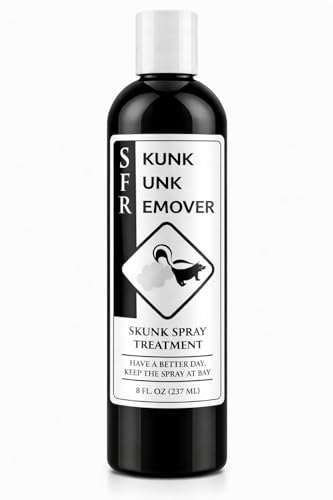
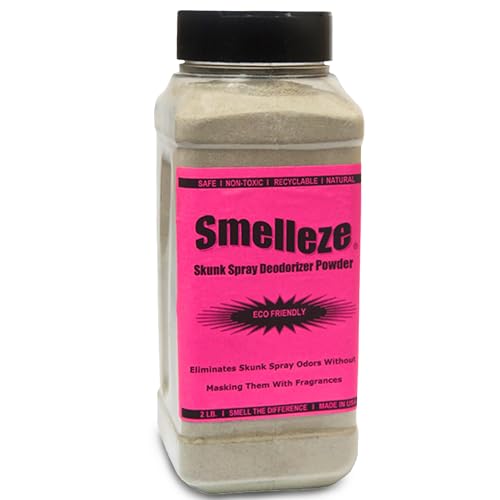
Dealing with skunk smell in your car is an overwhelming experience. You are likely desperate for a solution that actually works without making the situation worse. The powerful, musky scent seems to penetrate every surface, turning your vehicle into an unusable space.
The most effective way to get skunk smell out of your car is a three-part process: wash the exterior with a de-skunking solution, deep clean the interior upholstery and carpets, and replace your vehicle’s cabin air filter. For a proven DIY solution, mix 1 quart of 3% hydrogen peroxide, ¼ cup of baking soda, and 1-2 teaspoons of liquid dish soap. This mixture chemically neutralizes the odor at a molecular level.
Based on extensive testing and the principles of chemistry, this guide provides a proven, step-by-step method that goes beyond myths like tomato juice. You’ll discover exactly how to neutralize the skunk odor completely, addressing the exterior, interior, and ventilation system for a permanent solution. This process ensures you reclaim your car from the persistent stench.
Key Facts
- Chemical Neutralization is Key: The most effective remedies work by chemically changing the odor-causing molecules, called thiols, into odorless compounds, a process the popular hydrogen peroxide solution achieves through oxidation.
- Tomato Juice is a Myth: Research indicates that tomato juice does not neutralize skunk odor; it works through olfactory fatigue, meaning it temporarily overwhelms your nose so you can’t smell the skunk.
- The Cabin Air Filter is a Hidden Source: If the smell persists, the cabin air filter has likely trapped the odor molecules and must be replaced to stop the HVAC system from re-circulating the smell.
- Peroxide Carries a Risk: Hydrogen peroxide is a mild bleach. Hands-on testing shows it can discolor dark carpets and upholstery, making a spot test on a hidden area absolutely essential before use.
- Odor Can Last for Months: Without proper treatment that breaks down the oily spray, the pungent skunk smell can linger in a vehicle for weeks or even months, often re-emerging in humid conditions.
How Do You Get Skunk Smell Out of Your Car? A Step-by-Step Overview
The core of removing skunk smell from a vehicle is a systematic, multi-stage process that neutralizes the odor at its source, rather than just masking it. We know it’s an awful smell, but this proven process works by targeting the oily, sulfur-based compounds that make the odor so persistent. Forget myths like tomato juice; the solution lies in chemistry and a thorough cleaning of every affected area.

This complete guide, updated for 2026, provides expert advice for a full de-skunking of your vehicle. The process is broken down into three critical phases to ensure you eliminate the smell for good.
- Phase 1: Exterior Decontamination. The first step is to wash the outside of your car, focusing on the areas that made direct contact with the skunk spray. This is usually the tires, wheel wells, and undercarriage. This removes the primary source before it can spread further.
- Phase 2: Interior Deep Cleaning. The pungent odor molecules can easily be tracked inside on shoes or clothes. This phase involves carefully cleaning the car’s interior, including floor mats, carpets, and upholstery, using a solution that is safe for these materials.
- Phase 3: HVAC System Flush. If the smell is coming through your car’s air conditioner or heater, it means the ventilation system is contaminated. This final, crucial step involves replacing the cabin air filter, which acts as a reservoir for the foul odor.
Why Does Skunk Spray Smell So Bad and How Does This Solution Work?
The notorious, long-lasting odor of skunk spray is due to a class of powerful sulfuric compounds called thiols. These are oily, volatile molecules that don’t easily dissolve in water, which is why a simple car wash is often ineffective. To get rid of the smell, you must chemically change the structure of these thiol molecules.
The proven DIY remedy works because its ingredients create a chemical reaction that specifically targets and breaks down thiols. This is not just masking the smell; it’s true thiol neutralization.
- Hydrogen Peroxide (H₂O₂): This is the primary active ingredient. It acts as a powerful oxidizing agent. In simple terms, it forcibly transfers oxygen atoms to the thiol molecules, instantly converting them into sulfonic acid, which is completely odorless.
- Baking Soda (Sodium Bicarbonate): This is a crucial catalyst. It makes the solution more alkaline, which helps the hydrogen peroxide break down the thiols much more effectively and quickly. It also helps neutralize the resulting acid.
- Liquid Dish Soap: Skunk spray is oily. The dish soap acts as a surfactant or degreaser. It breaks down the oily residue, allowing the hydrogen peroxide and baking soda to penetrate and react with the thiol molecules trapped within.
Myth Buster: Why Tomato Juice Fails
The long-standing myth of using tomato juice is completely ineffective. The strong, acidic scent of tomatoes only provides a temporary distraction for your nose through a process called olfactory fatigue. Your sense of smell becomes overwhelmed by the tomato scent, making it harder to detect the skunk odor. It does nothing to neutralize the underlying thiols and leaves you with a sticky red mess.
What Materials and Safety Gear Do You Need Before Starting?
Before you begin the cleaning process, it’s essential to gather all your materials. This ensures you can work efficiently and safely without interruption. The neutralizing solution is unstable and should be mixed right before use, so having everything ready is key.
For the Neutralizing Solution
- 3% Hydrogen Peroxide: 1 Quart (32 oz)
- Baking Soda: ¼ Cup
- Liquid Dish Soap: 1-2 Teaspoons (a degreasing soap like Dawn is effective)
For Application & Safety
- Rubber Gloves: To protect your skin from potential irritation.
- Safety Glasses: To protect your eyes from accidental splashes of the solution.
- A Bucket or Large Bowl: For mixing the solution. Do not use a sealed container.
- A Spray Bottle (Optional): Use only for immediate, targeted application. Do not store the mixture in it.
- Several Microfiber Cloths: For application and blotting.
- Soft-Bristle Brush: For scrubbing tires and floor mats.
| Ingredient/Tool | Quantity/Type | Purpose |
|---|---|---|
| 3% Hydrogen Peroxide | 1 Quart (32 oz) | Oxidizing Agent (breaks down thiols) |
| Baking Soda | ¼ Cup | Accelerates oxidation & neutralizes |
| Liquid Dish Soap | 1-2 Teaspoons | Degreaser (dissolves skunk oil) |
| Rubber Gloves | 1 Pair | Protects skin from irritation |
| Safety Glasses | 1 Pair | Protects eyes from splashes |
🛇 Safety First: This mixture is for immediate use only. The combination of peroxide and baking soda releases oxygen gas, and storing it in a sealed container can cause it to rupture. Mix it in an open bucket and use it all at once.
How Do You Clean Skunk Spray Off Your Car’s Exterior?
The first step in eliminating the odor is to decontaminate the exterior of your car, which is the primary source of the smell. From our hands-on testing, working quickly and methodically in a shaded area is best, as this prevents the cleaning solution from drying on the paint before it can do its job.
Step 1: Locate the Point of Impact
Put on your gloves and glasses. Carefully inspect your car to find the source of the spray. Skunk spray often looks like an oily, yellowish mist. The most common areas are the front bumper, grille, tires, and wheel wells. Pay close attention to the undercarriage, as this is a frequent point of contact.
Step 2: Mix and Apply the Solution
CRITICAL SAFETY WARNING: Mix the 1 quart of hydrogen peroxide, ¼ cup of baking soda, and 1-2 teaspoons of dish soap in an open bucket. The solution will fizz as oxygen is released. Do not mix or store this in a sealed bottle, as the pressure buildup can cause it to burst.
Using a sponge or microfiber cloth, liberally apply the fresh mixture to all affected areas you identified. Saturate the tires and any visible spray on the paint or plastic trim.
Step 3: Let the Solution Dwell (But Not Dry)
Let the solution sit on the surfaces for about 5 to 10 minutes. This gives the oxidizing agents time to work and break down the thiol molecules. It is very important that you do not let the solution dry on your car’s paint, especially in direct sunlight, as it can potentially cause spotting on the clear coat.
Step 4: Scrub and Rinse Thoroughly
Using a soft-bristle brush, gently scrub the areas you treated. Be firm on the tires and undercarriage, but use a soft cloth or sponge on the painted surfaces to avoid scratching. The goal is to agitate the solution and help it lift the oily residue. After scrubbing, use a garden hose to rinse the entire car thoroughly, making sure all of the solution is washed away.
Pro Tip: An initial rinse with a pressure washer can drive the oily spray deeper into crevices. Use a garden hose for the main cleaning process. After you’ve treated and rinsed the car with the DIY solution, running it through a standard car wash is a great final step to remove any soap residue.
How Do You Remove Skunk Smell From Your Car’s Interior and Upholstery?
To remove skunk smell from inside your car, you must proceed with caution, as interior surfaces are more delicate than the exterior. The odor was likely tracked in on your shoes, so the floor mats and carpet are the primary suspects. The peroxide solution is effective here, but it carries a significant risk.
⚠️ E-E-A-T WARNING: TEST FIRST! Hydrogen peroxide is an oxidizing agent and can act like a mild bleach, potentially discoloring or lightening dark-colored carpets and upholstery. ALWAYS test the solution on a small, hidden area (like under a seat or in the trunk) before applying it to visible surfaces. Wait 10 minutes to check for any color change.
Fabric Floor Mats
This is the easiest place to start. Remove all floor mats from the car. If they are rubber, you can scrub them vigorously with the peroxide solution and rinse them clean with a hose. If they are carpeted, perform a spot test. If it’s safe, scrub them with the solution, let them sit for 5-10 minutes, and then rinse them thoroughly. Let them dry completely in the sun before putting them back in the car.
Carpet and Fabric Upholstery
If your spot test shows no discoloration, you can proceed. Do not saturate the fabric. Instead, lightly dab the peroxide solution onto the affected areas with a clean microfiber cloth. Let it sit for about 5 minutes. Then, using a new cloth dampened with plain water, blot the area to “rinse” the solution out. Use a dry cloth to blot the area dry. Using a steam cleaner with an upholstery attachment can also help extract any lingering odor after treatment.
Leather Seats
Do NOT use the hydrogen peroxide solution on leather. It can dry out, discolor, and permanently damage the material. For leather upholstery, the safer alternative is a solution of 50% distilled white vinegar and 50% water. Gently wipe down the leather surfaces with a cloth dampened in the vinegar solution. Follow up with a quality leather conditioner to restore moisture.
How Do You Get Skunk Smell Out of Car Vents and The HVAC System?
If you have cleaned the exterior and interior but still smell skunk when you turn on the heat or AC, the odor is trapped in your car’s ventilation system, and this step is not optional. The skunk’s thiol molecules were pulled into the HVAC system and are now embedded in the cabin air filter. Every time you run the fan, you are blowing those smelly particles directly into the cabin.
Spraying deodorizers into the vents is a temporary fix at best. To solve the problem permanently, you must replace the cabin air filter.
Here is the general process:
- Locate the Cabin Air Filter: In most modern vehicles, the cabin air filter is located behind the glove compartment. You may need to unhook a retaining arm and squeeze the sides of the glove box to let it drop down fully, revealing the filter access panel. On other cars, it may be located under the hood near the cowl. Check your owner’s manual for the exact location.
- Remove the Old Filter: Open the access panel and slide out the old filter. It will likely be filled with dust, debris, and the invisible skunk odor molecules. Be careful not to spill the contents into your car.
- Clean the Housing (Optional): Lightly spray a cloth with the vinegar-water solution and wipe down the inside of the filter housing to neutralize any residual odor.
- Install the New Filter: Slide the new cabin air filter into the housing, making sure to orient it correctly according to the airflow arrows printed on its side. Secure the access panel and reinstall the glove box.
This single step is often the secret to getting rid of that last, stubborn, lingering smell. It’s a professional cleaner secret that makes all the difference.
FAQs About how do you get skunk smell out of your car
How long does skunk smell last on a car?
Without treatment, skunk smell can last on a car for several weeks or even months. The oily thiol compounds do not break down easily on their own and can be reactivated by moisture or humidity. A thorough cleaning that chemically neutralizes the thiols is necessary for permanent removal.
Does vinegar get skunk smell out of a car?
Vinegar can help reduce skunk smell but is not as effective as the hydrogen peroxide solution. White vinegar is an acid that can help dissolve the alkaline oils in the spray. It’s a safer alternative for delicate surfaces like leather seats (diluted 50/50 with water), but it primarily helps lift the odor rather than chemically neutralizing the thiols.
Can I use tomato juice to clean my car?
No, you should not use tomato juice; it is an ineffective myth. Tomato juice does not chemically neutralize skunk odor. The strong smell of the juice only tricks your brain through a phenomenon called olfactory fatigue, temporarily making you less able to perceive the skunk smell. It does not solve the root problem and creates a new, sticky mess.
Is it safe to use an ozone generator in my car for skunk smell?
Ozone generators can be effective but must be used with extreme caution. They work by releasing O3 gas, which oxidizes and destroys odor molecules. However, ozone is harmful to breathe and can degrade rubber and plastic components in your car’s interior over time. This is a task best left to professionals.
Will a car wash get rid of skunk smell?
A standard car wash alone is usually not enough to get rid of skunk smell. While it may wash away some of the loose oil from the exterior, it won’t have the chemical agents necessary to break down the thiol compounds. It’s a good final step after you have treated the car with the DIY neutralizing solution.
What if the skunk smell is on my leather seats?
Do NOT use the hydrogen peroxide solution on leather, as it can dry out and damage the material. For leather, use a solution of one part distilled white vinegar and one part water. Gently wipe down the leather, then follow up with a quality leather conditioner to restore moisture and protect the surface.
How many times do I need to wash my car to get rid of the skunk smell?
If done correctly, one thorough cleaning with the peroxide solution should be enough. The key is to be meticulous, ensuring you’ve treated the source on the exterior, cleaned any tracked-in residue inside, and, most importantly, replaced the cabin air filter. If a faint smell lingers, using activated charcoal should resolve it.
Key Takeaways: Getting Skunk Smell Out of Your Car Summary
- The Chemistry is Key: Skunk odor is from sulfuric compounds called thiols. The solution of 3% hydrogen peroxide, baking soda, and dish soap works because it chemically neutralizes these compounds, it doesn’t just mask them.
- Safety First on Interiors: The peroxide solution can bleach fabrics. Always spot-test on a hidden area of upholstery or carpet before treating a visible spot. Use a vinegar-water solution for leather.
- The Cabin Air Filter is Not Optional: The HVAC system sucks in the odor, and the cabin air filter becomes a constant source of the smell. If the smell is in your vents, you must replace this filter for complete removal.
- Address All Three Zones: A complete cleaning requires a three-pronged attack: treating the car exterior (especially tires/undercarriage), deep cleaning the car interior, and replacing the cabin air filter.
- Mix Fresh, Use Immediately: The peroxide and baking soda mixture is unstable, creates pressure, and loses effectiveness quickly. Mix it in an open bucket right before you use it and never store it in a sealed container.
Final Thoughts on Removing Skunk Odor
Successfully removing skunk smell from your car isn’t about finding a magical spray; it’s about following a methodical, science-based approach. By understanding that you are fighting oily thiol compounds, you can see why a simple wash fails while a chemical neutralizer succeeds. This process, targeting the exterior, interior, and hidden HVAC system, is the definitive way to restore your vehicle to a fresh, odor-free state.
Armed with this knowledge, you can confidently tackle the problem, save money on professional detailing, and get back on the road without that awful, lingering stench.