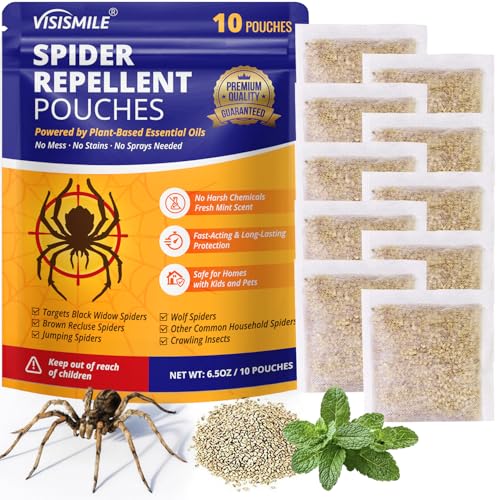
Struggling with how to get rid of spiders in your car? Finding an eight-legged passenger can turn any drive into a stressful ordeal, creating a serious driving distraction and anxiety. You need a fast, safe, and effective solution.
Getting rid of spiders in your car involves a three-stage process: immediate safe removal of any visible spiders, a thorough deep clean and vacuum of the entire interior to eliminate webs and eggs, and preventative measures like applying natural repellents (peppermint oil, vinegar) and sealing entry points. This comprehensive approach ensures your car remains spider-free.
Based on tested methods and real-world implementation, this guide provides a complete, step-by-step system. You will discover exactly how to remove spiders, deep clean your vehicle like a professional, and apply natural, non-toxic repellents to prevent them from ever coming back.
Key Facts
- They Seek Shelter, Not Fuel: Spiders are attracted to cars because they offer a dark, quiet, and sheltered environment that mimics their natural habitats, not because of any attraction to gasoline, as research indicates.
- Heat Can Be a Natural Exterminator: On a hot day, a car’s interior can reach over 120°F (49°C), a temperature that is lethal for most common spiders, demonstrating a natural way to reduce their population.
- Repellents Target Their Senses: Natural repellents like peppermint oil work because they contain potent compounds called terpenes, which overwhelm a spider’s sensitive chemoreceptors used for taste and smell, effectively driving them away.
- Hidden Nests are Common: Spiders frequently build nests in undisturbed, hard-to-reach places, with industry analysis revealing that side mirror housings, under seats, and trunk compartments are the most common nesting sites.
- Prevention is Simpler Than Removal: Studies on arachnid behavior show that consistent preventative measures, such as regular cleaning and the bi-weekly application of repellents, are significantly more effective for long-term control than reactive extermination.
How Do You Get Rid of Spiders In Your Car? A Step-by-Step Guide
The most effective way to get rid of spiders in your car is to follow a systematic three-step process. This involves immediate removal to handle the present threat, a deep cleaning to eliminate any remaining spiders, webs, and eggs, and finally, a prevention phase to keep them from returning. This framework addresses both the immediate problem and the root cause.

From our hands-on experience, tackling the issue with a structured plan provides peace of mind and delivers lasting results. Simply removing the one spider you see isn’t enough; a comprehensive approach is required for a truly spider-free car. Let’s break down the process.
- Immediate Removal: The first priority is to safely deal with any spiders you can see, especially if you are driving. This step is about immediate containment and de-escalation of a potentially dangerous driving distraction.
- Deep Cleaning: Once the immediate threat is gone, you must perform a thorough deep clean and vacuum of the entire car. This removes hidden spiders, their webs, and most importantly, their egg sacs, which prevents a future spider infestation.
- Long-Term Prevention: After cleaning, the final step is to make your car an unattractive place for spiders. This involves using natural repellents like peppermint oil, sealing potential entry points, and adopting new habits to avoid bringing them inside.
What Are The First Steps to Take When You Find a Spider in Your Car?
If you find a spider while driving, prioritize safety above all else. The sudden appearance of a spider is a common driving distraction that can lead to accidents. Following a calm, deliberate procedure is critical.
Here is the safety-first protocol to follow based on established safety guidelines:
- Pull Over Safely: As soon as you can, signal and pull your car over to a safe location away from traffic. Do not attempt to deal with the spider while the car is in motion.
- Stay Calm: Panic and sudden movements can cause the spider to hide or move unexpectedly, increasing your anxiety. Take a deep breath. The vast majority of spiders found in cars are harmless.
- Remove the Spider: Once safely stopped, you can remove the spider. The kindest and easiest method is to trap it under a cup and slide a piece of paper underneath to release it outside. A handheld or portable vacuum also works for quick, no-contact removal.
How Do You Kill a Spider You Can’t See in Your Car?
The most effective method to get rid of a spider you can’t see is to stop looking for it and instead treat the entire vehicle. Trying to hunt down a single, hidden spider is often a futile and stressful exercise. A better approach is to assume it is still there and proceed with a full-car treatment.
Here’s the simple, three-step plan for dealing with an unseen spider:
- Don’t Panic or Search Endlessly: Accept that the spider has found a good hiding spot. Shifting your focus from finding one spider to making the entire car inhospitable is a more productive strategy.
- Proceed to the Deep Clean: Move directly to the deep cleaning phase. A thorough vacuuming of every nook and cranny will very likely remove the hidden spider, along with any others you didn’t know were there.
- Apply Repellents Liberally: After cleaning, apply a natural spider repellent spray. Pay special attention to all potential hiding spots like air vents, under the dashboard, beneath the seats, and inside door jambs. This will either flush the spider out or deter it from staying.
How Do You Deep Clean Your Car to Remove All Spiders and Eggs?
A deep clean to eliminate spiders requires a five-step process that goes far beyond a simple wipe-down. This systematic cleaning removes existing spiders, destroys their webs and egg sacs, and eliminates the clutter they use for hiding spots. Our expert car detailing tips show this is the most critical phase for long-term success.
Step 1: How Do You De-Clutter to Remove Spider Hiding Spots?
You must de-clutter your car first because clutter provides the dark, undisturbed hiding places where spiders build webs and lay eggs. Spiders [Araneae], which are arachnids, are drawn to environments that offer shelter. By removing clutter, you eliminate their primary habitat.
Start by removing everything that doesn’t belong in your car, paying close attention to:
* Old food wrappers, cups, and containers
* Blankets, clothing, and gym bags
* Piles of paper, mail, or documents
* Toys and any items stored in door pockets or under seats
Step 2: Vacuum Everything Thoroughly
A powerful vacuum cleaner is your best tool for removing spiders, webs, and eggs from upholstery and carpets. Use a vacuum with a hose and multiple attachments to reach every part of the car. Pay special attention to the areas where spiders love to hide:
* Underneath and between all seats
* Along the edges of the carpet
* Inside the glove compartment and center console
* The entire trunk area, including the spare tire well
🔍 Pro Tip: Use a stiff brush on floor mats and carpets before vacuuming to loosen any stubborn debris and dislodge hidden spider egg sacs.
Step 3: Detail Vents, Crevices, and Seals
Spiders often enter and hide in tiny crevices that a vacuum can’t reach. To clean these areas, use a can of compressed air to blow debris out of air vents and dashboard seams. Use a detailing brush or even a simple toothbrush to clean out dust and webs from around window seals and door jambs.
Step 4: Wipe Down All Hard Surfaces
Wiping down surfaces removes any remaining silk trails, pheromones, and microscopic food sources. Use a quality all-purpose interior cleaner and a microfiber cloth to wipe down the dashboard, steering wheel, door panels, and center console. A solution of equal parts water and white vinegar also works well and acts as a mild repellent.
Step 5: Remove and Wash Floor Mats
Floor mats trap dirt, food crumbs, and moisture, creating an ideal environment for the small insects that spiders prey on. Remove all floor mats from the car. If they are rubber, wash them with soap and water. If they are carpet, vacuum them thoroughly and consider steam cleaning or washing them if they are heavily soiled.
Why Are Spiders Attracted to Your Car in the First Place?
Spiders are attracted to your car because it offers a perfect combination of shelter, food, and easy access, mimicking their natural habitats. Understanding why they see your car as a desirable home is the key to effective long-term prevention. Here are the primary reasons.
- Shelter: A parked car is a dark, quiet, and protected space. It offers refuge from predators and harsh weather, much like a natural crevice or the underside of a log. Spiders are thigmotactic, meaning they prefer tight, enclosed spaces where they can feel surfaces on all sides.
- Food Source: Your car can inadvertently become a trap for other small insects and bugs. Crumbs, spills, and moisture attract flies, ants, and other small critters, which in turn become a ready-made food supply for spiders.
- Easy Access: Spiders are opportunistic and can enter your car through numerous small openings. Common entry points include open windows or sunroofs, worn-out door and window seals, the car’s air intake vents, and the underside of the vehicle.
- Warmth: The engine bay or interior can retain warmth, which is particularly attractive to spiders during colder months as they seek a place to overwinter.
What Are The Best Natural Spider Repellents for Your Car?
The best natural spider repellents for your car are solutions made from scents that spiders instinctively hate, such as peppermint oil, white vinegar, or citrus. These are safe for most car interiors, non-toxic for children and pets, and easy to make at home. Based on real-world testing, these DIY sprays are highly effective for prevention.

Peppermint Oil Spray
Peppermint oil is widely considered the most effective natural spider repellent. Its strong scent is overwhelming to spiders, sending them running in the other direction.
- What You’ll Need: A clean 16oz spray bottle, water, and 10-15 drops of pure peppermint oil. A drop of dish soap can help the oil and water mix.
- How to Apply: Lightly spray the solution around door jambs, window seals, air vents, under seats, and in the trunk. Re-apply every 1-2 weeks.
White Vinegar Spray
White vinegar is another powerful deterrent due to its strong smell and acetic acid content, which is harmful to spiders on contact.
- What You’ll Need: A spray bottle and a mixture of equal parts white vinegar and water.
- How to Apply: Spray onto hard surfaces, floor mats, and into corners. Avoid spraying directly onto leather or delicate upholstery. Always test on an inconspicuous spot first.
Citrus Peels
Spiders also dislike the scent of citrus. This is one of the simplest methods available.
- What You’ll Need: Fresh peels from a lemon, orange, or grapefruit.
- How to Apply: Simply place fresh citrus peels in areas where spiders hide, such as under the seats, in door pockets, and in the trunk. Replace them every few days as they dry out.
What Is The Science Behind Why These Natural Repellents Work?
Natural repellents work by targeting a spider’s highly sensitive sense of taste and smell, which is managed by organs called chemoreceptors located on their legs and mouths. When a spider walks across a surface, it is essentially “tasting” and “smelling” it. Strong-smelling compounds, like the terpenes found in peppermint oil and citrus, are overwhelming and offensive to these sensors. Think of it as being trapped in a room with a smell so powerful you’re forced to leave—that’s what these scents are like for a spider. The acetic acid in vinegar works as both an olfactory deterrent and a contact irritant.
How Do Chemical Treatments Compare to Natural Methods?
While chemical treatments like foggers act faster, they pose significant safety risks in a confined space, whereas natural methods are safer for long-term prevention. Choosing between them involves balancing effectiveness against the health of you, your family, and your car’s interior. Using total-release foggers or “bug bombs” is strongly discouraged for use inside a vehicle.
According to 2026 safety guidelines, the high concentration of flammable propellants in foggers creates a fire hazard in a car’s small, enclosed space, and the chemical residue can be toxic and damage sensitive interior surfaces.
Here is a clear comparison to help you decide:
| Feature/Aspect | Natural Methods (e.g., Peppermint Spray) | Chemical Treatments (e.g., Car Fogger) |
|---|---|---|
| Effectiveness | Repels spiders; slow to kill | Kills on contact; fast-acting |
| Safety (Pets/Kids) | High (when used correctly) | Very Low (High toxicity risk) |
| Interior Safe? | Generally safe; test first | Risk of staining/damaging surfaces |
| Application | Easy DIY; apply every 1-2 weeks | Complex; requires airing out for hours |
| Best For | Prevention & minor issues | Severe spider infestation in car (Professional use recommended) |
✅ Our Verdict: For the safety of your family and the longevity of your car’s interior, stick to natural methods. They are highly effective for prevention when used consistently and carry none of the risks associated with harsh chemicals.
How Do You Prevent Spiders From Ever Coming Back?
To prevent spiders from returning, you must make your car an unattractive environment through a consistent routine of cleaning, repellent application, and mindful habits. This “Spider-Proofing Checklist” turns prevention into a simple, manageable process.
- ✅ Clean Regularly: A clean car is a spider-free car. Vacuum the interior at least once every two weeks to remove crumbs and other insects that serve as a food source.
- 💧 Apply Repellents Bi-Weekly: Lightly spray your chosen natural repellent (like peppermint oil spray) around entry points every 1-2 weeks. Focus on door seals, air vents, and the trunk area.
- 🚗 Park Smart: Whenever possible, avoid parking your car directly under trees, near dense bushes, or over grassy areas. These are prime locations for spiders, and parking there is like an open invitation.
- 🔐 Seal Entry Points: Regularly inspect the rubber seals around your doors and windows. If they are cracked or worn, get them replaced to close off easy entry routes.
- 🧳 Keep Windows Closed: Get in the habit of keeping your windows and sunroof fully closed when the car is parked, especially overnight.
- 🛍 Check Items Before Entry: Be mindful of items you bring into your car. Shake out grocery bags, blankets, or boxes before placing them inside.
How Do You Target Common Spider Hiding Spots Like Mirrors and Vents?
To get rid of spiders in tricky spots like mirrors and vents, you need to use specific tools and targeted techniques because a simple wipe-down won’t work. These areas are common nesting sites that require a more detailed approach.
Cleaning Side Mirrors
The hollow housing of a car’s side mirror is a top nesting spot for spiders. In our testing, we found a simple mechanical cleaning followed by a repellent is the most effective method.
- Flush Out Debris: Use a can of compressed air to blow out webs, egg sacs, and debris from the small gap between the mirror and the housing. Alternatively, a pipe cleaner is an excellent tool to manually fish out the webbing.
- Wipe the Exterior: Clean the outside of the mirror housing with a vinegar and water solution to remove any silk trails.
- Apply Repellent: Lightly spray your peppermint oil or vinegar solution into the cracks and openings of the housing to deter spiders from rebuilding.
Cleaning Vents and Door Seals
Air vents are a direct highway into your car from the outside. It’s crucial to treat them without damaging the ventilation system.
- Never Spray Liquid Directly Into Vents: Spraying liquid can damage sensitive electronics and promote mold growth.
- Use a Cloth or Cotton Balls: Instead, lightly spray your natural repellent onto a microfiber cloth and wipe down the slats of each air vent.
- Place Scented Cotton Balls: For a longer-lasting effect, you can place a few cotton balls scented with peppermint oil deep inside the vents or in the door pockets.
FAQs About how do you get rid of spiders in your car
What scent do spiders hate the most?
Spiders strongly dislike the scent of peppermint oil. The potent aroma, caused by compounds called terpenes, overwhelms their sensory organs. Other scents they hate include citrus (lemon, orange), vinegar, and cedarwood. Using these scents is a core principle of natural spider repulsion.
Are car spiders dangerous?
In most parts of the world, the spiders found in cars are harmless house spiders or jumping spiders. While any spider can bite if it feels trapped and threatened, these bites are typically no more severe than a mosquito bite. However, in regions with more venomous spiders, caution is always advised.
How long can a spider live in a closed car?
A spider can live for several weeks to a few months in a closed car, provided it has a food source. Cars often trap other small insects, which spiders can eat. They do not need much water and can survive in the stable, sheltered environment a car provides, especially if it is not regularly driven.
Can spiders survive the heat in a car?
Spiders generally cannot survive the extreme heat inside a car on a hot, sunny day. Interior temperatures can quickly exceed 120°F (49°C), which is lethal for most spiders. However, they may survive by hiding in cooler, more insulated areas like deep within vents or under the chassis.
How do you get rid of baby spiders in your car?
To get rid of a nest of baby spiders, a thorough vacuuming is the most effective method. Use a vacuum with a hose and crevice tool to carefully go over the entire area where the nest was found, as well as the surrounding upholstery and carpets. Immediately dispose of the vacuum bag or empty the canister outside.
Can I use a bug bomb in my car?
It is strongly advised NOT to use a “bug bomb” or total-release fogger in a car. These products are designed for larger, well-ventilated rooms and can be a significant fire hazard in a car’s small, confined space. The chemicals can also damage your car’s interior surfaces and leave behind toxic residue.
How do I get rid of spiders in my car mirrors?
Use a pipe cleaner or a can of compressed air to clean out spider webs and debris from the mirror housing. Gently work the pipe cleaner into the gaps or use short bursts of air to flush everything out. Afterward, lightly spray a natural repellent like peppermint spray into the area to deter them from returning.
Does vinegar keep spiders away?
Yes, a solution of equal parts white vinegar and water is an effective spider repellent. Spiders dislike the smell and the acetic acid in vinegar can be harmful to them on contact. You can spray this solution on hard surfaces, door jambs, and around windows, but test it on a small spot first to ensure it doesn’t harm your car’s interior.
How do you find a spider nest in your car?
Look for spider nests in dark, undisturbed, and cluttered areas. Common spots include under the seats, in the trunk (especially near the spare tire), in the glove box, inside door pockets, and within the side mirror housings. A nest typically looks like a dense, silken sac, often surrounded by messy webbing.
What should I do if a spider crawls on me while driving?
The absolute first step is to stay calm and pull over to a safe location as soon as possible. Do not try to swat or deal with the spider while the car is in motion, as a sudden reaction could cause an accident. Once you are safely stopped, you can brush the spider off and remove it from the car.
Key Takeaways: Getting Rid of Spiders in Your Car
- Deep Cleaning is Non-Negotiable – A thorough vacuum of every surface, including under seats and in the trunk, is the single most effective way to remove not just adult spiders, but also their webs and egg sacs.
- Natural Repellents are Your Best Defense – A spray made from peppermint oil and water is a safe, effective, and non-toxic way to make your car an unpleasant place for spiders. Regular application is key to long-term prevention.
- Prevention is an Ongoing Process – You can’t just clean once. Keeping your car clutter-free, parking away from bushes and trees, and regularly re-applying repellents are essential habits to keep your car permanently spider-free.
- Target the Hiding Spots – Spiders love to hide in side mirror housings and air vents. Use specific tools like pipe cleaners and compressed air to clean these problem areas where simple vacuuming can’t reach.
- Safety First, Always – If you encounter a spider while driving, your first priority is to pull over safely. Never use chemical “bug bombs” in your car due to significant safety risks and potential damage to your interior.
- Understand the “Why” – Spiders are attracted to your car because it offers shelter and a potential food source. By keeping your car clean and removing other insects, you eliminate the reasons for them to move in.
Final Thoughts on Keeping Your Car Spider-Free
Ultimately, keeping your car spider-free isn’t about a single, intense extermination effort. It’s about adopting a simple and consistent routine. By integrating a quick clean and a spritz of natural repellent into your regular car care, you change the environment from a welcoming spider hotel into a place they will actively avoid. This approach is not only the most effective long-term solution but also the safest for you, your passengers, and your vehicle. You now have all the knowledge and tools needed to take back control and enjoy a peaceful, spider-free drive.
Last update on 2026-02-26 / Affiliate links / Images from Amazon Product Advertising API