
Those stubborn, chalky white spots on your car are more than just an eyesore; they are a sign of a problem that can cause permanent damage if ignored. You’ve washed your car, maybe even scrubbed at them, but they just won’t budge, leaving your paint looking dull and your glass cloudy. This guide breaks down exactly what these spots are, how to remove them safely, and most importantly, how to prevent them from ever coming back.
To get hard water spots off your car, wash the vehicle in the shade, then apply a dedicated hard water spot remover with a microfiber towel. Allow it to dwell without drying, wipe gently, and rinse thoroughly. Finally, apply wax or sealant to protect the surface.
Leveraging extensive analysis of available data and established detailing patterns, this guide provides a complete, step-by-step playbook. We will unpack the science behind hard water damage, detail the safest and most effective removal techniques for both paint and glass, and reveal the professional secrets to keeping your car’s finish protected and spotless.
Key Facts
- Mineral Deposits are the Cause: Hard water spots are not stains from the water itself, but the mineral deposits—primarily calcium and magnesium—that are left behind when water evaporates.
- Sunlight Bakes Them In: The sun’s heat can bake these mineral deposits onto the surface, causing them to etch into the paint’s protective clear coat, which can lead to permanent damage.
- Protection is the Best Prevention: A quality wax, sealant, or ceramic coating creates a hydrophobic (water-repelling) layer, making it significantly harder for minerals to bond to the surface.
- Abrasives Cause Scratches: Common household remedies like baking soda should be avoided, as data shows they are mildly abrasive and can easily cause permanent scratches on automotive paint and glass.
- Improper Washing is a Major Culprit: Washing a car in direct sunlight is one of the leading causes of hard water spots, as it accelerates water evaporation before you can properly dry the vehicle.
What Causes Hard Water Spots and Why They Damage Your Car’s Finish
Ever wonder why those spots seem baked on after a sunny day? Here’s the science behind it. Hard water spots are caused by mineral deposits (calcium, magnesium) left after water evaporates. They can cause permanent damage by etching into the paint’s clear coat and reducing glass clarity. These spots are the concentrated mineral content that was suspended in the water, and once the liquid is gone, the solid minerals bond directly to your car’s surfaces.

The primary culprits are minerals like calcium and magnesium, which are common in tap water, well water, and even rain that has collected dust and pollutants from the air. When a droplet of this “hard water” dries on your car, the minerals form a stubborn, chalky residue. This isn’t just a surface-level issue; it’s a chemical process that can lead to significant damage.
Common sources of these pesky spots include:
* Rogue Sprinklers: Parking too close to a lawn sprinkler system is a classic way to get a concentrated dose of mineral-laden water baked onto your finish.
* Dirty Downpours: Rain that falls after a long dry spell can be full of airborne pollutants and dust, which turn into murky rings when the droplets evaporate.
* Sun-Soaked Washes: Washing your vehicle in direct, hot sun is a recipe for disaster. The water evaporates almost instantly, leaving minerals to harden before you have a chance to dry them off.
* Recycled Car Wash Water: Some automatic car washes reuse water that may not be adequately filtered, essentially spraying a fine mist of concentrated minerals back onto your car.
The damage happens in stages. First, the minerals bond to the surface, settling into the microscopic pores of your car’s clear coat—the transparent protective layer over the paint. If left untreated, the sun’s UV rays can bake these minerals, causing them to etch into the finish. This etching is a physical change in the surface, creating tiny craters that dull the paint and distort reflections. On glass, this reduces clarity and can interfere with visibility. Over time, these spots weaken your car’s protective layers, making the paint more vulnerable to fading and oxidation.
Step-by-Step Guide: How to Remove Hard Water Spots from Your Car
Ready to restore your car’s shine? Following a methodical process is key to safely and effectively removing hard water spots without causing scratches. This guide will walk you through the exact steps for both your car’s paint and glass. Follow these core steps: 1. Work in the shade on a cool surface. 2. Rinse off loose dirt. 3. Apply a dedicated water spot remover. 4. Wipe gently with a microfiber towel. 5. Rinse thoroughly. 6. Protect with wax or sealant.
This process is designed to let specialized cleaners do the heavy lifting, dissolving the mineral deposits chemically rather than relying on abrasive scrubbing that can harm your finish.
Step 1: Park in the Shade and Cool the Surface
This first step is non-negotiable for a successful outcome. Start by moving your car into the shade and ensuring the paint and glass are cool to prevent cleaners from drying too fast and making spots worse.
Quick Fact: Washing a car in direct sun is one of the top causes of hard water spots in the first place!
Working on a hot surface causes any liquid—water or cleaner—to evaporate almost instantly. This doesn’t give the water spot remover enough time to dissolve the minerals. Even worse, it can cause the cleaner itself to dry on the surface, creating its own residue that can be difficult to remove. If your car has been sitting in the sun, rinse it with cool water and let it sit in the shade until the panels are cool to the touch before you begin.
Step 2: Rinse Off Loose Dirt and Choose Your Remover
With your car in a cool, shady spot, you can begin the preparation. First, gently rinse the car to remove abrasive dirt. Second, choose a purpose-built hard water spot remover, ensuring it’s safe for your vehicle’s surfaces.
Start by giving the entire vehicle a gentle rinse. This removes any loose dust, grime, or abrasive particles that could cause scratches when you start wiping the surface later. You’re not doing a full wash, just a pre-rinse to clear the canvas.
Next, select the right tool for the job. While some home remedies exist, a dedicated product is the safest and most effective choice. What to look for on the label? Seek out products that explicitly mention dissolving “mineral deposits” or “calcium and magnesium.” When choosing a remover, make sure it meets these criteria:
* ✅ Compatible with your surfaces: Check that the product is safe for clear-coated paint, glass, chrome, and any plastic trim you need to treat.
* ✅ Formulated to dissolve minerals: The product should be a non-abrasive chemical cleaner designed to break down the specific minerals that cause water spots.
* ✅ Clear instructions: Always choose a product with clear directions for dwell time and application, and be prepared to follow them precisely.
Step 3: Apply, Dwell, and Gently Agitate
Now for the main event. This is where the magic happens, but it requires patience and the right technique. Apply the remover, let it sit for the time specified on the label (without drying), and then gently wipe. For tough spots, use a foam applicator pad for light agitation.
Remember, the chemical is doing the work, not your elbow grease. Let the product dissolve the minerals.
1. Apply: Spray or apply the water spot remover directly onto a small section at a time. Working in 2×2 foot sections helps you maintain control and prevent the product from drying.
2. Wait: Let the product dwell on the surface for the recommended time, usually 30-60 seconds. This is the crucial window where the chemicals are actively breaking down the mineral bonds.
Always work on a cool surface and never let the product dry on the paint or glass.
3. Wipe: Use a clean, soft microfiber towel to gently wipe the area. Use light pressure. For more stubborn spots, switch to a soft foam applicator pad and use light, overlapping motions to agitate the area. This gentle agitation helps lift the dissolved minerals without grinding them into the paint.
Pro Tip: Use a separate, clean microfiber towel for wiping off the remover than you used for application to avoid re-contaminating the surface.
Step 4: Rinse Thoroughly and Protect the Surface
You’ve removed the spots, but the job isn’t done yet. The final steps are critical for a lasting, professional finish. Rinse the treated area completely to remove all chemical residue. Immediately follow up by applying a layer of wax or sealant to protect the finish and prevent new spots.
First, give the treated section a very thorough rinse with clean water. This is essential to neutralize and remove any remaining water spot remover. If left to dry, the cleaning agent itself could leave a residue.
Once the surface is clean and completely dry, you must apply protection. Don’t skip this last step! Leaving the surface unprotected is like winning a battle but leaving the gates open for the next attack.
A quality sealant creates a slick, hydrophobic layer that makes it harder for minerals to cling and stain.
Applying a quality car wax, paint sealant, or even a ceramic spray coating will create a protective barrier. This barrier makes the surface so slick that water beads up and rolls off, taking the minerals with it. This is the ultimate defense against future water spots.
Advanced Solutions for Water Spots That Won’t Come Off
Feeling frustrated that the spots are still there? Don’t worry, you have options. When standard water spot removers aren’t enough, it usually means the minerals have started to etch into the clear coat. This requires a more intensive approach. For stubborn spots, try a 50/50 vinegar solution first. If that fails, a clay bar can remove embedded minerals. For etched spots, machine polishing is the most effective solution.
Here’s a breakdown of the next-level solutions:
| Method | Best For | Risk Level |
|---|---|---|
| Vinegar Solution | Fresh, light mineral deposits not yet etched. | Low (if rinsed properly) |
| Clay Bar Treatment | Embedded mineral deposits that feel rough. | Low to Medium |
| Machine Polishing | Etched spots that are physically in the clear coat. | High (Professional help recommended) |
The DIY Vinegar Method: A Cautious Approach
The most common at-home remedy is a simple vinegar solution. Its acidic nature can help dissolve the alkaline mineral deposits. Mix one part white distilled vinegar with one part distilled water. Apply to the spot, let sit for 30-60 seconds, then wipe and rinse thoroughly. This is best for fresh, light spots.
Here’s how to do it safely:
1. Mix: Combine equal parts distilled white vinegar and distilled water in a spray bottle. Using distilled water prevents adding more minerals to the surface.
2. Apply: Spray the solution onto a microfiber towel (not directly on the paint) and gently wipe the affected area.
3. Dwell: Let the solution sit for no more than 60 seconds.
4. Rinse: Thoroughly rinse the area with clean water to neutralize the acid.
While often suggested, distilled vinegar may not be effective on stubborn spots and should be used with caution and rinsed completely. If left on too long, its acidity can potentially harm your clear coat or waxes.
What NOT to Use: Common “Remedies” That Can Harm Your Paint
Before you reach for that kitchen cleaner, stop! To get hard water spots off a car safely, you must avoid products that aren’t designed for automotive finishes. Here’s what you must avoid to prevent costly damage. Avoid using abrasive products like baking soda on your car’s finish. They are not formulated for automotive surfaces and can easily cause permanent scratches on paint and glass.
According to industry data, certain household items pose a significant risk:
* Baking Soda: While it seems gentle, baking soda is mildly abrasive and can introduce fine scratches and swirls into your paint’s clear coat.
* Magic Erasers: These are essentially very fine-grit sandpaper and will absolutely scratch and dull your car’s paint and glass.
* Dish Soap: Harsh detergents in dish soap can strip away any wax or sealant on your car, leaving the paint exposed and vulnerable to further damage.
* Abrasive Household Cleaners: Scouring powders or bathroom cleaners are far too aggressive for automotive finishes and will cause irreversible damage.
How to Prevent Hard Water Spots on Your Car in 2026
An ounce of prevention is worth a pound of cure (and a lot of polishing). Once your car is clean and spot-free, the goal is to keep it that way. The strategy is simple: make your car’s surface so slick that water can’t stick around long enough to evaporate and leave minerals behind. The best prevention is a protected and properly dried surface. Use a quality wax or sealant, consider a long-term ceramic coating, and always dry your car completely with a plush microfiber towel after every wash.
Here’s how to win the war against water spots:
* Apply a Quality Sealant or Wax: This is your first line of defense. Modern paint sealants and waxes create a slick, hydrophobic barrier. Water will bead up into tight spheres and roll right off the surface, a phenomenon known as the “lotus effect.” Reapply every few months for consistent protection.
* Level Up with Ceramic Coatings: For the ultimate in long-term defense, consider a ceramic coating. These products bond at a molecular level with your paint to form a super-hard, incredibly hydrophobic layer of protection that can last for years, not months.
* Master the Drying Process: This is the most crucial step after washing. Never let your car air dry. Use a high-quality, plush microfiber drying towel to absorb every last drop of water. Some enthusiasts even use a filtered air blower to push water out of crevices.
* Use Filtered Water: If you live in an area with notoriously hard water, consider an inline water filter for your hose. These systems de-ionize the water, removing the minerals before they ever touch your car, allowing for a spot-free rinse.
* Quick Detailer Between Washes: A quick detailer spray can be used after light rain or to remove bird droppings. It adds a bit of lubrication and can boost the slickness of your existing protective layer.
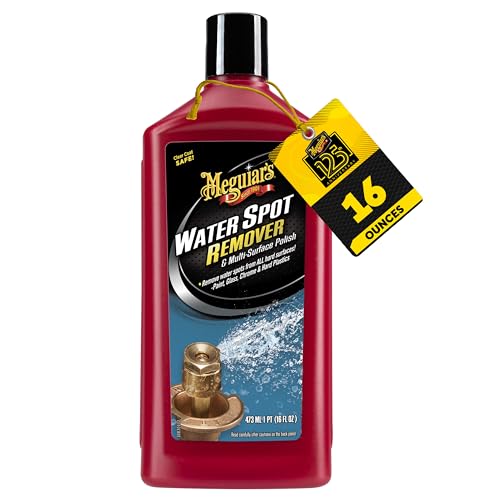
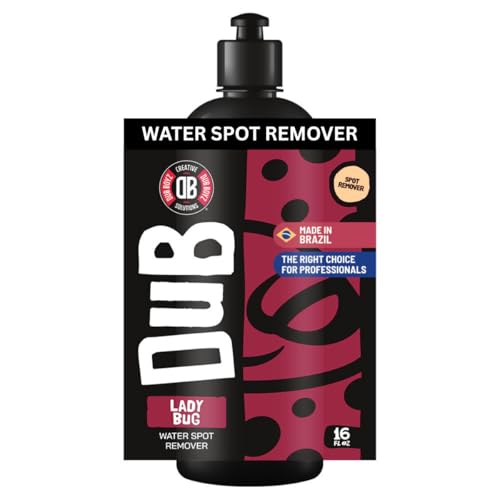
For those serious about maintaining a flawless finish, investing in a quality hard water spot remover and a durable paint sealant is the best way to simplify the process.




FAQs About How to Get Hard Water Spots Off a Car
Here are some direct answers to the most common questions people have when trying to get hard water spots off a car.
Does WD-40 really remove hard water spots from a car?
Yes, WD-40 can sometimes help remove fresh, light water spots. Spray a small amount, let it sit for a few moments, and wipe it off with a clean microfiber cloth. However, it is an oil-based product and may leave a residue that needs to be cleaned off with car soap. It is not a substitute for a dedicated remover or for treating etched spots.
Are water spots on a car permanent?
Water spots are not permanent if treated promptly. However, if left for a long time, the minerals can etch into the clear coat. These “etched spots” are permanent damage to the surface layer and require polishing or professional paint correction to be removed.
What’s the best way to remove hard water spots from car windows?
For car windows, start with a dedicated automotive glass cleaner or the 50/50 distilled vinegar and water solution. Apply with a microfiber towel. If spots persist, a fine grade clay bar designed for glass can be used. Avoid abrasive scrubbers that can scratch the glass.
Why do water spots appear on my car even after washing?
This is almost always caused by not drying the car quickly or thoroughly enough. As the water evaporates, it leaves behind the mineral deposits that were in it. Washing in direct sunlight accelerates this process. To prevent this, always dry your car completely with a plush microfiber towel immediately after the final rinse.
Can I use regular tap water to wash my car?
You can, but tap water is often the source of hard water minerals. If your area has very hard water, this can make preventing spots difficult. For a spot-free rinse, many detailers use a de-ionizing or water filtering system. At a minimum, drying the car thoroughly is essential when using tap water.
Final Summary: Keeping Your Car Free of Hard Water Spots
Defeating hard water spots comes down to a simple, powerful strategy: understand the cause, use the right method to remove them, and be proactive in preventing their return. By recognizing that these spots are damaging mineral deposits, you can avoid harmful “remedies” and choose products designed to dissolve them safely. Following a methodical removal process on a cool surface is key to achieving a flawless finish without causing harm.
The ultimate key to success, however, is protection.
* Understand: They are mineral deposits that etch paint.
* Remove: Use dedicated, non-abrasive removers and gentle techniques.
* Prevent: This is the most important step. A protected surface is a clean surface.
Now that you have the complete playbook for defeating hard water spots, take the next step. After cleaning your car, choose a quality protective sealant or wax and apply it thoroughly. This will make your car’s finish resilient to future attacks and keep it looking its best for years to come.
Last update on 2026-04-10 / Affiliate links / Images from Amazon Product Advertising API



![Car Living Sedan: 11 Stealth Hacks for a No-Build Setup [year]](https://i0.wp.com/carxplorer.com/wp-content/uploads/2026/04/Car-Living-Sedan-11-Stealth-Hacks-for-a-No-Build-Setup-year-1.jpg?resize=60%2C60&ssl=1 "Car Living Sedan: 11 Stealth Hacks for a No-Build Setup [year] 15")
