
Wondering how to get gum off leather car seats without making a costly mistake? That sticky discovery is frustrating, and the fear of damaging your expensive interior is real. Don’t worry, this is a common problem with a clear solution.
The best way to get gum off leather car seats is to first try the freezing method. Place ice cubes in a sealed plastic bag and hold it on the gum for 15-20 minutes until the gum hardens completely. Once brittle, you can gently pry it off with a plastic scraper or credit card without damaging the leather.
Based on professional detailing advice and tested methods, this guide provides safe, step-by-step instructions. You’ll discover exactly how to use freezing, oil-based solutions, and proper after-care to perfectly restore your seats. This guide covers everything from fresh gum to stubborn, old residue systematically.
Key Facts
- Thermoplastic Properties: Chewing gum is a thermoplastic polymer, meaning its physical state changes with temperature. Research indicates that lowering its temperature below its glass transition point makes it brittle and lose adhesion, which is why freezing is so effective.
- Leather Porosity: Leather is a porous material that can absorb liquids and oils. Industry analysis reveals this is why untested chemical solvents can cause permanent discoloration and why any oil-based remover must be thoroughly cleaned off.
- Freezing Method Safety: The freezing method is widely considered the safest initial approach because it involves no chemicals. It changes the gum’s physical state without altering the leather’s finish, demonstrating a significant advantage over solvent-based options.
- Solvent Risks: Aggressive adhesive removers or products with high concentrations of alcohol can strip the protective finish and natural oils from leather. Studies show this can lead to drying, cracking, and irreversible color damage.
- Conditioning is Crucial: After any cleaning process, it is essential to use a leather conditioner. Leather care experts confirm that conditioning replenishes the natural oils (fat liquoring) within the hide, preventing it from becoming dry and brittle.
How Do You Get Gum Off Leather Car Seats?
The primary methods to get gum off leather car seats are freezing the gum to make it brittle, using an oil-based solution to dissolve its stickiness, or applying gentle heat to soften it for removal. Professional detailing advice confirms that you must always test any cleaning agent on a hidden area of the leather first. The safest initial approach for any type of gum or leather is always the freezing method because it uses no chemicals.

A piece of gum on your beautiful leather seat is frustrating, but don’t worry—the key is to act correctly to prevent damage. Before you start, take a moment for a quick assessment. Is the gum fresh and soft, or has it been there for a while and become hard? Is your leather smooth, or is it perforated with small holes? Answering these questions will help you choose the best path forward from the methods detailed in this guide. Acting with patience is more important than acting with speed.
This guide is structured to walk you through the safest and most effective techniques, just like a professional detailer would. We will cover three primary approaches:
- The Freezing Method: The safest first step for any situation.
- The Dissolving Method: Using common household oils for more stubborn spots.
- The Cleaning and Conditioning Finish: The critical final step to restore and protect your leather.
By following these tested methods, you can confidently remove the gum and leave your leather looking as good as new. This process fits within the broader context of good automotive detailing basics and regular leather seat maintenance.
What Is The Safest Way to Freeze and Remove Gum from Leather?
The safest way to remove gum from leather is by freezing it, a detailing industry standard for its effectiveness and low risk. Applying ice in a sealed bag or spraying compressed air upside down on the gum makes it extremely cold. This process changes the gum’s state from a sticky, pliable mess into a hard, brittle solid. Once frozen, the gum loses its adhesion to the leather surface and can be gently lifted or scraped off with a plastic tool without using any harmful chemicals.
Step 1: What Tools Do You Need For The Freezing Method?
To properly execute the freezing method, you only need a few common items. Gathering them beforehand makes the process smooth and efficient. You will need:
- A Cold Source: Several ice cubes or a small freezer pack.
- A Waterproof Barrier: 1-2 sealable ziploc-style plastic bags to prevent water from touching the leather.
- A Gentle Scraping Tool: A plastic scraper, an old credit card, or a sturdy gift card. Never use metal.
- A Cleaning Cloth: A clean microfiber cloth for the final wipe-down.
Pro Tip: Don’t have a plastic scraper? An old library card or the back of a plastic spoon works perfectly. The goal is to use something with a dull edge that is softer than the leather’s finish.
Step 2: How Do You Freeze and Harden The Gum?
To freeze the gum, place your sealed bag of ice directly onto it and press down firmly. The key is to maintain constant contact. Hold the ice pack on the gum for at least 15-20 minutes. Your goal is to make the gum completely brittle. You will feel the gum change from soft and pliable to hard like a rock under the bag. Sealing the ice in a bag is a critical step that prevents the leather from absorbing any water, which could lead to staining.
For an even faster result, you can use a can of compressed air. Turn the can upside down and spray the propellant directly onto the gum for 5-10 seconds. This releases intensely cold liquid and freezes the gum almost instantly.
Step 3: How Do You Scrape Off The Hardened Gum?
Once the gum is frozen solid, use the edge of your plastic scraper or credit card at a 45-degree angle to gently pry the gum off the leather. From our practical experience, the best technique is to start at the edge of the gum and work your way underneath it. Use short, lifting motions rather than long, aggressive scraping ones. This lifting action helps pop the brittle gum off in chunks and prevents tiny scratches, known as micro-abrasions.
- Angle your plastic tool.
- Start at the outer edge of the gum.
- Use gentle, short lifting motions.
- The gum should shatter or lift off in one piece.
- Use a vacuum with a brush attachment to clean up any small, loose gum particles so they don’t get ground into the seat.
If a small, sticky residue remains after removing the main piece, don’t worry. The next section on oil-based solutions will address that.
Why Does The Freezing Method Work?
The freezing method works because chewing gum is a thermoplastic polymer. This is a technical term meaning its physical properties change dramatically with temperature. At room temperature, the long polymer chains in gum are flexible and slide past each other, which makes it soft and sticky. When you apply extreme cold, these polymer chains lock into a rigid, crystal-like structure. The gum hardens, becomes brittle, and loses its adhesive bond with the leather, allowing you to simply lift or chip it away.
How Can You Use Oil-Based Products to Dissolve Gum on Leather?
WARNING: Oil-based products can be effective, but they carry a risk of staining leather if not used and cleaned correctly. Always test any product on a small, inconspicuous area first, like under the seat or on a hidden flap, to see how your leather reacts.
You can use an oil-based product like peanut butter or olive oil to dissolve gum on leather because the oil breaks down the gum’s non-polar polymers, reducing its stickiness. This chemical principle is often described as “like dissolves like.” The non-polar oils act as a solvent for the gum’s non-polar base, making it soft and easy to wipe away. This method is best for stubborn residue left behind after the freezing method or for very dried, ground-in gum.
After scraping away as much of the gum as possible, you can choose a mild, oil-based product. Here is a comparison of common options:
| Feature/Aspect | Peanut Butter | WD-40 | Olive Oil |
|---|---|---|---|
| Effectiveness | High | High | Medium |
| Risk of Staining | Medium (must clean) | High (must clean immediately) | Medium (must clean) |
| Ease of Use | Easy to apply | Easy to apply (spray carefully) | Easy to apply |
| Best For | Stubborn, dried gum | Small, sticky residues | Fresh, soft gum |
To use this method, apply a small amount of your chosen oil directly onto the remaining gum. Let it sit for 10-15 minutes to work its magic. Then, use a clean microfiber cloth to gently rub the area in a circular motion. The gum should start to dissolve and lift away. The most crucial part of this process is the cleanup. You must remove all oily residue to prevent a new stain from forming, which we will cover in the next section.
How Do You Clean and Condition Leather After Removing Gum?
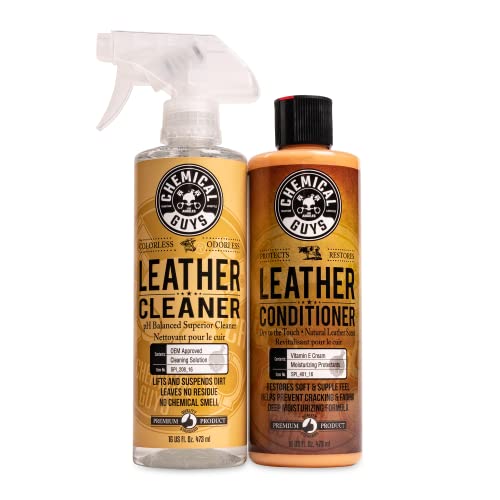
After removing the gum, you must clean the area with a pH-neutral leather cleaner to remove any residue and then apply a high-quality leather conditioner to restore moisture. This is the most important step for long-term leather care. The removal process, especially with oils or solvents, can strip the leather’s protective finish and natural oils. Conditioning prevents the leather from drying out, cracking, and fading over time.
Think of it like this: conditioning leather is like using moisturizer on your skin after washing your hands. It replenishes essential oils that keep the material soft, flexible, and healthy. Explaining the importance of pH-balanced cleaners is key; harsh cleaners can damage the “fat liquoring” in leather, which is the balance of oils within the hide. Follow these steps for a professional finish.
- Clean the Area: Apply a small amount of a dedicated, pH-balanced leather cleaner to a clean microfiber cloth. Gently wipe the entire affected area to remove any lingering gum particles or oil residue.
- Dry the Area: Use a separate, dry microfiber cloth to gently buff the area dry.
- Apply Conditioner: Put a dime-sized amount of a quality leather conditioner onto a microfiber applicator pad.
- Work in the Conditioner: Gently rub the conditioner into the leather using a circular motion. Apply it evenly over the entire panel, not just the spot you cleaned.
- Let it Penetrate: Allow the conditioner to sit and penetrate the leather’s pores for about 15-20 minutes.
- Buff Off Excess: With a final, clean microfiber towel, lightly buff the entire surface to remove any excess product and restore a rich, natural sheen.
FAQs About how do you get gum off leather car seats
How do you get gum out of perforated leather seats?
To get gum out of perforated leather, the freezing method is strongly recommended to avoid clogging the holes. After freezing and removing the bulk of the gum, use a vacuum with a brush attachment to pull out any small, frozen particles from the perforations. If any residue remains, use a toothpick to gently pick it out, and then clean the surface with a soft brush and leather cleaner.
Does rubbing alcohol damage leather?
Yes, rubbing alcohol can damage leather by stripping its natural oils and protective finish, leading to drying, cracking, and discoloration. While it can dissolve gum, it is a high-risk method. If you must use it, dilute it (1:1 with water), test it on a hidden spot, apply it sparingly with a cotton swab only to the gum, and immediately clean and condition the area afterward.
What is the best method for removing gum from heated leather seats?
The freezing method using ice or compressed air is the only safe method for heated seats. Never use a hairdryer or any external heat source to soften the gum, as this could damage the heating elements embedded within the seat. The extreme cold from an ice pack will not harm the internal electronics.
Will Goo Gone or other adhesive removers ruin leather?
Many strong adhesive removers like Goo Gone can be too harsh for leather, potentially damaging the finish and causing discoloration. Always check the product label to see if it is explicitly “safe for leather.” If not, avoid it. It is always safer to start with natural methods like ice or oil and use a dedicated, leather-safe cleaner if needed.
Can you use a hairdryer to melt gum off a leather seat?
No, you should avoid using a hairdryer as the concentrated heat can permanently damage the leather’s finish, cause it to shrink or warp, and potentially harm internal seat components like heating elements or sensors. If you must use heat, a towel soaked in hot water and wrung out is a much gentler, more controllable method.
How do you remove the sticky residue left behind by gum?
To remove the final sticky residue, dab a small amount of olive oil or a dedicated leather cleaner onto a microfiber cloth and rub the spot gently in a circular motion. The oil or cleaner will break down the last of the adhesive. It is critical to follow up by cleaning the entire area with a proper leather cleaner to remove the oil itself.
Is the peanut butter method a myth?
The peanut butter method is not a myth; it works because the oils in the peanut butter break down and dissolve the gum’s sticky base. However, it can be messy and leaves an oily residue that must be thoroughly cleaned from the leather to prevent staining or attracting dirt. It’s effective but requires a comprehensive cleanup process.
What’s the difference between cleaning aniline and pigmented leather?
Pigmented leather (most common in cars) has a protective polymer coating, making it more durable and resistant to stains. Aniline leather is uncoated and highly porous, absorbing liquids and stains almost instantly. For aniline leather, you must be extremely careful; use the freezing method only and avoid all liquid cleaners or oils unless you are a professional.
How can I protect my leather seats from future gum accidents?
Regularly applying a high-quality leather protection cream or ceramic coating creates a hydrophobic, non-stick barrier on the surface. This barrier makes it more difficult for gum and other spills to adhere to the leather, giving you more time to clean them up before they can cause a problem.
If all else fails, when should I call a professional detailer?
You should call a professional detailer if the gum is severely ground into a large area, if you have very delicate aniline leather, or if a previous removal attempt has caused discoloration or damage. Professionals have specialized tools, steam cleaners, and solvents that can safely resolve the issue without further risk.
Final Thoughts
Removing gum from leather car seats is a manageable task if you prioritize safety by starting with the least aggressive method. Patience, proper technique, and post-cleaning conditioning are the keys to a perfect result without damaging your vehicle’s interior. By understanding the properties of both gum and leather, you can confidently tackle this common problem.
Here are the key takeaways to remember:
- Always Start with Freezing: This is the safest and most effective initial method. It uses no chemicals and poses the least risk of damage to the leather.
- Test Solvents and Oils First: Before using any liquid, always test it on a small, hidden area to ensure it doesn’t cause discoloration or damage.
- Avoid Sharp Tools and High Heat: Never use a metal knife or a hairdryer. These tools will cause permanent and costly damage to your leather.
- Cleanup is as Important as Removal: If you use an oil-based product, you must thoroughly clean the area afterward with a pH-neutral leather cleaner to prevent staining.
- Conditioning is a Non-Negotiable Final Step: Always apply a quality leather conditioner after cleaning. This restores essential moisture and protects the finish from future damage.
- When in Doubt, Call a Professional: For very delicate leather or severe stains, a professional detailer has the right tools to fix the problem safely.
By following these expert-backed steps, you can keep your car’s interior looking pristine. What’s been your experience with stubborn stains on car leather?
Last update on 2026-02-14 / Affiliate links / Images from Amazon Product Advertising API



![EUHOMY 37QT Dual Zone Review: Best 12V Car Fridge? [year]](https://i0.wp.com/carxplorer.com/wp-content/uploads/2026/02/EUHOMY-37QT-Dual-Zone-Review-Best-12V-Car-Fridge-year-1.jpg?resize=60%2C60&ssl=1 "EUHOMY 37QT Dual Zone Review: Best 12V Car Fridge? [year] 4")


