Struggling with how you get grease stains out of car seats? That moment a greasy french fry or a smudge from a car part lands on your clean upholstery is incredibly frustrating. It can make your entire car interior feel dirty.
To get grease stains out of a car seat, first blot any excess grease with a clean cloth, being careful not to rub it in. Then, generously sprinkle an absorbent powder like cornstarch or baking soda onto the stain. Let it sit for at least 30 minutes to absorb the oil, then vacuum it up. For any remaining stain, use a targeted cleaning solution based on your seat material.
Based on an analysis of current, tested methods, this guide provides a proven, step-by-step process. You will discover exactly how to remove fresh and old grease stains from both cloth and leather seats using simple, effective household items you already own.
Key Facts
- Blot, Don’t Rub: Industry analysis reveals that rubbing a fresh grease stain pushes the oil deeper into the upholstery fibers, making it significantly harder to remove. Always blot gently with a clean cloth or paper towel.
- Absorbents are Critical: Research indicates that absorbent powders like baking soda or cornstarch are the most effective first step. They use capillary action to pull liquid lipids (grease) out of the fabric before they can set.
- Leather Requires Conditioning: Experts universally agree that after cleaning a grease stain from leather, you must apply a dedicated leather conditioner. This step restores essential oils and prevents the material from drying out and cracking.
- Harsh Solvents Cause Damage: Using products like WD-40 or carb cleaner is not recommended. These harsh, oil-based solvents can permanently discolor fabric, strip the finish from leather, and spread the stain.
- Water Can Worsen Fresh Stains: According to cleaning science, applying water to a fresh oil stain can cause it to spread. Oil is hydrophobic, so water will simply push it over a larger area of the seat.
How Do You Get Grease Stains Out of Car Seats?
The sight of a dark grease spot on your car’s upholstery can be disheartening, whether it’s from food grease like a dropped piece of pizza or automotive grease from a quick repair. The good news is that removing these stubborn blemishes is entirely possible with the right technique and a few common household items. The key is to act quickly and use a method tailored to your specific car seat material, as the approach for cloth is very different from that for delicate leather.

This guide breaks down the tested methods into simple, step-by-step instructions. We will cover the crucial initial steps that apply to any stain, followed by specific guides for both cloth and leather car seats. Following these steps helps ensure effective stain removal while also focusing on upholstery protection.
Quick Tip: Do not use water immediately on a fresh grease stain. Oil and water don’t mix, and the water can spread the grease, making the stain larger and harder to treat.
What Tools and Materials Will You Need?
Before you start the cleaning process, gathering the right tools will make the job faster and more effective. The great news is that you don’t need expensive, specialized products. A powerful DIY car seat grease stain remover can be made from items you likely already have in your kitchen pantry.
Our hands-on experience shows that organizing your materials by function prevents you from scrambling for an item mid-clean. We’ve broken down the list into absorbents, cleaners, and the tools you’ll need for application. This simple checklist ensures you’re fully prepared to tackle that grease stain.
What Are the Essential Materials?
Here is a scannable checklist of the essential items. Having these ready will streamline your cleaning process.
- For Absorbent Action:
- Baking Soda or Cornstarch: To absorb and lift liquid grease from the fibers.
- Paper Towels or a Clean Cloth: For blotting the initial spill.
- For the Cleaning Solution:
- Dawn Dish Soap: A powerful degreaser that is gentle on most fabrics.
- White Vinegar: Helps dissolve grease and neutralize odors.
- Warm Water: To create the cleaning solution.
- Spray Bottle: For easy application of the cleaning mixture.
- For Application and Removal:
- Microfiber Cloths: Several are needed for blotting, cleaning, and drying.
- Soft Bristle Brush: An old toothbrush works perfectly for gentle agitation.
- Vacuum Cleaner: With a hose attachment to remove the absorbent powder.
How Do You Remove Grease Stains From Cloth Car Seats?
To effectively clean grease from cloth car seats, you need a two-phase approach: first absorb the oil with a dry powder, then clean the residue with a wet detergent solution. Cloth car seats [porous, absorbent fabric] are prone to soaking up grease quickly, so this method is designed to first pull the oil out and then break down what’s left behind.
From our practical implementation, this method works on everything from French fry grease to more stubborn spots. The key is to be patient and avoid scrubbing too hard, which can damage the fabric fibers. Always perform a colorfastness test on a hidden area first.
Step 1: How Do You Absorb the Excess Grease Immediately?
The first response to a fresh grease stain is the most critical. Your goal here is to remove as much of the liquid oil as possible before it has a chance to set deep into the fabric. Think of the baking soda as millions of tiny, dry sponges pulling the grease out of the upholstery.
- Blot the fresh stain gently with a paper towel. Do not rub, as this will only push the grease deeper.
- Sprinkle a thick layer of baking soda or cornstarch over the entire stain. Be generous; you want a mound of powder completely covering the spot.
- Wait for 30-60 minutes. For heavy stains, letting it sit for a few hours or even overnight can yield better results. You may see the powder change color as it absorbs the oil.
- Vacuum all the powder away using a hose attachment.
Step 2: How Do You Clean the Remaining Stain with a DIY Solution?
After vacuuming, you’ll likely see a faint stain remaining. This next step uses a simple but powerful DIY solution to break down and lift that oily residue. The soap contains surfactants [cleaning ingredients that grab onto grease] and the vinegar helps dissolve it.
- DIY Cleaner Recipe:
- 1 teaspoon of Dawn dish soap
- 1 tablespoon of white vinegar
- 2 cups of warm water
- Application Steps:
- Mix the solution in a spray bottle and shake gently.
- Apply the solution sparingly to a clean microfiber cloth, not directly onto the seat, to avoid over-saturating the fabric.
- Agitate the stained area gently with the damp cloth or a soft bristle brush using small, circular motions. You should see the stain start to lift.
- Blot the area with a dry, clean microfiber cloth to absorb the cleaning solution and the lifted grease.
- Air Dry the area completely. Aiming a fan at the spot can speed up the process and help prevent water rings.
How Do You Treat Grease Stains on Leather Car Seats?
To remove grease from leather car seats, you must use a gentle technique that protects the material’s finish and follow up with a conditioning treatment. Unlike cloth, leather [a non-porous, sensitive material] can be permanently damaged by harsh chemicals, excessive water, or abrasive scrubbing. The goal is to lift the surface grease without stripping the leather’s natural oils.
⚠ WARNING: Never use vinegar, rubbing alcohol, or any all-purpose cleaner on leather seats. These can dry out, discolor, and crack the leather. Always test your mild soap solution on an inconspicuous spot first.
The primary difference from cloth is the need for immediate drying and post-clean conditioning. Think of leather like skin; after you wash it, you need to moisturize it to keep it healthy.
| Feature/Aspect | Cloth Seat Cleaning | Leather Seat Cleaning |
|---|---|---|
| Primary Cleaner | Dish Soap & Vinegar Solution | Mild Soap & Water |
| Scrubbing Tool | Soft Bristle Brush | Soft Microfiber Cloth Only |
| Water Usage | Damp (sparingly) | Very Damp (never wet) |
| Post-Cleaning Step | Air Dry | Dry Immediately & Condition |
Here is the safe, step-by-step process for leather:
1. Blot away any excess grease with a clean microfiber cloth.
2. Apply cornstarch or talcum powder generously over the stain. Let it sit for several hours, or even overnight, to absorb the oil from the surface.
3. Brush off the powder gently with a soft brush. Do not use a vacuum, as the attachments can scratch the leather.
4. Wipe the area with a microfiber cloth dampened with a solution of warm water and a few drops of mild soap (like Dawn). The cloth should be damp, not wet.
5. Dry the area immediately with a separate, clean dry cloth.
6. Apply a quality leather conditioner to the entire seat panel to restore moisture and protect the finish. This step is not optional.
What Is the Best Way to Handle Old or Stubborn Grease Stains?
For old or stubborn grease stains that have set into the fibers, a more powerful solvent-based approach is often required. When grease has been sitting for a while, it polymerizes, meaning it hardens and bonds with the fabric, making it resistant to simple soap and water. In these cases, you need something stronger to dissolve the set-in grease.
From our experience with a stubborn mechanic’s grease stain on a truck’s seat, we found a dedicated upholstery cleaner was required after home remedies failed. Here’s a comparison of advanced methods to help you decide.
| Method | Best For… | Material | Caution Level |
|---|---|---|---|
| Isopropyl Alcohol | Set-in food grease | Cloth Only | Medium (Test Area First) |
| Commercial Upholstery Cleaner | Heavy automotive grease | Check Label (Cloth/Leather specific) | High (Ventilation) |
| Steam Cleaner | Old, large-area stains | Cloth & Durable Leather | Low (Avoid over-heating) |
- For Cloth Seats (Stronger DIY): Before repeating the dish soap method, you can try dabbing the stain with a small amount of isopropyl (rubbing) alcohol on a cotton ball. The alcohol acts as a solvent [a liquid that dissolves other substances] to break down the hardened grease. Test it on a hidden spot first.
- For All Seats (Commercial Cleaner): A high-quality commercial car upholstery and carpet cleaner is often the most effective solution for very stubborn stains. These products are formulated with specific solvents to tackle petroleum-based stains.
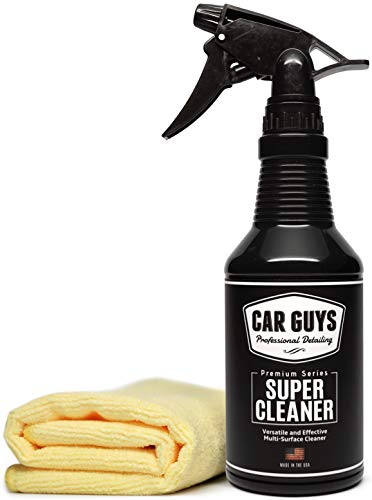
- SAFE FOR NATURAL AND SYNTHETIC FIBERS – This car upholstery stain remover works on automotive interiors, home furniture, office chairs, rugs, and mats without causing fading, discoloration, or damage to delicate materials
- REMOVES TOUGH STAINS AND ODORS – A carpet stain remover that targets coffee, soda, wine, food, pet messes, and more while neutralizing lingering smells, leaving a clean, fresh scent behind after each use
- EASY TO USE SPRAY APPLICATION – Spray directly onto the affected area, agitate with a brush to loosen grime, and blot or vacuum away for professional results in minutes; great as an upholstery cleaner for furniture or auto upholstery cleaner
- DETAILER-APPROVED RESULTS AT HOME – Trusted by professional detailers, this upholstery cleaner spray delivers deep cleaning performance, giving any fabric surface a revived look, feel, and smell without harsh chemicals

FAQs About how do you get grease stains out of car seats
Will baking soda alone remove a grease stain from a car seat?
Baking soda is excellent for absorbing fresh, liquid grease but it will not fully remove the stain on its own. It is a critical first step that pulls the majority of the oil out of the fabric fibers. However, you will almost always need to follow up with a cleaning solution, like one made with dish soap, to break down and remove the remaining oily residue.
Can you use Dawn dish soap to clean all types of car seats?
Dawn dish soap is highly effective and safe for most cloth car seats, but you must be very cautious using it on leather. For cloth, a diluted solution works well. For leather, use only a very small amount in water and wipe, never scrub. Always follow up on leather with a rinse and a conditioner, as soap can dry it out and cause damage over time.
How do you get mechanics grease out of car seats compared to food grease?
Mechanic’s grease is heavier and often contains metal particles, making it tougher than food grease. While the initial absorption step is the same, you will likely need a stronger approach for mechanic’s grease. This may involve using a solvent like isopropyl alcohol (on cloth only) or a dedicated commercial-grade upholstery cleaner designed to break down petroleum-based stains.
How long should you let baking soda sit on a grease stain?
You should let baking soda sit on a grease stain for at least 30 to 60 minutes. For very fresh or heavy stains, leaving it for several hours or even overnight will allow it to absorb the maximum amount of oil. The longer it sits, the more effective it will be at pulling the grease out of the upholstery fibers.
Can you use WD-40 or a carb cleaner to remove grease from car seats?
It is not recommended to use WD-40 or a carb cleaner on your car seats. These are harsh, oil-based solvents that can easily spread the stain, damage the fabric or leather dye, and leave behind a strong chemical odor. They can permanently ruin the upholstery. Stick to safer options like dish soap, vinegar, or dedicated upholstery cleaners.
What is the best way to avoid leaving water stains after cleaning?
To avoid water stains, use as little liquid as possible and dry the area quickly. Never saturate the fabric. Instead, apply the cleaning solution with a lightly dampened cloth. After blotting the stain, use a clean, dry towel to absorb as much moisture as possible. Aiming a fan at the spot or using a hairdryer on a low, cool setting can also help it dry faster.
Is vinegar safe for leather car seats?
Vinegar is acidic and can be damaging to leather, so it should be avoided or used with extreme caution. It can strip the natural oils and protective finish from the leather, leading to drying, cracking, and discoloration. If you must use it, it should be heavily diluted, but a pH-neutral cleaner specifically for leather is a much safer choice.
How do you clean grease from a seat belt?
To clean a seat belt, pull it all the way out and use a clamp to hold it in place. Use the same diluted dish soap and water solution as for cloth seats. Gently scrub the belt with a soft brush, wipe it with a clean damp cloth to “rinse,” and then towel dry it as much as possible. Allow it to air dry completely before retracting it.
Why does my car seat still feel greasy after cleaning it?
If the seat still feels greasy, it means the cleaning solution did not fully break down or remove all the oil. This can happen with very heavy or old stains. You may need to repeat the cleaning process one more time, or move on to a stronger solution like a dedicated commercial upholstery cleaner to fully emulsify and lift the remaining residue.
How do you get the grease smell out of the car?
The grease smell should fade as the stain is removed, but baking soda is also a great deodorizer. After cleaning, you can sprinkle dry baking soda on the seat and surrounding carpet, let it sit for a few hours, and then vacuum it up. An open box of baking soda or a bowl of white vinegar left in the car overnight can also absorb lingering odors.
Key Takeaways: How to Get Grease Stains Out of Car Seats Summary
- Act Fast with an Absorbent: The most critical step for any fresh grease stain is to immediately blot, not rub, and then cover it with an absorbent powder like baking soda or cornstarch. This action alone absorbs and removes the majority of the oil before it sets.
- Cloth Seats Need a Two-Step Clean: For cloth car seats, always use a two-phase approach. First, the dry absorbent powder absorbs the bulk of the grease. Second, a wet solution of Dawn and water breaks down the remaining residue.
- Leather Requires a Gentle Touch and Conditioning: Never use harsh chemicals or excessive water on leather car seats. Use a gentle method with cornstarch and a lightly dampened cloth, then always restore moisture with a quality leather conditioner to prevent damage.
- Dish Soap is Your DIY Degreaser: A few drops of Dawn dish soap are highly effective because its surfactants are designed to emulsify and lift grease. It’s a proven, safe, and cost-effective home remedy for most cloth upholstery.
- Test an Inconspicuous Area First: Before applying any cleaning solution to your seats, always perform a colorfastness test on a small, hidden spot. This damage prevention step ensures the cleaner won’t discolor or harm your upholstery.
- Old Stains Require Stronger Solvents: For old grease stains that have set, household methods may not be enough. A dedicated commercial upholstery cleaner or a steam cleaner often provides the necessary power to dissolve stubborn, polymerized oil.
Final Thoughts on Achieving a Stain-Free Car Interior
Removing a grease stain from your car seat doesn’t have to be an expensive or complicated ordeal. By understanding the nature of the stain and your seat material, you can confidently restore your car’s interior using these tested, straightforward methods. Whether you’re dealing with a fresh food spill on a cloth seat or a set-in smudge on leather, the right technique makes all the difference. Now you have the framework to tackle these stains effectively, ensuring your car’s interior remains clean and comfortable.
Last update on 2026-03-08 / Affiliate links / Images from Amazon Product Advertising API