
Discovering a blood stain on your car seat can be alarming, but it doesn’t have to be a permanent problem. The key is to act quickly and use the right techniques to prevent the stain from setting into the fabric. Whether you’re dealing with a fresh spot or a dried, stubborn stain, this guide provides the exact steps to restore your upholstery.
To successfully get blood out of a car seat, you must act fast by gently blotting the area with a clean cloth and cold water. For tougher stains, use a cleaning solution appropriate for your seat’s material—like a baking soda paste for cloth or a dedicated cleaner for leather—and always rinse and dry the area thoroughly afterward.
Leveraging an analysis of established cleaning principles for protein-based stains, this guide unpacks the proven methods you need. We’ll cover the crucial first actions, the best cleaning solutions for different materials, a specific strategy for dried blood, and the final steps to ensure your car seat is not only clean but also hygienic.
Key Facts
- Heat is the Enemy: Blood is a protein-based stain. According to cleaning experts, applying hot water or heat will “cook” the protein, causing it to coagulate and bind permanently to the fabric fibers.
- Immediate Action is Crucial: The success rate for removing a blood stain is significantly higher when it’s fresh. Prompt blotting can remove a majority of the blood before it has a chance to soak in and dry.
- Material Dictates Method: Not all car seats are the same. Using a cleaner designed for cloth on a leather seat can cause discoloration and cracking, making it essential to identify your upholstery type first.
- Blotting Lifts, Rubbing Spreads: The physical act of rubbing a fresh blood stain can push the liquid deeper and wider into the seat’s padding. Gentle blotting, in contrast, uses absorption to lift the stain out of the fibers.
- Disinfection is a Safety Step: Beyond the visible stain, blood can contain bacteria. Professional cleaning resources emphasize that the final step should always be to disinfect the area with a fabric-safe solution to ensure it is hygienically clean.
First Actions: What to Do Immediately When You Find a Blood Stain
The most crucial first step for a blood stain on a car seat is to act quickly. Gently blot the area with a clean cloth and cold water; never use hot water as it will set the protein-based stain. Taking the right action within the first few minutes can make the difference between a simple cleanup and a permanent mark. As recommended by professional cleaners, these immediate steps are universal for preventing a stain from setting.

- Stay Calm and Grab Your Tools: Don’t panic. Grab a clean, dry cloth (or paper towels) and a bottle of cold water.
- Blot, Don’t Rub: Gently press the cloth onto the fresh stain. This action will absorb the excess blood. Lift the cloth and use a clean section to blot again. Repeat until you are no longer lifting any blood. Rubbing will only spread the stain and push it deeper into the upholstery fibers.
- Use Cold Water Only: Lightly dampen a separate clean cloth with cold water and continue to blot the stain. The cold water helps dilute the remaining blood and prevents the proteins from setting. Avoid soaking the seat, as too much moisture can lead to mildew in the cushion.
- Work from the Outside In: When blotting, start at the outer edge of the stain and work your way toward the center. This technique prevents the stain from spreading outwards and becoming larger.
Pro Tip: Use a white cloth for blotting so you can clearly see how much blood you’re lifting from the car seat. This helps you know when the blotting is no longer effective and it’s time to move on to a cleaning solution.
Step 1: Assess The Upholstery Material
Identify if your seat is cloth, leather, or vinyl. This determines which cleaning methods are safe to use. Before you apply any cleaning solution, understanding the material of your car seat is critical to prevent accidental damage, discoloration, or cracking.
Unsure of the material? Check your car’s manual or a hidden spot under the seat – it’s better to be safe than sorry.
- Cloth: This is the most common material. It feels like typical fabric, is porous, and will absorb liquids quickly. Stains can soak in deep if not treated promptly.
- Leather: Has a smooth, slightly glossy finish. It is less porous than cloth but can still stain. Harsh chemicals can strip its natural oils, leading to dryness and cracks.
- Vinyl: Often mistaken for leather, vinyl is a synthetic plastic material. It feels smoother and more uniform than leather and is non-porous, making it the easiest to clean.
Caution: Always test any cleaning solution on a small, inconspicuous area of the car seat first (like the underside or a side panel) to ensure it doesn’t cause any discoloration or damage. This is a best practice followed by all professional detailers.
Step 2: Blot The Stain to Remove Excess Blood
Gently press a clean, absorbent cloth onto the stain, lifting straight up. This removes excess blood without spreading the stain. This step is purely about removal, not cleaning. The more excess liquid you can absorb before applying a cleaning solution, the easier the overall process will be.
Quick Fact: Blotting works by pulling liquid up and out of the fibers through capillary action, while rubbing just pushes it further down and sideways, embedding the stain deeper into the seat’s padding.
- Use a clean, dry cloth or paper towel. An absorbent material is key.
- Press firmly but gently. Apply steady pressure for a few seconds to allow the cloth to absorb the liquid.
- Lift, don’t wipe. Pull the cloth straight up to avoid smearing the blood.
- Rotate the cloth. Use a fresh, clean section of the cloth for each blot to maximize absorption.
Step 3: Choose and Apply the Right Cleaning Solution
Select a cleaning solution based on your car’s upholstery: use gentle options like soap or salt water for most fabrics, baking soda or hydrogen peroxide for stubborn stains on cloth, and a dedicated cleaner for leather. The effectiveness of your cleaning effort depends entirely on using the right tool for the job. These methods are based on widely-accepted cleaning principles for breaking down protein stains without harming your car’s interior.
| Solution | Best For (Fabric Type) | How to Mix & Apply | Caution |
|---|---|---|---|
| Cold Water & Mild Soap | Cloth, Vinyl | Mix a few drops of dish soap (like Dawn) or laundry detergent in a cup of cold water. Apply sparingly with a cloth, blot, and rinse with a water-dampened cloth. | Excellent first choice. Ensure all soap residue is rinsed to avoid attracting dirt. |
| Saltwater Paste | Cloth | Mix two teaspoons of salt with a cup of cold water. Apply with a cloth, working from the outside in. The mild abrasiveness helps lift the stain. Let sit for a few minutes, then blot away. | Very effective on fresh stains. The salt also helps dehydrate and lift the blood. |
| Baking Soda Paste | Cloth | Mix two parts baking soda to one part cold water to form a paste. Apply to the stain and let it sit for up to 30 minutes. Gently brush with a toothbrush, then wipe clean. | Great for lifting stubborn stains. The paste pulls the stain out as it dries. |
| Hydrogen Peroxide (3%) | Light-Colored Cloth, Vinyl | Apply a small amount directly to the stain. Let it fizz for 30-60 seconds, then blot immediately with a clean cloth. Rinse the area thoroughly with cold water. | HIGH CAUTION. Can have a bleaching effect. ALWAYS test on a hidden spot. Do NOT use on dark fabrics or leather. |
| Leather Cleaner | Leather | Apply a dedicated leather cleaner according to the product’s instructions. Use a microfiber cloth for gentle application. | Never use abrasive or solvent-based cleaners on leather. Always follow up with a leather conditioner to restore moisture. |
For a helpful visual demonstration of some of these techniques, you can watch this video:
Step 4: A Detailed Guide to Removing Dried Blood Stains
For dried blood, the key is to rehydrate the stain. Apply your chosen solution, let it soak for at least 30 minutes, then gently scrub with a soft brush to loosen the stain before blotting clean. Dried blood has already bonded with the fabric fibers, making it much more stubborn than a fresh stain. Patience is your most important tool here. Think of it like dried mud on a shoe – you need to moisten it first to loosen its grip before you can clean it off.
- Scrape Away Excess: If there is any raised, crusted material, gently scrape it off with the edge of a plastic card or a dull knife. Be careful not to snag the fabric.
- Apply Solution and Soak: Liberally apply your chosen cleaning solution (a saltwater or baking soda solution works well here). Ensure the entire dried stain is saturated.
- Wait and Rehydrate: This is the most important part. Let the solution soak into the stain for at least 30 to 60 minutes. This gives it time to break down the hardened proteins.
> Soaking is Key: Don’t rush this step. The longer you allow the solution to rehydrate the stain, the more effectively it will loosen its bond with the upholstery, making the next steps much easier. - Gently Agitate: Use a soft-bristled toothbrush to gently scrub the area in a circular motion. This agitation helps lift the rehydrated blood particles from the fabric weaves.
- Blot and Rinse: Use a clean, damp cloth to blot the area repeatedly, lifting both the cleaning solution and the loosened stain. Follow up by blotting with a cloth dampened with only cold water to rinse.
Step 5: Post-Cleaning Care: Rinsing, Drying, and Disinfecting
Thoroughly rinse the cleaned area with a damp cloth to remove all solution residue. Blot dry and allow the seat to air dry completely. Finish by applying a fabric-safe disinfectant for hygiene. Removing the stain is only part of the job. Proper post-cleaning care prevents soap residue from attracting more dirt, stops mold and mildew from growing, and ensures the area is sanitary. This final phase is a non-negotiable part of the process for health and safety.
- Rinse Completely: Dampen a fresh microfiber cloth with plain cold water and repeatedly blot the cleaned area. This “rinsing” step is crucial for removing any leftover soap or cleaning solution, which can leave a stiff residue if left to dry.
- Dry Thoroughly: Press a dry towel firmly onto the wet spot to absorb as much moisture as possible. Then, allow the car seat to air dry completely. Open the car doors or windows to improve air circulation and speed up the drying process.
- Disinfect for Safety: Once the seat is completely dry, lightly mist the area with a fabric-safe disinfectant or a diluted solution of rubbing alcohol. This step is vital for killing any lingering bacteria. For leather seats, use a disinfectant specifically formulated for leather.
Pro Tip: Point a fan at the wet spot or park your car in a sunny, well-ventilated area to speed up drying and prevent any musty smells from developing in the seat cushion.
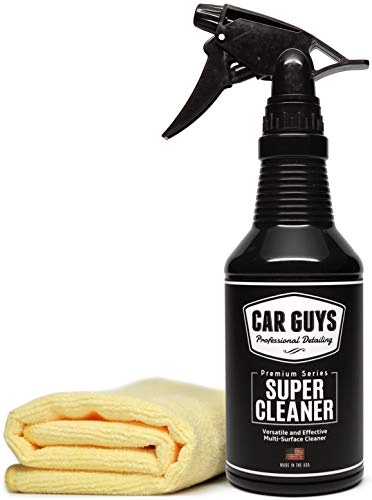
To make the cleaning process even more effective, having the right tools on hand is essential. Specialized upholstery cleaners and soft-bristle brushes can make a significant difference, especially on stubborn or dried-on stains.



FAQs About Getting Blood Out of Car Seats
How do you get period blood out of a car seat?
The process to get period blood out of a car seat is exactly the same as for any other type of blood. The stain is still protein-based, so the key principles apply: act quickly, use cold water, blot instead of rubbing, and choose a cleaning solution appropriate for your upholstery. A baking soda paste or a solution with mild detergent and cold water is highly effective.
Does Dawn dish soap work well for removing blood stains?
Yes, a mild dish soap like Dawn is an excellent tool for removing blood stains. Its grease-fighting properties help break down the components of the stain. Mix a few drops with a cup of cold water, apply it with a cloth, and gently blot the stain. Be sure to rinse the area thoroughly with a water-dampened cloth to remove all soap residue.
Can hydrogen peroxide bleach or damage my car seats?
Yes, it is possible. Hydrogen peroxide has bleaching properties that can lighten or discolor fabrics, especially dark-colored upholstery. It should never be used on leather. If you choose to use it on a light-colored cloth or vinyl seat, you must test it on a hidden, inconspicuous area first to see how the fabric reacts.
What should I do if the blood stain won’t come out?
If a blood stain remains after your first attempt, don’t give up. Stubborn or older stains may require a second or third treatment. Simply repeat the cleaning steps, perhaps allowing the cleaning solution to soak for a longer period. If the stain persists after multiple tries, it may be time to consult a professional auto detailer who has access to commercial-grade equipment and chemicals.
Is it better to use a steam cleaner for blood stains?
A steam cleaner should be used with caution. The high heat from a steam cleaner can permanently set a fresh blood stain, making it impossible to remove. However, for an old, dried stain that has already been treated and cleaned, a steam cleaner can be effective for a final deep clean to lift any remaining residue and sanitize the area.
Final Summary: Key Takeaways for a Stain-Free Car Seat
You are now equipped with the right techniques and knowledge to confidently tackle even the most daunting blood stain on your car seat. The process is straightforward when you remember the fundamental rules of chemistry and technique. By staying calm and following these steps, you can effectively restore your car’s interior.
Remember these critical rules for success:
- Act Fast & Blot First: The moment you spot the stain, blot with a dry cloth to absorb as much as possible before it sets.
- Always Use Cold Water: Heat is the number one enemy of a protein stain. Cold water is your best friend for diluting and removing blood without setting it.
- Match the Cleaner to the Material: Use gentle soap, salt, or baking soda for cloth, and a dedicated cleaner and conditioner for leather to prevent damage.
- Test Cleaners on a Hidden Spot: A quick 30-second test on an unseen area can save you from a much larger problem of discoloration.
- Rinse, Dry, and Disinfect: A complete job includes removing all cleaning residue, drying the seat completely to prevent mildew, and disinfecting for a hygienic finish.
You’re now equipped with the right techniques to tackle that stain. Take a deep breath and get to work
Last update on 2026-04-12 / Affiliate links / Images from Amazon Product Advertising API


![NovaKits Starlink Mini Mount Review [year]: Worth It?](https://i0.wp.com/carxplorer.com/wp-content/uploads/2026/04/NovaKits-Starlink-Mini-Mount-Review-year-Worth-It-2.webp?resize=60%2C60&ssl=1 "NovaKits Starlink Mini Mount Review [year]: Worth It? 9")


