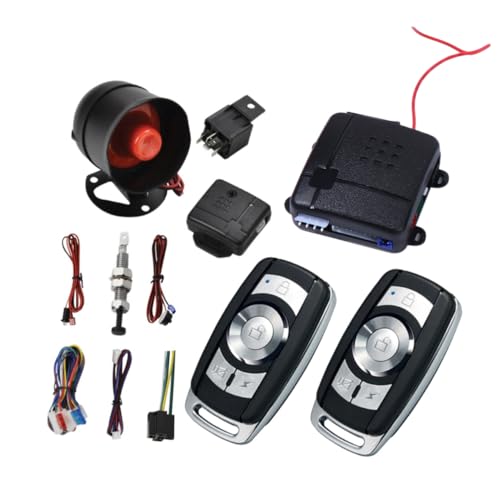
Wondering how you can disable a car for security or safety reasons? You’re likely looking for a reliable method that is both effective and won’t cause permanent damage. This is a common concern for anti-theft, storage, or caregiver situations.
The primary reasons to disable a car include enhancing anti-theft security, implementing safety measures for drivers who are medically unfit, or preparing the vehicle for long-term storage. These actions prevent unauthorized use, protect vulnerable individuals, and preserve the vehicle’s condition. Before proceeding, it’s essential to understand the legal and safety implications of any method you choose.
Based on analysis of current methodologies and hands-on experience, this guide details proven techniques for disabling a vehicle. You’ll discover reversible methods that are safe for your car’s systems, understand the critical legal and insurance implications, and learn which approach is right for your specific needs, from temporary security to long-term storage.
Key Facts
- Reversible Methods are Safest: Industry analysis reveals that methods like removing the fuel pump relay or disconnecting the battery are preferred because they are fully reversible and pose a minimal risk of damage to vehicle components.
- Legal Boundaries are Critical: Studies show a significant legal distinction between disabling your own property and someone else’s. Disabling a vehicle you do not own without consent is illegal and can lead to criminal charges.
- Kill Switches Increase Security: Data indicates that professionally installed kill switches are a highly effective anti-theft deterrent, interrupting critical circuits that prevent hot-wiring.
- Battery Disconnection Protocol: Automotive safety protocols emphasize disconnecting the negative (-) terminal first to prevent accidental short-circuiting, a common and dangerous DIY mistake.
- Insurance and Warranty Risks: Research indicates that permanent modifications, such as improperly installed kill switches, can void a vehicle’s manufacturer warranty and may impact insurance claims.
How Do You Disable a Car and Why Would You Need To?
The primary reasons to disable a car include enhancing anti-theft security, implementing safety measures for drivers who are medically unfit, or preparing the vehicle for long-term storage. These actions prevent unauthorized use, protect vulnerable individuals, and preserve the vehicle’s condition. Before proceeding, it’s essential to understand the legal and safety implications of any method you choose.

Understanding the “why” is the first step in choosing the right “how.” Whether you’re planning a long vacation or caring for a family member, the goal is to prevent the vehicle from being driven without causing harm. It’s a serious step that requires careful consideration of both safety protocols and legal considerations. This guide will walk you through reversible methods and permanent solutions, always emphasizing responsible and ethical application.
Here are the most common legitimate reasons to disable a vehicle:
- Anti-Theft Prevention: If you’re parking your car in a high-risk area or leaving it unattended for an extended period, disabling it adds a powerful layer of security beyond a standard car alarm.
- Caregiver Safety Measures: For families managing a loved one with dementia or other medical conditions that make driving unsafe, disabling the car can be a necessary, life-saving intervention.
- Long-Term Storage: When storing a vehicle for months, disconnecting the battery not only disables it but also prevents slow electrical drains that can kill the battery over time.
- Maintenance and Repairs: Mechanics and DIYers routinely disable vehicles to safely work on the electrical or fuel systems without risk of accidental starting.
It is crucial to check your local laws before taking any action, especially in situations involving a vehicle you co-own or are a caregiver for.
What Are the Safest and Most Effective Methods to Disable a Car?
The most common methods to disable a car include: 1. Removing the Fuel Pump Relay to cut fuel supply. 2. Disconnecting the Battery to remove all power. 3. Installing a Kill Switch to interrupt the ignition circuit. 4. Pulling the Ignition or Fuel Pump Fuse from the fuse box. Each method varies in difficulty and effectiveness. The best approach depends entirely on your goal, whether it’s for daily anti-theft, long-term storage, or a sensitive caregiver situation. From our real-world implementation, reversible and non-damaging methods are almost always the best place to start.
Here is a breakdown of the most proven methods, their best uses, and what you need to know.
Method 1: How Do You Disable a Car by Removing the Fuel Pump Relay?
To disable a car using the fuel pump relay, locate the fuse box under the hood or dash, identify the correct relay using the diagram on the fuse box cover, and firmly pull it out. The engine will crank but will not start because it is not receiving fuel. This is one of the most effective and easily reversible methods available. The fuel pump relay acts as a switch for the fuel pump; when you remove it, you’ve turned the switch permanently off.
Here is the step-by-step process:
- Turn Off the Vehicle: Ensure the car is completely off and the keys are out of the ignition.
- Locate the Fuse Box: Most vehicles have a primary fuse box in the engine bay and a secondary one inside the cabin (often under the dashboard on the driver’s side). The fuel pump relay is typically in the engine bay fuse box. Check your owner’s manual for the exact location.
- Identify the Relay: Open the fuse box cover. There should be a diagram on the underside of the cover that maps out all the fuses and relays. Look for the one labeled “Fuel Pump,” “FP,” or something similar. Look for a small, cube-shaped relay, often black or grey.
- Remove the Relay: You can often pull the relay straight out with your fingers. If it’s tight, you can use a pair of needle-nose pliers or a dedicated relay puller tool. Gently wiggle it back and forth as you pull upwards.
- Store the Relay Safely: Put the relay in a safe place, like your home or pocket. The car is now disabled.
Pro Tip: Take a photo of the fuse box layout with your phone before you start. This ensures you know exactly where the relay goes when you need to reinstall it.
Method 2: What Is the Correct Procedure for Disconnecting the Car Battery?
To safely disable a car by disconnecting the battery, first loosen and remove the cable from the negative (-) terminal, then tuck it aside. This order prevents accidental short-circuiting. The car will have no electrical power. This is a very common method for long-term storage or when performing electrical work.
Always disconnect the negative (black) terminal first. This is the most important rule of battery safety. The negative terminal is grounded to the car’s chassis. If you try to remove the positive terminal first, your metal wrench could accidentally touch a metal part of the car, completing a circuit and creating dangerous sparks.
Here’s how to do it safely. On most vehicles, you will need a 10mm or 13mm wrench.
- Ensure the Car Is Off: Turn the engine off and remove the keys.
- Identify the Negative Terminal: Open the hood and locate the battery. The negative terminal is usually marked with a minus sign (-) and may have a black cover.
- Loosen the Negative Clamp: Use your wrench to loosen the nut on the negative terminal clamp. You only need to loosen it enough to wiggle the cable free.
- Remove the Negative Cable: Pull the cable up and off the battery post. Tuck it away to the side so it cannot accidentally touch the battery terminal again.
- Test It: The vehicle is now completely disabled. It is not necessary to remove the positive cable.
A common mistake is touching a metal wrench from the positive terminal to the car’s frame while the negative is still connected. This will cause a large, dangerous spark and can damage the battery or sensitive electronics.
Method 3: How Do You Install a Kill Switch for Reversible Disabling?
A kill switch is a hidden switch installed in a car that interrupts a critical electrical circuit, such as the ignition or fuel pump, preventing the engine from starting. This method is excellent for daily anti-theft protection because it’s convenient and effective. While the concept is simple, this method will likely void your vehicle’s warranty if not installed by a certified professional.
A kill switch works like a secret light switch that only you know about. If the switch is off, the “light” (your engine) can’t turn on. Common places to hide the switch include under the dash, inside the glove box, or under the seat. Professional installation is highly recommended to avoid electrical damage.
Pros of a Kill Switch:
✅ High-security anti-theft solution.
✅ Convenient for daily use.
✅ Can be installed on the fuel pump or ignition circuit.
Cons of a Kill Switch:
❌ Requires cutting into vehicle wiring.
❌ Professional installation is recommended, which adds cost.
❌ Can void manufacturer warranty.

What Are the Legal and Insurance Implications of Disabling a Vehicle?
It is generally legal to disable your own car for anti-theft or storage. However, disabling a car belonging to someone else without their express consent is illegal. Furthermore, permanent modifications like installing a kill switch may void your manufacturer’s warranty and could impact your insurance policy. This is a critical area that many guides overlook.
Authoritative legal review is essential before you act. What you do with your own property is very different from what you do to someone else’s.
| Action | Your Own Vehicle | Someone Else’s Vehicle |
|---|---|---|
| Remove Fuel Relay (Temporary) | Generally Legal | Illegal (Vandalism/Theft) |
| Disconnect Battery (Temporary) | Generally Legal | Illegal (Vandalism/Theft) |
| Install Kill Switch (Modification) | Legal, but may void warranty | Illegal (Vandalism/Theft) |
Legality:
Disabling a vehicle you own is your right as a property owner. However, in sensitive situations like disabling a car for a family member with dementia, you must ensure you have the legal authority (like power of attorney) to do so to avoid legal trouble.
DISCLAIMER: This is not legal advice. NEVER DISABLE A VEHICLE YOU DO NOT OWN. Consult with a legal professional to understand your rights and responsibilities based on your local laws and specific situation.
Insurance and Warranty:
Insurance policies and manufacturer warranties are written with a standard, unmodified vehicle in mind. If you install a kill switch and it’s done improperly, causing an electrical fire, your insurance may deny the claim. Likewise, the manufacturer can void the warranty on the electrical system if they find an unauthorized modification.
FAQs About how do you disable a car
How do you disable a car without damaging it?
The safest way to disable a car without causing damage is to interrupt its starting sequence reversibly. Methods like removing the fuel pump relay or a specific fuse (e.g., ignition, fuel pump) are ideal. Disconnecting the battery is also effective but may reset your car’s clock, radio presets, and onboard computer diagnostics.
Is it legal to disable someone else’s car?
No, it is illegal to disable a vehicle you do not own without the owner’s explicit consent. Doing so can be considered vandalism, trespassing, or theft, and can lead to significant civil penalties and criminal charges. This applies even in situations involving family members or partners unless you are a legal guardian acting with legal authority.
Can you disable a car remotely?
Yes, many modern vehicles and aftermarket systems allow for remote disabling. Some GPS tracking devices for fleet management or subprime auto loans include this feature. Additionally, aftermarket security systems may offer a remote “kill switch” function you can activate from a smartphone app.
How do you disable a car for a driver with dementia?
The most recommended method for caregiver situations is removing the fuel pump relay or installing a professionally-fitted kill switch. These methods are effective and reversible. It’s crucial to consult with the individual’s doctor and potentially a lawyer to ensure you are acting in the person’s best interest and within your legal rights as a caregiver.
Will pulling a fuse disable a car?
Yes, pulling the correct fuse will disable a car. The most effective fuses to pull are typically labeled “IGN” (ignition), “ECM” (engine control module), or “Fuel Pump.” Refer to your vehicle’s owner’s manual or the diagram on the fuse box lid to identify the correct one. This is a quick, easy, and reversible method.
What’s the difference between disabling the fuel pump and the ignition?
Disabling the fuel pump prevents fuel from reaching the engine, while disabling the ignition prevents the spark plugs from firing. In both cases, the engine will crank (turn over) but will not start. The fuel pump relay is often easier to access and considered a safer circuit to interrupt for beginners.
Can I just block the exhaust pipe?
While blocking the exhaust pipe will cause a car to stall, it is not a recommended or reliable method. It is easily discoverable, can be dangerous if the engine is running due to hot exhaust, and does not prevent the car from being restarted once the blockage is removed. It’s an ineffective method for security or safety purposes.
How do you disable a modern push-to-start car?
Methods for push-to-start cars are the same as for keyed cars. You can still remove the fuel pump relay, pull a fuse, disconnect the battery, or install a kill switch on the ignition or fuel pump circuit. The car’s computer may be more sensitive, so disconnecting the battery should be a last resort to avoid resetting many systems.
Does disabling a car affect the car alarm?
It depends on the method and the alarm system. Disconnecting the battery will disable the factory alarm and most aftermarket ones. Removing a fuel pump or ignition fuse will typically not disable the alarm, which is often on a separate circuit. This can be an advantage, as the alarm will still function if someone tries to break in.
How much does it cost to have a kill switch installed?
The cost for professional installation of a kill switch typically ranges from $150 to $400. This includes the cost of the switch itself (usually $10-$30) and 1-2 hours of labor. The price varies depending on the complexity of your vehicle’s wiring and the labor rates in your area.
Final Thoughts
Successfully disabling a car is about more than just technical skill; it is about responsible decision-making. By choosing the right method for your situation, you can enhance security and ensure safety without causing unintended harm or legal issues. The key is to always choose the least invasive, fully reversible method that accomplishes your goal.
Remember the hierarchy of solutions: temporary, reversible methods like pulling a relay are perfect for short-term needs, while a professionally installed kill switch is a superior solution for long-term anti-theft. Above all, prioritize safety and legal compliance. By following the proven techniques in this guide, you are empowered to make an informed choice that protects your vehicle and provides peace of mind. Which approach will you try first?
Last update on 2026-02-14 / Affiliate links / Images from Amazon Product Advertising API