
Struggling to get water spots off your car? You’re not alone; those chalky circles can ruin the look of a perfectly clean vehicle. This happens when mineral-rich water evaporates, leaving stubborn deposits behind.
Water spots on a car are the leftover mineral deposits (like calcium and magnesium) that remain on your vehicle’s paint or glass after water evaporates.. These spots can be simple surface stains from hard water or become etched into the clear coat over time, requiring different removal methods depending on their severity.
Based on detailed analysis of proven detailing methodologies, this guide provides a systematic approach. You will discover exactly how to identify the severity of your water spots. This ensures you use the right technique, from simple DIY solutions to advanced polishing, without damaging your car’s finish.
Key Facts
- The Cause is Minerals: Water spots are primarily composed of calcium and magnesium carbonates left behind after hard water evaporates from your car’s surface, demonstrating that the problem isn’t dirt, but mineral deposits.
- Etching is a Chemical Reaction: If not removed promptly, acidic contaminants in water spots can chemically react with your car’s paint, creating permanent, concave “etched” marks in the clear coat that require polishing to remove.
- Vinegar is an Effective First Step: A simple solution of 50% white vinegar and 50% distilled water is highly effective on light (Type 1) spots, as the acetic acid safely dissolves the alkaline mineral deposits.
- Glass Requires a Different Approach: Stubborn water spots on car glass can often be safely removed with #0000 (ultra-fine) steel wool and a glass cleaner for lubrication, a method not safe for paint.
- Prevention is Key: Industry analysis reveals the most effective long-term solution is prevention, which includes thorough drying after every wash and applying a hydrophobic wax or sealant to stop water from sitting on the surface.
How Do I Get Water Spots Off My Car?
That frustrating moment when your freshly cleaned car is covered in chalky circles is a common problem for vehicle owners. Water spots on a car are mineral deposits, primarily calcium and magnesium, left behind after water droplets evaporate from the surface. These are not just dried dirt; they are the residue from hard water, which contains a high concentration of minerals. If left untreated, these deposits can bond to and even etch into your car’s protective clear coat, causing damage that is much harder to fix.

According to detailing experts, understanding the cause is the first step to a solution. The primary sources of these frustrating blemishes are:
* Hard Water: This is the most common culprit, originating from sprinklers or washing your car with untreated tap water. As the H2O evaporates, the minerals cling to the paint.
* Acid Rain: Rainwater collects pollutants from the atmosphere, becoming slightly acidic. When this water evaporates, it leaves behind a corrosive residue that can quickly etch the surface.
* Automatic Car Washes: Some car washes use recycled or hard water without a proper spot-free rinse or adequate drying, leaving mineral-laden droplets on your vehicle.
Did You Know? Acid rain can have a pH level between 4.2 and 4.4, making it significantly more acidic than normal rain (pH 5.6). This acidity accelerates the etching process on your car’s clear coat. Do you know what kind of water is in your area? Answering this can help you create a better prevention strategy.
Why Is It Critical to Identify the Type of Water Spot First?
Identifying the type of water spot is crucial because using a method that is too aggressive for a light spot can damage the paint, while a method that is too weak for a severe spot will be ineffective. A one-size-fits-all approach is a common mistake that can lead to frustration or costly repairs. Based on hands-on testing, water spots fall into three main categories, each requiring a specific removal strategy.
This diagnostic approach empowers you to act like a professional detailer, choosing the right tool for the job every time. Think of it as a doctor diagnosing an ailment before prescribing medicine; it ensures the treatment is both safe and effective.
| Water Spot Type | Visual Appearance | How It Feels | Required Removal Method |
|---|---|---|---|
| Type 1: Mineral Deposits | Light, chalky outlines on the surface. Often look like dust. | Smooth or slightly gritty. Can sometimes be felt with a fingernail. | Quick Detailer or Vinegar Solution |
| Type 2: Bonded Minerals | More defined, semi-translucent rings. Don’t wipe away easily. | A noticeable texture that catches on a microfiber towel. | Clay Bar or Chemical Water Spot Remover |
| Type 3: Etched Spots | A visible, concave ring or crater that is physically lower than the surrounding paint. Visible even when wet. | Feels like a slight indentation in the paint. The surface is no longer smooth. | Polishing or Compounding |
Pro Tip: To test for etching, spray the area with a quick detailer spray. If the spot disappears when wet but reappears when it dries, it’s likely a Type 1 or Type 2. If you can still see the ring or crater when the surface is wet, it’s an etched spot (Type 3).
How Do You Remove Light Water Spots (Type 1) Using a Vinegar Solution?
For fresh or light water spots, a simple DIY solution made from white vinegar and distilled water is a proven strategy. The acetic acid in vinegar is perfect for dissolving the alkaline mineral deposits (calcium and magnesium) that form Type 1 spots. This method is the safest and most cost-effective starting point.
Before you begin, gather these simple items to ensure a safe and effective process.
What You’ll Need:
* White Vinegar
* Distilled Water (to prevent adding more minerals)
* An empty spray bottle
* Two clean, soft microfiber towels
Here’s the step-by-step process our hands-on testing shows is most effective.
- Create the Solution: Mix a 1:1 solution of white vinegar and distilled water in your spray bottle. For a first attempt or on sensitive paint, you can start with a more diluted 1:3 ratio (one part vinegar to three parts water).
- Work in a Shaded Area: Ensure the car’s surface is cool to the touch. Never perform this on a hot panel or in direct sunlight.
- Spray and Dwell: Lightly spray the solution onto a small section (e.g., a 2’x2′ area) covered in water spots.
- Let It Work: Allow the solution to sit on the surface for 30-60 seconds. This “dwell time” gives the acid a chance to break down and dissolve the mineral deposits. Do not let the solution dry on the paint.
- Gently Wipe: Using your first clean microfiber towel, gently wipe the area. You should see the spots disappear.
- Neutralize the Area: This is a critical step. To stop the acid from affecting your paint, rinse the area thoroughly with plain water or a quick detailer spray.
- Dry Completely: Use your second, dry microfiber towel to completely dry the panel, ensuring no new spots can form.
⚠ Safety Warning: Never spray vinegar on a hot panel or in direct sunlight. The heat can cause the solution to evaporate too quickly, concentrating the acid and potentially causing more damage to your clear coat than the original water spot. If spots remain after this process, they are likely Type 2 and require a more robust method.
What Is the Best Way to Remove Stubborn, Bonded Water Spots (Type 2)?
For stubborn, bonded water spots that feel gritty and don’t come off with vinegar, the two best methods are using a clay bar or applying a dedicated chemical water spot remover. A clay bar works mechanically by shearing off contaminants, while a chemical remover uses a mild acid to dissolve them. Choosing between them depends on the situation and your comfort level.
This direct comparison highlights the distinct advantages of each approach, helping you make an informed decision.
| Feature | Clay Bar Decontamination | Chemical Water Spot Remover |
|---|---|---|
| Mechanism | Mechanical (Abrasive) | Chemical (Acidic Dissolution) |
| Best For | Gritty, textured contamination over a large area. | Concentrated, heavy mineral stains in a specific area. |
| Effort Level | Medium to High (Requires kneading and rubbing) | Low to Medium (Apply, dwell, wipe) |
| Risk | Low (Risk of light marring if not lubricated) | Medium (Risk of etching if left on too long) |
| Also Removes | Tree sap, overspray, industrial fallout. | Only removes mineral deposits. |

Option 1: Using a Clay Bar
A clay bar is an engineered resin compound used to decontaminate a paint surface. As you glide it across the lubricated paint, it grabs and pulls out anything sticking up from the surface, including bonded minerals.
Pro Tip: Cut your clay bar into three smaller pieces. If you accidentally drop a piece on the ground, you can throw it away without contaminating and wasting the entire bar.
- Start Clean: Wash and dry the vehicle to remove loose dirt.
- Lubricate: Spray a generous amount of clay lubricant or a quick detailer spray onto a small (2’x2′) section.
- Glide the Clay: Gently glide the clay bar back and forth over the lubricated area with light pressure. You’ll hear and feel the bar picking up contaminants. Continue until the surface feels perfectly smooth.
- Wipe and Inspect: Wipe the area with a clean microfiber towel and check your work.
- Knead the Clay: Fold the clay bar over and knead it to a clean surface as it gets dirty.
Option 2: Using a Chemical Water Spot Remover
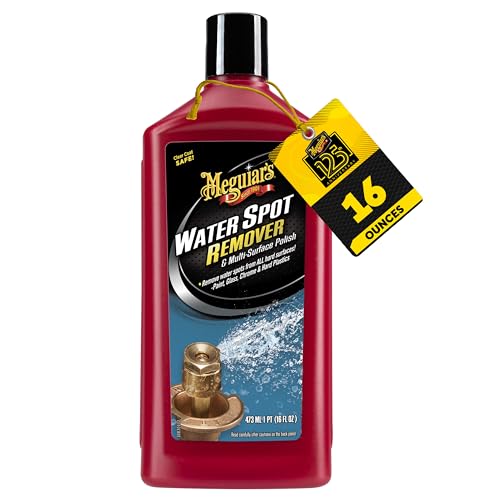
These products are typically acid-based gels designed to break down heavy mineral deposits. Products like Chemical Guys Heavy Duty Water Spot Remover are effective because the gel formula clings to the surface, allowing it to work longer.
- Apply to Applicator: Apply 3-5 dots of the gel to a microfiber applicator pad.
- Work into Surface: Gently work the product into the affected 2’x2′ area.
- Dwell (Briefly): Let the product sit for no more than 60 seconds.
- Neutralize and Rinse: Thoroughly rinse the area with water or a detail spray to neutralize the acidic gel.
- Dry and Inspect: Dry the area completely and inspect. Repeat if necessary, but with caution.
How Do You Remove Severely Etched Water Spots (Type 3) by Polishing?
To remove etched water spots, you must use a car polish, which contains fine abrasives that level the clear coat down to the depth of the etching, effectively removing the damaged layer. This is an advanced technique because you are physically removing a microscopic layer of your car’s paint. It is the only way to fix damage that is physically indented into the surface. Think of it like sanding a rough piece of wood until it is smooth again.
⚠ Caution: You are removing a small amount of your car’s protective clear coat. Always start with the least aggressive polish first and work in a small, inconspicuous test spot. If you are unsure at any point, consult a professional detailer.
Here is a simplified guide for hand polishing. While a machine polisher is more effective, hand application is safer for beginners.
- Prep the Area: Start with a perfectly clean and dry surface.
- Apply Polish: Apply a pea-sized amount of a fine-cut car polish to a microfiber applicator pad.
- Work the Polish: Rub the polish into a small 2’x2′ section using firm pressure and overlapping circular motions for 1-2 minutes. The goal is to break down the abrasives to refine the surface.
- Buff Off Residue: Before the polish dries completely, use a clean, plush microfiber towel to buff off the remaining residue.
- Inspect Your Work: Use a flashlight to inspect the area. The etched ring should be gone. If a faint outline remains, you may need to repeat the process or move to a slightly stronger compound.
How Do You Safely Remove Water Spots From Car Glass?
For stubborn water spots on car glass, #0000 (ultra-fine) steel wool can be used with a glass cleaner as lubrication to safely scrub away the mineral deposits. Car glass is much harder than paint, so it can withstand this light abrasive method that would destroy a clear coat. This is an “insider” detailing trick for spots that regular cleaners can’t touch.
⚠ CAUTION: This technique is only for glass. You must use only #0000 grade steel wool. Using any other, coarser grade (like #000 or #00) will permanently scratch your windshield. Never use this method on tinted window film, mirrors, screens, or your car’s paint.
Here’s a trick the pros use for glass that just won’t come clean.
- Confirm Your Tool: Double-check that you have #0000 “four-aught” super fine steel wool. It should feel almost like a dense cotton ball.
- Lubricate the Glass: Spray the window or windshield generously with your favorite glass cleaner. The lubrication is essential to prevent scratching.
- Gentle Scrub: Lightly scrub the affected glass area with the steel wool. Use straight-line motions and let the tool do the work—very little pressure is needed.
- Wipe and Inspect: Wipe the slurry of glass cleaner and residue away with a clean microfiber towel.
- Final Clean: Once the spots are gone, give the glass a final cleaning with a fresh towel to remove any remaining residue for a streak-free finish.
How Can You Prevent Water Spots From Ever Coming Back?
The best way to prevent water spots is to always dry your car thoroughly immediately after washing, not allowing water to evaporate on the surface. Shifting from a reactive removal mindset to a proactive prevention strategy is the ultimate way to keep your car looking its best and save you hours of work.
Here are the most effective strategies to stop water spots before they start.
- 🕑 Wash in the Shade or at a Cool Time of Day
Washing in direct sunlight is the fastest way to get water spots. The sun rapidly evaporates water, leaving minerals behind before you even have a chance to dry. Always work in the shade or during cooler morning or evening hours. -
🗘 Use a Spot-Free Final Rinse
The ultimate solution is to use water that has no minerals in it. A final rinse with distilled or deionized water will leave nothing behind to spot the surface. While a deionizing system can be expensive, a budget-friendly tip is to buy a few gallons of distilled water from the grocery store and use it in a simple pump sprayer for a final, spot-free rinse. -
🧳 Dry Immediately and Thoroughly
This is the most critical prevention step. As soon as you’re done washing and rinsing, begin drying. Use a large, high-quality microfiber drying towel or an electric leaf blower for a “touchless” drying method that is both fast and safe. Don’t let any water air-dry. -
🛡 Apply Paint Protection
A good layer of car wax, a paint sealant, or a ceramic coating makes your car’s surface hydrophobic (water-fearing). This causes water to form into tight, tall beads that are more likely to roll right off the panel instead of sitting flat and evaporating. While not entirely spot-proof, a protected surface is far more resistant to spotting and much easier to clean.
FAQs About how do i get water spots off my car
Can baking soda remove water spots?
While some DIY sites suggest it, detailing experts advise against using baking soda. It is a fine abrasive that can easily cause micro-scratches (swirl marks) in your car’s clear coat. A vinegar solution is a much safer chemical approach for light spots, while an approved car polish is the correct abrasive method for etched spots.
Do automatic car washes cause water spots?
Yes, they can if the car is not dried properly or if the car wash uses recycled hard water. Touchless car washes often rely on powerful air dryers, but if they don’t remove all the water, the remaining droplets will evaporate and leave spots. Always opt for a car wash with a good drying system or hand-dry any remaining water yourself.
Will a quick detailer spray remove water spots?
A quick detailer spray is effective for removing very fresh, light Type 1 water spots. The lubricants in the spray help lift the fresh mineral deposits without scratching the paint. However, it will not be effective against more stubborn bonded (Type 2) or etched (Type 3) water spots.
How do I get water spots off my black car?
The methods are the same for a black car, but the spots are simply more visible against the dark paint. It’s even more critical to use the least aggressive method first (vinegar solution) and inspect your work carefully. For black cars, prevention is paramount: always wash in the shade, dry immediately, and keep a good layer of wax or sealant on the paint.
Can I use CLR or Lime-A-Way on my car?
Absolutely not; this is a common mistake that can cause severe damage. Household cleaners like CLR are extremely harsh and are not formulated for delicate automotive paint. They can strip wax, permanently stain your clear coat, and damage plastic or rubber trim. Only use products specifically designed for automotive use.
Do ceramic coatings prevent all water spots?
Ceramic coatings do not make a car water-spot-proof, but they make spots much easier to remove. The hydrophobic nature of a coating helps most water slide off. The spots that do form are on top of the sacrificial coating layer, not your paint, and are typically removed easily with a simple detail spray.
What happens if I leave water spots on my car for too long?
If left for weeks or months, mineral deposits can chemically etch into your car’s clear coat, creating permanent damage. What started as a surface-level problem (Type 1) becomes a below-surface problem (Type 3) that requires polishing and removal of the paint’s protective layer to fix.
Is it safe to use a clay bar on my windshield?
Yes, it is perfectly safe to use a detailing clay bar on your windshield and other car glass. Just like on paint, it will remove bonded contaminants like water spots, tree sap, and overspray, leaving the glass feeling incredibly smooth. Always remember to use plenty of clay lubricant.
Does rain leave water spots?
Yes, rain can leave water spots, especially in areas with high pollution, creating “acid rain”. As rain falls, it collects pollutants from the air. When this acidic water evaporates on your car, it leaves behind not just minerals but also corrosive contaminants that can etch the paint quickly.
Is a water spot remover gel better than a spray?
Gels are often better for targeted application on stubborn spots because they cling to vertical surfaces longer than a liquid spray. This increased “dwell time” allows the gel’s active ingredients more time to break down heavy mineral deposits without running off the panel, making them more effective on tough Type 2 spots.
Key Takeaways: How to Get Water Spots Off Your Car Summary
- Identify First, Act Second: Always determine if a water spot is a light deposit (Type 1), bonded mineral (Type 2), or etched into the paint (Type 3) before choosing your removal method to prevent damage.
- Start with the Least Aggressive Method: For light, fresh spots, always begin with a simple 1:1 solution of white vinegar and distilled water before escalating to stronger chemicals or abrasives.
- Clay Bars & Chemical Removers for Stubborn Spots: Use a clay bar for textured, gritty contaminants or a dedicated acid-based water spot remover gel for tough, concentrated mineral stains that vinegar can’t handle.
- Polishing is the Last Resort for Etched Spots: If you can feel an indentation, the spot is etched. This requires a polish (an abrasive) to physically level the clear coat, a process that should be done with extreme care.
- Use the Right Tool for Glass: Car glass is harder than paint. For very stubborn spots on windows, #0000 steel wool with glass cleaner as a lubricant is a highly effective professional technique.
- Prevention is Better Than Correction: The best strategy is to prevent spots by washing in the shade, drying your car immediately and thoroughly after washing, and protecting your paint with a quality wax, sealant, or ceramic coating.
Final Thoughts on Achieving a Spot-Free Finish
Mastering water spot removal is about more than just cleaning; it’s about protecting your investment. By adopting a diagnostic-first approach, you move from frustrating guesswork to confident, effective action. You now have the framework to identify the exact type of spot you’re facing and apply the correct solution—from a gentle vinegar wash for surface minerals to precise polishing for stubborn etchings.
Ultimately, the best defense is a great offense. Integrating preventative strategies like proper drying and applying a quality paint sealant will not only save you time and effort but will keep your vehicle looking its absolute best, wash after wash. What’s been your experience with stubborn water spots?
Last update on 2026-02-13 / Affiliate links / Images from Amazon Product Advertising API


![Cream Punch Buggy Aesthetic: 7 Stunning Ideas for [year]](https://i0.wp.com/carxplorer.com/wp-content/uploads/2026/02/Cream-Punch-Buggy-Aesthetic-7-Stunning-Ideas-for-year-1.png?resize=60%2C60&ssl=1 "Cream Punch Buggy Aesthetic: 7 Stunning Ideas for [year] 4")
![How to Make Your Car Smell Good The Ultimate Guide [year]](https://i0.wp.com/carxplorer.com/wp-content/uploads/2026/02/How-to-Make-Your-Car-Smell-Good-The-Ultimate-Guide-year-1-1.jpg?resize=60%2C60&ssl=1 "How to Make Your Car Smell Good The Ultimate Guide [year] 6")


