
Discovering fleas in your car is a uniquely frustrating experience that can make every drive feel uncomfortable and unsettling. You’re likely wondering how they even got there, and more importantly, how you can get rid of them for good without turning your vehicle into a chemical testing ground. The challenge lies in tackling not just the adult fleas you see, but the invisible eggs, larvae, and pupae hiding deep within your car’s upholstery and crevices.
To effectively get rid of fleas in your car, you must follow a multi-step process: remove and wash all fabrics in hot water, thoroughly vacuum every surface and crevice, apply a pet-safe flea treatment containing an IGR to break the life cycle, and address the source of the infestation by treating your pets and home.
This guide provides a complete, step-by-step battle plan based on proven pest control strategies. We will break down exactly how to eradicate fleas from your vehicle at every stage of their life cycle, explore the most effective chemical and natural treatments, and show you how to prevent them from ever coming back. By following these detailed instructions, you can reclaim your car and ensure a pest-free ride.
Step 1: Prepare Your Car and Remove All Contaminated Fabrics
To start, remove all fabrics like floor mats and seat covers, wash them in hot water, and dry on high heat to kill fleas and eggs immediately. This isn’t just a preliminary tidying-up—it is the single most important first action for a successful flea eradication. Fleas, their eggs, and larvae embed themselves deep in soft materials, creating a constant source of re-infestation. By isolating and treating these items first, you immediately eliminate a huge portion of the problem and prevent them from simply hopping back in after you’ve cleaned. This is a non-negotiable step for breaking the flea life cycle and achieving lasting success.

Your first move is to systematically strip your car of every potential flea habitat. Follow these steps precisely:
- Systematically Remove Every Soft Item. Go through your car and take out anything made of fabric. This includes all floor mats (both carpet and rubber), seat covers, pet bedding, blankets, pillows, and even any stuffed toys.
- Place Items Directly Into a Sealable Bag. As you remove each item, place it immediately into a large, sealable plastic bag. This crucial step quarantines the fleas and prevents them from escaping and infesting your home while you transport the items to the washing machine.
- Wash Immediately in Hot Water. Take the bagged items directly to your laundry room. Wash them on the hottest water setting your machine allows. The combination of hot water and detergent is lethal to fleas at all stages of life, from egg to adult.
- Dry on the Highest Heat Setting. After washing, transfer the items to the dryer and run it on the highest possible heat setting. The intense heat will kill any remaining fleas or eggs that may have survived the wash cycle.
Pro Tip: Before you even start vacuuming, get these items washing. By the time you finish the other steps of cleaning your car’s interior, they’ll be clean, flea-free, and ready to go back in, saving you valuable time.
Step 2: Conduct a Thorough Vacuuming of Every Surface and Crevice
Thoroughly vacuum every part of the car’s interior with a powerful vacuum, paying special attention to seams and crevices to remove fleas, eggs, and larvae. Physical removal is your most powerful weapon at this stage. A high-quality vacuum cleaner with strong suction will physically pull adult fleas, eggs, flea dirt (their feces), and larvae from the carpet and upholstery. Furthermore, the vibration and heat from the vacuum can stimulate the resilient pupae to hatch into adults, making them vulnerable to the treatments you’ll apply in the next step.

Think you’ve vacuumed enough? Go over it one more time. The five extra minutes now could save you weeks of frustration later. Be methodical and target these key hiding spots:
- Under every seat, reaching as far forward and back as possible.
- Along all floorboard edges where the carpet meets the car’s frame.
- Deep within the seams and folds of the upholstery on every seat.
- The entire trunk area, especially in corners and if pets ever ride there.
- In the crevices between the center console and the seats.
Once you are finished, the final action is absolutely critical to prevent re-infestation inside your home.
After vacuuming, immediately remove the vacuum bag or empty the canister into a sealed plastic bag. Dispose of it in an outdoor trash can to prevent any surviving or newly hatched fleas from escaping and finding their way back into your house or car.
Step 3: Apply an Effective Flea Treatment to Your Car’s Interior
Choose and apply a targeted treatment, focusing on pet-safe flea sprays with IGR or effective natural alternatives like diatomaceous earth to kill remaining fleas and prevent re-infestation. With the bulk of the flea population physically removed, it’s time to deal with the survivors and disrupt the life cycle for good. While you might see “flea bombs” or “foggers” suggested for this purpose, experts advise against their use in vehicles. These products fail to penetrate the deep cracks and crevices where fleas hide and can leave behind residues that may damage sensitive electronics and interior surfaces. A targeted approach is far safer and more effective.
Option A: Use a Pet-Safe Flea Spray with IGR
The most effective chemical method is a pet-safe flea spray containing an IGR, which prevents eggs and larvae from developing into adults. An Insect Growth Regulator (IGR) is the key component to look for. While the insecticide in the spray kills adult fleas on contact, the IGR provides long-lasting protection by acting as a form of flea birth control. It prevents eggs from hatching and stops larvae from molting into pupae, effectively breaking the life cycle and preventing a new generation from emerging.
Quick Fact: An IGR doesn’t kill adults, but it makes sure their offspring never grow up to bite. It’s the key to stopping the cycle for good.
When using a flea spray with an IGR, look for one that is specifically labeled for use on fabric and upholstery. The benefits are significant:
* Kills adult fleas on contact.
* The IGR prevents future generations from developing.
* Provides long-lasting residual protection for weeks.
For safe and effective application, always keep windows open while the spray dries and ensure it is completely dry before allowing pets or people back in the vehicle. Apply it generously to the carpets, seats, mats, and the trunk lining, focusing on the same areas you vacuumed thoroughly.
Option B: Apply Natural Alternatives Like Diatomaceous Earth or Salt
Natural treatments like food-grade diatomaceous earth, salt, or baking soda kill fleas by dehydration; apply a light dusting, let it sit for a day or two, then vacuum thoroughly. For those who prefer a chemical-free approach, desiccants (drying agents) are a highly effective alternative. These powders work physically, not chemically, by absorbing the waxy outer layer of a flea’s exoskeleton, causing them to dehydrate and die.
The most popular natural option is food-grade diatomaceous earth (DE), which is the fossilized remains of tiny aquatic organisms. It is crucial to use “food-grade” DE, as it is safer for use around people and pets compared to the pool-grade version. Finely ground salt or baking soda can also be used in the same manner.
Pro Tip: When using powders like DE or salt, focus on applying a very light, even dusting. A thick layer is less effective and much harder to clean up.
| Method | How It Works | Application Time |
|---|---|---|
| Diatomaceous Earth | Dehydrates exoskeleton | 48 hours |
| Salt / Baking Soda | Dehydration agent | At least one day |
To use these natural methods, lightly sprinkle the powder over the carpets, under the seats, and in the trunk. Use a small brush to work it gently into the fibers. Let it sit for the recommended time, then use a powerful vacuum to remove it completely.
Option C: Set DIY Flea Traps to Monitor and Reduce Adult Fleas
A simple trap made of a shallow dish of soapy water can help monitor and reduce the adult flea population overnight. Curious about how bad the problem is? This simple overnight trap is a great visual indicator of the adult flea population you’re dealing with. It’s a supplementary tool that helps you gauge the effectiveness of your treatments and catch some of the remaining adults.
However, it’s important to manage expectations. While effective for monitoring and catching some adults, this trap will not affect eggs or larvae and should be used alongside other primary treatments like vacuuming and sprays or powders.
Here’s how to make one:
- Fill a shallow dish (like a pie plate or an old frisbee) with water.
- Add a few drops of dish soap. This breaks the surface tension of the water, so when fleas jump in, they sink and drown instead of floating on top.
- Place it on the floorboard of your car and leave it overnight.
- (Optional) Place a small, battery-operated light (like a tap light) nearby. Fleas are attracted to heat and light, which will draw them toward the trap.
Step 4: Address the Source to Prevent Re-infestation
To stop fleas from coming back, you must eliminate the source by treating your pets with vet-approved products and thoroughly treating your home and yard. A flea infestation in your car is almost never an isolated incident. The vehicle is a satellite location; the main colony is likely on your pet, in your home, or in your yard. If you only treat the car, you are guaranteed to have the problem return. Long-term prevention requires a holistic approach that cuts off the infestation at its source.
Focus your efforts on these three primary areas:
- Treat Your Pets: Untreated pets are the most common source of fleas. They act as mobile hosts, picking up fleas outdoors and depositing eggs wherever they go, including your car. Use vet-approved flea control products consistently, whether they are topical treatments, oral medications, or flea collars. Regular use of a flea comb, especially before a car ride, can also help remove adult fleas.
- Treat Your Home: Flea eggs that fall off your pet in the house can lead to a massive infestation. Wash all pet bedding, blankets, and your own bedding in hot water. Vacuum all carpets, rugs, and upholstered furniture frequently, paying close attention to areas where your pet likes to rest.
- Treat Your Yard: Fleas thrive in shady, moist areas outdoors. If your pet spends time in the yard, focus your treatment on these high-risk zones, such as under porches, decks, and in dense shrubbery.
What If I Have Fleas in My Car But No Pets?
Even without pets, fleas can enter your car by hitching a ride on people from an infested home or yard; treatment of these source areas is still crucial. It can be baffling to find fleas in your car when you don’t own any pets, but it’s a surprisingly common scenario. Think of fleas like tiny hitchhikers; they’ll catch a ride on anyone, not just pets. This simply means the source of the infestation is external.
Here are the most likely ways fleas got into your car:
- You visited a home with a flea problem. You may have unknowingly picked up flea eggs or adults on your shoes, socks, or pant legs and transferred them to your car.
- You walked through an infested area outdoors. Fleas often wait in tall grass, leaf litter, or sandy, shady spots for a host to walk by. You could have been that host.
- A passenger unknowingly brought them in. A friend, family member, or coworker who has a flea issue at their own home could have been the source.
The treatment process for your car remains exactly the same. However, it becomes even more important to consider where you may have picked them up and to be vigilant about vacuuming your home as a preventative measure.
Step 5: Consider Professional Help for Stubborn Infestations
For persistent or severe flea problems, a professional exterminator can provide an integrated solution using powerful treatments and steam cleaning for your car, home, and yard. If you have followed all the steps diligently and are still seeing fleas after a few weeks, it may be time to call in an expert. Don’t let a stubborn flea problem cause endless stress. Sometimes, calling in a professional is the fastest and most effective way to reclaim your peace of mind. This is not a sign of failure but a smart, strategic decision to resolve a difficult infestation.
Professionals offer several advantages over DIY methods:
- Access to more potent, targeted treatments that may not be available to the public.
- Ability to perform high-temperature steam cleaning, which kills fleas, larvae, and eggs deep within upholstery and carpets instantly.
- Expertise in identifying all source locations and hidden breeding grounds you may have missed.
- An integrated pest management (IPM) plan that provides a comprehensive strategy for treating your vehicle, home, and yard simultaneously for a permanent solution.
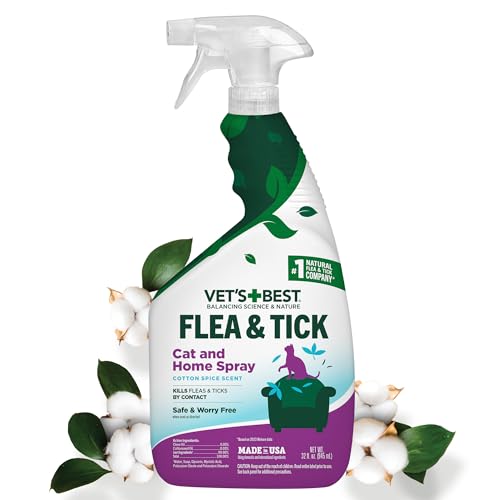
To take your flea eradication efforts to the next level, consider equipping yourself with top-rated, pet-safe flea treatments available online. Having a reliable flea spray with an IGR on hand can simplify the process and deliver faster, more effective results.



FAQs About Getting Rid of Fleas in a Car
What kills fleas in a car instantly?
Flea sprays containing an effective insecticide will kill adult fleas on contact. Additionally, high-temperature steam cleaning performed by a professional can instantly kill fleas at all life stages—egg, larva, pupa, and adult—deep within the car’s upholstery and carpets. However, for complete eradication, these instant methods must be part of a larger strategy that includes vacuuming and addressing the infestation’s source.
How long can fleas live in your car?
Adult fleas can only live for about one to two weeks without a blood meal from a host. However, the real problem is the life cycle. Flea eggs can remain viable for over a week, and pupae can stay dormant in their protective cocoons for several months, waiting for a sign of a potential host (like vibration or heat) before hatching. This is why a thorough, multi-step treatment is essential.
Can you spray flea spray in your car safely?
Yes, you can use flea spray safely in a car provided you choose the right product and follow instructions carefully. Select a pet-safe spray that is labeled for use on fabrics and upholstery. The most effective sprays contain an Insect Growth Regulator (IGR). Always ensure maximum ventilation by opening all doors and windows during application and allow the spray to dry completely before anyone or any pet re-enters the vehicle.
What is the best flea treatment for cars?
The best treatment is not a single product but a comprehensive approach. This includes meticulous vacuuming, washing all removable fabrics in hot water, and applying a high-quality, pet-safe flea spray that contains an Insect Growth Regulator (IGR). The IGR is critical because it breaks the flea life cycle by preventing eggs and larvae from maturing, which stops future infestations before they can start.
Will parking my car in the hot sun kill fleas?
Parking a car in direct sun on a hot day can raise the interior temperature significantly, potentially killing some adult fleas if it exceeds 100°F for a prolonged period. However, this method is unreliable. Fleas, eggs, and pupae can survive by sheltering deep within upholstery or under seats where temperatures may not become lethal. It can be used as a supplementary tactic but should not be your only method of control.
How do I get rid of fleas in my car overnight?
While you can significantly reduce the number of adult fleas overnight, complete eradication in 24 hours is nearly impossible due to the resilient flea life cycle. You can make a big impact by thoroughly vacuuming the entire car, setting a DIY soapy water flea trap, and washing all removable fabrics. This will capture and kill many adults, but the eggs, larvae, and pupae that remain will require further treatment over the following days and weeks.
Your Flea-Free Car: A Final Checklist
Successfully reclaiming your car from a flea infestation requires diligence and a methodical approach that targets every stage of the pest’s life cycle. By focusing on cleaning, treating, and preventing, you can ensure a permanent solution. You now have the complete battle plan. Take action with these steps and enjoy a comfortable, pest-free ride.
- Isolate & Wash: All fabrics must come out of the car, be washed in hot water, and dried on the highest heat setting.
- Vacuum Everything: No crevice can be left behind. Be meticulous, then immediately seal and dispose of the vacuum’s contents in an outdoor trash can.
- Treat Smart: Use a pet-safe spray containing an IGR to break the life cycle, or use a natural desiccant like food-grade diatomaceous earth.
- Stop the Source: The most critical step for long-term success is to treat your pets, home, and yard to prevent fleas from getting a ride ever again.
Last update on 2026-04-12 / Affiliate links / Images from Amazon Product Advertising API


![NovaKits Starlink Mini Mount Review [year]: Worth It?](https://i0.wp.com/carxplorer.com/wp-content/uploads/2026/04/NovaKits-Starlink-Mini-Mount-Review-year-Worth-It-2.webp?resize=60%2C60&ssl=1 "NovaKits Starlink Mini Mount Review [year]: Worth It? 11")


