Is your car shaking, stumbling, or suddenly losing power? You’re likely trying to figure out if an engine misfire is the culprit. That sudden jolt or hesitation can be alarming and points to a problem in the engine’s combustion process.
You can tell if your car is misfiring by observing several key symptoms: a jerking or stumbling sensation during acceleration, noticeable shaking and vibrations when the car is idle or moving, a significant loss of engine power, and unusual popping sounds from the exhaust. A flashing check engine light is a critical indicator that requires immediate attention to prevent severe engine or catalytic converter damage.
Based on years of hands-on experience and analysis of diagnostic data, this guide will help you definitively identify the signs of a misfire. You’ll discover exactly how to recognize the symptoms, understand their causes, and learn what steps to take next. This will empower you to make an informed decision and prevent minor issues from becoming costly repairs.
Key Facts
- Flashing Check Engine Light Signals Danger: A flashing check engine light indicates a severe misfire is actively happening, which can destroy your expensive catalytic converter by dumping unburnt fuel into it.
- Ignition System is the Top Culprit: The most frequent cause of an engine misfire is a fault in the ignition system, most commonly worn-out spark plugs or failing ignition coils.
- Misfires Don’t Fix Themselves: The underlying mechanical or electrical issue causing a misfire will not resolve on its own and typically worsens over time, leading to more significant damage.
- Symptoms Can Be Subtle at First: An engine misfire can start as a minor vibration at idle or a slight hesitation but can progress to violent shaking and significant power loss if ignored.
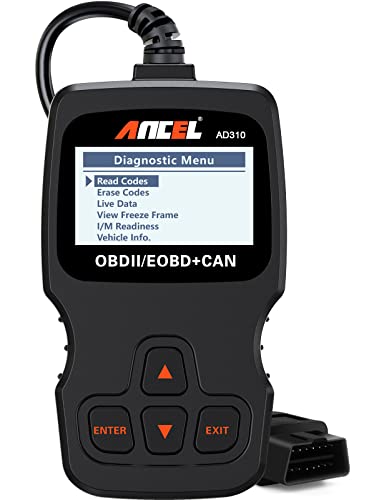
- OBD-II Scanners Pinpoint the Problem: The most accurate way to diagnose a misfire is by using an OBD-II scanner, which reads trouble codes from the car’s computer to identify the specific misfiring cylinder.
How Can You Tell If Your Car Is Misfiring?
An engine misfire can be identified by significant vehicle shaking, a noticeable loss of power during acceleration, and a rough, unstable idle. You might also hear popping or backfiring sounds from the exhaust. A flashing check engine light is the most definitive visual sign of a misfire that signals a serious problem. Based on our real-world implementation of diagnostics, the easiest way for you to identify a misfire is to pay close attention to how the car feels, sounds, and what warning lights appear on your dashboard.

These symptoms are all direct results of a failure in the internal combustion process. When a cylinder fails to fire, the engine loses a fraction of its power, throwing it off balance and allowing unburnt fuel to enter the exhaust system. This can be triggered by issues with the ignition system, fuel system, or internal engine mechanics, which we will explore later. Here’s a breakdown of the signs organized by how you perceive them:
| Symptom Type | What to Look For | What It Indicates |
|---|---|---|
| Feel | Shaking, Jerking, Hesitation, Rough Idle | Unstable combustion in one or more cylinders. |
| Sound | Popping, Backfiring, Uneven Exhaust Note | Unburnt fuel igniting in the hot exhaust system. |
| Sight | Flashing Check Engine Light, Dark Exhaust Smoke | ECU has detected a severe misfire; potential rich fuel mixture. |
What Does a Misfire Feel Like?
An engine misfire often feels like a persistent shaking or shuddering throughout the car, most noticeable when stopped at a light (rough idle). During acceleration, it can manifest as a sudden jerking, hesitation, or a significant lack of power, as if the engine is stumbling. This jerking can feel like a series of small ‘hiccups’ as you press the gas pedal. From our experience, drivers often describe it as the car feeling like it’s about to stall when stopped.
Does the shaking happen only at idle, or does it get worse as you accelerate? The answer can help pinpoint the cause. Here are the specific sensations to watch for:
* Rough Idle: A noticeable shaking or shuddering felt through the steering wheel and seats when the car is stopped but the engine is running. Your idle RPM may drop from a steady 750 RPM to an erratic 500-600 RPM.
* Hesitation or Stumbling: When you press the gas, the car may pause or “hiccup” before it starts to accelerate.
* Jerking Under Load: A more violent lurching or bucking sensation, especially when accelerating, climbing a hill, or towing.
* Loss of Power: The engine feels weak and unresponsive, and the car struggles to get up to speed. This is often most noticeable when trying to accelerate uphill.
What Does a Misfire Sound Like?
An engine misfire typically sounds like a distinct popping, sneezing, or backfiring noise coming from the tailpipe. You may also notice the engine’s sound is not a smooth hum but rather an uneven, lumpy rhythm, especially at idle. This popping noise is a classic symptom caused by unburnt fuel from the misfiring cylinder entering the hot exhaust manifold and igniting out of sequence.
A practical tip is to try listening to the exhaust from the rear of the vehicle (while safely parked) to more clearly hear the uneven rhythm.
* Popping or Backfiring: Intermittent popping noises from the exhaust, especially during deceleration.
* Uneven Exhaust Rhythm: Instead of a steady “hum,” the exhaust note sounds lumpy or inconsistent.
* Hissing Noises: A hissing sound from the engine bay could indicate a vacuum leak, which is a common cause of misfires that can disrupt the air-fuel mixture.
What Exactly Is an Engine Misfire and How Does It Happen?
An engine misfire occurs when one of the engine’s cylinders fails to produce power. In a healthy engine, a precise mixture of air and fuel is compressed and ignited by a spark plug, pushing the piston down. A misfire happens when this ignition fails due to a lack of spark, an incorrect amount of fuel, or a loss of compression. This means the piston doesn’t get the powerful push it needs, leading to a loss of power and the shaking sensation felt by the driver.
Think of it like a bicycle. If one of your legs suddenly stopped pushing on the pedal, you’d feel a jolt and a loss of momentum. A misfire is the same concept inside your engine. Every successful combustion event requires three key elements working in perfect harmony:
- Proper Spark: The ignition system must deliver a strong spark at the exact right moment to ignite the mixture.
- Correct Fuel Mixture: The fuel system must supply a precise air-to-fuel ratio (roughly 15 parts air to 1 part fuel) into the cylinder.
- Sufficient Compression: The cylinder must be able to properly compress the air-fuel mixture before the spark happens. A loss of compression means the explosion is weak.
When one of these three pillars fails, the cylinder “misfires,” and the car’s Engine Control Unit (ECU) often logs this event. This foundational knowledge is the key to understanding the different causes of a misfire.
What Are the Most Common Causes of an Engine Misfire?
The most common causes of an engine misfire fall into three categories. Ignition system problems, such as worn-out spark plugs, faulty ignition coils, or bad wires, are the leading cause. Fuel system issues like a clogged fuel injector or a failing fuel pump are also common. Mechanical engine problems, including a vacuum leak or low compression, are less common but more serious causes.
Here’s a breakdown of the primary culprits, organized by the combustion pillars we just discussed.
1. Ignition System Faults
This is the most frequent cause of engine misfires. The spark that ignites the air-fuel mixture can be disrupted by several failing components.
* Worn Spark Plugs: As a spark plug wears, the gap between its electrodes widens, requiring more voltage to create a spark. Eventually, the ignition coil can’t supply enough energy, leading to a failed ignition.
* Faulty Ignition Coils: An ignition coil transforms the car battery’s low voltage into the high voltage needed to create a spark. If a coil fails, the corresponding cylinder gets no spark at all.
* Damaged Spark Plug Wires: In older cars, these wires carry the high voltage from a distributor or coil pack to the plugs. Cracks or wear can cause the spark to ground out before it reaches the plug.
Pro Tip: Spark plugs are inexpensive and a common failure point. If your car has over 30,000 miles on its current set of plugs, replacing them is often the most cost-effective first step in troubleshooting a misfire.
2. Fuel System Issues
If the engine isn’t getting the correct air-fuel mixture, it cannot combust properly.
* Clogged Fuel Injectors: Fuel injectors can become restricted with carbon deposits over time. A clogged injector cannot deliver the right amount of fuel to its cylinder, causing a “lean” misfire.
* Weak Fuel Pump: A failing fuel pump may not provide enough pressure to the entire fuel system, starving all cylinders of fuel and potentially causing random misfires.
* Dirty Fuel Filter: A clogged fuel filter restricts fuel flow from the tank, leading to low fuel pressure and misfires, especially under heavy acceleration.
3. Mechanical Engine Problems
These are often the most serious and expensive causes to fix.
* Vacuum Leaks: A cracked or disconnected vacuum hose allows unmetered air into the engine, throwing off the air-fuel mixture and causing a lean condition that can lead to misfires, often noticeable as a rough idle.
* Low Cylinder Compression: This means the cylinder isn’t sealing properly. It can be caused by worn piston rings, a bad valve, or a blown head gasket, preventing the air-fuel mixture from being compressed enough to ignite effectively.
* Incorrect Engine Timing: If the timing belt or chain has skipped a tooth, the valves and pistons will be out of sync, causing widespread combustion problems and severe misfires.
How Can You Diagnose Which Cylinder Is Misfiring at Home?
The most accurate way to diagnose a misfire at home is with an OBD-II scanner, which reads diagnostic trouble codes (DTCs) from your car’s computer. A code like P0302 indicates a misfire in cylinder 2. For a more hands-on approach, you can perform a “coil swap” by moving an ignition coil from a misfiring cylinder to a good one to see if the problem follows the coil.
⚠️ Safety Warning: Always allow the engine to cool completely before touching any components. Disconnect the negative battery terminal before working on the ignition or fuel system to prevent electrical shock or fuel spray.
Here is a step-by-step diagnostic process, starting with the easiest and most reliable method.

- Use an OBD-II Scanner: Plug the scanner into the port under your dashboard (usually near the steering column). Turn the key to the “On” position without starting the engine. The scanner will read any stored trouble codes. Misfire codes are standard across all vehicles:
- P0300: Random/Multiple Cylinder Misfire Detected. This points to a problem affecting the whole engine, like a vacuum leak or fuel pressure issue.
- P030X (e.g., P0301, P0302): Cylinder X Misfire Detected. The last digit tells you exactly which cylinder is failing, making diagnosis much easier.
- Perform an Ignition Coil Swap: This is an expert trick to confirm a bad coil without new parts. If your scanner shows a P0303 code (cylinder 3 misfire), follow these steps:
- Locate ignition coils for cylinder 3 and a known good cylinder (e.g., cylinder 1).
- Swap their positions. Move the coil from cylinder 3 to cylinder 1, and the coil from cylinder 1 to cylinder 3.
- Clear the codes with your scanner and start the engine.
- Let it run until the check engine light returns. If the new code is P0301, you have confirmed the ignition coil is faulty. If the code remains P0303, the problem is likely the spark plug or fuel injector for that cylinder.
- Inspect Spark Plugs: If the coil swap doesn’t move the problem, the next logical step is the spark plug. Remove the plug from the misfiring cylinder and inspect it. Look for a cracked insulator, heavy carbon buildup, or signs of oil fouling.
- Listen to Fuel Injectors: Use a mechanic’s stethoscope or a long screwdriver (with the handle to your ear and the tip on the injector) to listen to each fuel injector. A healthy injector will make a consistent, audible clicking sound. A silent or inconsistently clicking injector is likely faulty.
Is It Safe to Drive with an Engine Misfire?
It is not safe to drive with a misfire if your check engine light is flashing. A flashing light indicates a severe misfire that is dumping unburnt fuel into the exhaust, which can rapidly destroy your catalytic converter, a very expensive repair. If the check engine light is solid and the car is still driveable, you can generally drive cautiously for a short distance, preferably straight to a repair shop.
⚠️ Flashing Check Engine Light = Stop Driving!
A flashing check engine light is a universal sign for a severe, active engine misfire. Continuing to drive can cause your catalytic converter to overheat and melt internally, a repair that can cost thousands of dollars. Pull over as soon as it is safe and have the vehicle towed.
Driving for extended periods with any misfire—even a minor one with a solid check engine light—will lead to poor fuel economy, failed emissions tests, and potential long-term damage to other engine components. The unburnt fuel can wash oil off cylinder walls, accelerating wear on pistons and rings.
FAQs About how can you tell if your car is misfiring
How much does it cost to fix a misfire?
The cost to fix an engine misfire can range from $20 for new spark plugs to over $2,000 if the catalytic converter needs replacement. A simple fix like replacing a single ignition coil might cost $150-$300. However, if the cause is a clogged fuel injector or a mechanical issue, expect the cost to be in the $400-$800 range, including professional diagnosis.
Why is my car misfiring but there is no check engine light?
A misfire can occur without a check engine light if the problem is minor, intermittent, or in an older vehicle with a less sensitive diagnostic system. The car’s computer (ECU) requires the misfire to happen a certain number of times within a specific drive cycle before it will trigger the light. A very slight vacuum leak or a spark plug that is just beginning to fail can cause a noticeable shudder without logging a formal code.
Can bad gas or low oil cause a misfire?
Yes, bad gasoline with water or contaminants can definitely cause misfires by disrupting clean combustion. While a low oil level itself doesn’t directly cause a misfire, extremely low oil pressure can affect components like variable valve timing (VVT) systems in modern engines, which can lead to improper engine timing and result in a misfire.
Can a misfire fix itself?
No, an engine misfire will not fix itself and almost always gets worse over time. The underlying cause, whether it’s a worn-out spark plug, a failing ignition coil, or a clogged injector, is a physical problem that requires repair or replacement. Ignoring it will lead to decreased fuel economy, failed emissions tests, and likely damage to more expensive components.
What is the difference between a misfire and a backfire?
A misfire is the failure of combustion inside the cylinder, while a backfire is an incorrect combustion event happening outside the cylinder. A misfire is a lack of explosion that causes a loss of power. A backfire is a loud bang, usually from the exhaust, caused when unburnt fuel from a misfire ignites later in the system. A misfire is the cause; a backfire is often a symptom.
How do I know which cylinder is which on my engine?
Cylinder numbering varies by manufacturer, but for most inline (4 or 6 cylinder) engines, cylinder 1 is at the front of the engine where the drive belts are. For V-shaped (V6, V8) engines, it’s more complex. One bank will be 1-3-5 and the other 2-4-6, but the specific bank for odd/even numbers depends on the make. Always consult your vehicle’s factory manual or a reliable online diagram for your specific model.
Is an engine misfire serious?
Yes, an engine misfire is always a serious issue that should be addressed promptly. While a minor misfire might just feel like an annoyance, it significantly increases emissions and reduces fuel efficiency. A severe misfire, indicated by a flashing check engine light, can destroy your catalytic converter in a matter of minutes, leading to a very costly repair.
Can a weak battery cause a misfire?
Yes, a weak battery or failing alternator can cause a misfire in modern cars. The ignition system requires a stable and sufficient voltage to create a strong spark. If the battery voltage is too low, the ignition coils may not have enough power to properly ignite the air-fuel mixture, leading to a weak spark and an intermittent misfire, often accompanied by other electrical issues.
What is the difference between a random misfire and a single-cylinder misfire?
A single-cylinder misfire (e.g., code P0301) is consistently happening in the same cylinder, which points to a localized problem like a single bad spark plug, coil, or injector. A random misfire (code P0300) means the misfire is happening across multiple, unpredictable cylinders. This usually indicates a problem that affects the entire engine, such as a large vacuum leak, low fuel pressure, or a faulty crankshaft position sensor.
How can I prevent engine misfires?
The best way to prevent misfires is by following your vehicle’s scheduled maintenance plan. This includes replacing spark plugs at the recommended interval (typically every 30,000-100,000 miles), using high-quality fuel, and changing your engine air filter regularly. Periodically using a quality fuel injector cleaner can also help prevent clogs and maintain a healthy fuel system.
Final Thoughts
Diagnosing an engine misfire is a process of paying attention to your car’s signals and applying a logical troubleshooting process. Understanding the signs of an engine misfire—from the shaking you feel to the sounds you hear—empowers you to take swift action. This prevents minor issues from snowballing into catastrophic and costly repairs. By using a combination of sensory checks and modern diagnostic tools like an OBD-II scanner, you can accurately identify the problem. This knowledge allows you to either tackle the repair yourself with confidence or have an informed conversation with a professional mechanic.
Last update on 2026-02-13 / Affiliate links / Images from Amazon Product Advertising API