
Struggling to make your Fiat 500 or Abarth stand out from the crowd? You love its nimble performance, but its narrow factory appearance feels a bit too tame. You’re craving that low, wide, and aggressive look that dominates the car scene, but diving into the world of a Fiat Widebody feels complex and intimidating.
A Fiat widebody is an aftermarket modification that dramatically widens the car’s body by installing larger fender flares or replacing entire body panels to fit much wider wheels and tires. This conversion creates an aggressive, track-inspired stance while also having the potential to improve grip and high-speed stability. It’s the ultimate statement for any Abarth owner.
Leveraging data-driven insights and established modification principles, this guide breaks down the entire process. We’ll explore the best custom kits available for 2026 and what it truly takes to transform your car. Get ready to discover how to achieve that perfect, aggressive stance you’ve been dreaming of.
What Defines a Fiat Widebody Conversion?
A Fiat widebody conversion is more than just bolting on parts; it’s a fundamental transformation of the car’s character and silhouette. At its core, this modification involves extending the vehicle’s bodywork outwards, primarily through the use of fender flares or completely new, wider body panels. The primary motivation is to create enough clearance to fit significantly wider wheels and tires. This achieves the highly sought-after aggressive stance—a low, wide, and purposeful look rooted in motorsport. Beyond the aesthetics of “stance culture,” a proper conversion enhances performance. The wider track can improve aerodynamic stability at speed, and the larger tires provide a bigger contact patch for increased grip. A professionally executed custom widebody conversion on a Fiat 500 Abarth turns the nimble city car into a visually arresting machine that signals high performance, requiring a careful balance of aesthetic desire and mechanical execution, especially concerning wheel fitment and suspension adjustments.
Fiat Widebody: 7 Best Abarth 500 Custom Kits for 2026
Choosing the right fiat 500 widebody kit is the most critical step in your car’s transformation. The market offers a range of options, from subtle extensions to full-blown race-inspired conversions. This guide will navigate the top 7 kits, breaking down their style, material composition, and the complexity of the installation process. We’ll compare brands like Fly1 Motorsports, CHD Tuning, and 500 Madness, looking at the differences between lightweight fiberglass and carbon fiber options. Whether you’re aiming for a DIY-friendly project or a professionally molded masterpiece, this comparison will provide the clarity needed to make an informed decision and select the perfect foundation for your custom build.
1. Installing the Fly1 Motorsports SSX Series Widebody Kit

Pin this aggressive stance to your ‘Abarth Mods’ board!
The Fly1 Motorsports SSX kit is one of the most popular choices for Abarth owners seeking a classic, track-inspired bolt-on look. Known for its aggressive yet clean lines, this kit utilizes rivnuts for a secure and industrial aesthetic. This approach makes it a favorite among those who appreciate the raw, mechanical style popularized in tuning culture. The installation is involved and requires irreversible modification to the car, but the result is a dramatic and purposeful stance.
Kit Details & Tools Needed
- Kit Components: Front Flares (2), Rear Flares (2), Optional Duckbill Spoiler.
- Material: Lightweight fiberglass (Fiberglass Reinforced Plastic (FRP)) with an unpainted raw finish.
- Required Tools:
- Angle grinder or body saw for cutting metal fenders.
- Rivnut installation tool (M6 size).
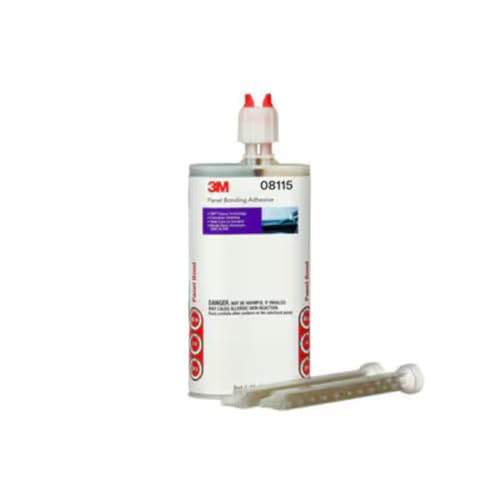
- High-strength automotive panel bonding adhesive (e.g., Sikaflex-221).
- Drill with various bits.
- Professional-grade primer and paint supplies.
- Automotive trim and weather stripping.
Installation Steps Overview
- Alignment & Marking: Temporarily mount the fender flares with tape to mark the precise cut lines on the factory fenders.
- Cutting: Carefully cut the factory front and rear fender sheet metal along the marked lines. This is the most critical step and requires precision.
- Corrosion Prevention: Treat all cut metal edges with a high-quality automotive seam sealer and primer to prevent rust.
- Drilling & Mounting: Drill holes for the rivnuts into the body. Apply panel adhesive to the flare’s contact surface and then secure it by bolting it into the newly installed rivnuts.
- Finishing: Perform any necessary body filler work for a seamless look, followed by sanding, priming, and painting.
Pro-Tip: In my experience, using a high-quality rivnut tool is non-negotiable. Cheaper tools often fail to crimp the rivnuts correctly, leading to loose flares and potential panel gaps. This directly impacts the kit’s structural rigidity.

2. Customizing with the CHD Tuning Widebody Kit

Save this clean, molded look for your dream build!
For those who prefer a more integrated, OEM+ appearance, the CHD Tuning kit (often distributed by TMC Motorsport) is the premium choice. Instead of a bolted look, this kit is designed for seamless integration, where the flares are molded into the car’s body. This process is significantly more labor-intensive and requires a skilled body shop, but the result is a sophisticated and fluid design that looks as if it could have come from the factory. It’s the go-to for a high-end, clean build.
Kit Details & Tools Needed
- Kit Components: Front Fender Replacements (2), Rear Over-Fenders (2), Side Skirts (2), options for front bumper splitter and rear bumper diffuser.
- Material: High-quality FRP, with certain components available in a premium carbon fiber weave.
- Required Tools:
- Professional bodywork tools (sanders, filler spreaders).
- High-grade panel bonding adhesive.
- Body shop clamps and alignment tools.
- Full paint and finishing supplies (this kit requires molding and blending).
- A professional installer is highly recommended.
Installation Steps Overview
- Preparation: Test fit all parts. The factory front fenders are completely removed. The rear quarter panels are cut similarly to other kits.
- Mounting Front: The new, wider front fenders are bolted into the factory locations.
- Bonding Rear: The rear over-fenders are bonded directly to the cut rear quarter panels using a strong panel adhesive.
- Molding & Blending: This is the key step. A body shop basics specialist will use body filler to create a seamless integration between the new flares and the car’s body. There are no visible bolts or seams.
- Finishing: The entire area is extensively sanded, primed, and then the car often requires a partial or full respray to ensure a perfect paint mismatch-free finish.
Pro-Tip: The difference between a good and great CHD kit installation is the blending work. An expert review will always highlight the importance of using a flexible body filler to prevent cracking over time due to body flex and temperature changes, a common fitment issue.
3. Achieving the Ultimate Stance with 500 MADNESS

Pin this ultimate ‘show car’ build to your inspiration board!
When you’re looking for a complete, custom-built solution rather than just a kit, 500 MADNESS is a top-tier destination. They are a well-known chassis specialist in the Fiat/Abarth community and offer full-service custom widebody conversion services. This option is for the owner who wants a guaranteed show-stopping result, often pairing the widebody with other high-end upgrades like Air Lift Performance suspension for bagged wheels and Brembo brakes. It represents a holistic approach where every component is selected to work in harmony.
Kit Details & Tools Needed
- Kit Components: This is typically a full-service conversion. Components are custom-fabricated or sourced and include widebody panels, splitters, diffusers, and often a full respray.
- Material: Varies by project, can be lightweight fiberglass, carbon fiber, or even custom 1-off metal widebody work.
- Required “Tools”: A professional installer, specifically the team at 500 MADNESS or a similarly qualified shop. This is not a DIY endeavor. The key “tool” is a budget for a comprehensive build.
Installation Steps Overview
- Consultation: The process begins with a design consultation to determine the desired final look, including wheel choice, suspension type (air suspension vs coiloovers), and color.
- Fabrication & Fitting: The shop fabricates or prepares the widebody panels. This involves extensive cutting, welding, and fabricating for a perfect fit.
- Suspension & Wheels: The new suspension (often bagged wheels from Air Lift Performance) and custom, negative offset wheels are installed to dial in the perfect stance. This is where offset calculation is critical.
- Bodywork & Paint: The panels are molded and blended into the bodywork for a completely seamless, high-end finish, followed by a show-quality paint job.
- Final Assembly & Alignment: The car is reassembled, and a full suspension alignment is performed to correct the scrub radius and camber adjustment for drivability.
Pro-Tip: When planning a full build like this, the wheel and tire package is just as important as the body kit. To avoid wheel rub, the final offset + fitment must be calculated after the widebody panels and suspension are installed, not before.

4. Fabricating a Giannini Automobili-Inspired Look

Pin this piece of Italian racing heritage to your ‘Dream Garage’ board!
Drawing on deep Abarth heritage, the Giannini Automobili name represents the pinnacle of Italian tuning. Their widebody creations are less about aesthetics and more about pure performance, creating a true track spec edition. These kits are characterized by aggressive, functional vents and massive wings designed to increase downforce and improve high-speed stability. While obtaining an authentic Giannini car is a feat reserved for serious collectors, several manufacturers produce replica kits that emulate this highly functional and menacing style, transforming the Abarth into a machine built for the circuit.
Kit Details & Tools Needed
- Kit Components: Varies by replica manufacturer, but typically includes vented front and rear fender flares, aggressive front bumper with large intakes, and a prominent rear wing.
- Material: Most replicas are lightweight fiberglass, while authentic Giannini parts may use autoclave carbon fiber.
- Required Tools:
- Full professional body shop toolkit.
- Tools for cutting both the fender and potentially the fender liner for vent functionality.
- Panel bonding adhesive and/or plastic welding equipment.
- Extensive finishing and paint supplies.
Installation Steps Overview
- Sourcing: The first step is sourcing a high-quality replica kit, as original Giannini parts are nearly impossible to acquire.
- Major Surgery: Installation is highly invasive. It involves significant cutting of the stock bodywork to fit the new panels and make the vents functional.
- Venting & Ducting: A chassis specialist will often fabricate custom ducting to properly channel air from the vents, maximizing the aerodynamic stability benefits.
- Molding & Mounting: The new panels are bonded and molded to the body for a cohesive, aggressive look.
- Aerodynamic Setup: The front splitter and rear wing angles must be adjusted by a professional to ensure the car is balanced and doesn’t create excessive drag or dangerous aero-imbalance at speed. This goes beyond aesthetics into automotive engineering.
Pro-Tip: A key detail in replicating the Giannini look is ensuring the vents are functional, not just cosmetic. An experienced professional installer will modify the fender liner modification to allow air to escape, reducing lift and brake temperatures. This is a true track tested improvement.
5. Applying a Maxton Design Flare Kit

Pin this subtle and stylish upgrade for your daily driver!
Not everyone wants to cut into their car’s bodywork. For those seeking a less permanent and more affordable solution, Maxton Design offers wheel arch extensions. This product provides a tasteful increase in vehicle width without the need for major surgery. Made from durable ABS plastic, these flares are a fantastic entry point into the world of widebody styling, offering a distinct visual upgrade that is both DIY-friendly and easily reversible.
Kit Details & Tools Needed
- Kit Components: Front wheel arch extensions (2), Rear wheel arch extensions (2).
- Material: Flexible, durable ABS plastic, often available in a gloss black finish requiring no paint.
- Required Tools:
- Automotive trim removal tools.
- Degreaser and surface prep wipes.
- High-bond, double-sided automotive trim tape (e.g., 3M VHB).
- Optional: Small screws and drill for extra security.
Installation Steps Overview
- Surface Prep: Thoroughly clean and degrease the factory fender edges where the flares will be mounted. This is critical for adhesive-based mounting.
- Adhesive Application: Apply the high-bond double-sided tape to the inside contact surface of the Maxton Design flares.
- Alignment & Mounting: Carefully align the flare with the body lines of the wheel arch and press it firmly into place. Use masking tape to hold it securely while the adhesive sets.
- Securing (Optional): For added security, you can drill small pilot holes from the underside of the flare into the plastic fender liner and add a few small screws. This is often not required.
- Finishing: Remove the protective film from the gloss black surface. No painting or finishing is required, making it a much faster process than installing a fiberglass reinforced plastic kit.
Pro-Tip: The key to a long-lasting Maxton installation is meticulous surface prep. I recommend using an adhesion promoter pen on the car’s paint just before applying the flare. This chemically preps the surface for a much stronger bond, preventing adhesive failure in extreme weather.

6. Bolting On a MAS Speed Flare Kit

Pin this raw, functional look for your DIY garage project!
For the hands-on enthusiast who wants full control over their build, MAS Speed offers custom-width bolt-on fender flares. This is a budget-friendly and highly customizable option, allowing you to specify the exact width you need. The flares arrive in an unpainted raw finish, meaning this is a true DIY project that requires significant prep work, from sanding and priming to final painting. This kit is perfect for project cars or for owners who enjoy the process of customizing every aspect of their vehicle.
Kit Details & Tools Needed
- Kit Components: Set of four custom-width fender flares.
- Material: Fiberglass Reinforced Plastic (FRP) in a raw, unfinished state.
- Required Tools:
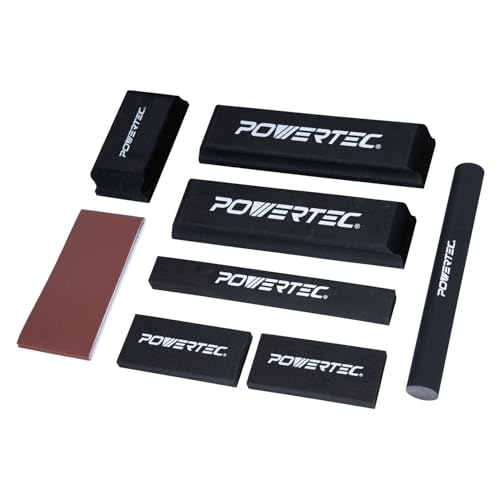
- Full set of body shop basics: sandpapers, primers, fillers.
- Drill and bolts/hardware for mounting.
- Potentially a cutting tool if you opt for a very wide flare that requires fender trimming.
- Weather stripping or rubber trim for the edges.
Installation Steps Overview
- Width Specification: When ordering, you specify the desired width, which determines if cutting the factory fenders will be necessary.
- Extensive Prep: The raw fiberglass must be thoroughly sanded to smooth out imperfections. It needs to be cleaned with a solvent to remove mold release agents.
- Priming and Painting: Apply several coats of a high-build primer, sanding between coats, to achieve a smooth surface. Then, paint the flares to match your car or a contrasting color.
- Drilling & Mounting: Unlike some kits, you must determine the placement of mounting holes. Drill through the flare and into the factory fender, then secure with bolts, screws, or rivnuts.
- Edge Finishing: Apply a rubber trim gasket to the edge of the flare where it meets the body. This helps hide minor imperfections and prevents the flare from chafing the paint, a solution to panel gaps.
Pro-Tip: For a true DIY vs professional install feel, use stainless steel button-head bolts with nylon lock nuts for a secure and visually appealing bolted look. This is a hallmark of the Rocket Bunny style and is much more reliable than using simple screws.
7. Emulating the Liberty Walk (LBWK) Style

Pin this iconic JDM-meets-Italian style for the ultimate statement build!
The Liberty Walk (LBWK) name is iconic in car tuning and synonymous with the most extreme expression of widebody culture. Rooted in Japanese “works” race car heritage, this style is defined by its unapologetic “cut-and-bolt” philosophy, where the factory fenders are visibly cut and overlaid with aggressive, rivet-exposed flares. While an official Liberty Walk Fiat kit is rare, the style can be emulated using universal flares. This approach transforms the appearance of the Abarth into a JDM-inspired icon and is the ultimate choice for making a bold statement within StanceNation culture.
Kit Details & Tools Needed
- Kit Components: This is a style, not a specific kit. It involves sourcing “universal” LBWK-style fender flares.
- Material: Typically Fiberglass Reinforced Plastic (FRP).
- Required Tools:
- An angle grinder is essential.
- Rivet gun and a large quantity of stainless steel rivets/bolts.
- Weather stripping to line the cut edge.
- High-quality touch-up paint or seam sealer for the cut metal edge.
- A very steady hand and a lot of confidence.
Installation Steps Overview
- Flare Placement: Position the universal flare against the body to determine the ideal height and placement for the desired stance.
- Marking the Cut: Trace a cut line on the factory fender about an inch inside the edge of the flare. This line will be visible on the finished car.
- The Point of No Return: Cutting the factory fender along the marked line. This is the defining step of the LBWK style.
- Sealing the Edge: Meticulously file the cut edge smooth and seal it with paint and rubber trim to prevent rust and hide the sharp edge. This step is critical to prevent corrosion prevention failure.
- Drilling and Bolting: Clamp the flare in place, then drill holes through both the flare and the remaining fender lip. Secure the flare with a large number of exposed rivets or bolts for the signature look.
Pro-Tip: The answer to “is cutting fenders necessary for widebody?” is a definitive YES for this style. The aesthetic is about the cut. To get a clean cut, use a new, thin cutting wheel on your grinder and apply masking tape over the cut line to help prevent the paint from chipping as you cut.

Key Takeaways
Here are the most critical points to remember before starting your widebody project:
* Cutting is (Almost) Always Required: Except for subtle add-ons like Maxton Design, a true Fiat widebody conversion that adds significant width will require you to cut the original metal fenders. This is the biggest commitment.
* Material Matters: Lightweight fiberglass (FRP) is standard for most kits and requires extensive prep and paint. More flexible ABS plastic is easier for DIY but less dramatic. Carbon fiber is the premium, lightweight choice.
* DIY vs. Professional Install: A simple bolt-on fender flare kit can be a challenging DIY project. Molded kits like CHD Tuning or full conversions like 500 MADNESS absolutely require a professional installer to avoid fitment issues.
* It’s More Than Just Flares: A successful widebody build is a system. It requires the right wheels (negative offset wheels), tires, and suspension (coilovers or air suspension) to fill the new space and achieve the desired aggressive stance.
* Budget for Finishing: The price of the kit is just the start. Factor in the significant cost of professional bodywork, prep, and paint, which can often exceed the cost of the kit itself.
FAQs About Fiat Widebody Kits
What wheels fit a widebody Fiat 500?
To properly fill a widebody kit, you need wheels with a much lower offset (or even a negative offset) and wider width than stock. A typical widebody setup might use wheels that are 8 to 9 inches wide with an offset between +0 and +20, compared to the stock +35. Using wheel spacers is a less ideal alternative but can help in some cases.
Do widebody kits improve performance?
Yes, a properly executed widebody kit can improve performance by allowing for wider tires, which increases the contact patch and provides more mechanical grip. The enhanced aerodynamic components can also increase downforce and high-speed stability, although this is more relevant for track tested applications than street driving.
How much does a Fiat 500 widebody kit cost?
The cost varies dramatically, from a few hundred dollars for a basic fiberglass flare kit to over $5,000 for a premium carbon fiber kit from a brand like CHD Tuning. This price does not include installation, paint, wheels, or suspension, which can easily double or triple the total project cost.
Is cutting fenders necessary for a widebody?
For any widebody kit that adds significant width (over 1 inch per side), cutting the factory metal fenders is absolutely necessary. This is required to create clearance for the wider wheels and prevent severe wheel rub during suspension travel. Only very subtle flare kits avoid this step.
Can you daily drive a widebody Fiat?
Yes, you can daily drive a widebody Fiat, but it comes with compromises. The wider track makes navigating tight spaces and parking more difficult. Stiff suspension can be uncomfortable, and you risk scraping expensive splitters on driveways. It requires more awareness from the driver.
Are widebody kits street legal?
Legality depends on local regulations regarding tire protrusion. Most states and countries have laws that prohibit tires from extending past the edge of the fender flare. As long as your new, wider flares fully cover the tire tread, the kit itself is typically street legal.
How do you fix widebody kit gaps?
Fixing panel gaps requires careful bodywork. For bolt-on kits, you can sometimes loosen the hardware, apply pressure, and re-tighten to close small gaps. For molded kits, a professional installer must use flexible body filler to build up and sand the area for a seamless integration.
Fiberglass vs. Carbon Fiber: Which is better for a widebody?
Fiberglass is the industry standard due to its balance of cost and rigidity, but it can crack on impact. Carbon fiber is significantly lighter, stronger, and more prestigious, but it comes at a much higher price. For most street applications, fiberglass is sufficient; for track use or show cars, carbon is preferred.
What is the difference between a widebody and a lip kit?
A widebody kit fundamentally changes the car’s width with large fender flares. A lip kit, which includes a front bumper splitter and side skirt splitters, is a more subtle aerodynamic enhancement that adds to the existing bodywork without widening the car’s track.
Can I install a widebody kit myself?
A mechanically skilled individual can perform a DIY installation of a bolt-on flare kit, but it is a very challenging job that involves irreversible cutting. For molded kits or a flawless finish, a DIY vs professional install comparison heavily favors the professional. Mistakes can be extremely costly to fix.
Final Thoughts on Your Fiat Widebody Journey
Embarking on a fiat widebody project is a serious commitment that completely redefines the character of your Abarth 500. It’s a journey that blends personal expression with mechanical precision. Whether you choose a subtle flare or an aggressive, full-panel conversion, the goal remains the same: to create a vehicle that is uniquely yours. By understanding the differences in materials, installation methods, and overall styles, you are now equipped to plan your build with confidence. A well-executed widebody isn’t just a modification; it’s a statement. Which style will you choose to make your statement?
Last update on 2026-03-29 / Affiliate links / Images from Amazon Product Advertising API

![Dubai Luxury Cars: Ultimate Guide for Buying & Renting [year]](https://i0.wp.com/carxplorer.com/wp-content/uploads/2026/03/Dubai-Luxury-Cars-Ultimate-Guide-for-Buying-Renting-year-1.jpg?resize=60%2C60&ssl=1 "Dubai Luxury Cars: Ultimate Guide for Buying & Renting [year] 16")
![9 Old Luxury Cars: Cheap, Reliable & Built to Last [year]](https://i0.wp.com/carxplorer.com/wp-content/uploads/2026/03/9-Old-Luxury-Cars-Cheap-Reliable-Built-to-Last-year-1.jpg?resize=60%2C60&ssl=1 "9 Old Luxury Cars: Cheap, Reliable & Built to Last [year] 18")

![Luxury Cars White: 9 Elegant Designs & Top Models for [year]](https://i0.wp.com/carxplorer.com/wp-content/uploads/2026/03/Luxury-Cars-White-9-Elegant-Designs-Top-Models-for-year-1.jpg?resize=60%2C60&ssl=1 "Luxury Cars White: 9 Elegant Designs & Top Models for [year] 22")
![Blue Luxury Cars: 11 Stunning Models & Shades in [year]](https://i0.wp.com/carxplorer.com/wp-content/uploads/2026/03/Blue-Luxury-Cars-11-Stunning-Models-Shades-in-year-1.jpg?resize=60%2C60&ssl=1 "Blue Luxury Cars: 11 Stunning Models & Shades in [year] 24")