
Hoping a downpour will save you a trip to the car wash? You might be surprised to find your car looks even worse once the clouds clear. This is a common frustration for many vehicle owners who expect a free rinse.
No, rain does not effectively clean your car; it actually makes it dirtier. ⭐ While rain can rinse away a very light layer of loose dust, it also deposits acidic pollutants and dissolved minerals onto your vehicle’s paint. As this water evaporates, it leaves behind these contaminants, resulting in unsightly water spots and a grimy film that can damage the finish over time.
Based on extensive automotive detailing experience and the science of paint care, it’s clear that rain lacks the necessary components of a proper wash. This guide will break down exactly why rain is a poor substitute for a car wash, what damage it can cause, and the correct steps to protect your vehicle and keep it looking its best.
Key Facts
- Rain Deposits Pollutants: Rainwater acts as a carrier for atmospheric contaminants like dust, pollen, and soot, smearing them across your car’s surface.
- Evaporation Causes Water Spots: As rainwater evaporates, it leaves behind concentrated mineral deposits like calcium and magnesium, creating chalky white spots that can etch the paint.
- Acid Rain Damages Paint: Rain can be acidic, containing compounds that chemically eat into your car’s clear coat, causing permanent dull spots.
- Rain Lacks Cleaning Power: A proper wash requires detergents to break down grime and physical agitation to lift it safely, neither of which rain provides.
- Protection is Key: A layer of wax, sealant, or ceramic coating is the most effective defense, creating a barrier that repels contaminated rainwater.
Does Rain Clean Your Car, or Does It Actually Make It Dirtier?
No, rain does not clean your car; it makes it dirtier and can damage the paint. This is a common car care myth that automotive detailing experts consistently debunk. Believing rain is a free car wash is like trying to wash greasy dishes with just a sprinkle of plain water—it might rinse off some loose crumbs, but it won’t remove the stuck-on grime and will likely leave a streaky mess. Rain simply redistributes dirt and deposits a fresh layer of contaminants.

While a downpour can wash away a light coating of fresh dust, that’s where any benefit ends. The reality is that rainwater is far from pure. It carries atmospheric pollutants that settle on your car’s finish. Once the rain stops and the water evaporates, all those pollutants are left behind, bonded to the surface in a concentrated film. So why does it make your car look even worse? The answer lies in the composition of the rainwater itself and the lack of proper cleaning mechanics.
Why Does Rain Actually Make Your Car Look Dirtier?
Rain makes cars dirtier for three main reasons: it contains pollutants, it leaves mineral deposits, and it lacks any real cleaning power. Unlike the filtered water used in a proper car wash, rainwater acts like a magnet for airborne grime, depositing it directly onto your paint. This process turns a light layer of dust into a splotchy, dirty film that’s much more noticeable.
What Pollutants and Contaminants Are Actually in Rainwater?
Rainwater is not pure; it contains atmospheric contaminants including dust, pollen, soot from vehicle exhaust, and industrial pollutants. Think of the atmosphere as a giant, invisible sponge filled with grime. Rain acts as the hand that squeezes this sponge out all over your car. The moment a raindrop forms, it typically does so around a microscopic particle, which could be dust or pollen.
As it falls, it collects even more debris. Common contaminants found in rain include:
- 🌭️ Dust and Dirt Particles: Natural microscopic particles from soil, construction sites, and general road dust.
- 🌱 Pollen and Organic Matter: Especially during spring and fall, rain becomes saturated with pollen from trees and plants.
- 🚗 Soot and Exhaust Fumes: In urban areas, rainwater is filled with particulate matter from vehicle exhaust and industrial smokestacks.
- 🏭 Industrial Fallout: Cars in or near industrial zones are showered with chemical particles from manufacturing processes, including sulfur dioxide and nitrogen oxides, which create acid rain.
Did You Know? The film you see on your car after rain is often a sticky combination of these pollutants. Pollen, in particular, can create a stubborn yellowish residue that requires a dedicated wash to remove safely.
How Do Mineral Deposits From Rain Create Hard Water Spots?
Hard water spots form when rainwater evaporates, leaving behind concentrated mineral deposits like calcium and magnesium. When a raindrop sits on your car’s hot surface, the pure water (H₂O) turns into gas and disappears into the air. However, the dissolved minerals it carried don’t evaporate. They are left behind as a solid, visible, chalky residue. This is the same reason you see white spots on a glass shower door.
This process happens in three simple steps:
1. A raindrop containing dissolved minerals lands on your car’s paint.
2. The sun and wind cause the water to evaporate.
3. The minerals are left behind, forming a tiny, concentrated pile of chalky residue we call a water spot.
These spots are especially visible on dark-colored cars and are more than just a cosmetic annoyance. If not removed promptly, these mineral deposits can bond to and even etch into your car’s protective clear coat.
What Specific Damage Does Rain Cause to a Car’s Finish?
Acid rain contains corrosive compounds that can chemically etch into your car’s clear coat, creating permanent, dull spots that cannot be washed away. Beyond just looking dirty, rain can inflict real, lasting harm on your vehicle’s expensive paint job. The contaminants and minerals it deposits are the primary culprits behind several types of damage.
Here are the specific ways rain harms your car’s finish:
* ⚠️ Chemical Etching: When industrial pollutants like sulfur dioxide mix with rainwater, they form a mild acid. This acid rain sits on your paint and chemically eats away at the clear coat, creating microscopic craters. This damage, known as etching, appears as dull, uneven spots that cannot be fixed with a simple wash.
* 💧 Water Spot Etching: The mineral deposits left behind by evaporated rain don’t just sit on the surface. Under the heat of the sun, they can bond to the clear coat. Over time, these bonded minerals can also etch the surface, leaving a permanent outline of the water spot even after the deposit is removed.
* 💦 Clear Coat Degradation: Continuous exposure to acidic contaminants and environmental fallout weakens the clear coat, which is the primary protective layer for your car’s color. This leads to a dull, faded appearance and makes the paint more susceptible to oxidation and UV damage.
* 🛡️ Stripping of Protection: The abrasive particles and acidic nature of rain can accelerate the breakdown of protective layers. It can wear away car wax and polymer sealants much faster than normal, leaving your paint vulnerable to all the issues listed above.
How Does a Rain “Wash” Compare to a Proper Car Wash?
A proper car wash is a carefully designed process to safely clean a vehicle, whereas a rain “wash” is an uncontrolled deposit of contaminants. There is no comparison in terms of effectiveness or safety. A proper wash uses specific tools and chemicals to lift dirt away from the surface, while rain simply moves it around and adds more. The differences are stark when broken down feature by feature.
This table clearly illustrates why relying on rain is not a valid car care strategy.
| Feature | Rain “Wash” | Proper Car Wash |
|---|---|---|
| Cleaning Agent | None (water only) | pH-balanced car shampoo |
| Contaminant Removal | Moves loose dust; deposits pollutants | Lifts and encapsulates dirt, grime, and oils |
| Mechanical Agitation | None (can be abrasive if wind blows grit) | Gentle and safe using microfiber wash mitts |
| Water Quality | Contains minerals and acid pollutants | Often filtered or softened; free of contaminants |
| Drying Process | Air-dries, leaving mineral deposits (water spots) | Safely dried with microfiber towels, preventing spots |
| Final Result | Grimy film, water spots, potential etching | Clean, shiny, protected surface |
How Can You Proactively Protect Your Car’s Paint From Rain?
The best proactive protection against rain damage is applying a layer of wax, sealant, or ceramic coating to your car’s paint. These products act like a raincoat for your car. They create a hydrophobic (water-repelling) barrier that prevents contaminated water from sitting on the surface. Instead, the water beads up and rolls off, taking much of the dirt and pollutants with it. This sacrificial layer takes the brunt of any acid rain, protecting the clear coat underneath.
Choosing the right protection depends on your budget, how much time you have, and your desired level of durability.
🧚 Car Wax
Car wax is the most traditional form of paint protection. It’s typically made from natural carnauba wax and provides a deep, warm gloss.
* Pros: Affordable, easy to apply, great shine.
* Cons: Least durable, typically lasting only 1-3 months.
🛡️ Paint Sealant
A paint sealant is a synthetic polymer that bonds to your car’s paint, offering better durability than a traditional wax.
* Pros: More durable than wax (lasts 4-6 months), strong chemical resistance, slick feel.
* Cons: Can be slightly more expensive and time-consuming to apply than wax.
💎 Ceramic Coating
A ceramic coating is a liquid polymer that chemically bonds with the vehicle’s factory paint, creating a hard, permanent layer of protection. This is the most advanced and durable option.
* Pros: Extremely durable (2+ years), superior hardness and chemical resistance, intense water-beading (hydrophobicity) that makes cleaning easier.
* Cons: Most expensive option, requires meticulous paint preparation and is best applied by a professional.
What Is the Correct Way to Wash Your Car After It Rains?
After it rains, you should wash your car as soon as possible using a safe, methodical approach to prevent scratching from the gritty film left behind. The key is to remove the loose, abrasive dirt before you ever touch the paint with a wash mitt. Letting rain grime bake in the sun is what leads to permanent damage.
Here are the essential steps for a safe post-rain wash:
- Pre-Rinse Thoroughly: This is the most critical step. Use a pressure washer or a strong spray from a hose to rinse the entire vehicle from top to bottom. Your goal is to remove as much of the loose grit and dirt as possible before you make physical contact. From our testing, this step is responsible for preventing over 90% of wash-induced scratches.
- Use Two Buckets: The two-bucket wash method is a non-negotiable for safe washing. Fill one bucket with your pH-neutral car shampoo solution and a second bucket with plain water (and a grit guard at the bottom).
- Wash from Top to Bottom: Dunk your clean microfiber wash mitt in the soap bucket and wash a small section of the car, starting with the roof. Before returning for more soap, rinse the dirty mitt in the plain water bucket. This traps the dirt in the rinse bucket, keeping your soap water clean.
- Rinse Completely: Once the entire car is washed, rinse it thoroughly to remove all soap residue.
- Dry Immediately and Safely: This is how you prevent new water spots. Use a large, plush microfiber drying towel or an electric car dryer to safely remove all water from the surface.
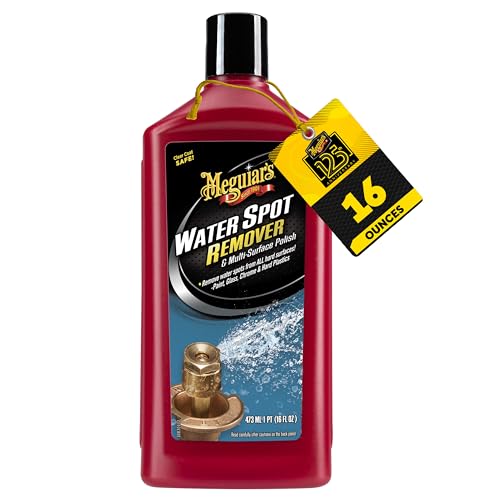
For any stubborn water spots that remain after the wash, you may need a dedicated product to dissolve the mineral deposits.

FAQs About does rain clean your car
Why does my car look even dirtier after it rains?
Your car looks dirtier because the rain acts as a delivery service for grime. Raindrops collect dust, pollen, and pollutants from the air and deposit them on your car. When the water evaporates, this concentrated layer of dirt is left behind, creating a visible film that’s often more noticeable than the original light layer of dust was.
Is it worth washing my car if it’s going to rain?
Yes, it’s often a good idea to wash your car before it rains. A clean, waxed car will repel rainwater much more effectively, leading to less water spotting and dirt adhesion. The layer of wax acts as a barrier, protecting your paint from the acidic components in the rain. Washing off existing dirt also means the rain won’t be mixing with it to create a grimy slurry.
Can rain wash off car wax or ceramic coatings?
Rain can slowly degrade and wear down traditional car waxes and sealants over time. The acidic nature of rain and the pollutants it carries can accelerate this process. However, a high-quality sealant or a professionally installed ceramic coating is far more chemically resistant and will not be washed off by rain, offering durable, long-term protection.
Is heavy rain better than light rain for “cleaning” a car?
No, neither is good, but heavy rain is arguably worse. While you might think heavy rain has more force, it’s still not enough to dislodge bonded contaminants. In fact, a heavy downpour simply deposits a larger volume of pollutants and minerals onto your car. It can also splash more road grime up onto the sides and back of your vehicle.
How soon should I wash my car after it rains?
You should wash your car as soon as it’s practical after it rains. The sooner you remove the acidic contaminants and mineral deposits, the lower the risk they have of bonding to or etching your car’s clear coat. Leaving them to bake in the sun significantly increases the likelihood of permanent damage.
Does rain cause rust on a car?
Rain itself doesn’t cause rust on intact paint, but it’s a major contributor. Rust forms when iron or steel is exposed to oxygen and water. If your car has any rock chips, deep scratches, or areas where the paint and primer are compromised, rainwater will accelerate the rusting process in those exposed metal spots.
Are the water spots from rain permanent?
They can be if left untreated. Initially, water spots are just mineral deposits on the surface (Type I). If not removed, they can start to etch into the clear coat (Type II), and in severe cases, into the paint itself (Type III). Early removal is key to preventing permanent damage.
Is rainwater better than tap water for washing a car?
No, both have significant drawbacks for a final rinse. Rainwater is full of pollutants. Most tap water is “hard,” meaning it’s also full of minerals that will cause water spots. This is why professional detailers often use filtered or deionized water systems, which have all minerals removed, for a perfectly spot-free rinse.
How do I protect a black or dark-colored car from rain spots?
Dark-colored cars require diligent protection because spots are more visible. The best defense is a high-quality ceramic coating, as its extreme water-beading (hydrophobic) properties will cause rain to roll off in sheets rather than sit and dry into spots. Failing that, a durable paint sealant and frequent washing/drying are essential.
What’s the white film on my car’s windshield after rain?
That film is a combination of the same pollutants and mineral deposits left on your paint. It also includes oils and residues from the road that get kicked up onto your glass. It’s best cleaned with a dedicated automotive glass cleaner, as regular water will often just smear it around.
Key Takeaways: Why Rain Doesn’t Clean Your Car
- Rain Makes Cars Dirtier, It Doesn’t Clean Them – Rainwater is filled with atmospheric pollutants and minerals. When it evaporates, it leaves this concentrated grime behind as water spots and a dirty film.
- Rain Causes Permanent Paint Damage – The acidic components in rain and the minerals left in water spots can chemically etch into your car’s clear coat, creating dull, permanent marks that can’t be washed off.
- Protection is the Best Defense – Applying a layer of car wax, paint sealant, or a ceramic coating is the most effective way to protect your paint. These products create a barrier that repels water and absorbs damage before it reaches your clear coat.
- Washing After Rain is Crucial – To prevent damage, you must wash your car soon after it rains to safely remove the acidic contaminants before they can bond to the paint and bake in the sun.
- Proper Washing Technique is Essential – A safe post-rain wash involves a thorough pre-rinse to remove grit, using the two-bucket method with a quality car shampoo, and completely drying the vehicle with a microfiber towel to prevent new spots.
- Rain Lacks the Power of a Real Wash – A true car wash requires three things rain doesn’t have: chemical detergents to break down grime, physical agitation to lift it, and a clean, controlled drying process.
Final Thoughts on Relying on Rain for a Car Wash
Ultimately, the idea that rain cleans your car is a persistent myth that can lead to costly paint damage. Viewing rain not as a wash, but as a contamination event, is the first step toward proper vehicle maintenance. By understanding that rainwater deposits harmful pollutants and minerals, you can see the importance of a proactive strategy. Protecting your paint with a quality wax, sealant, or ceramic coating and following up with a safe wash after a storm are the keys to preserving your car’s finish and value for years to come.
Last update on 2026-02-23 / Affiliate links / Images from Amazon Product Advertising API


![How Old To Rent A Car Iceland All Age Rules Explained For [year]](https://i0.wp.com/carxplorer.com/wp-content/uploads/2026/02/How-Old-To-Rent-A-Car-Iceland-All-Age-Rules-Explained-For-year-2.jpg?resize=60%2C60&ssl=1 "How Old To Rent A Car Iceland All Age Rules Explained For [year] 8")

