
Wondering if your hybrid car actually needs an oil change? You’re not alone, as many drivers are unsure how maintenance works when a gasoline engine and an electric motor are involved. This confusion can lead to costly neglect.
Yes, hybrid cars absolutely require regular oil changes. Although they have an electric motor, their gasoline-powered internal combustion engine still needs oil for lubrication, cooling, and to prevent wear. This oil is critical for the engine’s health and longevity.
Based on industry standards and manufacturer data, this guide will clarify exactly why your hybrid needs oil changes. You will learn how often to do it, what factors change the schedule, and why using the right type of oil is non-negotiable for protecting your investment.
Key Facts
- Longer Intervals Are Standard: A modern hybrid using synthetic oil can typically go 7,500 to 10,000 miles between oil changes, longer than most conventional gas cars.
- Short Trips Are Damaging: Frequent drives under five miles are considered “severe service” because the engine doesn’t get hot enough to burn off moisture, which can lead to damaging sludge and cut oil life in half.
- Synthetic Oil Is the Norm: The vast majority of modern hybrids require low-viscosity full synthetic oil (like 0W-20) to properly protect the engine during frequent start-stop cycles.
- Annual Cost Is Often Lower: While a single hybrid oil change might cost more due to synthetic oil, the less frequent service schedule often results in a lower total maintenance cost per year compared to a gas vehicle.
- Neglect Leads to Failure: Skipping oil changes causes oil to break down and form sludge, which can lead to overheating and catastrophic engine failure, a repair that can cost thousands and is not covered by warranty.
Do Hybrid Cars Need Oil Changes?
Yes, hybrid cars absolutely require regular oil changes. This is a non-negotiable part of hybrid car maintenance. Although a hybrid vehicle uses a combination of an electric motor and a gasoline engine, that internal combustion engine shares the same fundamental needs as one in a conventional car. The oil’s primary job is to lubricate moving parts, reduce friction, and carry away contaminants, making it a critical fluid for engine health and longevity.

The presence of the electric motor helps reduce the overall workload and runtime of the gasoline engine, but it does not eliminate the need for motor oil. The engine still runs to charge the battery, provide extra power for acceleration, and operate at higher speeds. During every moment it runs, it relies on clean, effective oil to prevent wear and tear. According to industry standards followed by all ASE certified mechanics, failing to change the oil is one of the most damaging things you can do to your hybrid.
Think of it this way: the electric motor gives the gasoline engine frequent breaks, but it doesn’t do its job for it. Whenever the gasoline engine is called into action, it needs oil to survive. This makes regular oil changes just as important for a hybrid as for any other car on the road.
Why Do Hybrids Still Need Oil Changes If They Use an Electric Motor?
Even though an electric motor reduces how often the gasoline engine runs, the engine still generates significant friction, heat, and contaminants whenever it’s active. Motor oil is the lifeblood that manages these forces. Hybrids need oil changes because the oil performs three critical jobs that the electric motor cannot.
- ✅ Lubrication: This is oil’s most important function. It creates a thin, protective film between the engine’s moving parts, such as the pistons, cylinders, and bearings. This film prevents direct metal-on-metal contact, which would otherwise cause rapid and severe engine wear. Without this lubrication, the friction would quickly lead to overheating and component failure.
- ✅ Cleaning: As the engine runs, it produces byproducts like soot and tiny metal particles from normal wear. The oil circulates and traps these harmful contaminants, suspending them so they don’t form damaging sludge. The oil filter then removes this debris from circulation. Over time, the oil becomes saturated and can no longer hold more contaminants, which is why it must be drained and replaced.
- ✅ Cooling: While the car’s cooling system does most of the work, engine oil plays a vital role in carrying heat away from the hottest parts of the engine, like the pistons and cylinder walls. This process helps maintain a stable operating temperature and prevents parts from warping or failing due to excessive heat. As oil degrades, its ability to dissipate heat diminishes.
Even with reduced runtime, these three functions are essential. The processes of oil degradation and contamination still occur, making a fresh supply of clean oil necessary to keep the internal combustion engine in optimal condition.
How Often Does a Hybrid Car Need an Oil Change?
As a general rule, a modern hybrid car using synthetic oil needs an oil change every 7,500 to 10,000 miles or once a year, whichever comes first. Because the gasoline engine runs less frequently, hybrids enjoy a longer oil change interval than many conventional gas-powered cars, which often require changes every 5,000 to 7,500 miles.
However, a generic interval isn’t the final word. To get the most accurate schedule for your specific vehicle, you should always follow the two most reliable sources of information:
- Your Owner’s Manual: This is the ultimate source of truth. The manufacturer, such as Toyota or Honda, has tested your vehicle extensively and provides the official, factory-recommended interval. For many modern
2026models like the Toyota Prius, this is often 10,000 miles or 12 months. - Your Car’s Oil Life Monitor: Most modern hybrids are equipped with a maintenance reminder system. This system tracks engine operating conditions, mileage, and time to tell you precisely when a change is needed. It is a smart tool that adjusts to your specific driving habits.
The best practice is to follow the oil life monitor while still treating the owner’s manual interval as the absolute maximum. Never go beyond the time or mileage recommended by the manufacturer, even if the monitor says you have life left.
What Is the Difference Between the Manufacturer’s Schedule and the Oil Life Monitor?
It’s a common point of confusion: should you follow the sticker on your windshield or the light on your dash? The answer is to use both as part of a smart maintenance strategy.
The Manufacturer’s Schedule found in your owner’s manual is a fixed, maximum interval (e.g., 10,000 miles or 12 months). Think of this as the “do not exceed” date. It’s a fail-safe designed to protect your engine under average conditions.
The Oil Life Monitor, on the other hand, is a dynamic and generally more accurate tool. It doesn’t actually test the quality of your oil. Instead, it uses a computer program that tracks various data points—like engine revolutions, operating temperature, and trip duration—to calculate the remaining life of your oil. If you drive under harsh conditions, the monitor will recommend an earlier oil change.
The best practice is to change the oil when the monitor indicates it’s time, or when you reach the manufacturer’s time or mileage limit—whichever comes first. This approach gives you the personalized accuracy of the monitor with the safety net of the factory schedule.
What Factors Influence a Hybrid’s Oil Change Interval?
While a 10,000-mile interval is a good baseline, several factors can cause your oil to degrade faster, requiring more frequent changes. These are often grouped by manufacturers under the label “severe driving conditions.” If your driving habits fall into this category, you may need to cut your oil change interval in half (e.g., to 5,000 miles or 6 months).
Here are the four key factors that can shorten your hybrid’s oil change interval:
- Frequent Short Trips: This is the single most demanding condition for your engine’s oil. If most of your drives are under 5 miles, the engine doesn’t get hot enough to burn off moisture and fuel that contaminate the oil, leading to sludge.
- Extreme Temperatures: Driving in consistently high heat (over 90°F) causes oil to break down and thin out more quickly. Conversely, driving in extreme cold makes the oil thicker and puts more strain on the engine during cold starts.
- Towing or Heavy Loads: Putting extra strain on the powertrain generates more heat in the engine. This additional thermal stress accelerates the rate at which the oil oxidizes and loses its protective properties.
- Oil Type: The type of oil you use has a direct impact. Conventional oil breaks down much faster and is not recommended for most modern hybrids. Full synthetic oil is designed to resist breakdown under heat and stress, which is why it’s essential for achieving those long 10,000-mile intervals.
How Do Short Trips and Stop-and-Go Driving Affect Hybrid Oil?
Short trips are particularly harmful to a hybrid’s engine because the gasoline engine doesn’t reach its optimal operating temperature. An engine needs to get hot (over 212°F or 100°C) to be healthy. This heat is necessary to boil off two key contaminants that accumulate in the oil during cold starts.
- Water: Condensation naturally forms inside a cold engine. If the engine doesn’t get hot enough for long enough, this water mixes with the oil, a process called emulsification. This creates a milky, thick substance known as engine sludge, which clogs narrow oil passages and starves parts of lubrication.
- Fuel: During a cold start, a small amount of unburnt gasoline can slip past the piston rings and mix with the oil. This “fuel dilution” thins the oil, reducing its viscosity and severely compromising its ability to lubricate and protect engine components.
Because a hybrid’s engine shuts off frequently in city driving, it spends more time in a cold or warm-up state. This makes it especially vulnerable to sludge formation if you primarily take short trips. This is why low-mileage city driving is considered a severe condition that demands more frequent oil changes.
How Do Hybrid Oil Change Intervals Compare to Gas-Powered Cars?
Hybrid cars generally have longer oil change intervals than comparable gas-powered cars. This is one of the key maintenance benefits of owning a hybrid. The extended interval is possible simply because the hybrid’s internal combustion engine is not running 100% of the time, leading to less wear, less heat, and slower oil degradation.
Here’s a typical comparison for modern 2026 vehicles that both use full synthetic oil:
| Feature | Typical Hybrid Car | Typical Gas-Powered Car |
|---|---|---|
| Oil Change Interval | 7,500 – 10,000 miles | 5,000 – 7,500 miles |
| Time Interval | 12 months | 6-12 months |
| Recommended Oil Type | Synthetic (e.g., 0W-20) | Conventional or Synthetic |
| Engine Run Time | Intermittent | Constant |
| Typical Annual Changes | 1-2 | 2-3 |
This difference means that over the course of a year, a hybrid owner will likely visit the service center less often and spend less money on oil change services, contributing to a lower total cost of ownership.
Is Synthetic Oil Required for Hybrid Cars?
Yes, most modern hybrid vehicles require full synthetic oil. While some much older models may have permitted conventional oil, virtually every hybrid sold today is filled with synthetic oil at the factory and specifies its use in the owner’s manual. Using anything else can lead to engine damage and may even void your warranty.
Manufacturers specify synthetic oil because it offers three key advantages that are crucial for the unique demands of a hybrid engine:
- 🔧 Superior Flow: Synthetic oil, especially a low-viscosity type like 0W-20, flows much more easily at cold temperatures. In a hybrid that starts and stops its engine frequently, this ensures that oil circulates instantly to protect parts the moment the engine kicks on.
- 🌡 Higher Stability: It is engineered to resist breaking down under high heat and stress. This thermal stability is essential for protecting the engine during high-load situations and contributes to its longer life.
- 📅 Longer Lifespan: The chemical purity and advanced additives in synthetic oil allow it to maintain its protective qualities for a much longer period. This is what makes the 7,500 to 10,000-mile oil change intervals possible.
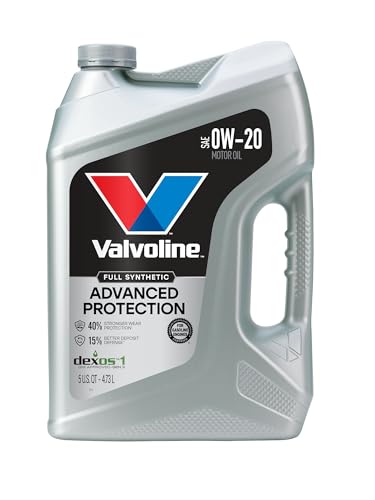
The higher upfront cost of synthetic oil is a necessary investment. It provides a superior level of protection that is engineered specifically for the start-stop nature of a hybrid powertrain, ensuring engine longevity and performance.
What Happens If You Don’t Change the Oil in a Hybrid Car?
Failing to change the oil in your hybrid is one of the most damaging forms of neglect, leading to a cascade of expensive and irreversible problems. When oil isn’t changed, it becomes saturated with contaminants and breaks down from heat, losing its ability to lubricate.
Here is what happens when you skip oil changes:
- Reduced Performance & MPG: Dirty, broken-down oil increases friction inside the engine. The engine must work harder to overcome this resistance, which reduces its power output and hurts your fuel economy.
- Sludge Buildup: The contaminated oil thickens into a tar-like sludge. This sludge clogs the small oil passages inside the engine, starving critical components like bearings and camshafts of lubrication.
- Overheating: Old oil loses its ability to effectively transfer heat away from the engine’s hottest parts. This can lead to engine overheating, which can warp or crack major components like the cylinder head.
- Accelerated Wear: Without a clean film of oil, metal parts begin to grind directly against each other. This causes rapid, catastrophic wear that cannot be reversed.
- Catastrophic Engine Failure: Ultimately, the lack of lubrication will cause a major component to seize or break. This is a complete engine failure, often requiring an engine replacement that costs thousands of dollars and is never covered by the vehicle’s warranty.
FAQs About does hybrid car need oil change
Do plug-in hybrids (PHEVs) need oil changes?
Yes, plug-in hybrids require oil changes, but often much less frequently than standard hybrids. Because a PHEV can run on pure electric power for a significant range (e.g., 25-50 miles), its gasoline engine may run very infrequently. Some PHEVs can go up to two years between oil changes, but you must follow the oil life monitor and owner’s manual, as old oil can still degrade over time.
Are hybrid oil changes more expensive?
The cost per oil change can be slightly higher for a hybrid, but the annual cost is often lower. This is because most hybrids require full synthetic oil, which is more expensive than conventional oil. However, since you are changing the oil less frequently (e.g., once a year vs. twice a year for a gas car), your total maintenance spending on oil changes over the year is typically reduced.
Can I change the oil in my hybrid car myself?
Yes, if you have the right tools and experience, you can perform a DIY oil change on a hybrid. The process is very similar to a conventional car, involving draining the old oil, replacing the oil filter, and refilling with the correct type and amount of new oil. Always consult a service manual for your specific model and be sure to dispose of the used oil properly.
Do hybrid cars have oil filters?
Yes, hybrid cars have an oil filter that needs to be replaced with every oil change. The oil filter is a critical component that traps dirt, metal particles, and other contaminants, preventing them from circulating and damaging the engine. Using a high-quality, OEM-specification oil filter is essential for proper engine protection.
What type of oil do Toyota hybrids like the Prius use?
Most modern Toyota hybrids, including the Prius and RAV4 Hybrid, specify a low-viscosity, full synthetic oil like SAE 0W-20. This type of oil provides the best protection and fuel economy for their Atkinson-cycle engines. Always check your owner’s manual for the exact specification for your vehicle’s model year.
How do I check the oil level in a hybrid car?
You check the oil level in a hybrid the same way you do in a gas car. Park the car on a level surface and turn off the engine. Wait a few minutes for the oil to settle in the pan, then remove the dipstick, wipe it clean, reinsert it fully, and pull it out again. The oil level should be between the “Full” and “Add” marks.
Does a hybrid’s engine run less, causing the oil to last longer?
Yes, this is the primary reason for extended oil change intervals in hybrids. The gasoline engine shuts off at low speeds, while stopped, and during coasting, with the electric motor taking over. This reduced runtime means fewer engine revolutions, less heat, and slower oil degradation compared to a car where the engine is always running.
Does my hybrid need an oil change if I only drove 3,000 miles last year?
Yes, you should still change the oil. Almost all manufacturers recommend an oil change based on mileage OR time, whichever comes first (e.g., 10,000 miles or 12 months). Oil degrades over time due to oxidation and moisture contamination, even if the car isn’t driven much. Low-mileage driving with short trips is considered a “severe” condition that requires at least an annual change.
What color should hybrid engine oil be?
New engine oil is typically a translucent, amber color. As it circulates, it will naturally turn dark brown or black as it cleans the engine and suspends soot and other particles. Dark oil is not necessarily bad, but if it is very thick, gritty, or milky, it is a sign of severe contamination and an immediate oil change is needed.
Does regenerative braking affect the engine or oil?
Regenerative braking does not directly affect the engine oil, but it contributes to longer oil life. By using the electric motor to slow the car, regenerative braking reduces the need for the gasoline engine to be running during deceleration. This is another factor that contributes to the lower overall runtime of the hybrid’s engine, thus extending the life of the oil.
Key Takeaways: Hybrid Car Oil Change Summary
- Hybrid Cars Absolutely Need Oil Changes: Despite having an electric motor, the internal combustion engine in a hybrid requires oil for lubrication, cleaning, and cooling to prevent catastrophic failure.
- Intervals Are Longer: A modern hybrid using synthetic oil typically has an oil change interval of 7,500 to 10,000 miles or 12 months, which is longer than most conventional gas cars.
- Your Manual Is the Ultimate Guide: Always prioritize the factory-recommended interval found in your vehicle’s owner’s manual and pay attention to the Oil Life Monitoring system.
- Short Trips Are Severe Service: Frequent trips under 5 miles are the worst-case scenario for a hybrid’s oil, causing moisture and fuel contamination that can lead to engine sludge. This may require you to cut your oil change interval in half.
- Synthetic Oil Is the Standard: Most modern hybrids require low-viscosity (e.g., 0W-20) full synthetic oil to handle frequent start-stops and protect the engine, justifying its higher cost.
- Neglect Is Expensive: Skipping oil changes leads to sludge, overheating, and ultimately, complete engine failure—a repair costing thousands of dollars that will not be covered under warranty.
- Annual Cost Is Lower: While a single synthetic oil change may cost more, the less frequent need for service means the total annual maintenance cost for oil changes is typically lower for a hybrid than for a comparable gas car.
Final Thoughts on Your Hybrid’s Maintenance
Understanding that your hybrid car requires regular oil changes is the first and most important step in protecting your vehicle for the long term. While the electric motor provides incredible efficiency and reduces engine strain, it does not eliminate the fundamental need for clean oil. By following your manufacturer’s recommended schedule, using the specified synthetic oil, and paying attention to your driving habits, you ensure that both of your vehicle’s powertrains work in harmony for years to come. What’s been your experience with hybrid maintenance?
Last update on 2026-02-23 / Affiliate links / Images from Amazon Product Advertising API




![How Old To Rent A Car Iceland All Age Rules Explained For [year]](https://i0.wp.com/carxplorer.com/wp-content/uploads/2026/02/How-Old-To-Rent-A-Car-Iceland-All-Age-Rules-Explained-For-year-2.jpg?resize=60%2C60&ssl=1 "How Old To Rent A Car Iceland All Age Rules Explained For [year] 8")

