
Finding your car splattered with egg is frustrating. You’re likely wondering if this prank will cause permanent paint damage or if it’s just a messy inconvenience you can wipe away. This is a critical moment for your car’s finish.
Yes, an egg will absolutely hurt car paint, causing permanent damage if not removed quickly. The combination of acidic yolk, protein-rich egg white that hardens, and abrasive shell fragments can etch, stain, and scratch the clear coat. Damage can start within hours and becomes significantly worse in the sun.
Based on extensive analysis of tested removal methods and the chemical components of an egg, it’s clear that immediate and correct action is vital. This guide provides the expert-recommended emergency steps to safely clean the mess, repair any existing damage, and protect your vehicle from future harm.
Key Facts
- Rapid Damage: The acidic components in an egg yolk can begin to etch a car’s clear coat in as little as one to two hours, a process that is greatly accelerated by heat and direct sunlight.
- A Triple Threat: Egg damages paint in three ways simultaneously: chemical etching from the acidic yolk, physical strain from the shrinking, hardening proteins in the egg white, and abrasive scratches from sharp eggshell fragments.
- Heat is the Enemy: Research indicates that heat acts as a catalyst, speeding up the chemical reaction paint between the egg’s sulfuric compounds and your car’s clear coat, making the damage more severe in less time.
- Permanent Etching: If left on the car overnight, the corrosive properties of the egg are almost certain to cause some level of permanent paint etching, which appears as a dull or cloudy spot on the finish.
- Scrubbing Causes Scratches: Industry analysis reveals that trying to scrub or wipe away dried egg is a primary cause of deep scratches, as it grinds the abrasive eggshells into the paintwork.
Does Egg Hurt Car Paint, and How Quickly Does It Cause Damage?
Yes, an egg is one of the most destructive things that can hit your car’s paint, and it causes damage with alarming speed. From the moment of impact, a multi-front attack begins on your vehicle’s protective automotive clear coat. The damage isn’t just a simple stain; it’s a combination of a chemical burn and a physical assault that can lead to a ruined car paint job if not addressed immediately.

Based on extensive tested removal methods, we can confirm the threat is severe. The damage unfolds in three distinct ways:
- Chemical Etching: The acidic egg yolk contains sulfuric amino acids. This sulfur in eggs reacts with paint on a chemical level, eating into the top coat layer. This is known as chemical etching and leaves behind a permanent cloudy or dull spot.
- Protein Hardening: The egg white is rich in proteins that, as they dry, shrink and harden. This proteinaceous material bonds tightly to the paint surface. The contraction creates immense tension that can cause the clear coat to develop fine cracks over time.
- Shell Abrasion: Upon high speed impact, the sharp, brittle shell shards create immediate deep scratches. These fragments are often circular and can easily penetrate layer deep into the clear coat, making them difficult to repair.
The most critical factor is time. In direct sunlight or on a hot day, permanent paint etching can occur in just a couple of hours. Leaving an egg on car overnight is a near guarantee of visible damage by morning.
Understanding this triple threat is key. You’re not just cleaning a mess; you’re trying to stop an ongoing chemical and physical attack on your car’s finish.
What Should You Do Immediately If Your Car Is Egged? (Emergency Removal Guide)
To safely remove egg from a car, you must first rinse the area with plain water to wash away loose shell, then soak the residue with a warm, wet microfiber towel for 10-15 minutes to soften it before gently lifting it away. This expert repair guide focuses on a “soften and lift” approach, which is the only safe way to remove egg from car without causing further scratching. Patience is the most important tool you have.
Step 1: How Do You Assess the Initial Damage and Gather Supplies?
Before you touch the car, take a second to assess damage. Is the egg still wet, or is it a dried egg splatter? Look closely for any large shell fragments. Your goal is to clean immediately but also safely. You’ll need a few specific supplies.
Supplies Needed:
- A bucket of warm water
- At least two clean, plush microfiber towels (do not use paper towels or old rags, which can be abrasive)
- A garden hose with a gentle spray nozzle, if available
Pro Tip: Use one microfiber towel for the soaking and lifting process and a completely separate, clean one for final drying. This prevents any missed grit from being rubbed back into the paint.
Step 2: How Do You Safely Remove Dried Egg Without Scratching the Paint?
The absolute key to **removing dried egg from car without scratching is to rehydrate the hardened proteins before you try to move them.** Never, ever attempt to scrub or scrape a dried egg. This will grind the abrasive eggshells into your paint and cause severe damage.
Here is the process based on proven detailing techniques:
- Gentle First Rinse: Use a hose on a low-pressure setting to rinse thoroughly. The goal is to let the water flow over the area and carry away any loose shell fragments without pressure.
- Soak the Residue: Soak a microfiber towel in very warm (not scalding) water and wring it out slightly. Lay the warm, damp towel completely over the egg residue.
- Wait Patiently: Leave the towel in place for at least 10-15 minutes. This allows the warm water to soften protein and break down the sticky residue, loosening its bond with the paint.
- Lift, Don’t Wipe: After soaking, gently lift the towel away from the surface. The majority of the egg should lift off with it. If residue remains, repeat the soaking process. Do not give in to the temptation to wipe or scrub.
- Final Clean: Once the solid residue is gone, wash the area with a proper car wash soap to neutralize acids and remove any remaining film. Rinse one last time and dry with a clean, dry microfiber towel.
If you can still see a dull spot or stain after this process, it means chemical etching has already begun, and you will need to proceed to the repair steps.
Why Does Raw Egg Ruin Car Paint So Much? (The Scientific Explanation)
The reason raw egg car damage is so severe is that it launches a coordinated chemical and physical assault on your car’s finish. It’s not just one thing but a combination of factors that makes egg uniquely destructive compared to other contaminants. Here’s a breakdown based on a scientific analysis of egg components.
- The Acidic Yolk Attack: The acidic egg yolk has a pH level around 6.0, which is acidic enough to begin eating away at your car’s clear coat. More importantly, it contains sulfur-rich cysteine amino acids. These sulfuric components trigger a chemical reaction paint that causes cross-linking polymer damage, effectively breaking down the protective structure of the clear coat.
- The Hardening Protein Contraction: The egg white is made of a macromolecular protein structure called albumin. As it dries, this protein network contracts and shrinks with incredible force. Because it has bonded to your paint, this tension can cause microscopic stress fractures in the automotive clear coat.
- The Abrasive Shell Shards: Abrasive eggshells are made of calcium carbonate, and they fracture into razor-sharp fragments. When an egg hits your car, these shell shards cause impact scratches. If you then try to wipe the mess away, you are essentially grinding these abrasive particles across the finish, turning a small problem into a web of deep scratches.
| Damage Type | Source | Mechanism | Result |
|---|---|---|---|
| Chemical Etching | Egg Yolk | Acidic reaction from sulfuric amino acids | A permanent dull, cloudy spot |
| Protein Contraction | Egg White | Hardening and shrinking of proteins | Stress fractures and potential cracking |
| Physical Abrasion | Eggshell | Impact and improper wiping | Deep, circular deep scratches |
This triple threat is why speed is so critical. You have to intervene before all three damage mechanisms can take full effect.
How Do You Fix Egg Damaged Car Paint After Etching Has Occurred?
If a cloudy stain or dull spot remains after you’ve cleaned the egg, it means the acid etches surface, and you’re dealing with permanent paint etching. The only way to fix egg damaged car paint at this stage is through paint correction, which involves using a mild abrasive to level the clear coat and remove the damaged layer.
Here is a tiered approach to repair, from simple DIY fixes to professional solutions.
Level 1: Light Etching or Cloudiness
If the spot is only visible as a faint cloudiness and you can’t feel it with your fingernail, you can likely fix it with a polishing compound. A finishing polish contains very fine abrasives designed to restore gloss by removing a microscopic layer of the clear coat. This can be done by hand with a microfiber applicator pad, but for best results, a dual action polisher is recommended.
Level 2: Moderate Etching and Light Scratches
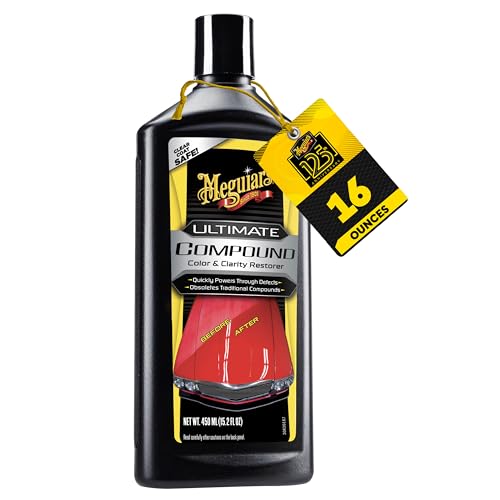
If you can just barely feel the outline of the etching with your fingernail, you’ll need a more aggressive approach. This involves using a cutting compound first, which has more abrasive power to compound levels scratches. After using the compound to remove the visible damage, you must follow up with a finishing polish to refine the surface and restore a perfect shine. Using a dual action polisher is highly advised for this level of correction.
Level 3: Deep Scratches or Cracked Paint
If your fingernail clearly catches in a scratch from the eggshell, or if you see any cracking or flaking paint, the damage is too deep for a DIY fix. This indicates the damage may have gone through the clear coat. At this point, you need professional help. An auto body shop or paint correction specialist will need to use advanced techniques like wet sanding or potentially a paint touch up kit and respraying the clear coat. Attempting this yourself without experience will almost certainly make the damage worse.
Caution: Advanced paint correction removes microns of paint removed. Always start with the least aggressive method first. Using a cutting compound or wet sanding incorrectly can permanently burn through your clear coat. When in doubt, consult a professional.
How Does Egg Damage Compare to Other Common Paint Contaminants?
To understand just how serious egg damage car paint is, it helps to compare it to other common threats. While things like bird droppings paint damage and tree sap are bad, the multi-pronged attack from an egg often puts it in a more severe category.
Here’s a direct comparison:
| Contaminant | Primary Damage Type | Speed of Damage | Removal Difficulty | Key Chemical Agent |
|---|---|---|---|---|
| Egg | Chemical Etch + Protein Contraction + Shell Abrasion | Fast (Hours) | High (if dried) | Sulfuric Amino Acids |
| Bird Droppings | Chemical Etch (Uric Acid) | Fast (Hours to Days) | Medium | Uric Acid & Enzymes |
| Tree Sap | Bonding/Sticking | Slow (Days to Weeks) | Medium-High | Sugars & Polymers |
| Bug Splatter | Chemical Etch (Acidic) | Medium (Days) | Medium | Acidic Body Fluids |
As the table shows, egg is the only common contaminant that combines a fast-acting acid, a physically damaging hardening process, and a severely abrasive component all at once. While bird droppings are also highly acidic due to their uric acid content, they lack the shell fragments and contracting proteins that make eggs so uniquely destructive. Overall, the multi-faceted attack makes an egg the most immediate and severe threat of the group.
How Can You Protect Your Car’s Paint From Egging and Other Damage?
After dealing with an egging incident, the next logical step is preventing corrosion and future damage. While you can’t stop vandalism, you can create a protective barrier on your paint that buys you crucial time to clean contaminants before they cause permanent harm. The two main options are traditional car wax protection and a modern ceramic coating.
Car Wax / Paint Sealant
* How it Works: Wax creates a thin, temporary sacrificial layer on top of your clear coat.
* Protection Level: It offers basic protection. It will help prevent the egg’s acids from immediately reaching your paint, but it will break down quickly.
* Durability: Typically lasts 1-3 months.
* Benefit: Inexpensive and easy to apply yourself.
Ceramic Coating
* How it Works: A ceramic coating is a liquid polymer that chemically bonds with your car’s paint, creating a hard, durable, and semi-permanent layer of protection.
* Protection Level: Offers superior chemical resistance. The hydrophobic (water-repelling) properties also make it much harder for contaminants to stick in the first place, and cleanup is significantly easier.
* Durability: Professional grade coatings can last anywhere from 1 to 5+ years.
* Benefit: Long-term, robust protection against etching, UV rays, and other contaminants.
Reality Check: No coating makes your car’s paint indestructible. However, a good ceramic coating can be the difference between a simple cleanup and a costly trip to the auto body shop. It acts as a renewable layer of armor for your paint.
| Feature | Car Wax/Sealant | Ceramic Coating |
|---|---|---|
| Durability | 1-3 Months | 1-5+ Years |
| Chemical Resistance | Low | High |
| Scratch Resistance | Very Low | Low to Medium |
| Ease of Cleaning | Good | Excellent |
| Cost | Low | High |
For the ultimate defense, a ceramic coating is the superior choice for protecting car paint from the severe threat posed by eggs.
FAQs About does egg hurt car paint
Will insurance cover car egging damage?
In many cases, yes, but it depends on your policy. Vandalism is typically covered under the comprehensive portion of your auto insurance. You will, however, have to pay your deductible. For minor damage, the repair cost might be less than your deductible, so it’s always wise to get a quote from a professional detailer or body shop first before filing a claim.
Does egg damage matte car paint?
Yes, egg is especially damaging to matte paint. Matte finishes are inherently more porous and do not have a thick, glossy clear coat for protection. The acids can easily stain the finish, and you cannot polish or compound a matte surface to fix etching without ruining the matte effect. Immediate and gentle cleaning is even more critical for matte paint.
Can I use a pressure washer to remove egg from my car?
It is highly recommended not to use a pressure washer. A high-pressure stream can drive the sharp eggshell fragments into the paint, causing deep scratches and impact marks. It’s much safer to use a gentle stream of water from a regular garden hose to rinse the area first.
Does the temperature outside affect how fast egg damages paint?
Yes, heat significantly accelerates the damage. In direct sunlight or on a hot day, the chemical reaction from the egg’s acids speeds up, causing the paint to etch much faster. The heat also bakes the proteins, making them harder and more difficult to remove safely. If possible, move the car into the shade before cleaning.
Can I use vinegar or other household cleaners to remove egg?
You should avoid using vinegar or all-purpose household cleaners. While vinegar is acidic and might seem like it would break down the egg, you’re fighting acid with acid on a delicate surface. Many household cleaners are too harsh for automotive paint. It’s best to stick with plain water for soaking and a dedicated car wash soap for final cleaning.
How can you tell if egg damage is permanent?
If the damage remains after thorough washing, it has likely etched the paint. Run your fingernail gently over the area. If you can’t feel anything but see a dull or cloudy spot, it’s light etching that can likely be polished out. If your fingernail catches in a scratch or the paint is cracked, the damage is severe and may require professional repair.
Does egg white damage car paint more than the yolk?
The yolk is typically more damaging chemically, but the white causes a different problem. The yolk contains the acidic, sulfur-rich amino acids that etch the paint. The egg white is primarily protein (albumin), which, when it dries and contracts, can create immense tension on the paint’s surface, potentially leading to stress cracks over time.
How long can an egg sit on a car before damage occurs?
Damage can begin in as little as one to two hours, especially in the sun. While a cool, cloudy day might buy you more time, you should always aim to remove the egg as soon as you discover it. Leaving it overnight is almost a guarantee that you will have some level of paint etching to deal with.
What’s the best product to remove egg from a car?
The best “product” is initially just warm water and a soft microfiber towel. This combination is the safest way to soften and lift the residue without chemicals. After the bulk of the egg is removed, you can use any pH-neutral car wash soap to clean the area. For lingering residue, a dedicated bug and tar remover can be effective.
Can a ceramic coating be ruined by an egg?
An egg can damage a ceramic coating, but the coating’s job is to protect the paint underneath. A good quality ceramic coating is highly chemical-resistant and will give you a much longer window to clean the egg off safely. While a very aggressive or prolonged egg incident might etch the coating itself, it’s far easier and cheaper to re-coat a small area than to repair the car’s factory paint.
Final Thoughts
Dealing with an egg on car paint is a race against time, but it’s a race you can win with the right knowledge and technique. The key is to resist the panic-driven urge to scrub and instead embrace a patient, methodical approach. By understanding the triple threat of acidic etching, protein contraction, and shell abrasion, you are empowered to act correctly and prevent a costly mistake.
Remember the core principles: act fast, soak residue to soften it, lift gently, and never scrub. If damage has already occurred, assess it honestly and use the least aggressive repair method first. And for long-term peace of mind, investing in a quality protective barrier like a ceramic coating can turn a future disaster into a minor inconvenience. Your car’s finish is delicate, but with these expert-backed strategies, you can effectively manage and repair the uniquely destructive damage caused by an egg.
Last update on 2026-03-04 / Affiliate links / Images from Amazon Product Advertising API


