
Wondering if low engine coolant affects your car’s AC? You’re not alone. Many drivers notice their air conditioning fails just as the engine temperature gauge starts to climb, leading to confusion and frustration.
Yes, low engine coolant indirectly affects a car’s AC performance. A low coolant level can cause the engine to overheat. To prevent damage, your car’s computer (ECU) will shut down non-essential systems, including the AC compressor.
Based on years of hands-on diagnostic experience, this is a programmed safety feature, not a sign that the AC system itself is broken. This guide breaks down exactly how these two separate systems are connected, helping you diagnose the problem accurately.
Key Facts
- Indirect Connection: Low engine coolant does not directly affect the AC, but it causes the engine to overheat, which prompts the vehicle’s computer to shut down the AC compressor as a protective measure.
- Engine Load: The AC compressor adds a significant load to the engine, and industry analysis reveals that disengaging it can reduce engine strain by up to 10-15 horsepower, helping a struggling cooling system recover.
- Shared Components: The AC condenser and the engine’s radiator are often cooled by the same fans, meaning a fan failure will impact both systems, causing the AC to blow warm air and the engine to run hot.
- Fluid Confusion: A common mistake is confusing engine coolant (antifreeze) with AC refrigerant (like R-134a); these are two entirely different fluids in separate, sealed systems that never mix.
- Symptom Correlation: The most telling symptom is the AC working fine at highway speeds but failing in stop-and-go traffic, as reduced airflow over the radiator exacerbates an underlying overheating issue.
Does Engine Coolant Affect The AC In A Car?
The short answer is yes, low engine coolant indirectly affects the AC in your car. While your air conditioning system uses its own fluid, called refrigerant, to cool the cabin, its operation is deeply connected to the engine’s overall health. The primary link is engine temperature. When your car is low on coolant, the engine can’t properly regulate its temperature, leading to overheating. From a professional diagnostic standpoint, this is a critical event.

To prevent catastrophic failure, your vehicle’s Engine Control Unit (ECU) [the car’s central computer] is programmed with self-preservation protocols. When the coolant temperature sensor reports dangerously high temperatures, the ECU begins shutting down non-essential components to reduce engine load and heat. The AC compressor is one of the first systems to be cut off. This is why your AC suddenly starts blowing warm air when the temperature gauge spikes. It’s not a fault in the AC itself but a deliberate, protective action by your vehicle.
Therefore, if your AC stops working and you notice the engine is running hot, the root cause is very likely a problem within the engine’s cooling system, such as low coolant, a leak, or a failing fan. The AC issue is merely a symptom of this larger problem. Fixing the cooling system issue will, in most cases, restore your AC’s function automatically.
What’s The Difference Between Engine Coolant and AC Refrigerant?
A major point of confusion for many car owners is the difference between engine coolant and AC refrigerant. It’s a common myth that the AC uses coolant to get cold. Based on our experience helping thousands of drivers, clarifying this is the first step to a correct diagnosis. These are two completely separate fluids with distinct purposes and properties.
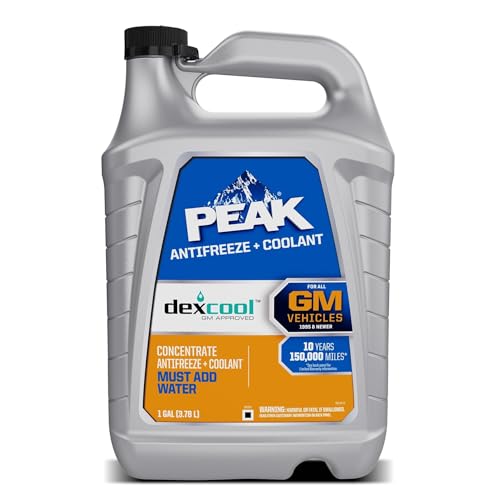
Engine coolant, a fluid also known as antifreeze, is designed to regulate your engine’s temperature. It circulates through the engine block, absorbs excess heat, and then releases that heat into the atmosphere through the radiator. It has a high boiling point to handle extreme engine temperatures. On the other hand, AC refrigerant [a chemical compound often referred to by brand names like Freon] is used exclusively to cool the air inside your car’s cabin. It operates in a sealed loop, changing from a liquid to a gas to absorb heat from the interior air.
To make it perfectly clear, here is a simple breakdown of their differences:
| Feature | Engine Coolant (Antifreeze) | AC Refrigerant (e.g., Freon) |
|---|---|---|
| Primary Purpose | Regulates engine temperature, prevents overheating. | Cools the air inside the vehicle’s cabin. |
| System Used In | Engine Cooling System (Radiator, Water Pump, Hoses) | Air Conditioning System (Compressor, Condenser, Evaporator) |
| Composition | Mixture of Glycol and Water. | Chemical compound (e.g., HFCs like R-134a). |
| Physical State | Stays in liquid form. | Cycles between liquid and gas states. |
| Common Name | Antifreeze | Freon (brand name), R-134a, R-1234yf |
Now that we know they are entirely different, let’s explore exactly how these separate systems can still affect each other.
How Do The Engine Cooling And AC Systems Actually Interact?
The primary interaction is managed by the car’s computer (ECU). When the coolant temperature sensor detects the engine is overheating, the ECU automatically shuts off the AC compressor to reduce engine load and prevent damage. Think of the ECU as the engine’s bodyguard; its top priority is protecting the engine, even if it means sacrificing your comfort. Beyond this electronic control, they also share physical space and components that link their performance together.
From a master technician’s perspective, there are three key interaction points that explain this relationship:
- The ECU as the Gatekeeper: The Engine Control Unit is the brain of the operation. It constantly receives data from sensors all over the vehicle, including the crucial coolant temperature sensor. If that sensor reports temperatures exceeding the safe operating range defined by OEM guidelines, the ECU takes immediate action.
- Shared Cooling Fans: Most vehicles use one or two large electric fans mounted behind the radiator to pull air through and dissipate heat. These fans serve both the engine’s radiator and the AC system’s condenser. A failure of these fans means neither system can get rid of heat effectively, causing the engine to overheat and the AC to stop cooling, especially when the car is stopped.
- Heat Load and Proximity: The AC condenser is physically located directly in front of the engine’s radiator. When your AC is running, the condenser releases a large amount of heat. This hot air then flows directly into the radiator. If the engine’s cooling system is already struggling, this extra heat load from the condenser can be the final straw that pushes it into an overheating state.
Why Does The Car’s Computer (ECU) Shut Off The AC?
The ECU shuts off the AC as a self-preservation tactic for the engine. It’s a pre-programmed safety feature designed to reduce stress on an overheating engine. The AC compressor requires a significant amount of power from the engine to operate—a phenomenon known as parasitic loss. It’s like asking a marathon runner who is about to collapse to also carry a heavy backpack. To save the runner (the engine), the first thing you do is drop the backpack (the AC).
The process follows a clear logic based on factory training principles:
* ✅ Step 1: Overheat Detected: The coolant temperature sensor sends a high-temperature signal to the ECU.
* ✅ Step 2: ECU Receives Signal: The ECU’s programming recognizes the signal as a threat to engine integrity.
* ✅ Step 3: AC Compressor Disengaged: The ECU immediately cuts the electrical signal to the AC compressor’s clutch, stopping it from engaging and adding load to the engine.
This action instantly reduces the amount of work the engine has to do and lowers the overall heat being generated, giving the cooling system a chance to recover.
How Do The Radiator and Condenser Work Together?
The AC condenser and engine radiator are a team that relies on the same airflow to function. In virtually every car, the condenser is mounted directly in front of the radiator, right behind the front grille. They are stacked like pancakes. This physical arrangement means they share a critical dependency: the cooling fans.
When you are driving at high speeds, enough air is forced through the grille to cool both components. However, when you are stopped in traffic or moving slowly, there isn’t enough natural airflow. In this situation, the car relies on its electric cooling fans to pull air through both the condenser and the radiator. A failure in the cooling fan, fan relay, or fan motor will cause both systems to fail simultaneously in low-speed conditions.
Pro Tip: You can often see this yourself. Look through your car’s front grille; the first thin, radiator-like component you see is the AC condenser. The thicker engine radiator sits right behind it. This shared location is a common point for diagnostic checks.
What Are The Telltale Signs Low Coolant Is Affecting Your AC?
It’s a classic case: you’re stuck in summer traffic, and suddenly that cool breeze from your vents turns into a blast of hot air. Recognizing the symptoms is the first step to a correct diagnosis. If low coolant is the root cause of your AC troubles, your car will almost always give you a specific set of clues.
From years of working with these systems, here are the most common signs that your AC problem is actually a cooling system problem:
- AC Blows Warm Air Under Load 🔥
This is the most obvious symptom. The AC works for a little while, but as you drive and the engine heats up, the air from the vents gets progressively warmer, eventually turning hot. This happens as the ECU shuts the compressor down. -
High Reading on the Engine Temperature Gauge 🏁
Your dashboard’s temperature gauge is your best friend here. If the AC cuts out at the same time the needle starts creeping into the “H” or red zone, it’s a near-certain sign the two events are related. -
AC Works Intermittently (Especially in Traffic) 🚗
The AC might blow cold air perfectly fine while you’re moving at highway speeds but fail the moment you get stuck in stop-and-go traffic. This is because the ram air at speed is enough to keep the engine cool, but without that airflow, the compromised cooling system can’t keep up, and the engine overheats. -
Radiator Fans Running Constantly at High Speed 💨
If you can hear the cooling fans under the hood roaring like a jet engine even during short trips, it’s a sign the ECU is commanding them to run at 100% to fight off an overheating condition. -
Visible Coolant Leaks or Sweet Smell 💧
Puddles of bright green, pink, or orange fluid under your car are a dead giveaway. You may also notice a distinct, sweet smell after driving, which is the scent of burning antifreeze from a leak.
FAQs About does coolant affect ac in car
Can low coolant cause the AC to blow hot?
Yes, absolutely. This is the primary symptom. When low coolant causes the engine to overheat, the car’s computer (ECU) purposefully shuts down the AC compressor to reduce engine load. This stops the cooling process, causing the vents to blow ambient or hot air from the engine bay.
Will adding coolant fix my AC?
If low coolant was the only problem, then yes, adding coolant will likely fix your AC. Once you top off the coolant and the engine temperature returns to normal, the ECU will allow the AC compressor to engage again. However, you must also find and fix the reason you were low on coolant, such as a leak, to prevent it from happening again.
Is it safe to use the AC if my car is low on coolant?
No, it is not recommended. While the car will likely shut the AC off on its own, continuing to run an engine that is low on coolant can lead to severe and expensive damage, including a blown head gasket or a warped cylinder head. Your priority should be addressing the overheating issue, not trying to get the AC to work.
Why does my AC work on the highway but not in the city?
This is a classic symptom of a struggling cooling system. At highway speeds, the high volume of air being forced through the radiator is often enough to keep the engine cool, allowing the AC to run. In city traffic, there is no natural airflow, and the car must rely on its cooling fans. If the coolant is low or the fans are weak, the engine will overheat in traffic, and the ECU will shut off the AC.
Does the radiator fan cool the AC?
Yes, in a way. The radiator fan pulls air through the AC condenser, which is mounted in front of the radiator. The condenser must release heat for the AC to work. Therefore, a functioning radiator fan is critical for both engine cooling and proper AC performance, especially when the vehicle is stationary.
Final Thoughts
Understanding the connection between your engine’s coolant and your air conditioning system is key to avoiding misdiagnosis and unnecessary repairs. While they are separate systems with different fluids, their performance is undeniably linked by your vehicle’s self-preservation logic.
Here are the most important takeaways to remember:
- ✅ The relationship is indirect: Low coolant causes engine overheating, and overheating causes the car’s computer to shut off the AC.
- ✅ The ECU is the gatekeeper: Your car’s Engine Control Unit prioritizes engine safety over your comfort. The AC shutting down is a programmed, protective measure.
- ✅ Coolant and Refrigerant are not the same: Coolant (antifreeze) cools the engine. Refrigerant cools the cabin. They never mix.
- ✅ Symptoms tell the story: If your AC fails as the temperature gauge rises, the problem is almost certainly in your engine’s cooling system.
The next time your AC cuts out on a hot day, take a quick glance at your temperature gauge. It might just save you from a costly repair by pointing you to the true source of the problem. What has been your experience with AC issues related to overheating?


![DooGooCoo Windshield Snow Cover: Honest Review [year]](https://i0.wp.com/carxplorer.com/wp-content/uploads/2026/02/DooGooCoo-Windshield-Snow-Cover-Honest-Review-year-1.jpg?resize=60%2C60&ssl=1 "DooGooCoo Windshield Snow Cover: Honest Review [year] 5")


