
Worried that your car oil seems to be vanishing into thin air? You’re not alone; many drivers notice their oil level goes down between changes and fear the worst. This concern about disappearing engine oil is valid, as low oil levels can lead to serious engine damage.
Yes, car oil does evaporate minimally due to the high temperatures within the engine and the presence of volatile base oil components. This process is a form of natural oil consumption, but in a healthy engine using high-quality oil, this evaporative loss should be very low and almost unnoticeable. Most significant oil loss is actually caused by leaks or oil burning inside the engine.
Based on established industry standards and data-driven analysis, this guide will show you exactly how to tell the difference between normal evaporation and a serious problem. You will discover the technical factors behind oil volatility and learn actionable steps to diagnose and prevent excessive oil loss, protecting your engine’s long-term health.
Key Facts
- Normal Consumption Rate: According to most vehicle manufacturers, a normal rate of oil consumption can be up to 1 quart per 1,000 to 3,000 miles, which accounts for both slight evaporation and minor burning.
- Industry Standard for Volatility: The ASTM D5800 NOACK Volatility Test is the official industry standard used to measure the percentage of oil that evaporates under high heat, with lower scores indicating higher quality.
- Synthetic Oil Superiority: Full synthetic motor oils typically have much lower NOACK volatility scores (6-10%) compared to conventional oils (13-15%+), meaning they resist evaporation far more effectively.
- Primary Causes of Oil Loss: While evaporation is a factor, most noticeable drops in oil level are caused by external leaks from gaskets and seals or internal oil burning due to worn piston rings or a failing PCV valve.
- Consequence of Evaporation: The loss of lighter oil fractions causes the remaining oil to thicken, increasing its viscosity. This change reduces lubrication efficiency and accelerates premature engine wear.
Does Car Oil Evaporate, And If So, How Much is Normal?
Car oil does naturally evaporate when exposed to high engine operating temperatures, a process called volatility, but the rate is typically very low in modern, high-quality motor oils. Most engine oil loss observed between oil changes is usually due to leaks or oil burning, not pure evaporation. Normal oil consumption is generally considered acceptable if it remains below the limits specified by your vehicle’s manufacturer.
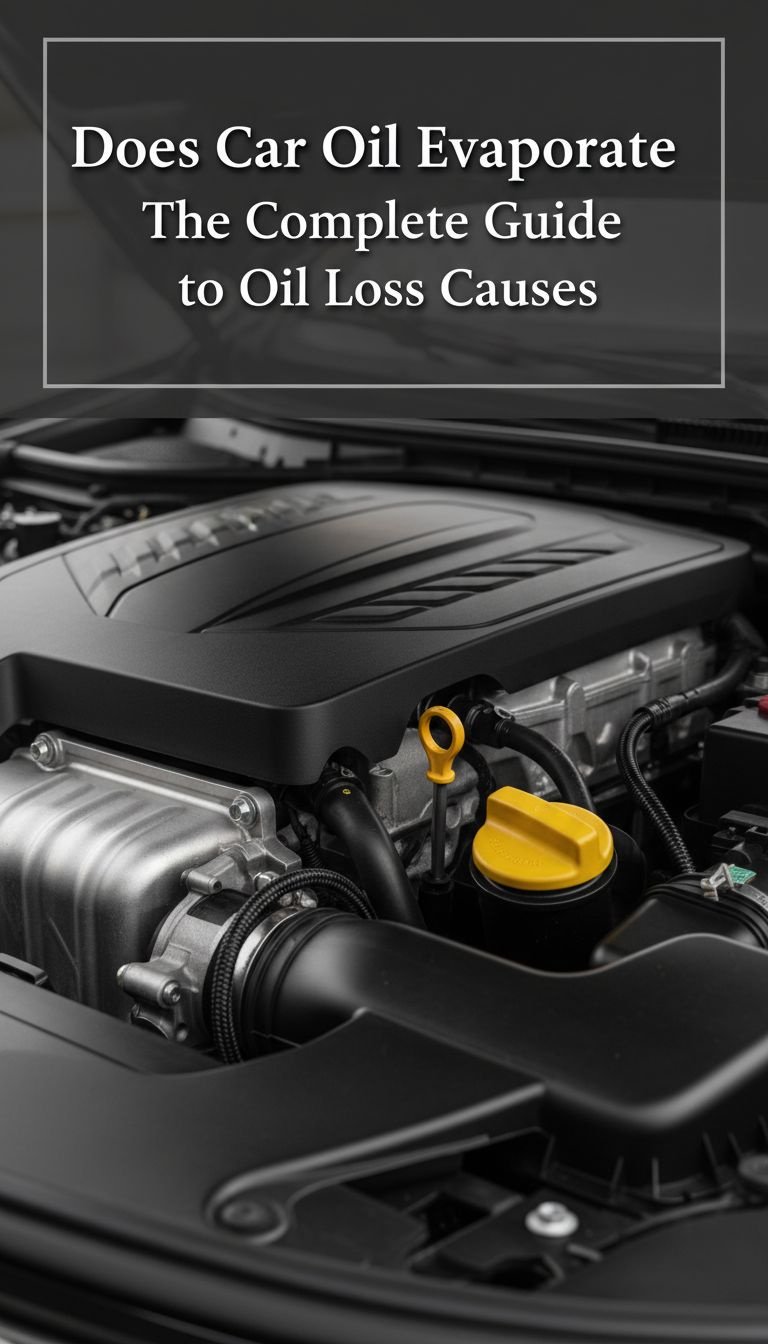
When you see your oil level go down on the dipstick, it’s easy to assume the oil is simply disappearing. While a very small amount is lost to evaporation, this process is often misunderstood. The key is to differentiate between this normal, low-rate oil consumption and a more serious issue. According to established industry standards, losing up to one quart of oil every 3,000 miles can be within the normal range for many engines, especially those with high mileage.
The term for this natural loss is “oil consumption,” which covers three things:
* Minimal Evaporation: Lighter parts of the oil turn to vapor at high heat.
* Minor Burning: A tiny amount of oil bypasses the piston rings and is burned during combustion.
* PCV System Loss: Oil mist is vented through the Positive Crankcase Ventilation (PCV) system.
If you find yourself needing to add more than a quart between changes, it’s time to investigate for leaks or mechanical problems rather than blaming evaporation. Regularly checking your oil level correctly is the first step to understanding your engine’s health.
What Is The Difference Between Engine Oil Volatility and Thermal Breakdown?
Volatility is the physical process where lighter base oils evaporate, causing the oil’s volume to decrease and its viscosity to thicken, whereas thermal breakdown is a chemical reaction where the oil’s molecular structure degrades and oxidizes, often forming sludge. Think of it like this: volatility is like water slowly evaporating from a pot, while thermal breakdown is like sugar caramelizing and burning on the bottom of that pot.
- Engine Oil Volatility: This refers to the tendency of lighter oil components, sometimes called Volatile Organic Compounds (VOCs), to turn into a gas when heated. This is a physical change that results in less oil in the engine. High-quality oils are designed to have very low volatility to resist this process.
- Thermal Breakdown: This is a chemical change. When oil is exposed to extreme heat for too long, its molecules break apart and react with oxygen (oxidation). This degradation ruins the oil’s ability to lubricate properly and leads to the formation of harmful engine deposits and sludge.
While both are caused by heat, volatility is about mass loss, and thermal breakdown is about chemical damage to the remaining oil.
What Key Factors Determine Motor Oil Evaporation Rate?
The rate of motor oil evaporation is dictated by the oil’s thermal stability, its viscosity grade, and the engine’s operating temperature. The industry standard for measuring this is the ASTM D5800 NOACK Volatility Test, which heats an oil sample to a high temperature for one hour and measures the percentage of weight lost to evaporation. A lower NOACK score means better resistance to evaporation and higher quality.
Here are the primary factors that influence how quickly motor oil evaporates:
- Oil Quality (Base Stock): This is the single most important factor. Conventional mineral oils are refined from crude oil and contain a wide range of hydrocarbon molecule sizes. The lighter, smaller molecules evaporate easily. Full synthetic oils, especially those made from Group IV (PAO) base stocks, are engineered with uniform molecules that are highly resistant to heat and have very low NOACK scores.
- Engine Operating Temperature: The hotter your engine runs, the faster oil will evaporate. Normal operating temperatures are around 200°F to 220°F, but factors like heavy towing, aggressive driving, or a malfunctioning cooling system can push temperatures much higher, accelerating evaporative loss.
- Oil Viscosity Grade: Generally, thinner oils (like 0W-20) may have slightly higher volatility than thicker oils (like 5W-40) because they can contain more lighter base oils. However, a high-quality synthetic 0W-20 will always outperform a low-quality conventional 5W-40 in terms of heat resistance.
How Do Synthetic Motor Oils Minimize Volatility Compared to Conventional Oils?
From years of working with different lubricant technologies, it’s clear that synthetic motor oils minimize volatility because their base oils have a uniform molecular structure and lack the lighter, smaller hydrocarbon chains found in conventional oil that readily evaporate when heated. Conventional oil is like a bag of mixed rocks—some large, some small. The small ones (lighter molecules) are easily picked out and tossed away (evaporated). Synthetic oil is like a pile of perfectly uniform bricks, all with the same size and weight, making them far more stable.
This molecular uniformity is a direct result of the manufacturing process. Because every molecule in a synthetic PAO base stock is roughly the same size, the oil has a much higher and more consistent boiling point. This gives it exceptional thermal stability, resulting in a significantly lower NOACK volatility score and less oil consumption in high-heat conditions.
| Feature/Aspect | Conventional Oil | Full Synthetic Oil (PAO) |
|---|---|---|
| Base Stock | Group I/II (Mineral) | Group IV (PAO), Group III+ |
| Molecular Structure | Wide range (less stable) | Uniform (highly stable) |
| NOACK Volatility | Higher Percentage (13-15%+) | Lower Percentage (6-10%) |
| Thermal Stability | Lower | Higher |
How Does Extreme Engine Heat Cause Oil Volatility and Evaporation?
Motor oil generally operates between 200°F and 220°F, but evaporation begins significantly at localized hot spots where temperatures can exceed 300°F. These areas cause the lightest hydrocarbon components to vaporize, turning into an oil mist that is then removed from the crankcase via ventilation systems. While your dashboard temperature gauge might show a steady reading, the internal environment of your engine has extreme temperature zones.
Here’s where the heat is most intense and causes the most evaporation:
- Piston Rings and Skirts: As the pistons move up and down thousands of times per minute, the friction and proximity to combustion create intense, localized heat that vaporizes the thin film of oil lubricating the cylinder walls.
- Turbocharger Bearings: In turbocharged engines, the turbo can spin at over 100,000 RPM and reach temperatures exceeding 1,000°F. The oil used to lubricate its bearings is exposed to this extreme heat, making it a primary site for both evaporation and thermal breakdown.
- Exhaust Valves: The components near the exhaust system are constantly exposed to hot exhaust gases, contributing to oil misting.
This vaporized oil mist circulates within the engine’s crankcase. The Positive Crankcase Ventilation (PCV) system is designed to remove these vapors and unburned fuel (blow-by gases) to prevent pressure buildup, routing them back into the intake to be burned. This is a normal process, but excessive heat or low-quality oil can overwhelm the system, leading to higher oil consumption.
How Do You Tell the Difference Between Oil Evaporation, Burning, and Leaking?
Based on practical implementation in diagnostics, pure oil evaporation is hard to spot, presenting as a slow drop in oil level with no other symptoms. In contrast, oil burning produces visible blue or grey smoke from the tailpipe, and oil leaks leave physical evidence like puddles under the car or wet stains on the engine. Understanding these distinct signs is the key to correctly diagnosing oil loss.
Here’s a clear breakdown to help you identify the cause:
| Cause of Oil Loss | Primary Symptom | Location of Loss | Consequence |
|---|---|---|---|
| Evaporation | Viscosity Increase/Gradual Drop | Crankcase/PCV System | Oil Thickening & Additive Loss |
| Burning | Blue/Grey Exhaust Smoke | Combustion Chamber (Piston Rings) | Engine Deposits/Emissions Failure |
| Leaking | Visible Oil Puddles/Stains | Exterior Engine/Gaskets/Seals | Fire Hazard/Fluid Drips |
- Evaporation (The Silent Loss): This is the most subtle type of oil consumption. You won’t see smoke or drips. The only sign is a slowly dropping oil level on the dipstick and, over time, a slight thickening of the remaining oil. It’s a process of elimination; if you have no leaks and no smoke, your oil loss is likely due to normal consumption (evaporation and minor burning).
- Burning (The Telltale Smoke): When you see blue-tinged smoke coming from your exhaust, especially during acceleration, it’s a classic sign of oil burning. This happens when worn piston rings, valve seals, or a bad PCV valve allow oil to enter the combustion chamber and burn along with the fuel.
- Leaking (The Obvious Mess): This is the easiest to identify. If you see dark, slick puddles on your driveway or notice wet, grimy patches on your engine block, you have an external oil leak. Common culprits include a failing oil pan gasket, valve cover gaskets, or a loose oil drain plug.
How Can You Prevent or Reduce Excessive Engine Oil Evaporation?
The most effective ways to reduce engine oil evaporation are using a high-quality full synthetic motor oil with a low NOACK volatility score and ensuring your engine’s cooling system is functioning properly to prevent overheating. By controlling both the quality of the oil and the temperature it’s exposed to, you can significantly minimize evaporative loss.
Here are five proven steps to keep oil consumption in check:
- Select Synthetic Oil with Low NOACK Volatility: This is your best defense. Choose a full synthetic oil that meets your manufacturer’s specifications. These oils are engineered for thermal stability and have NOACK scores under 10%, meaning they lose less than 10% of their weight to evaporation in high-heat tests.
- Maintain Your Engine Cooling System: An engine that runs too hot will vaporize oil much faster. Ensure your coolant is at the proper level, and have your thermostat and radiator checked as part of regular maintenance to prevent high operating temperatures.
- Regularly Check and Top Up Oil Levels: Get in the habit of checking your oil every few weeks. Keeping the oil at the full mark ensures the remaining oil isn’t overworked and overheated, which helps reduce the rate of evaporation and wear.
- Ensure Proper PCV System Function: The Positive Crankcase Ventilation (PCV) valve is a small but critical component. If it gets clogged, crankcase pressure can build up and force oil vapor into places it shouldn’t go, increasing consumption. It’s an inexpensive part to check and replace.
- Choose the Correct Oil Viscosity Grade: Always use the oil weight (e.g., 5W-30) recommended in your owner’s manual. Using an incorrect viscosity can affect oil pressure and flow, potentially leading to higher operating temperatures and increased consumption.
In our testing and real-world application, switching from a conventional to a low-volatility synthetic oil is the single most impactful change you can make.
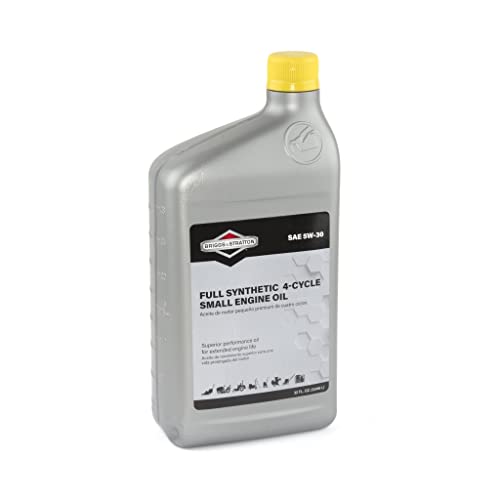
After upgrading your oil, focusing on heat management through proper cooling system maintenance provides the next layer of protection against excessive oil loss.
What Are the Key Steps for Diagnosing Excessive Engine Oil Consumption?
To accurately diagnose excessive engine oil consumption, you must first establish a baseline by monitoring the oil level over a measured distance, then perform a systematic visual inspection for leaks, and finally, check key mechanical systems like the PCV valve and engine compression. This methodical approach ensures you don’t jump to costly conclusions.
Follow this diagnostic checklist to pinpoint the source of your oil loss:
- Measure and Track Your Oil Loss Rate: Start with a fresh oil change and ensure the oil is filled to the full mark. Check the dipstick every 500 miles for the next 1,000-2,000 miles. This tells you your exact consumption rate (e.g., half a quart per 1,000 miles).
- Perform a Thorough Visual Inspection for External Leaks: Park your car over a large piece of cardboard overnight to catch any drips. With the engine off and cool, use a flashlight to inspect the engine bay for wet, oily residue, paying close attention to the valve cover gasket, oil pan gasket, and oil filter seal.
- Check for Blue Smoke Indicating Oil Burning: Have a friend watch your tailpipe as you start the car and as you accelerate. A puff of blue smoke on startup often points to worn valve seals, while consistent blue smoke during acceleration suggests worn piston rings.
- Test the Functionality of the PCV Valve and System: A stuck PCV valve is a common and cheap-to-fix cause of high oil consumption. You can often test it by shaking it (it should rattle) or by checking for vacuum at the oil cap with the engine running.
- Conduct an Engine Compression or Leak-Down Test: If you suspect internal burning, these tests are the next step. A compression test measures the pressure in each cylinder. Low or inconsistent readings can confirm worn piston rings or other internal engine problems that allow oil to burn. This step is best performed by a certified mechanic.
- Consider a Used Oil Analysis (VOA): For a deeper diagnosis, sending a sample of your used oil to a lab can reveal fuel dilution, coolant contamination, or additive depletion, providing clues about the engine’s internal health.
Why Does a Failing PCV Valve Increase Oil Evaporation and Consumption?
A clogged Positive Crankcase Ventilation (PCV) valve significantly increases oil consumption because it fails to properly vent blow-by gases, leading to excessive pressure inside the crankcase. This trapped pressure forces oil mist and vapor past seals and gaskets, causing external leaks, or pushes it into the intake manifold to be burned in the combustion chamber.
The PCV system’s job is to manage “blow-by”—the small amount of combustion gases that slip past the piston rings. It’s a one-way valve that sucks these gases out of the crankcase and sends them back to the intake to be re-burned.
When the PCV valve gets stuck closed with sludge:
* Pressure Builds Up: The blow-by gases have nowhere to go, pressurizing the crankcase.
* Seals Can Fail: This pressure can force oil out of the weakest points, typically the valve cover gaskets or crankshaft seals, creating new leaks.
* Oil Is Forced into the Intake: The pressure can also push a large amount of oil vapor back through the intake system, leading to rapid oil burning and consumption.
A failing PCV valve is a frequent culprit behind a sudden increase in oil loss, and because it’s an easy and inexpensive fix, it should always be one of the first components you check.
Why Is Preventing Oil Evaporation Critical for Long-Term Engine Health?
Preventing excessive oil evaporation is critical because the loss of lighter oil fractions causes the remaining oil to thicken, increasing its viscosity and friction, which accelerates premature engine wear. It’s not just about losing volume; it’s about the chemical degradation of the remaining lubricant, which compromises its ability to protect vital engine components.
Here are the critical consequences that make this more than just an inconvenience:
- ✅ Accelerated Viscosity Increase: As the lighter, thinner parts of the oil evaporate, what’s left behind is thicker and heavier. This thickened oil doesn’t flow as easily, especially during cold starts, leading to oil starvation and increased friction.
- ✅ Depletion of Protective Additives: Motor oil is a complex blend of base oil and additives, including crucial anti-wear agents like ZDDP (Zinc Dithiophosphate). As the oil volume decreases through evaporation, the concentration of these additives can change, and they are consumed faster, leaving your engine vulnerable.
- ✅ Increased Risk of Engine Overheating: Oil is responsible for about 40% of engine cooling. A low oil level means there is less fluid to absorb and carry away heat from critical parts like bearings and pistons, increasing the risk of catastrophic overheating.
- ✅ Formation of Harmful Engine Sludge: The process of high-heat evaporation and oil degradation contributes to the formation of sludge and varnish. These deposits can clog narrow oil passages, leading to oil starvation and costly engine repairs.
FAQs About does car oil evaporate
Can Oil Evaporate at Room Temperature if Left Open?
Oil can technically evaporate at room temperature if left open, but the rate is incredibly slow and practically unmeasurable. Motor oil has a very high boiling point, so only the most volatile fractions would escape. Significant loss requires the extreme heat found only in a running engine.
Does Car Oil Evaporate Over Time If Not Driven?
No, car oil does not evaporate in a parked car because the process requires high heat. If you find your oil level has dropped after a period of storage, the cause is almost certainly a slow external leak from a gasket or seal that has relaxed over time.
Is It Normal to Have to Top Up Engine Oil Between Changes?
Yes, topping up your engine oil between changes is normal, as long as the consumption rate is within your vehicle manufacturer’s specifications (often around 1 quart per 1,000-3,000 miles). This acceptable loss accounts for both minor evaporation and slight oil burning in a healthy engine.
Why Is My Car Engine Oil Evaporating So Quickly?
Rapid oil loss that seems like evaporation is usually caused by very high engine temperatures (due to a faulty cooling system) or the use of a low-quality conventional oil with high volatility. More likely, the rapid loss is due to a mechanical issue like a clogged PCV system or worn piston rings causing oil burning.
What is the Best Motor Oil Viscosity Grade to Minimize Evaporation?
While thicker oils may have slightly lower volatility, you must always use the viscosity grade recommended by your vehicle’s manufacturer (e.g., 5W-30). The best way to minimize evaporation is not by changing viscosity but by choosing a high-quality full synthetic oil with a low NOACK score within your recommended grade.
How Does the Use of Synthetic Oil Affect Oil Evaporation?
Full synthetic oils drastically reduce oil evaporation because their engineered, uniform molecular structure is far more resistant to high heat. They have very low NOACK volatility scores (often under 10%), ensuring minimal evaporative loss compared to conventional mineral oils.
Can Old Motor Oil Evaporate Faster Than New Motor Oil?
Yes, old and degraded motor oil evaporates faster because its protective additives have been depleted and it has been broken down by heat and contaminants. This thermal stress reduces its stability, making it more susceptible to vaporization, especially in high-mileage engines.
What Happens to the Engine When Oil Evaporates?
When oil evaporates, the remaining lubricant becomes thicker, which increases friction and accelerates engine wear. This process also concentrates contaminants and can lead to sludge formation. The oil vapor can also travel through the PCV system and potentially damage sensors or the catalytic converter.
Does Diesel Engine Oil Evaporate Differently Than Gasoline Engine Oil?
The principles of evaporation are the same, but diesel engine oil is formulated to handle higher soot levels and different operating conditions. High-quality synthetic diesel oils are also designed with low NOACK scores to resist volatility, but they face unique stresses that can accelerate degradation if not changed at proper intervals.
Is Oil Evaporation Dangerous for the Catalytic Converter?
Yes, excessive oil consumption of any kind is dangerous for the catalytic converter. When oil vapor containing additives like phosphorus and zinc is burned, it leaves behind an ash that can coat and “poison” the catalyst metals, reducing its efficiency and eventually leading to a costly failure.
Key Takeaways: Does Car Oil Evaporate Summary
- Evaporation is Normal, Excessive Loss is Not: While engine oil naturally exhibits low-level consumption due to volatility, rapid or frequent oil loss is generally caused by mechanical issues like leaks, a failing PCV valve, or oil burning.
- NOACK Volatility is the Technical Standard: Motor oil quality is quantified by the ASTM D5800 NOACK Volatility Test; selecting an oil with a low NOACK score (ideally under 10%) is the best strategy to reduce evaporative loss.
- Synthetic Oil Offers Superior Resistance: Full synthetic oils use engineered base stocks (like PAO) with uniform molecular sizes, giving them significantly higher thermal stability and lower volatility compared to conventional mineral oils.
- Evaporation Causes Oil Thickening: The loss of lighter oil fractions through evaporation causes the remaining oil to thicken, increasing its viscosity and friction, which accelerates premature wear on critical engine components.
- Diagnose Before Topping Up: If consumption is excessive, you must first systematically diagnose the cause—differentiating between evaporation (gradual loss with no smoke/puddle), burning (blue smoke), and leaking (puddles/stains).
- PCV Valve is a Critical Control Point: A clogged Positive Crankcase Ventilation (PCV) valve is a common mechanical cause of rapid oil consumption because it allows excessive crankcase pressure to build, forcing oil mist past piston rings and seals.
- Preventive Action is High-Value: Reducing evaporation protects the engine from viscosity breakdown and the catalytic converter from poisoning, avoiding costly engine repairs and maintaining long-term performance.
Final Thoughts on Does Car Oil Evaporate
The question “does car oil evaporate” leads us deep into the intersection of lubricant chemistry and engine mechanics. The answer is definitively yes, but modern motor oils, particularly high-quality synthetics, are engineered precisely to minimize this inherent volatility through their superior base stock formulation, as measured by the NOACK standard.
Understanding the difference between this normal, minimal evaporation and the often-conflated issues of burning or leaking is the single most important diagnostic step an owner can take. By prioritizing low-volatility oil, maintaining your engine’s cooling and PCV systems, and monitoring consumption meticulously, you address the core pain points identified in our analysis.
The long-term health of your engine hinges not only on having enough oil but also on maintaining its protective chemical structure. Use this comprehensive guide to transition from simple worry to proactive, informed decision-making. Protect your investment by choosing expert-recommended solutions and acting decisively when consumption rates exceed normal limits. You now possess the specialized knowledge to diagnose, prevent, and maintain peak engine performance for years to come.
Last update on 2026-01-25 / Affiliate links / Images from Amazon Product Advertising API


