
Struggling with smeared, blurry vision every time it rains? You’re not alone. Many drivers fight with wipers that just seem to spread the water around, making a clear view of the road feel impossible. This frustration often leads to searching for a better, more lasting solution for water repellency.
The core issue is that untreated auto glass has high surface energy, causing water to cling and sheet across it. This sheeting action impairs visibility and forces your wipers to work overtime. A proper hydrophobic glass treatment is the key to transforming how your windshield performs in wet weather, but choosing the right method is critical to avoid mistakes.
Drawing from proven auto detailing methodologies and expert recommendations, this guide will provide the definitive answer. Applying car wax to your exterior windows is a highly effective technique when done correctly. We’ll show you the exact process for a perfect, streak-free finish that enhances safety and visibility.
Key Facts
- Safe for Exterior Glass: According to auto detailing expert recommendations, applying car wax to exterior windows is a proven and safe practice for enhancing water repellency.
- Interior Application is Dangerous: Hydrophobic products must never be used on interior glass, as industry analysis shows they can off-gas, causing a permanent and dangerous haze that impairs visibility.
- Preparation is Crucial: The industry standard for glass prep involves a full decontamination with a clay bar and an IPA (Isopropyl Alcohol) wipe to ensure the wax bonds properly for a long-lasting hydrophobic effect.
- Spray Wax is Often Superior: For glass, synthetic spray waxes generally offer the best balance, providing 2-4 months of durability with a quick application and lower risk of streaking compared to traditional paste waxes.
- Improves Wiper Performance: When applied correctly as a thin layer, wax reduces friction on the glass, which can extend the life of your wiper blades and reduce the need for their use in light to moderate rain.
What Is The Expert Verdict On Putting Car Wax On Windows?
Yes, you can and should put car wax on exterior car windows to achieve superior water repellency and reduce soiling. This technique creates a long-lasting hydrophobic layer that allows water to bead up and quickly fly off the glass in the rain, significantly improving visibility, especially at higher speeds. Based on expert insights and industry consensus, this is a widely accepted practice in car detailing when performed correctly on the right surfaces.

The science behind this is simple. Car wax, especially synthetic polymer or carnauba wax formulas, fills the microscopic pores in the glass. This creates an incredibly smooth glass finish with low surface energy. Instead of clinging and sheeting, rainwater forms into tight beads and is easily wicked away by airflow as you drive. It’s a proven safety measure for any vehicle.
However, the verdict is not a simple “yes” for all situations. The key is understanding the critical difference between exterior and interior glass. While waxing exterior windows is highly beneficial, applying the same product inside your car is a major detailing mistake with serious safety implications.
Here’s a quick breakdown of the core pros and cons:
- ✅ Pro: Enhanced Visibility: The primary benefit is the hydrophobic effect. Water beads and flies off the windshield at speeds over 35 mph, often eliminating the need for wipers in light rain.
- ✅ Pro: Easier Cleaning: The slick surface prevents dirt, bugs, and ice from bonding strongly to the glass, making your windows easier to clean.
- ✅ Pro: Reduced Wiper Wear: A smoother surface reduces the strain and friction on your wiper blades, potentially extending their lifespan.
- ❌ Con: Potential for Streaks: If applied too thickly or not buffed off properly, wax can leave a streaky or hazy finish that impairs vision.
- ❌ Con: Interior Haze Risk: Never use on interior glass. The chemicals can off-gas and create a permanent, dangerous film.
- ❌ Con: Temporary Solution: Unlike ceramic coatings, most waxes need to be reapplied every 1-3 months to maintain peak performance.
Why Is Exterior Waxing Recommended, And What Glass Should You Never Wax?
The primary benefit of waxing exterior car windows is improved visibility in rain. The hydrophobic properties of the wax create a surface that repels water aggressively. This causes rain to form into small, round beads that easily roll or fly off the windshield, a process known as water beading. This water-sheeting ability drastically reduces distortion and allows you to see the road more clearly, enhancing driver safety.
Beyond water repellency, a waxed surface significantly reduces soiling. The slick, sealed finish makes it much harder for contaminants like road grime, bug splatter, and bird droppings to stick. This not only keeps your windows cleaner for longer but also makes them much easier to wash. For many DIY auto enthusiasts, this convenience is a major advantage over untreated glass.
The Critical Safety Warning: Never Wax Interior Glass
While waxing the outside of your car’s windows is a great detailing practice, applying any wax or hydrophobic product to the interior glass is extremely dangerous and must be avoided.
Expert Warning: Hydrophobic products like car wax contain Volatile Organic Compounds (VOCs) that off-gas over time. In the enclosed environment of a car’s cabin, these chemicals create a greasy, semi-permanent film on the inside of the glass. This haze is nearly impossible to remove and causes severe glare from headlights at night, dangerously impairing your vision.
The interior haze from wax is different from normal window fogging. It won’t clear up with your defroster and often gets worse in direct sunlight. The only remedy is a difficult chemical stripping process, making this a costly and hazardous mistake. Stick to using a dedicated interior glass cleaner for all inside surfaces.
How Do You Properly Wax Car Windows For A Streak-Free Finish?
The key to a perfect, streak-free finish is meticulous preparation and applying a very thin layer of wax. Rushing the process or applying wax to a contaminated surface is the number one cause of haze and poor performance. Following these industry-standard steps ensures proper bonding and a crystal clear finish.
Here is the detailed process for waxing your car windows safely:
- Decontaminate the Glass Surface: The most critical step is to start with perfectly clean glass. First, wash the window with a quality car wash soap or glass cleaner. Then, use a detailing clay bar or clay mitt with a lubricant to remove bonded contaminants like tar, sap, and mineral deposits. You should feel the surface go from rough to perfectly smooth.
- Perform a Final Solvent Wipe: After claying, perform a final wipe-down with an IPA (Isopropyl Alcohol) panel wipe solution on a clean microfiber towel. This crucial step removes any residual oils, silicones, or lubricants, leaving a chemically pure surface for the wax to bond to. This ensures maximum durability and a streak-free result.
- Protect Rubber Seals and Trim: Before applying wax, use painter’s tape to mask off any adjacent plastic trim or rubber window seals. Many waxes, especially traditional paste waxes, can leave a white residue that is difficult to remove from these porous materials.
- Apply a Thin, Even Layer of Wax: Apply a small amount of your chosen wax to a microfiber or foam applicator pad. Working in a 2×2 foot section at a time, apply the wax to the glass in thin, even strokes. You can use either small overlapping circles or straight lines. The goal is to create a barely visible, consistent haze. Remember: less is more.
- Allow Proper Cure Time: Let the wax dry to a haze according to the product’s instructions, which typically takes 5-15 minutes depending on temperature and humidity. A simple test is to swipe your finger across the wax; if it comes off clean without smearing, it’s ready to be removed.
- Buff Off Residue for a Streak-Free Finish: Using a separate, clean, and dry microfiber towel, gently buff off the wax residue. Flip the towel to a fresh side frequently to avoid re-depositing the wax. For the final buff, use a second clean towel to ensure all residue is removed, revealing a crystal clear, slick finish.
Which Wax Type Is Best: Comparing Carnauba, Spray Wax, and Ceramic Coatings?
While nearly any car wax will provide some benefit, synthetic spray waxes offer the best combination of performance, durability, and ease of use for auto glass. They are formulated for quick application and are less likely to streak than traditional carnauba paste waxes. For users seeking the ultimate in long-term protection, dedicated ceramic coatings are superior but require a much more intensive application process.
Choosing the right product depends on your goals for durability, cost, and application effort. Traditional wax, modern sealants, and dedicated glass repellents like Rain-X each have distinct advantages and disadvantages.
Here is a direct comparison to help you decide:
| Feature/Aspect | Traditional Paste Wax (Carnauba) | Synthetic Spray Wax | Dedicated Ceramic Coating | Rain-X (Repellent) |
|---|---|---|---|---|
| Ease of Application | High effort (buffing) | Very Easy (wipe on, wipe off) | Very High effort (prep crucial) | Easy |
| Durability (Months) | 1-2 | 2-4 | 6-12+ | 0.5-1 |
| Streak Risk | High | Low | Medium | Medium |
| Water Beading/Sheeting | Excellent | Excellent | Superior | Good |
| Best Use Case | Deep hydrophobic effect | Quick detailing/maintenance | Long-term protection | Quick fix |
For most DIY detailers, a high-quality synthetic spray wax like Turtle Wax Ice Spray Wax is the ideal choice. These products deliver excellent water beading properties and can last for several months, all with a simple spray-on, wipe-off application.
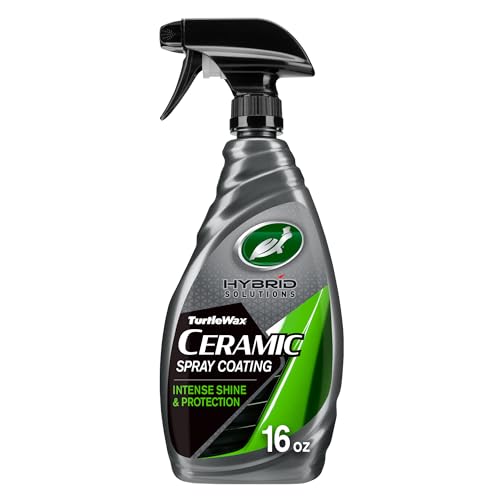
For those committed to the longest-lasting protection, a dedicated ceramic coating for glass is the ultimate solution. These products form a chemical bond with the glass, creating a super-durable, slick surface that can last a year or more. However, they are less forgiving and require perfect surface preparation to avoid high spots or streaking.
How Do You Fix Streaks And Prevent Windshield Wiper Chatter?
To fix wax haze or streaks on a windshield, start by re-buffing the area with a clean, high-quality microfiber towel. If that doesn’t work, use a dedicated glass cleaner or an IPA solution to remove the residual wax oils causing the problem. Wiper chatter is typically caused by applying the wax layer too thickly, which can be corrected by thoroughly buffing the surface to leave only a microscopic protective layer.
Even with careful application, issues can sometimes arise. Here’s how to troubleshoot the most common problems:
- How to Fix Light Wax Haze: Haze is almost always caused by incomplete buffing or applying the product in direct sunlight. Move the car into the shade and use a fresh, plush microfiber towel to buff the glass until it is crystal clear. The key is to remove all of the wax carrier agents, leaving only the thin protective layer behind.
- Why Windshield Wipers Chatter: Wiper chatter or skipping occurs when the blades grab and release intermittently instead of gliding smoothly. This is caused by an uneven or overly thick layer of wax. The fix is to thoroughly buff the glass again to level out the protective film. In some cases, cleaning the wiper blades themselves with an alcohol wipe can also solve the issue.
- How to Remove Wax from Plastic Trim: If you accidentally get wax on unmasked plastic or rubber trim, it can leave a stubborn white stain. To remove it, use a dedicated wax remover or a simple pencil eraser. Gently rubbing the eraser over the dried wax residue will lift it off the porous surface without causing damage.
- How to Correctly Re-buff Streaks: If you notice streaks after the initial application, don’t panic. Simply apply a very light mist of a quick detailer spray to the affected area and immediately re-buff with a clean microfiber towel. This helps reactivate the wax and allows you to spread and remove it evenly.
- Long-Term Maintenance: To make your wax coating last, wash your car with a pH-neutral car soap and avoid harsh chemical cleaners. Using a spray wax as a drying aid after each wash is a great way to “top up” the protection and maintain peak hydrophobic performance.
FAQs About do you put car wax on windows
Is it safe to use carnauba wax on glass, or should I stick to spray wax?
Carnauba wax is safe for auto glass but typically requires more effort to apply and buff off than synthetic spray wax, which is often preferred by detailers. The main advantage of spray waxes is their easy application, reduced streaking risk, and quick drying formulation, providing excellent temporary protection and water beading properties similar to carnauba, but without the intense buffing process.
How often should I reapply wax to my windshield for optimal performance?
For optimal water repellency and visibility, you should reapply wax to your windshield approximately every 1 to 3 months, depending on the product type and weather conditions. Traditional paste waxes last the least amount of time, while synthetic polymer spray waxes offer 2-4 months of durability. Dedicated glass sealants or ceramic coatings can last up to a year but require more intensive application.
Will car wax remove existing water spots or mineral deposits from the glass?
Car wax alone will not effectively remove embedded water spots, as wax is a protectant, not a cleaner or mild abrasive. While the application process may remove light surface contaminants, stubborn mineral deposits require prior treatment using a specific water spot remover chemical or a mild glass polishing compound before applying the wax for protection.
What is the difference between car polish and car wax when used on windows?
Car polish contains micro-abrasives designed to correct surface imperfections and remove minor scratches, whereas car wax is a protective layer applied after polishing to seal the glass surface. You should only use polish if the glass needs correction or deep cleaning, while wax is used purely for protection, shine, and to create hydrophobic effects.
Will waxing my windshield cause the wiper blades to skip or chatter?
Waxing your windshield can cause wiper chatter if the wax is applied too thickly, contains certain incompatible oils, or if the wax residue is not completely buffed off. To prevent this, ensure the wax layer is extremely thin and fully cured, and consider using a specific glass-safe polymer spray wax which is less prone to affecting the wiper blade’s smooth action.
Can car wax damage the plastic trim or rubber seals around my windows?
Traditional paste waxes containing heavy solvents can stain or dry out unmasked plastic trim and rubber seals, leaving a visible white residue. Modern, trim-safe spray waxes are much less likely to cause damage; however, masking off the seals with tape during the application of any wax is the industry standard for professional-grade results.
Is it safe to use car wax on the rear window or side windows?
Yes, it is entirely safe and highly recommended to use car wax on both the rear window and side windows to promote water runoff and reduce the adherence of road grime. The benefits of improved visibility and easier cleaning are consistent across all exterior glass surfaces of the vehicle, including sunroofs.
Can I use car wax on house windows or glass shower doors?
Yes, due to its hydrophobic properties, car wax can be used effectively on house windows or glass shower doors to help water and soap scum sheet off. This is a common alternative use that helps reduce the frequency of cleaning and prevents the buildup of hard water spots on household glass surfaces.
What is the proper way to prep glass before waxing?
Proper glass prep involves three steps: deep cleaning with a quality glass cleaner, decontamination using a detailing clay bar to remove bonded contaminants, and a final wipe with an IPA solution to ensure the surface is chemically clean for optimal wax adhesion. This methodical preparation is essential for achieving a long-lasting hydrophobic effect.
How do I maintain a waxed windshield to maximize its durability?
To maintain a waxed windshield, use mild, pH-neutral car wash solutions and avoid harsh degreasers that can strip the protective layer. Utilizing a quick detailer or spray wax as a drying aid during regular washes is an excellent way to boost the existing protection and prolong the hydrophobic performance.
Key Takeaways: Car Wax on Windows Summary
- Exterior Waxing is Recommended: Using car wax on exterior glass is a safe and beneficial detailing practice that dramatically improves visibility by creating a hydrophobic glass treatment, allowing water to bead and fly off the windshield.
Never Wax Interior Glass: Applying hydrophobic products to interior windows is a critical detailing mistake that will cause severe, long-lasting haze and off-gassing, especially in closed environments, and must be strictly avoided.
Prep Work is Non-Negotiable: To ensure the wax or sealant adheres properly and prevents streaks, always decontaminate the windshield first using detailing clay and perform a final wipe with an IPA solution before application.
Spray Waxes Offer the Best Balance: Synthetic spray waxes are often the best choice for auto glass, offering a highly effective, quick application that provides a long-lasting hydrophobic effect (2-4 months) without the high buffing effort of traditional carnauba.
Protect Trim and Seals: Always mask off plastic trim and rubber seals before waxing, as traditional waxes can stain or dry out these materials, requiring difficult residue removal.
Troubleshooting Wiper Chatter: If your wipers chatter, it usually means the wax layer is too thick; correct this by re-buffing the glass with a clean microfiber towel or using a mild glass cleaner to strip the excess wax.
Wax vs. Alternatives: While wax provides great temporary protection, dedicated glass sealants and ceramic coatings offer superior long-term durability, though they require meticulous glass prep before bonding.
Final Thoughts on Maximizing Visibility With Wax on Auto Glass
Applying a layer of wax to your exterior auto glass is more than just a detailing trick; it’s a fundamental step toward safer driving in adverse weather. By creating an advanced protective polymer layer, you transform your windshield into a high-performance surface that actively sheds water, reduces grime, and provides a crystal clear finish. The verified results on auto glass are undeniable: a properly waxed windshield dramatically improves visibility in rain.
We’ve covered the expert verdict, the critical safety warnings, the step-by-step process, and how to choose the right product for your needs. Armed with this knowledge, you can confidently perform this task, avoid common mistakes like streaking and wiper chatter, and achieve professional-grade results. The next time you’re caught in a downpour, you’ll appreciate the clear difference a simple coat of wax makes.
Last update on 2026-03-08 / Affiliate links / Images from Amazon Product Advertising API


