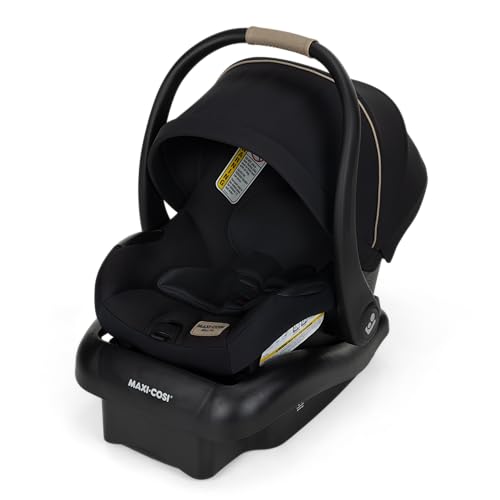
Wondering if taxis have car seats when you’re traveling with your family? You’re right to be concerned about your child’s safety in a new city. This is a common point of stress for parents.
The vast majority of standard taxis do not provide or carry child car seats. While some services allow you to pre-book a vehicle with a seat, it is not a standard feature. Many locations legally exempt taxis from car seat laws, but this does not change the physical risks to a child in a crash.
Based on an in-depth analysis of current regulations and service data, this guide clarifies the complex rules. It covers the crucial differences between taxis and rideshares. You’ll discover your safest options and how to travel with confidence.
Key Facts
- Inconsistent Availability: Most standard taxi services do not automatically provide car seats, and availability is highly unreliable even when requested in advance.
- Legal Exemptions are Common: Many jurisdictions, particularly in the United States, provide legal exemptions for licensed taxis from child restraint laws, which often do not apply to rideshare services.
- Bringing Your Own is Safest: The most consistently recommended and reliable solution to ensure child safety during travel is to bring your own government-approved car seat.
- Specialized Services Offer Guarantees: Private car services and specialized transport companies, like SIXT ride, are a reliable option as they can arrange for appropriate car seats when booked in advance.
- UK Laws Are Stricter: In the UK, children must generally use a car seat until they are 12 years old or 135cm tall, though specific exceptions for taxis exist if a seat is not available.
Do Taxis Have Car Seats? The 2026 Guide to Law vs. Reality
The simple answer is no; you should not expect a taxi to have a car seat. While a small number of taxi companies in certain cities might offer them by special request, it is far from standard practice. For parents and caregivers, this creates a significant conflict between what is legally permissible and what is actually safe for a child. This guide is designed to help you navigate that gap.

The core issue stems from a disconnect between transportation laws and the principles of physics. Many laws give taxis an exemption, treating them like public transport where car seats aren’t practical. However, in a collision, a taxi is still a car, and an unrestrained child faces the same severe risks as in any private vehicle. Understanding this distinction is the first step toward making a safe travel plan for your family. While taxis may be exempt, alternatives like rideshare services or private cars often operate under different, stricter rules.
Key Distinction: Legal vs. Safe
While it may be legal for your child to ride in a taxi without a car seat in some areas, it is never safe. The laws of physics don’t change based on the vehicle type.
What Are the Car Seat Laws for Taxis and Rideshares by Region?
Car seat laws for taxis vary significantly worldwide, creating confusion for traveling families. In many parts of the United States, licensed taxis are exempt from child restraint laws, while rideshares like Uber and Lyft are not. In the UK, taxis have a specific exception allowing children over 3 to use an adult seatbelt if no car seat is available. Because of these differences, it is crucial to check local regulations before you travel.
Why Are Taxis Often Exempt From Car Seat Laws?
Taxis are often legally exempt from child restraint laws because they are considered a form of public transportation. Unlike private vehicles, the logistical challenge of equipping a large fleet with multiple sizes of car seats for on-demand service led lawmakers to create these exceptions. Just as you don’t bring a car seat on a city bus, some regulations view taxis in a similar “vehicle for hire” category, making it impractical to enforce the same rules as for a personal car.
How Do Car Seat Rules Differ in the United States, UK, and Australia?
Understanding the rules in your destination is key. Here’s a breakdown for three major regions.
- United States: Laws are set at the state level, leading to a patchwork of regulations. In many major travel destinations like New York and California, licensed taxis are legally exempt from car seat requirements. However, these exemptions typically do not extend to rideshare services, which must comply with state child passenger safety laws.
- United Kingdom: The rules are based on height and age. A child must use a car seat until they are 12 years old or 135cm tall. However, in a licensed taxi, there’s an exception: if a car seat isn’t available, a child aged 3 or older can use an adult seatbelt in the rear seat. A child under 3 must have a seat.
- Australia: Regulations can vary by state and territory. Some states exempt taxis from the requirement to provide a seat, while others mandate that taxis must be equipped with anchor points to allow parents to fit their own seat securely.
Pro Tip: In London, the iconic black cabs often have more interior space, which can make it significantly easier to install your own car seat compared to a standard sedan.
How Do Taxis Compare to Rideshares (Uber/Lyft) and Private Cars for Car Seat Availability?
When traveling with a child, your choice of transportation service directly impacts your ability to secure a car seat. Traditional taxis, app-based rideshares, and pre-booked private cars each offer a vastly different level of reliability. Rideshare services like Uber offer a specific “Uber Car Seat” option in select cities, but this service typically provides only one forward-facing seat. In contrast, private car services are the most dependable, allowing you to guarantee an age-appropriate seat with an advance booking.
Here is a direct comparison to help you decide.
| Feature | Traditional Taxis | Rideshare (Uber/Lyft) | Private Car Service (e.g., SIXT ride) |
|---|---|---|---|
| Car Seat Availability | Very Low / Inconsistent | Low (Available in select cities via “Car Seat” mode) | High (Guaranteed with advance booking) |
| How to Request | Must call dispatch; no guarantee | Select specific “Car Seat” option in app | Select during booking process online or in-app |
| Type of Seat | If available, usually a single booster | One forward-facing seat typically | Age-appropriate (infant, toddler, booster) specified at booking |
| Reliability | Low | Medium (subject to driver availability in that mode) | Very High |
| Cost | Standard meter fare | Regular fare + surcharge (~$10) | Premium price, often a fixed rate |
| Legal Status | Often exempt from car seat laws | Often NOT exempt; must comply | Must comply with all laws |
Best For…
* Taxis: Emergencies or short trips when you have your own portable seat.
* Rideshare Car Seat Mode: Planned city trips with one older child (not an infant).
* Private Car Service: Airport transfers and any trip where guaranteed safety and peace of mind are the top priorities.
What Are Your Safest Options When a Taxi Doesn’t Have a Car Seat?
Faced with the reality that most taxis won’t have a car seat, you need a clear plan. Relying on legal loopholes is not a safe strategy. Instead, focusing on proactive solutions will ensure your child is protected on every ride. Your safest choice is always to use a proper child restraint. Here are your best options, ranked from most to least reliable.
1. Bring Your Own Car Seat
This is the single most reliable way to guarantee your child’s safety. Bringing a seat you are familiar with ensures a proper fit and correct installation every time. For air travel, look for lightweight, FAA-approved models designed for portability.
2. Book a Specialized Car Service
This is the best alternative if you can’t bring your own seat. Many private car and airport transfer companies (like SIXT ride) allow you to pre-book a vehicle and reserve an age-appropriate car seat for a fee. This provides guaranteed availability and peace of mind upon arrival.
3. Use a Rideshare “Car Seat” Mode
In certain cities, services like Uber offer an “Uber Car Seat” option. This allows you to request a vehicle equipped with one forward-facing car seat for a small surcharge. However, availability can be limited, and this option is not suitable for infants who need a rear-facing seat.
4. Rent a Car Seat at Your Destination
For longer stays, some baby gear rental companies operate in major tourist destinations. You can arrange for a car seat to be delivered to your hotel or rental home. This can be more convenient than flying with your own but requires planning and research.
Is Bringing Your Own Car Seat the Best Solution?
For most families, bringing a personal car seat is the gold standard for safety and peace of mind, but it comes with practical trade-offs. Understanding the pros and cons helps you decide if it’s the right choice for your trip.
What Are the Advantages?
- ✅ Guaranteed Safety: You know the history of the seat and how to install it correctly.
- ✅ Child’s Comfort: Your child travels in a familiar seat, which can reduce fussiness.
- ✅ Cost-Effective: You avoid rental fees or surcharges from car services.
- ✅ Always Compliant: You ensure you have a seat that meets safety standards.
What Are the Challenges?
- ❌ Logistical Hassle: Carrying a bulky seat through an airport can be difficult.
- ❌ Risk of Damage: Car seats can be damaged if checked as luggage.
- ❌ Installation Time: You need to be comfortable installing the seat quickly in different vehicles.
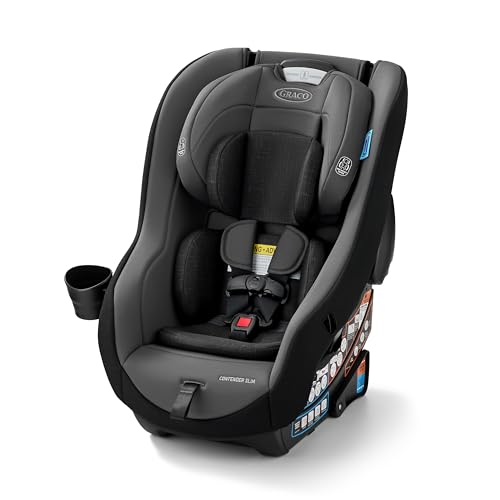
If you decide to bring your own, investing in a model designed for travel can make a huge difference.
FAQs About do taxis have car seats
What happens if I get in a taxi with a baby but no car seat?
Legally, in many places with taxi exemptions, you will not be fined; however, your child will be at a significantly higher risk of injury in a crash. Safety experts strongly advise against ever traveling with a child who is not in a proper restraint, as the laws of physics are not exempt in a taxi.
Can a taxi driver refuse to let me install my own car seat?
While uncommon, a driver could theoretically refuse if they feel it’s unsafe or will take too long, but most are obligated to allow you the time to install it correctly. It is always best practice to inform the driver as you get in. If a driver refuses, your safest option is to wait for another vehicle.
Do black cabs in London require car seats?
Like other licensed taxis in the UK, black cabs have an exemption. Children under 3 are supposed to travel in a car seat, but if one isn’t available, they can travel unrestrained in the rear. Children 3 and over can use an adult seatbelt. However, the spacious nature of black cabs often makes them easier for installing your own seat.
Is it legal to hold a baby on my lap in a taxi?
While some legal exemptions might allow a child under 3 to travel unrestrained in the back of a taxi, you should never hold a child on your lap and share a seatbelt. In a crash, your body weight would crush the child against the belt, likely causing fatal injuries. It is far safer for the child to have their own seatbelt if no car seat is available.
Are airport taxis more likely to have car seats?
Generally, no. Airport taxis operate under the same rules and have the same lack of equipment as other taxis. Your most reliable option for an airport transfer is to pre-book with a private car service that guarantees a car seat will be provided for your arrival.
What’s the rule for car seats in taxis for a 5-year-old?
This depends on the location. In the UK, a 5-year-old could use an adult seatbelt in the back of a taxi if no booster is available. In a US state with a taxi exemption, it may be legal to ride without one. However, for safety, a child of this age should always be in a high-back or backless booster seat.
Do services like Uber Car Seat provide rear-facing infant seats?
No, typically services like Uber Car Seat only provide a single, forward-facing car seat. They are not suitable for infants or babies who must be in a rear-facing seat. This is a critical limitation for parents of children under 2 years old to be aware of.
Can I book a taxi with a car seat for sure?
The only way to be sure is to book through a specialized private car or family-focused taxi service that explicitly markets and guarantees car seats as part of their booking process. Examples include SIXT ride or local “kid-friendly” shuttle services. Standard taxi dispatchers cannot usually guarantee it.
Are rideshare services like Uber and Lyft safer than taxis regarding car seats?
Legally, they are often held to a higher standard and are not exempt from car seat laws in the same way as taxis. However, this means a standard Uber/Lyft driver will likely (and correctly) refuse to take a child without the proper car seat, whereas a taxi driver might not. The “Uber Car Seat” option, where available, is a safer bet than hailing a random taxi.
What is the safest way for a child to ride in a taxi if there are no other options?
If you are in a situation with absolutely no other choice and the law allows it, the child should sit in their own spot in the back seat and use the vehicle’s lap and shoulder belt. The child should never be placed on an adult’s lap. This is a last resort and is still significantly less safe than using a proper child restraint.
Key Takeaways: do taxis have car seats Summary
Navigating transportation with children can be complex, but a few core principles will always steer you toward the safest choice. After analyzing the laws, services, and practical realities, these are the most important points to remember for your travels in 2026.
- Legal vs. Safe: The most critical takeaway is that while many jurisdictions legally exempt taxis from car seat laws, it is never physically safe for a child to ride without a proper restraint.
- Availability is Not Guaranteed: Do not assume a taxi will have a car seat. The vast majority of standard, hailed taxis do not carry them, and availability is unreliable even from dispatch services.
- Taxis and Rideshares Are Different: In many places like the US, laws for taxis and rideshares (Uber/Lyft) are different. Rideshares are often NOT exempt from car seat laws, meaning they must follow stricter rules.
- Bringing Your Own is Safest: The most reliable way to ensure your child’s safety is to bring your own lightweight, portable, and government-approved (e.g., FAA-approved for flights) car seat.
- Pre-Booking is Key for Provision: If you cannot bring your own seat, your best option is to pre-book with a private car or specialized taxi service that explicitly allows you to reserve an age-appropriate car seat.
- Know Your Regional Law: Car seat regulations vary significantly between countries like the US, UK, and Australia, and even between states. Always check the local laws for your destination before you travel.
- Specialized Services Have Limitations: App-based options like Uber Car Seat are only available in select cities and typically only offer one forward-facing seat, making them unsuitable for infants or multiple children.
Final Thoughts on do taxis have car seats
Traveling with your children should be about creating memories, not worrying about their safety on the road. The key is to shift your mindset from “What is legal?” to “What is safest?”. While taxi laws present a convenient loophole, they don’t protect your child in a crash. By planning ahead, you can take control of the situation.
Whether you choose to bring your own trusted car seat, book a family-friendly car service that guarantees one, or use a rideshare’s car seat option, you are making a proactive choice for safety. A few minutes of planning before your trip completely removes the stress and risk of being caught without a safe option. Your peace of mind is worth it.
Last update on 2026-02-07 / Affiliate links / Images from Amazon Product Advertising API