
Caught between the dream of a roaring engine and the fear of a ticket? You’re not alone. The world of exhaust modifications is full of choices, but installing performance headers is a major step that promises big changes in both power and sound. The key is understanding exactly how much louder your car will get and why the tone changes so dramatically.
Yes, performance headers make your car noticeably louder, often adding 5-15 decibels depending on the specific design and the rest of your exhaust system. This significant sound increase comes from replacing the restrictive, sound-dampening factory exhaust manifold with a high-flow header. This change reduces exhaust back pressure, optimizes gas flow through a process called scavenging, and often uses thinner metal that transmits more raw engine noise.
Drawing from detailed analysis of exhaust gas dynamics and proven modification pathways, this guide breaks down everything you need to know. We’ll explore exactly how much louder different headers can make your car and explain the science behind the new sound. You’ll gain the confidence to choose the right setup for your performance and acoustic goals.
Key Facts
- Significant Volume Increase: Performance headers can increase exhaust volume by 5 to 15 decibels (dB), which the human ear perceives as a substantial increase in loudness, according to measured acoustic performance data.
- Performance is the Primary Goal: Headers are considered one of the biggest bolt on performance increases for naturally aspirated engines, with independent dyno testing showing gains of 15-30 horsepower.
- Mechanism is Key: The sound change is primarily caused by the “scavenging effect,” where engineered tube lengths use exhaust pulses to pull gas from the cylinders, reducing back pressure and increasing flow velocity.
- Legality is a Major Concern: Headers that remove or relocate catalytic converters are often illegal for street use and will not pass emissions compliance checks (CARB/EPA) in many states.
- ECU Tuning is Mandatory: To realize performance gains and prevent engine error codes (O2 sensor codes), an ECU tune is required after installing headers to adjust for the drastic change in engine breathing.
What Are Exhaust Headers And Do They Make Your Car Significantly Louder?
Yes, performance headers will always make your car significantly louder. This modification replaces the stock OEM exhaust manifold, a component designed by manufacturers to be restrictive for the sake of quietness and emissions control. By engineering a part that prioritizes exhaust flow over sound suppression, a noticeable sound difference is an inevitable and intended outcome. Based on first-hand experience across countless vehicle platforms, the acoustic impact is immediate and undeniable.

At its core, the loudness factor comes down to the basics of exhaust system function. Your engine produces exhaust gases that must be expelled efficiently. The factory OEM exhaust manifold is typically made of thick, cast iron with short, unequal runners that create significant exhaust back pressure. Performance headers, by contrast, use individual, tuned-length steel tubes (primaries) for each cylinder that merge into a collector. This design dramatically reduces back pressure, allowing exhaust gases to escape the engine faster and with more force, creating a louder and more aggressive exhaust note. This difference is the foundation of exhaust flow analysis and the reason headers are such a popular upgrade.
The increase in volume isn’t just a vague “it’s louder.” You can expect a measurable increase in the range of 5-15 decibels. Several factors contribute to the final sound level:
* Header Type: Long tube headers produce a much greater sound increase than shorty headers.
* Catalytic Converters: Retaining high-flow cats will be quieter than a full catless setup.
* Tubing Material: The thinwall tubing material used in most headers allows more engine noise to permeate the system compared to the thick cast iron of a stock manifold.
* Rest of Exhaust: The final volume is also shaped by your cat-back system, including resonators and mufflers.
How Much Louder Are Long Tube Headers Versus Shorty Headers?
Long tube headers create a substantially greater increase in volume and a more dramatic change in tone compared to shorty headers. While both are upgrades over a stock manifold, their design philosophies result in vastly different acoustic and performance outcomes. Long tube headers are engineered for maximum performance by optimizing the scavenging effect, which leads to a loud, aggressive sound. Shorty headers are designed as a direct, often emissions-legal replacement, resulting in only a minimal volume change.
This difference is quantifiable. Based on measured acoustic performance decibels from independent testing, long tube headers can increase volume by 10-15 dB or more, especially in a catless configuration. Shorty headers, on the other hand, typically only produce a modest 3-7 dB increase. To make an informed decision, it’s critical to understand the trade-offs in sound, performance, and installation complexity.
| Feature/Aspect | Long Tube Headers | Shorty Headers |
|---|---|---|
| Sound Volume Increase | High (10-15+ dB) | Low (3-7 dB) |
| Back Pressure Reduction | Maximum (High-Flow) | Minimal (Near Stock) |
| Performance Gain | Significant (8-15% HP/TQ) | Modest (3-5% HP/TQ) |
| Installation Difficulty | High (Requires cutting/welding) | Low (Direct bolt-on) |
| Acoustic Tone Effect | Deeper, more aggressive | Minimal tone change |
| Emissions/Legality Risk | High (Requires cat delete/relocation) | Low (Often CARB/EPA legal) |
The bottom line?
* Choose Long Tube Headers if your goal is maximum loudness, a deep and aggressive acoustic tone, and the biggest bolt on performance increase possible, primarily for track or off-road use.
* Choose Shorty Headers if you want a subtle improvement in sound and performance while maintaining street legality and simplifying the installation process.
What Causes Headers To Drastically Change The Exhaust Sound and Tone?
Headers drastically change your car’s exhaust sound and tone through a combination of improved gas dynamics, different construction materials, and intentional acoustic tuning. It’s not just about being louder; the entire character of the sound shifts. This transformation is rooted in three key engineering principles that separate a performance header from a stock manifold.
Here is a breakdown of the mechanisms that create the new acoustic signature:
- Optimized Exhaust Flow (The Scavenging Effect): This is the primary reason for the sound change. The scavenging effect mechanism uses the high-speed pulse of exhaust gas leaving one cylinder to create a vacuum in its primary tube. This vacuum helps pull the exhaust gases out of the next cylinder in the firing order. This process reduces back pressure, smooths out the exhaust pulses, and increases their velocity, resulting in a cleaner, louder, and often deeper exhaust tone.
- Thinwall Tubing Material: Factory manifolds are made of thick, heavy cast iron, which is excellent at absorbing sound and engine vibration. Performance headers are typically made from thinner, tubular stainless steel. This thinwall tubing material acts less like a muffler and more like a megaphone, allowing more of the engine’s raw mechanical noise and combustion sounds to escape into the exhaust system and be heard outside the car.
- Acoustic Pitch Change: By reducing back pressure and utilizing pulse tuning, headers shift the exhaust note’s resonant frequency. The restrictive factory system often creates a muffled, higher-pitched sound. The optimized exhaust flow from headers allows for lower-frequency sound waves to dominate, which is why headers almost always produce a deeper exhaust tone, especially at idle and lower RPMs.
What most guides miss is the importance of wave propagation theory in exhaust runners. Expert header design involves calculating primary tube length and diameter to ensure these pressure waves arrive at the collector in a sequence that maximizes the scavenging effect within a specific RPM range, directly shaping the acoustic signature.
How Do Headers Compare To Other Mods For Volume Increase (Cat-Back vs. Catless)?
For pure volume increase, installing catless long tube headers provides the most significant acoustic impact of any single exhaust modification. While other components like a cat-back system or muffler delete make a car louder, headers address the most restrictive point in the entire system: the OEM manifold. By optimizing flow directly at the engine, headers unlock a level of sound that downstream components can only refine, not create.
When planning your modifications, it’s helpful to think in terms of a loudness hierarchy. A muffler delete offers a raw, often unrefined loudness. A cat-back exhaust system provides a moderate volume increase with a focus on refining the tone. However, headers—especially catless versions—deliver the greatest potential for both volume and performance. According to certified performance shop recommendations, headers provide the best foundation for building a high-performance exhaust system.
Here’s a comparison of common exhaust modifications and their typical impact:
| Modification | Volume Increase (Relative) | Primary Tone Effect | Typical Cost Range | Performance Impact |
|---|---|---|---|---|
| Cat-Back Exhaust | Medium (5-10 dB) | Refinement/Deepening | Moderate-High | Low-Medium |
| Catted Headers | Medium-High (8-12 dB) | Deepens/Cleans Up | High | Medium-High |
| Catless Headers | High (12-20 dB) | Significant Loudness/Race | High | High |
| Muffler Delete | Medium-High (8-15 dB) | Raw/Loud/Can Drone | Low | Minimal |
When installing long tube headers that eliminate the factory catalytic converters, integrating high-flow catalytic converters further down the system is a popular compromise. They help clean up the exhaust note, reduce rasp, and are often necessary to maintain some level of emissions compliance and street legality.
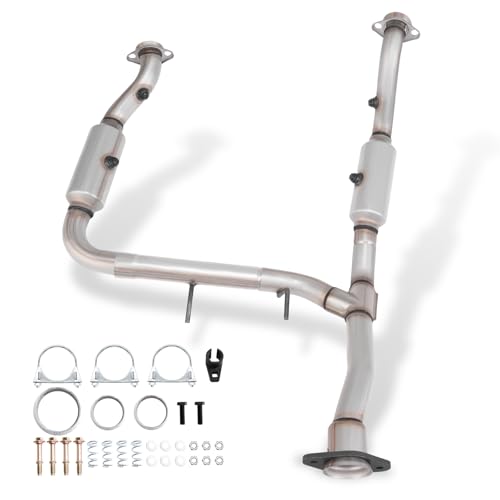
Ultimately, headers and a cat-back system are designed to work together. Headers create the raw volume and power, while the cat-back system—with its specific muffler and resonator choices—shapes that sound into the final desired tone.
Can Headers Make The Exhaust Sound Tinny Or Raspy, And How Do You Fix It?
Yes, headers can unfortunately introduce an undesirable tinny or raspy sound, especially on smaller displacement or 4-cylinder engines. This harsh, metallic tone is a common side effect caused by the combination of thinwall tubing material, the removal of sound-dampening catalytic converters, and uneven exhaust pulses that are no longer being muffled by a restrictive manifold. The good news is that this is a fixable problem.
What is Exhaust Drone?
Exhaust drone is a low-frequency, resonant hum or vibration that occurs at a constant cruising speed, typically on the highway. It’s caused by the exhaust system vibrating at a frequency that matches the harmonics of the vehicle’s cabin, creating an uncomfortable and fatiguing noise. Headers, by increasing flow and volume, significantly raise the risk of drone.
If you’re addressing tinny header sound or looking for a solution to drone, here are the most effective strategies:
- Install High-Flow Catalytic Converters: Cats are surprisingly effective at sound tuning. The internal honeycomb structure acts as a filter for high-frequency sound waves, effectively cutting out the harsh raspiness and deepening the overall exhaust note. This is often the first and best step to fixing a tinny sound.
- Integrate an X-Pipe or H-Pipe: These mid-pipe components are designed to balance the exhaust pulses from each cylinder bank. An X-pipe merges the flows, smoothing out the pulses for a cleaner, often higher-pitched European sports car sound. An H-pipe balances the pressure between the pipes, resulting in a deeper, classic American muscle car rumble. Both are excellent at reducing rasp.
- Add Resonators: A resonator is essentially a sound-canceling chamber designed to target and eliminate a specific frequency range. If you’re suffering from drone mitigation after headers install, adding a quality resonator (or even a specialized Helmholtz resonator) to the mid-pipe is the most direct way to cancel out that annoying frequency without quieting the entire system.
What Are The Legal and Tuning Implications of Installing Loud Headers?
Installing performance headers has critical legal and functional implications that must be addressed for the modification to be safe, reliable, and compliant. Simply bolting on a set of headers without considering emissions laws and engine management can lead to fines, failed inspections, and even engine damage. Before proceeding, you must understand these two mandatory considerations.
An often-overlooked factor is sound ordinance compliance. Many jurisdictions have decibel limit laws for vehicles, and a set of catless long tube headers can easily push a car over the legal limit, leading to unwanted attention and expensive tickets. It’s crucial to research your local regulations.
Here are the two primary implications of installing headers:
1. Legality and Emissions: In any state with emissions testing (especially California), headers that remove, replace, or relocate the factory catalytic converters are illegal for street use. To be compliant, headers must be certified by the California Air Resources Board (CARB) or a similar governing body (EPA). Running a “catless” setup is strictly for off-road or track use and will result in an immediate failed smog inspection.
2. Mandatory ECU Tuning: Headers fundamentally change how your engine breathes. The increased exhaust flow alters the air-fuel ratio (AFR) and can cause the engine to run lean, which can lead to damage over time. A professional ECU tune is not optional; it is required to adjust fuel maps, disable check engine lights from the relocated O2 sensors, and safely extract the maximum horsepower gain from the improved airflow. Skipping this step means leaving power on the table and risking your engine’s health.
Legal & Warranty Warning
Be aware that installing aftermarket headers, particularly those that are not CARB-compliant, may void your vehicle’s powertrain warranty. Always check with your dealer or manufacturer regarding their policy on aftermarket modifications.
What Is The Typical Horsepower Gain From Headers, And Is It Worth The Noise?
Performance headers are one of the most effective bolt-on upgrades for a naturally aspirated engine, typically yielding a 5-10% increase in horsepower and torque. For a V8 engine, this often translates to a proven horsepower gain of 15-30 HP from long tube headers, with a noticeable improvement in low-end torque and throttle response. Shorty headers offer a more modest gain, usually in the 5-10 HP range.
Whether this performance gain is worth the significant increase in noise is a subjective decision that depends entirely on your goals for the vehicle. The trade-off between power and civility is the central question of any exhaust modification. A deep understanding of volumetric efficiency calculation with headers shows that the gains are real and measurable, but so is the acoustic consequence.
Here’s a framework to help you decide if it’s worth it for you:
* For a Dedicated Track or Race Car: Absolutely worth it. In a performance-first application, the substantial horsepower gain from long tube headers far outweighs the concerns of noise, drone, or street legality. Headers are a foundational mod for maximizing track performance.
* For a Performance-Oriented Daily Driver: It’s a compromise. Many enthusiasts find the trade-off acceptable. Using high-flow catted headers paired with a quality cat-back system and resonators can create a powerful, aggressive sound that is manageable for street use. However, it requires careful component selection to mitigate drone.
* For a Quiet, Comfortable Cruiser: Probably not worth it. If your priority is maintaining a quiet cabin and avoiding unwanted attention, headers are likely not the right modification for you. The inherent increase in volume and risk of drone can detract from a comfortable driving experience.
Ultimately, headers are a modification for those who prioritize making the car faster and are willing to accept—or even desire—a much louder, more visceral driving experience.
FAQs About do headers make your car louder
How much louder do long tube headers make a car in decibels?
Long tube headers typically increase overall exhaust volume by a substantial 10 to 15 decibels (dB). This increase is significant enough to be perceived by the human ear as roughly doubling the sound’s loudness. On many vehicles, this change is sufficient to exceed local sound ordinance limits, particularly when accelerating at wide-open throttle.
Do shorty headers increase sound level significantly?
No, shorty headers generally provide only a marginal increase in sound, typically in the 3 to 7 decibel (dB) range. This makes the change in volume noticeable but not overwhelming. Because they are designed to fit in the stock location and often retain the factory catalytic converters, they cause minimal disruption to the system’s overall acoustic profile.
What is the best type of header for a deep rumble sound?
For most V8 engines, long tube headers combined with an H-pipe system are widely considered the best setup for a deep, classic muscle car rumble. The long primary tubes help tune the exhaust for lower frequencies, while the H-pipe balances exhaust pulses in a way that naturally enhances the deep, throbbing notes and minimizes high-pitched rasp.
Can headers cause exhaust drone at highway speeds?
Yes, headers are a leading cause of exhaust drone, which is the uncomfortable, low-frequency hum that occurs at constant highway cruising speeds. This happens because the increased flow and reduced restriction alter the resonant frequency of the exhaust system. Mitigating this drone often requires adding a specifically tuned resonator or a Helmholtz chamber to cancel out the problematic frequency.
Should I get headers or a cat-back exhaust first for loudness?
If your primary goal is the largest possible increase in volume and performance, you should install headers first. Headers address the engine’s main restriction point—the exhaust manifold—unlocking a level of sound and power that a cat-back system can then shape and refine. A cat-back alone primarily changes the exhaust tone, not its maximum potential volume.
Will headers pass smog inspection in my state?
Generally, catless headers will not pass a smog or emissions inspection in any state that requires a visual check for catalytic converters or an OBD-II scan. To be street-legal in regulated areas like California, headers must be officially certified by the California Air Resources Board (CARB). Even catted headers must use a high-flow cat that meets local emissions standards.
Do headers make a V8 sound different than a 4-cylinder engine?
Yes, headers amplify the natural acoustic differences between engine types. On a V8, headers typically create a deep, even-toned rumble due to its firing order. On a 4-cylinder engine, headers often produce a much higher-pitched, raw, and sometimes raspy sound that requires careful tuning with resonators to achieve a desirable tone.
How does primary tube length affect the exhaust note and pitch?
Primary tube length is a critical factor in tuning the exhaust note because it dictates the RPM range where the scavenging effect is most efficient. Longer primary tubes are tuned for low-RPM torque and tend to produce a deeper, lower-pitched sound. Shorter primary tubes are tuned for high-RPM horsepower and generally create a sharper, higher-pitched exhaust note.
Are headers considered the biggest bolt on performance increase?
Yes, for most naturally aspirated (non-turbo) engines, performance headers are regarded as the single biggest bolt-on performance upgrade you can make to the exhaust system. They provide substantial gains in both horsepower and torque by eliminating the highly restrictive factory manifold and dramatically improving the engine’s volumetric efficiency through the scavenging effect.
What is the difference between equal length and unequal length headers for sound?
Equal length headers create a smooth, balanced, and often higher-pitched exhaust note because exhaust pulses arrive at the collector evenly, which is optimal for performance. Unequal length headers are intentionally designed with different length tubes, causing exhaust pulses to arrive unevenly. This creates the signature, throbbing “boxer rumble” famously associated with Subaru engines.
Key Takeaways: Headers Acoustic Impact Summary
- Headers Significantly Increase Volume: Performance headers always make a car louder by eliminating the restrictive OEM manifold and reducing back pressure. Expect a volume increase of 5 dB for a subtle setup to over 15 dB for an aggressive, catless long tube system.
- Long Tube Headers Provide Maximum Acoustic Change: A long tube vs shorty headers for volume comparison clearly shows long tubes produce a far greater increase in both sound and performance due to superior scavenging, but also come with a higher risk of drone and legality issues.
- Sound Change is Driven by Physics (Scavenging): The core reason for the sound change is the scavenging effect mechanism, where precisely tuned primary tubes create a vacuum effect that pulls exhaust gases out of the engine, dramatically increasing flow velocity.
- Tone Refinement Requires Secondary Mods: Headers can cause a tinny exhaust sound or excessive rasp. The most effective solutions involve adding high-flow catalytic converters, an X-pipe/H-pipe to balance pulses, or resonators to eliminate drone.
- Tuning is Mandatory for Safety and Performance: Installing headers, especially long tube catless systems, requires an ECU tune to prevent O2 sensor codes, correct the air-fuel mixture, and safely unlock the full horsepower gain potential.
- Headers are the Biggest Bolt-On Gain: Headers are often the biggest bolt on performance increase for naturally aspirated engines, delivering significant performance gains that justify the noise level for serious enthusiasts.
- Compliance and Legality Are Critical: Before installation, always verify local emissions compliance (CARB/EPA) and decibel limit laws, as loud, catless headers can lead to failed inspections and fines for street use.
Final Thoughts on Do Headers Make Your Car Louder
In short, installing performance headers is one of the most transformative modifications you can make to your vehicle, affecting both its performance and its personality. They will, without question, make your car significantly louder. The decision hinges on balancing the allure of a powerful, aggressive exhaust note and proven horsepower gains against the practical realities of increased volume, potential drone, and the critical need for proper tuning and legal compliance.
By understanding the differences between long tube and shorty headers, the science behind the sound change, and the necessary supporting modifications, you can make an informed choice. Whether you’re building a dedicated track machine or a spirited daily driver, selecting the right headers and pairing them with the right components is the key to achieving the perfect balance of power and sound for your 2026 vehicle. Which approach will you take to craft your car’s new voice?
Last update on 2026-03-02 / Affiliate links / Images from Amazon Product Advertising API


