
Wondering if car washes scratch paint? You’re right to be concerned about protecting your vehicle’s finish and resale value. Many owners struggle to balance convenience with the risk of car wash paint damage.
Yes, many car washes can scratch your paint, especially older friction-based models with nylon brushes. The real damage comes from abrasive dirt and grit trapped in the brushes or recycled water, which acts like sandpaper on your car’s clear coat. The result is fine scratches known as swirl marks.
Based on technical analysis and detailing industry standards, the key isn’t avoiding all washes but choosing the right one. This guide breaks down the science of paint scratches, compares wash types, and gives you expert-backed methods to keep your car’s finish looking new.
Key Facts
- Contamination is the Culprit: The primary cause of car wash scratches is not the brushes themselves but the abrasive dirt and grit they trap from previous vehicles, which then act like sandpaper on your paint.
- Paint is Softer Than Dirt: Research using the Mohs hardness scale shows a car’s clear coat has a hardness of 2-4, while common sand and silica grit have a hardness of 6-7, meaning dirt will inevitably scratch your paint when dragged across it.
- Dark Paint Reveals More: Scratches like swirl marks are significantly more visible on black and other dark-colored cars due to the high contrast, making safe washing methods more critical for these vehicles.
- A Clear Safety Hierarchy Exists: Industry analysis reveals that a proper two-bucket hand wash is the safest method, followed by a touchless automatic wash, with friction-based tunnel washes posing the highest risk.
- Self-Service Brushes are a Major Hazard: The foaming brushes at self-service car washes are a top source of paint damage, as they are frequently contaminated with heavy grit from being dropped or used on dirty wheels.
Do Car Washes Scratch Paint? A Data-Driven Answer for Car Owners
Yes, car washes can scratch paint, but the primary cause is not the car wash equipment itself. Instead, the real culprits are the abrasive dirt and grit trapped in spinning brushes or suspended in improperly filtered recycled water. This contamination effectively turns the washing equipment into a tool for creating fine scratches, often called swirl marks, across your car’s delicate clear coat. The risk of car wash paint damage is not equal across all services; it varies significantly based on the type of wash and, most importantly, its maintenance schedule.

As detailing experts say, the core of the issue is friction combined with contamination. When you see those tell-tale spiderweb-like scratches on a dark-colored car in the sun, you are seeing the direct result of this process. Protecting your vehicle’s finish is a key part of car maintenance and directly impacts its long-term resale value.
But how exactly do these nearly invisible particles of dirt cause such noticeable damage? The answer lies in a simple scientific principle that many car owners overlook. Understanding this is the first step toward choosing a truly safe wash method.
Why Do Some Car Washes Cause Scratches? The Science of a Damaged Finish
The core reason car washes cause scratches is a concept called micro-marring, which happens when a harder material is dragged across a softer one. This isn’t an opinion; it’s a matter of physics explained by the Mohs hardness scale. Your car’s paint isn’t as tough as you might think.
Expert Insight: The Mohs scale rates mineral hardness from 1 (talc) to 10 (diamond). Your car’s clear coat has a hardness of about 2-4 Mohs. However, the sand, silica, and grit that make up common road dirt have a hardness of 6-7 Mohs. This means tiny particles of dirt are significantly harder than your paint and will easily cut microscopic grooves into the finish when dragged across it.
This scratching is primarily caused by three factors in an automated car wash environment:
- Contaminated Brushes: Old-style nylon brushes and even poorly maintained soft foam or microfiber brushes trap abrasive dirt particles from every car that goes through. When these brushes spin against your car, they drag that trapped grit across your paint.
- Improperly Filtered Water: To save costs, many automatic washes recycle their water. If the filtration system is inadequate, it recirculates an abrasive slurry of fine grit and road salt, which is then blasted against your car at high pressure.
- Insufficient Lubrication: High-quality car soap provides essential lubrication, creating a slippery surface that allows dirt to glide off safely. Cheap or diluted detergents offer poor lubrication, increasing the friction and the likelihood of scratches.
This process of micro-marring creates thousands of tiny, V-shaped grooves in the clear coat. While individually small, together they refract light in all directions, making the paint appear dull and creating the visible pattern of swirl marks.
How Do Brush, Touchless, and Hand Washes Compare for Paint Safety?
Understanding the science of scratches helps us evaluate the three main car washing methods. Each presents a different balance of risk, convenience, and cleaning power. Here’s how they stack up.
Friction (Soft-Touch) Wash
This is the most common type of tunnel wash, using large, spinning brushes made of soft foam or microfiber strips to physically scrub the car. While modern soft foam brushes are safer than old nylon bristles, their safety is entirely dependent on their cleanliness.
- ✅ Pros: Very effective at removing stubborn dirt, fast, and convenient.
- ❌ Cons: Highest risk of swirl marks if brushes are not meticulously cleaned.
Touchless Wash
These washes avoid physical contact altogether. They rely on high-pressure water jets and stronger chemical detergents to break down and blast away dirt.
- ✅ Pros: No risk of scratches from physical contact, making them a safe choice for new or ceramic-coated cars.
- ❌ Cons: May use harsh chemicals that can strip waxes and sealants. Can struggle to remove heavy, baked-on grime without friction.
Two-Bucket Hand Wash
Considered the gold standard by professional detailers, this method gives you complete control over the process, using clean wash mitts and proper technique to minimize risk.
- ✅ Pros: The absolute safest method for preventing scratches. Allows you to gently handle every surface of the car.
- ❌ Cons: Time-consuming and requires the right tools and knowledge to perform correctly.
| Feature / Aspect | Friction (Soft-Touch) Wash | Touchless Wash | Two-Bucket Hand Wash |
|---|---|---|---|
| Primary Method | Soft foam or microfiber brushes physically contact the car. | High-pressure water jets and strong detergents do the cleaning. | Gentle washing with a lubricated microfiber wash mitt. |
| Scratch Risk | Medium to High (Depends entirely on brush cleanliness). | Very Low (No physical contact). | Lowest (Full control over mitt cleanliness). |
| Chemical Harshess | Low to Medium (Relies on friction, less on chemicals). | Medium to High (Needs stronger detergents to compensate for no friction). | Lowest (Uses pH-neutral car soap). |
| Cleaning Power | High (Physical agitation is very effective). | Medium (Can struggle with heavy, caked-on grime). | High (Can manually address stubborn spots). |
| Best For… | Quick, convenient cleaning for daily drivers with light-colored paint. | New or dark-colored cars, ceramic-coated vehicles, avoiding all contact. | Car enthusiasts, owners of luxury/dark cars, maximum safety. |
Which Car Wash Method Is Safest for Your Paint?
The safest method to wash a car and prevent scratches is the two-bucket hand wash. This technique, a standard in professional auto detailing, is designed specifically to prevent cross-contamination and keep abrasive grit away from your paintwork. For those who need the convenience of an automated option, a well-maintained touchless car wash is the next best choice, as it completely eliminates the risk of scratches from physical contact.
The two-bucket hand wash method provides the ultimate control. By using one bucket for soapy water and a second, separate bucket for rinsing the dirty wash mitt, you trap the dirt and prevent it from ever being reintroduced to the car’s surface. This is a tested method that professional detailers use to maintain the finish on high-end and luxury vehicles.
While it requires more effort than a drive-through wash, learning how to wash a car without scratching paint is one of the most valuable skills for any car owner. It not only preserves your car’s appearance but also its resale value. Let’s break down exactly how to do it correctly.
How Can You Safely Wash Your Car at Home? (A 5-Step Guide)
Executing a safe hand washing vehicle process is straightforward with the right tools and technique. This 5-step method drastically reduces the risk of scratches and is the foundation of car detailing for beginners.
Step 1: Pre-Rinse Thoroughly
Before you touch the paint, use a hose or pressure washer to rinse the entire vehicle from top to bottom. The goal is to remove as much loose dirt, dust, and grit as possible so you aren’t grinding it in with your wash mitt.
* Common Mistake to Avoid: Starting to scrub a dry, dusty car. This is a guaranteed way to cause scratches.
Step 2: Prepare Your Two Buckets
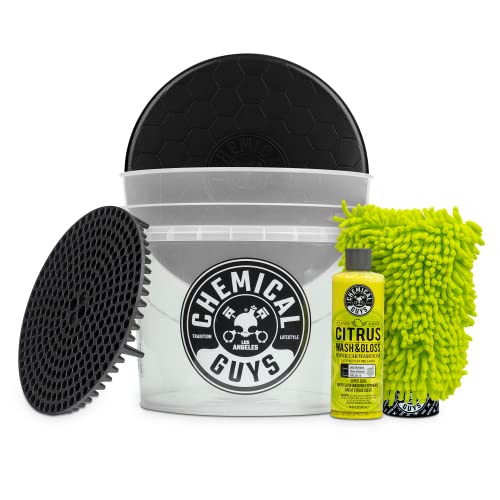
Fill one bucket with water and a pH-neutral car soap. Fill the second bucket with plain water. Place a Grit Guard insert at the bottom of your rinse bucket. A grit guard is a plastic screen that traps dirt at the bottom, preventing your mitt from picking it back up.
* Common Mistake to Avoid: Using just one bucket, which turns your soapy water into a gritty, paint-damaging soup.
Step 3: Wash One Panel at a Time
Dip your clean microfiber wash mitt into the soap bucket. Wash a single panel of the car (e.g., the roof, a door) using light pressure and straight-line motions, not circles. Washing in circles creates the classic “swirl mark” pattern if any grit is present. Always wash from the top of the car down.
* Common Mistake to Avoid: Scrubbing aggressively. Let the soap and microfiber do the work.
Step 4: Rinse Your Mitt Constantly
After washing one panel, dunk your dirty mitt into the rinse bucket. Swirl it around and rub it against the grit guard to dislodge all the dirt you just picked up. You’ll see the dirt settle at the bottom. Now, your mitt is clean and ready to be re-dunked in the soap bucket for the next panel.
* Common Mistake to Avoid: Rinsing your mitt in the soap bucket, which contaminates your clean water.
Step 5: Final Rinse and Dry Safely
Once the whole car is washed, give it a final, thorough rinse with clean water. To dry, use a large, clean, high-quality microfiber drying towel. Gently pat the car dry or drag the towel across the surface without pressure.
* Common Mistake to Avoid: Using an old bath towel or chamois. These can be abrasive. Air drying can also leave hard water spots.
How Can You Protect Your Paint from Future Car Wash Damage?
The most effective way to protect your paint is to apply a durable, sacrificial layer that sits on top of your car’s clear coat. This layer is designed to take the abuse of daily driving and washing so that your factory paint doesn’t have to. While traditional car wax offers minimal protection, modern technologies available in 2026 provide far superior scratch resistance and durability.
Think of it like a screen protector for your phone. You’d rather scratch a cheap, replaceable protector than the expensive screen underneath. Car wax and sealants, ceramic coating, and paint protection film (PPF) all serve this purpose to varying degrees.
Waxes and Sealants
Traditional carnauba waxes and modern polymer sealants are the most basic forms of protection. They add gloss and create a hydrophobic (water-repelling) surface but offer very little in terms of scratch resistance. They are a good starting point but typically only last for a few weeks to a few months.
Ceramic Coating
A ceramic coating is a liquid polymer (typically containing silica, or SiO2) that chemically bonds with your vehicle’s clear coat. It cures into a hard, glass-like layer that is significantly more durable and scratch-resistant than a traditional wax or sealant. This hard sacrificial layer provides excellent protection against minor swirl marks, chemical etching, and UV degradation for several years. Applying a ceramic coating is a key part of professional auto detailing and should be done after any necessary paint correction.
Paint Protection Film (PPF)
Often called “clear bra,” paint protection film is the ultimate in paint protection. It is a thick, transparent, and often self-healing urethane film that is physically applied to the car’s body panels. PPF provides the highest level of protection against not just scratches but also rock chips, scuffs, and stains. It is the most expensive option but is the best way to preserve a car’s factory finish.
FAQs About do car washes scratch paint
Do automatic car washes scratch cars with dark paint more easily?
Yes, car washes don’t necessarily scratch dark paint more, but the scratches (swirl marks) are significantly more visible. The high contrast between the dark paint and the light reflected by the microscopic scratches makes them stand out, especially in direct sunlight. This is why owners of black or other dark-colored cars should be extra cautious.
Does a car wash damage ceramic coating?
A well-maintained touchless car wash is generally safe for ceramic coatings, but friction-based washes can degrade them over time. The physical abrasion can wear down the coating, reducing its lifespan and hydrophobic properties. Additionally, harsh, non-pH-neutral detergents used in some touchless washes can also impact the coating’s top layer. Always check with your coating installer for their specific maintenance recommendations.
Are tunnel washes bad for black cars?
Tunnel washes that use friction (brushes) pose a higher risk for black cars due to the high visibility of swirl marks. If you must use a tunnel wash for a black car, seek out a modern facility that uses well-maintained soft foam or microfiber brushes and has a robust pre-rinse cycle. A touchless tunnel wash is a much safer alternative.
Do self-service car wash brushes scratch paint?
Yes, the foaming brushes at self-service car washes are a major source of scratches and should be avoided. These brushes are often dropped on the gritty ground, used to clean dirty wheels and truck beds, and are rarely cleaned themselves. They are almost certainly contaminated with abrasive particles that will damage your paint. Only use the high-pressure rinse and bring your own clean wash mitts and buckets.
Can touchless car wash chemicals damage paint?
Potentially, yes. To compensate for the lack of physical agitation, touchless washes often use stronger, more alkaline, or acidic detergents. If not fully rinsed, these harsh chemicals can, over time, etch the clear coat, damage plastic trim, or strip waxes and sealants. This is a lower risk than physical scratches but is still a valid concern.
Do new car washes use better technology?
Generally, yes. Modern car washes have made significant advancements in safety. Many new facilities use closed-cell foam brushes that don’t absorb water (and dirt) like old cloth or nylon brushes. They also employ more sophisticated water filtration systems and computer-controlled pressure monitors to minimize risk. However, maintenance is still the most critical factor.
What should you do if a car wash scratches your paint?
First, document the damage immediately with clear photos in good light. Then, speak with the car wash manager politely and present your evidence. Most car washes have disclaimers about being not responsible for prior damage, but new, obvious damage is different. If they are uncooperative, you may need to file a claim with your insurance or get a quote for paint correction from a professional detailer to present as damages.
Are microfiber car washes safe?
They can be much safer than nylon brushes, but only if they are impeccably maintained. The term “microfiber” sounds safe, but if the long strands of material are not cleaned properly between washes, they will hold onto grit and dirt from previous cars just like any other brush, causing scratches.
Do automatic car washes scratch matte paint?
You should NEVER take a car with matte paint through a friction-based automatic car wash. The brushes will burnish or polish the matte finish, creating shiny spots and permanently ruining the effect. Matte paint cannot be polished or corrected. Only touchless washes or proper hand washing techniques should be used for matte finishes.
Can I sue a car wash for scratches?
While technically possible, it is very difficult to win a lawsuit against a car wash for scratches. You would need to definitively prove that the damage was caused by that specific wash and was a direct result of their negligence (e.g., broken equipment), not just a normal risk of operation. Most washes have prominent signage disclaiming liability, which you implicitly accept by using the service.
Key Takeaways: How to Keep Your Car’s Paint Scratch-Free
- The Culprit is Contamination, Not Contact: It’s not the brushes themselves, but the abrasive dirt particles and grit they collect, that cause scratches. A clean brush is far safer than a dirty one.
- Paint is Softer Than Dirt: Your car’s clear coat has a Mohs hardness of 2-4, while common sand and grit have a hardness of 6-7. This means grit will always scratch paint, reinforcing the need for cleanliness.
- Hand Washing Offers Max Safety: The two-bucket hand wash method with grit guards is the gold standard for preventing scratches because it gives you full control over the cleanliness of your wash mitt.
- Touchless is the Safest Automated Option: For convenience, a well-maintained touchless car wash is the best choice to avoid physical clear coat damage, though it may use stronger chemicals and be less effective on heavy grime.
- Dark Paint Shows Everything: Swirl marks and fine scratches are far more visible on black and other dark-colored cars, demanding a higher standard of care and making safer washing methods more critical.
- Protection is Proactive: Applying a sacrificial layer like a ceramic coating or paint protection film (PPF) provides a durable barrier that absorbs damage, protecting your factory paint underneath.
- Avoid Self-Service Brushes: The foaming brushes at self-service bays are almost always contaminated and are one of the riskiest things you can use on your car’s paint.
Final Thoughts on Protecting Your Car’s Finish
Ultimately, preventing car wash scratches is about making an informed choice between convenience and control. You are no longer just a passive consumer but an educated owner who understands that the quality and maintenance of a car wash are far more important than the type of wash itself.
By understanding the simple science of how scratches form and adopting safer washing techniques—whether it’s finding a high-quality touchless wash or mastering the two-bucket method at home—you are taking control of your vehicle’s health and value. A pristine, swirl-free finish is not a matter of luck; it’s the direct result of knowledge and proper care.
Last update on 2026-02-24 / Affiliate links / Images from Amazon Product Advertising API


